Lord Jim
“A man that is born falls into a dream like a man who falls into the sea.”
Lord Jim Summary
Jim is a young British sailor who dreams of heroism—until the moment that tests him. When the rusty pilgrim ship Patna appears to be sinking in the Indian Ocean with eight hundred passengers aboard, Jim leaps into a lifeboat with the other officers and abandons the passengers to their fate. The ship does not sink. Jim survives, but his honor does not, and the rest of his life becomes a relentless attempt to redeem the single act of cowardice that defines him.
Narrated primarily through the voice of the enigmatic Captain Marlow, Lord Jim unfolds not as a straightforward tale but as a mosaic of perspectives, rumors, and half-truths. Conrad fractures time and point of view, circling Jim's disgrace from every angle, building a portrait of a man who is at once deeply sympathetic and profoundly unknowable. Jim eventually finds his redemption in a remote trading post in Southeast Asia—but Conrad, ever the ironist, ensures that redemption and destruction arrive hand in hand.
Why Read Lord Jim?
Lord Jim is one of the first great modernist novels—a book that dismantles the adventure story from the inside and replaces certainty with doubt. Conrad asks a question that haunts every reader: what would you do in the moment of crisis? We all believe we would be brave, but Jim believed it too, and he jumped. The novel's genius is that it never lets you feel superior to him.
Conrad's layered, time-shifting narrative technique—Marlow telling Jim's story to listeners who interrupt, question, and interpret—was revolutionary in 1900 and anticipates the fragmented storytelling of the entire twentieth century. But beyond its technical brilliance, Lord Jim endures because of its compassion. Conrad shows us a man destroyed by a single moment of weakness and asks whether an entire life of courage can atone for it. The answer, like everything in Conrad, is heartbreakingly ambiguous.
About Joseph Conrad
Joseph Conrad (1857–1924), born Józef Teodor Konrad Korzeniowski in Russian-occupied Poland, did not learn English until his twenties—yet he became one of the supreme stylists of the English language. He spent twenty years as a merchant sailor, voyaging through Southeast Asia, Africa, and the Caribbean, before turning to fiction in his late thirties.
Conrad's seafaring experiences gave him the settings and moral dilemmas that define his greatest works—Heart of Darkness, Lord Jim, Nostromo, and The Secret Agent. His prose is dense, atmospheric, and psychologically penetrating, exploring the thin line between civilization and savagery. He was a writer who understood that the real darkness lies not in distant jungles but in the human heart.
Reading Guide
Ranked #129 among the greatest books of all time, Lord Jim by Joseph Conrad has earned its place in the literary canon. Originally written in English and published in 1900, this challenging read from United Kingdom continues to resonate with readers today.
This book belongs to our Modern Mind and Epics collections, where you can discover more books that share its spirit and themes.
If you enjoy challenging reads like this one, you might also like Ulysses, Moby-Dick, or Lolita.
From the Modern Mind Collection
If you enjoyed Lord Jim, discover more masterpieces that share its spirit.
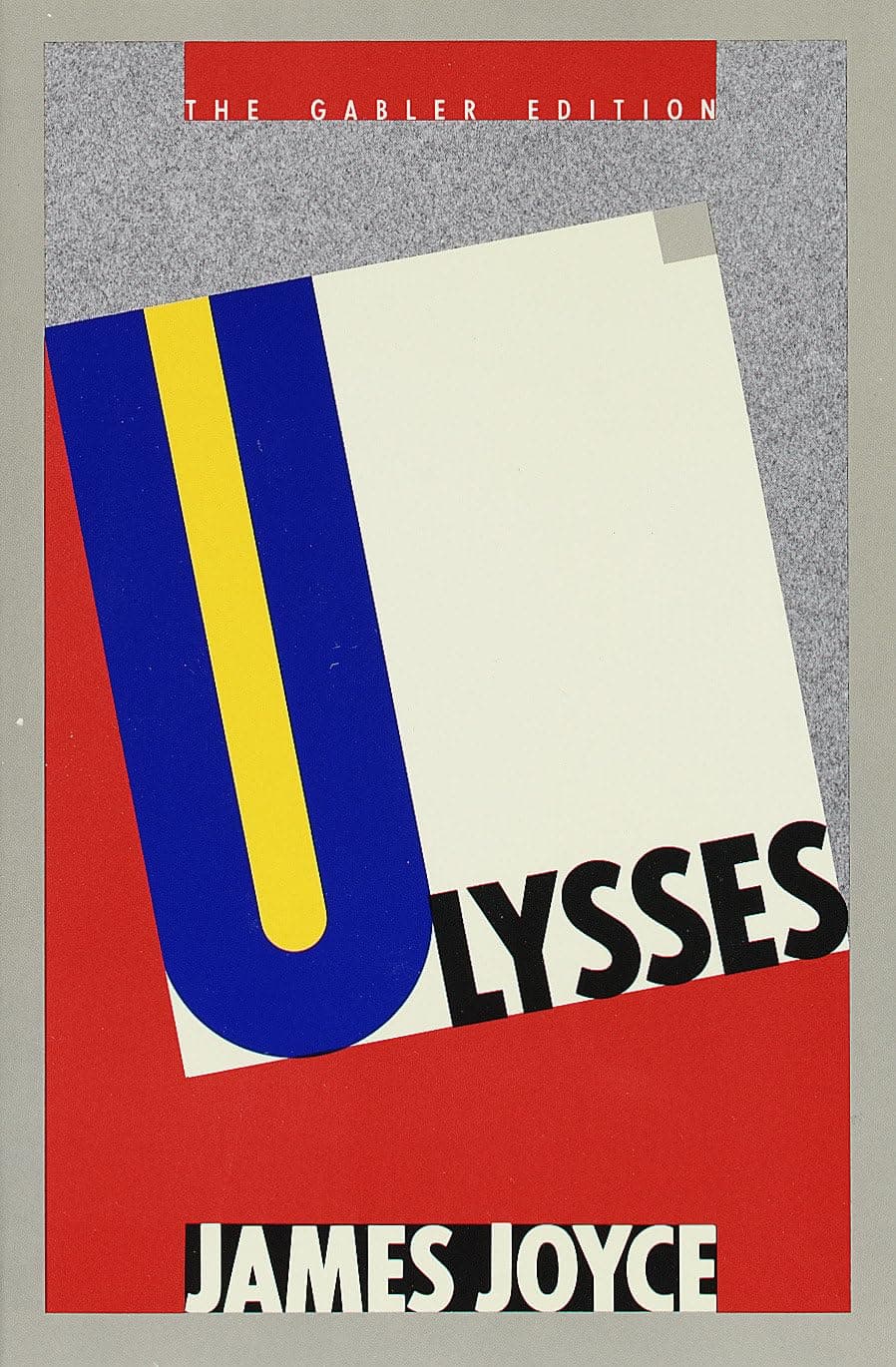 #1View Book
Ulysses
James Joyce
Challenging•35-40 hours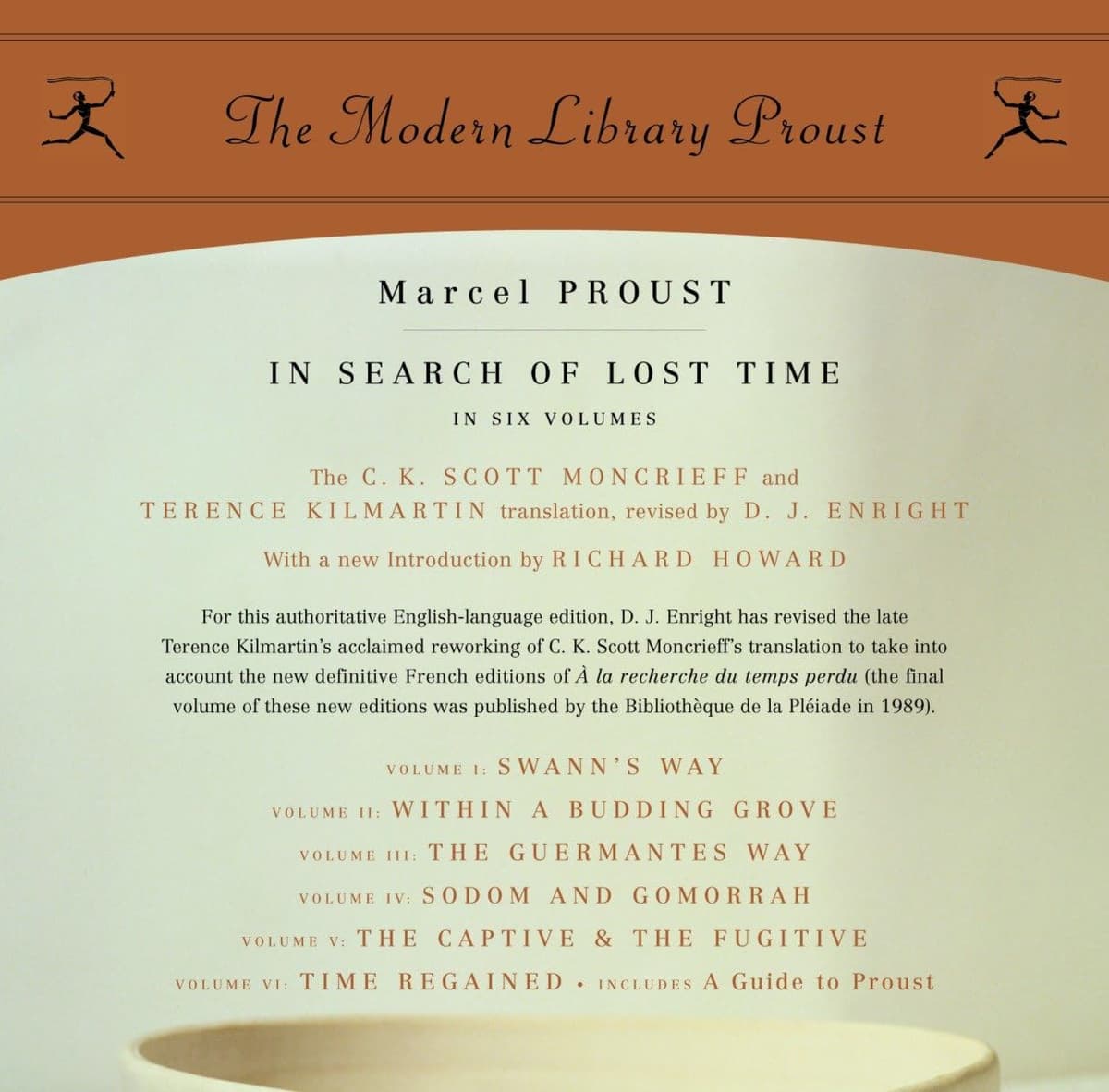 #2View Book
In Search of Lost Time
Marcel Proust
High•100+ hours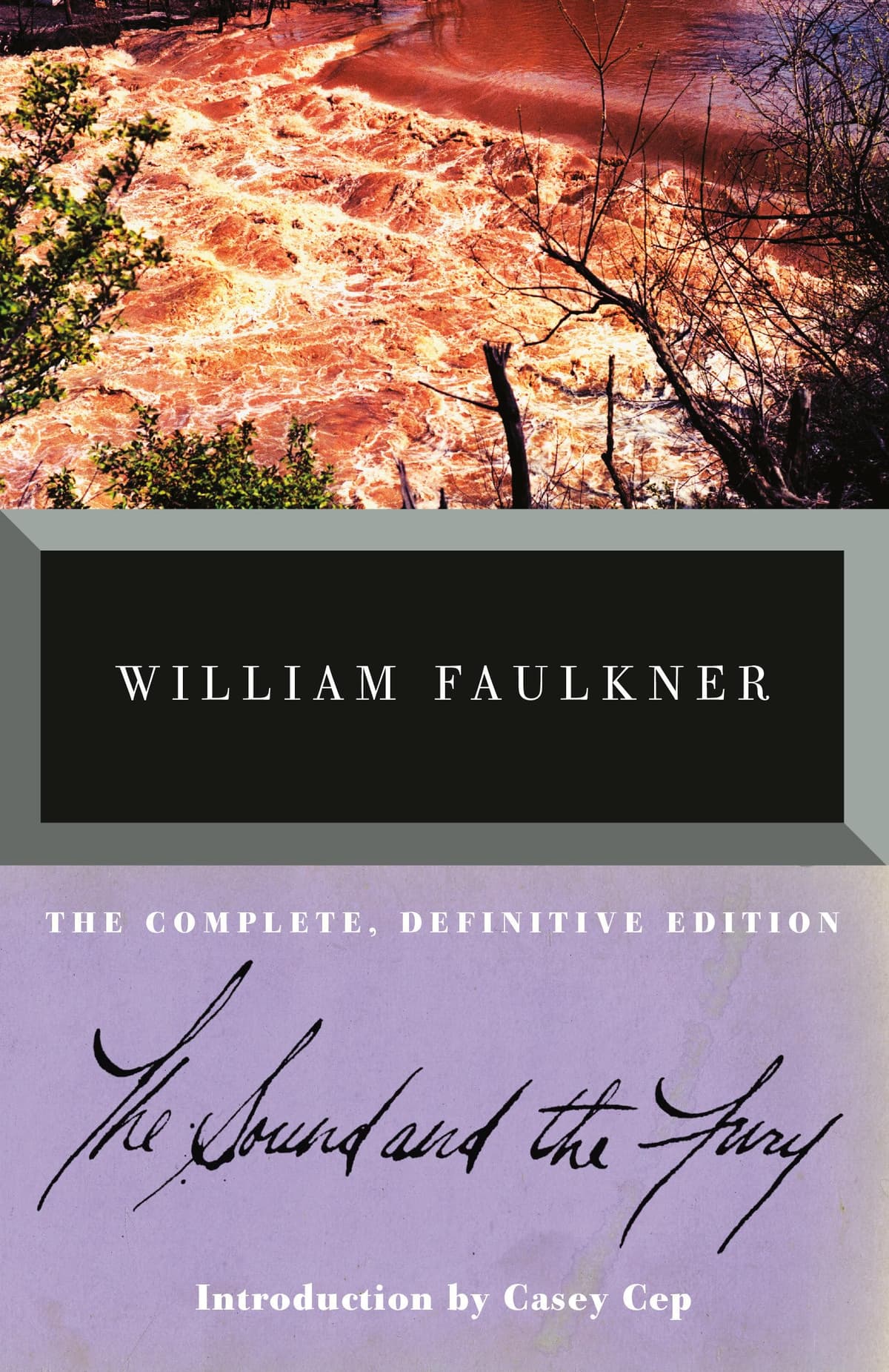 #8View Book
The Sound and the Fury
William Faulkner
Very High•12-15 hours #13View Book
Lolita
Vladimir Nabokov
Challenging•12-15 hours
Browse more collections