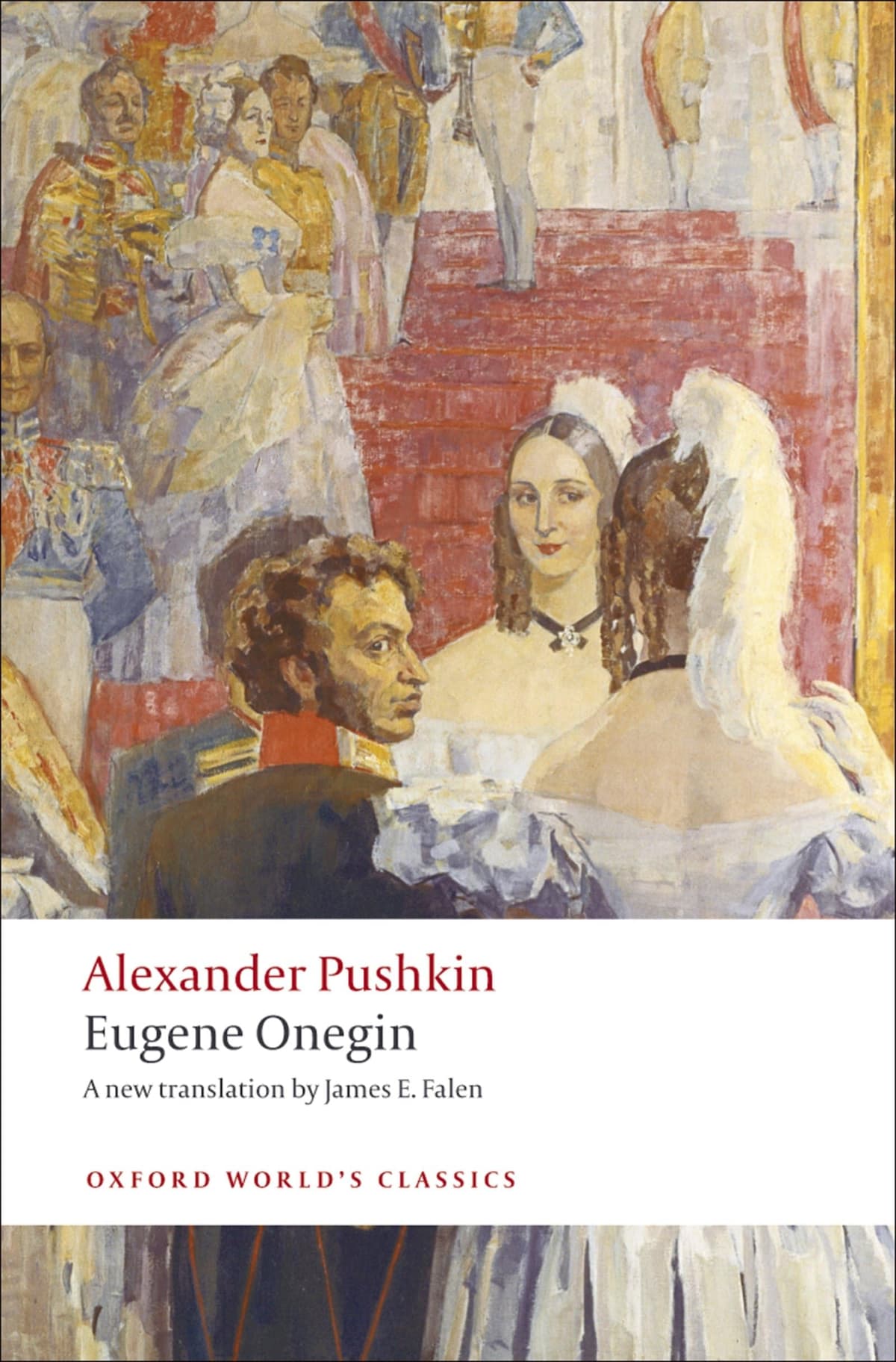
Eugene Onegin
“I've lived to bury my desires, And see my dreams condemned to sleep.”
Eugene Onegin Summary
Eugene Onegin is a bored, fashionable young man of St. Petersburg society who has perfected the art of elegant indifference. When he inherits a country estate, he retreats from the capital and befriends Vladimir Lensky, an idealistic young poet engaged to the lively Olga Larina. Olga's older sister Tatyana—bookish, dreamy, and fiercely sincere—falls passionately in love with Onegin and writes him a letter confessing her feelings with devastating honesty. Onegin, who prides himself on his worldly disillusionment, rejects her with a patronizing lecture about the futility of love. Then, in a senseless cascade of wounded vanity, he flirts with Olga at a ball, provoking Lensky to challenge him to a duel. Onegin kills his friend and flees, wandering Russia in aimless guilt. Years later, he encounters Tatyana again—now a poised, magnificent princess of Moscow society—and is consumed by a love as desperate as the one he once dismissed. Their final meeting is one of the most emotionally devastating scenes in world literature.
Pushkin's novel in verse is the foundational text of Russian literature, the work from which, as Dostoevsky declared, all subsequent Russian fiction emerged. Written in a specially invented fourteen-line stanza of breathtaking formal elegance, it is simultaneously a love story, a social panorama, a meditation on fate and missed opportunity, and a witty, self-aware conversation between author and reader. Pushkin's narrative voice—ironic, tender, digressive, endlessly charming—creates an intimacy that no prose novel of the era achieves. The work established the archetypes that would haunt Russian literature for two centuries: the superfluous man, the strong woman, the fatal duel, the tension between European sophistication and Russian soul.
Why Read Eugene Onegin?
Eugene Onegin is one of the most enchanting reading experiences in world literature. Pushkin writes with a lightness and wit that make every stanza a pleasure, yet beneath the sparkling surface runs a current of feeling so deep that the poem's final scenes will leave you shattered. Tatyana's letter to Onegin—written in a fever of first love, with all its awkwardness and bravery intact—is one of the most moving passages ever set to paper, and Onegin's belated recognition of what he has thrown away is a portrait of human folly that transcends any single era or culture. You do not need to know Russia to understand this story; you only need to have ever realized too late what someone meant to you.
The verse form, far from being an obstacle, is the source of the work's magic. Even in translation, Pushkin's stanzas move with a musical grace that carries you forward effortlessly, and his narrative voice—confiding, teasing, suddenly serious—makes you feel as though a brilliant friend is telling you the most important story he knows. Eugene Onegin invented Russian literature and inspired Tchaikovsky's opera, Nabokov's obsessive translation, and generations of writers from Lermontov to Anna Akhmatova. It is a masterpiece that proves poetry can do everything a novel can, and more.
About Alexander Pushkin
Alexander Pushkin was born in Moscow in 1799 to an old but impoverished noble family, with African ancestry through his great-grandfather Abram Gannibal, an enslaved boy who became a general under Peter the Great. He began writing poetry as a teenager at the Lyceum in Tsarskoye Selo and was already famous by his early twenties, when his politically provocative verse earned him exile to southern Russia and then to his family's estate. These years of enforced isolation proved creatively fertile, producing the bulk of Eugene Onegin along with many of his finest lyrics and narrative poems.
Pushkin is universally regarded as the founder of modern Russian literature and the greatest Russian poet. His works—Eugene Onegin, Boris Godunov, The Captain's Daughter, The Queen of Spades, The Bronze Horseman—established the literary language, created the archetypal characters, and set the thematic obsessions that would define Russian culture for centuries. He married the beautiful Natalya Goncharova in 1831, but mounting debts and persistent rumors of her infidelity tormented him. In 1837, at the age of thirty-seven, Pushkin was mortally wounded in a duel with a French officer and died two days later. His death was mourned across Russia as a national catastrophe, and his influence on Gogol, Dostoevsky, Tolstoy, Chekhov, and every Russian writer since is beyond calculation.
Reading Guide
Ranked #383 among the greatest books of all time, Eugene Onegin by Alexander Pushkin has earned its place in the literary canon. Originally written in Russian and published in 1833, this moderate read from Russia continues to resonate with readers today.
This book belongs to our Russian Soul and Love & Loss collections, where you can discover more books that share its spirit and themes.
If you enjoy moderate reads like this one, you might also like One Hundred Years of Solitude, Nineteen Eighty-Four, or Wuthering Heights.
From the Russian Soul Collection
If you enjoyed Eugene Onegin, discover more masterpieces that share its spirit.
 #10View Book
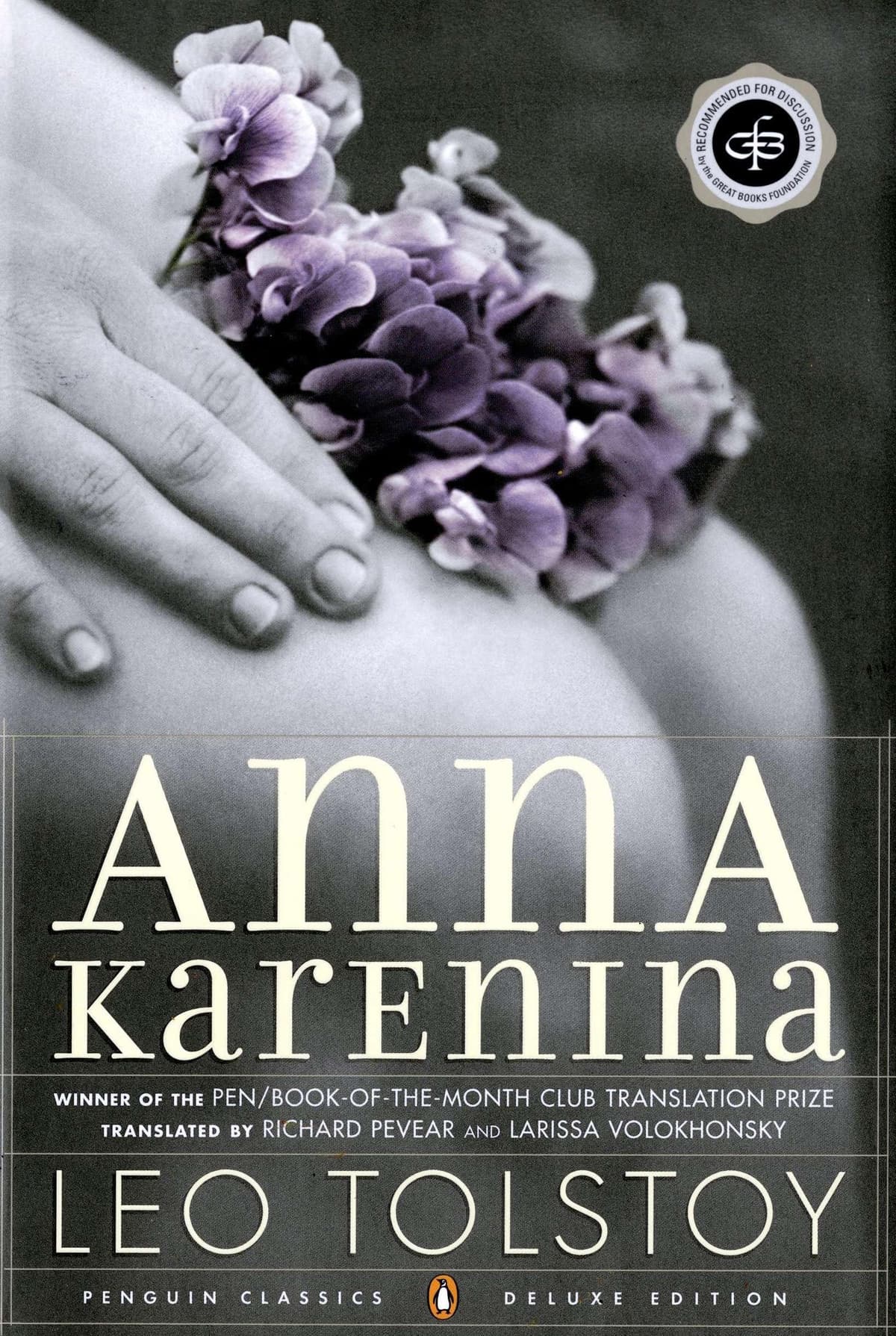
Anna Karenina
Leo Tolstoy
High•30-35 hours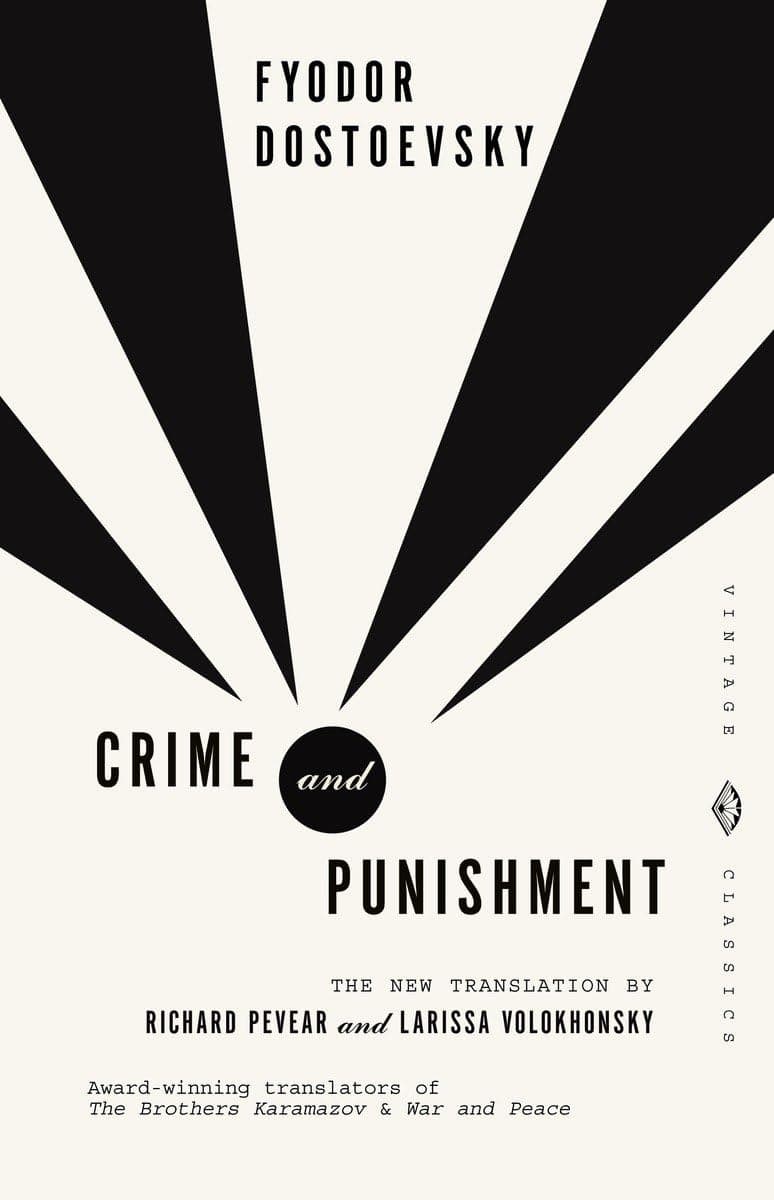 #11View Book
Crime and Punishment
Fyodor Dostoevsky
High•20-25 hours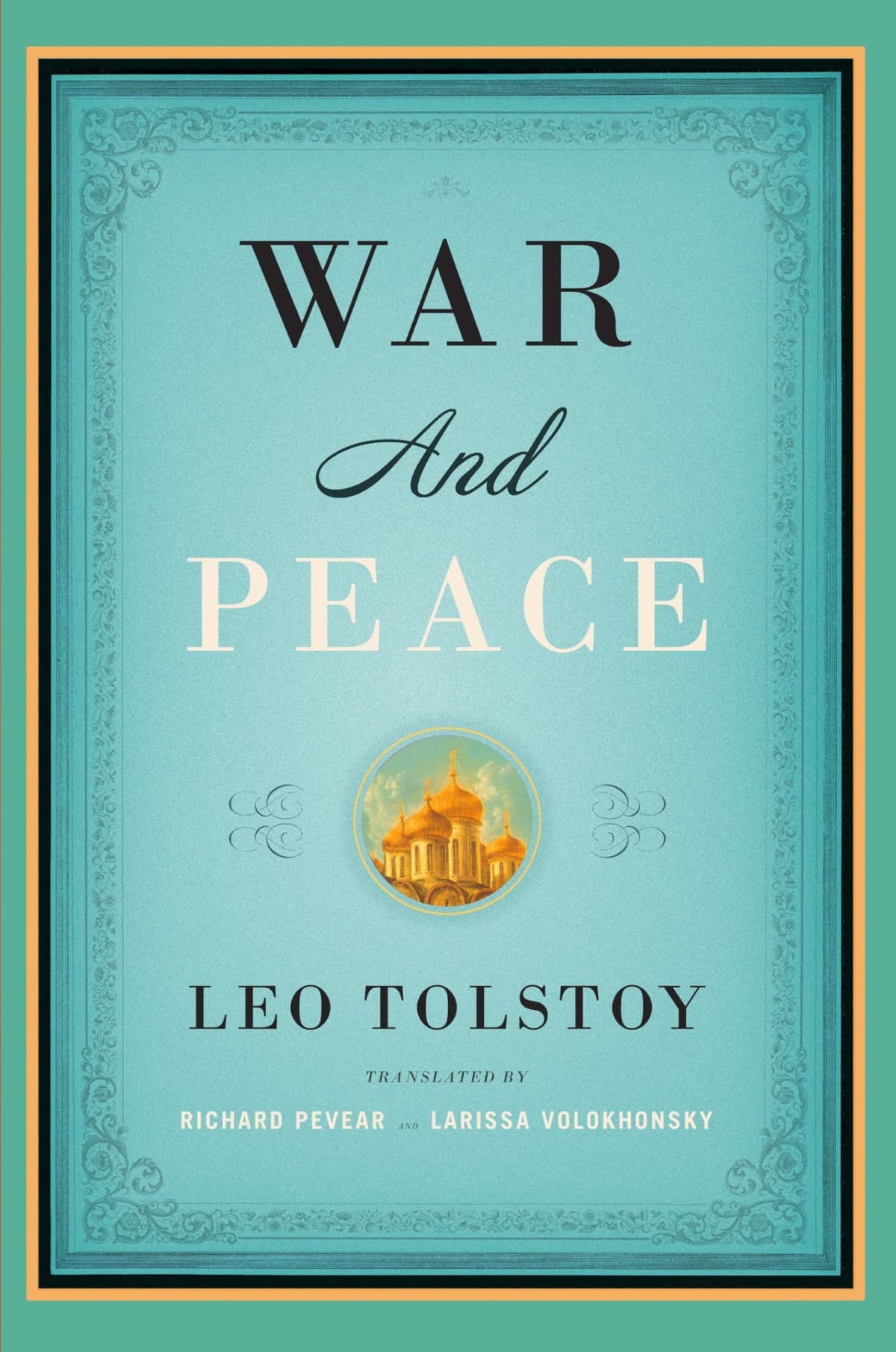 #14View Book
War and Peace
Leo Tolstoy
Very High•40-50 hours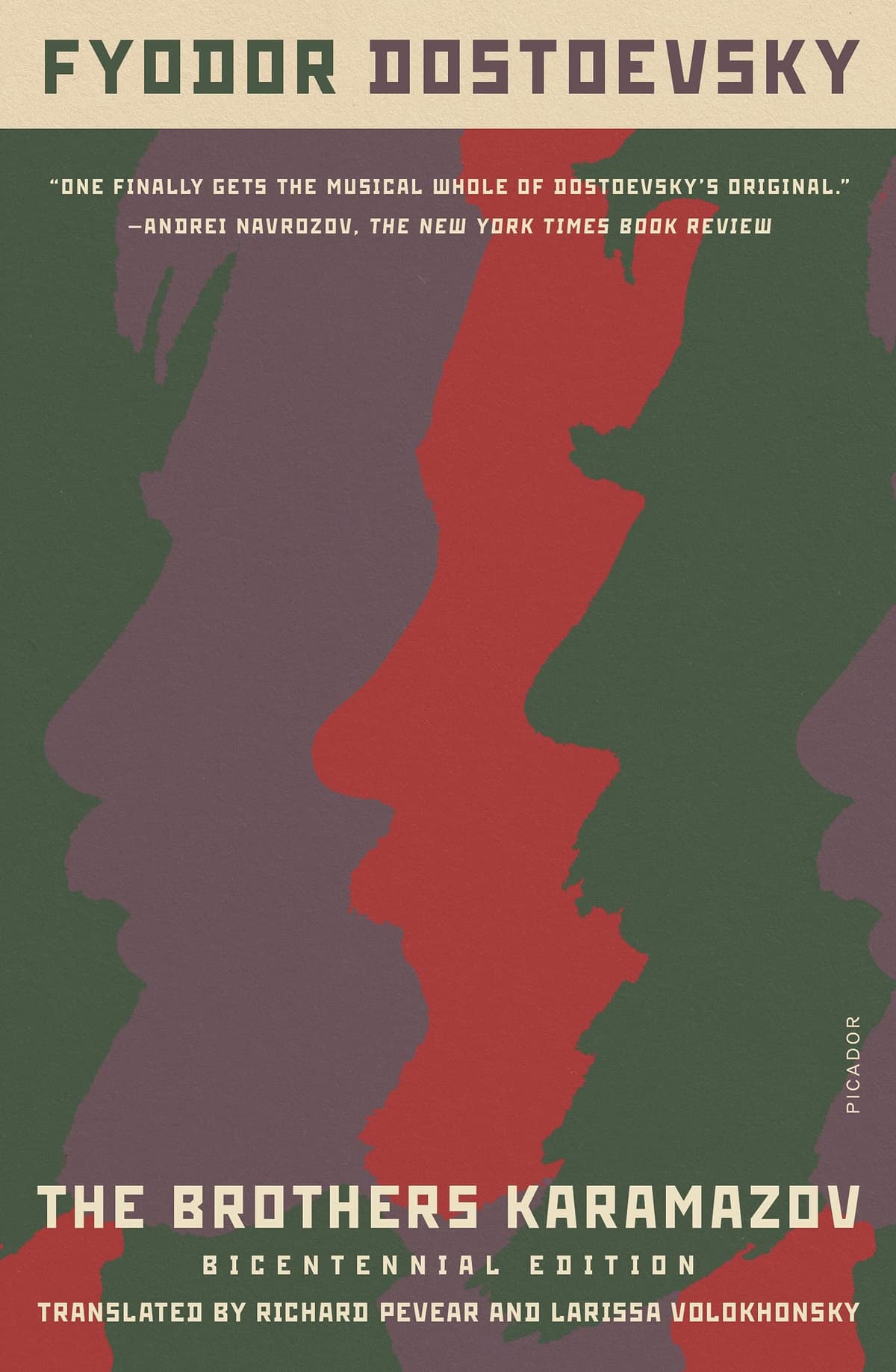 #19View Book
The Brothers Karamazov
Fyodor Dostoevsky
Very High•35-40 hours
Browse more collections