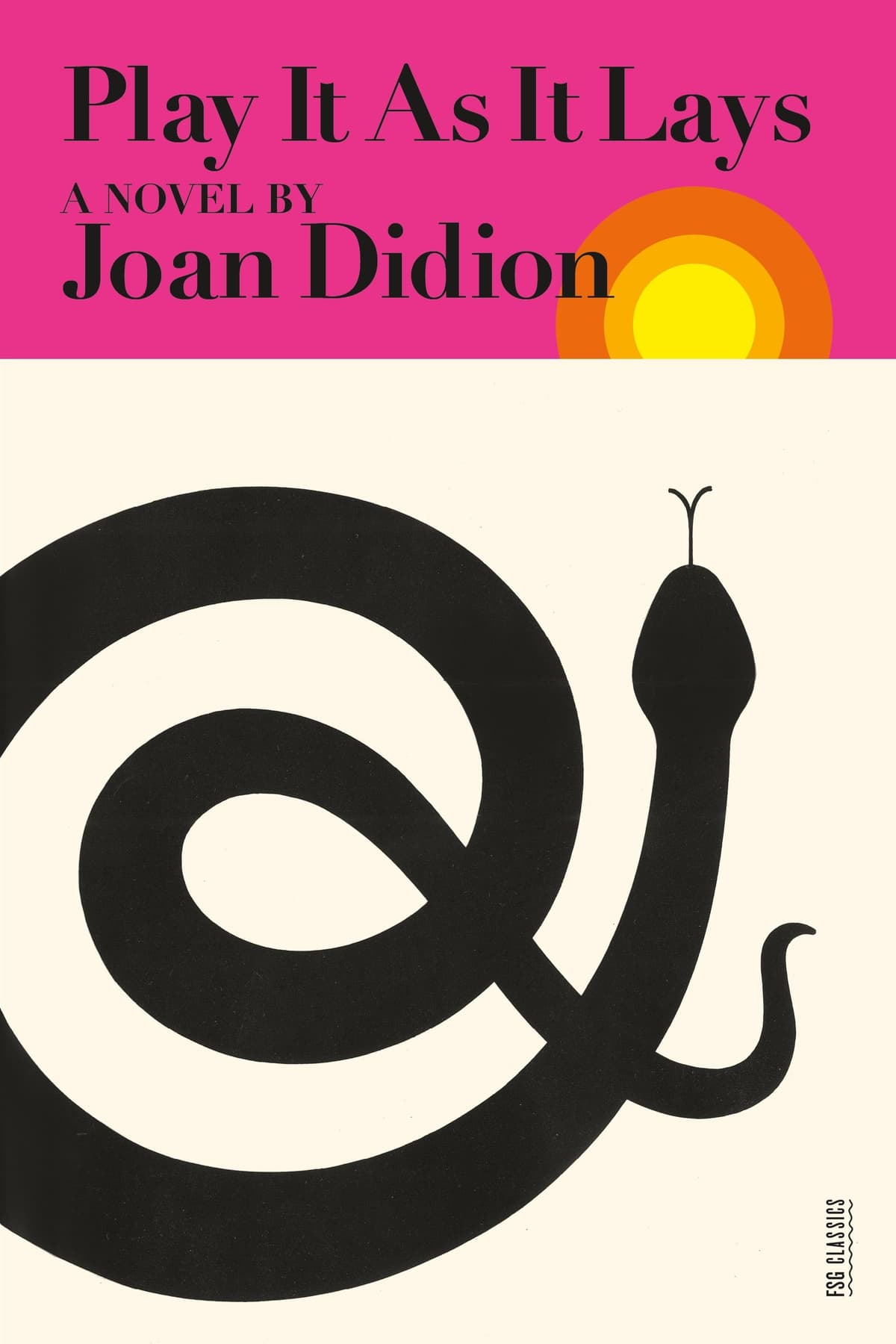
Petrarch's Songbook
“It was the day when the sun's rays turned pale with grief for his Maker when I was taken, and I put up no fight against it, my lady, for your lovely eyes had bound me.”
Petrarch's Songbook Summary
Petrarch's Songbook, the Canzoniere, is a collection of 366 poems, predominantly sonnets, that trace the arc of the poet's love for a woman named Laura. The sequence begins with Petrarch's first sight of Laura in a church in Avignon on April 6, 1327, Good Friday, and follows his obsessive, unrequited devotion through decades of longing, self-examination, and poetic refinement. Laura is at once a real woman and an idealized figure, her beauty and virtue serving as both inspiration and torment. The collection is divided into two parts: poems written during Laura's lifetime and poems written after her death, probably from plague in 1348. In the first half, Petrarch wrestles with the contradictions of earthly desire and spiritual aspiration, his love for Laura pulling him toward the world even as his conscience urges him toward God. In the second half, grief transforms desire into elegy, and Laura becomes a spiritual guide who beckons the poet toward heaven. The final poem is a prayer to the Virgin Mary, a renunciation of earthly love that nonetheless cannot undo the three hundred and sixty-five poems of passionate devotion that precede it.
The Canzoniere is one of the most influential works in the history of Western literature, the fountainhead from which the entire European love lyric tradition flows. Petrarch's innovation was not merely thematic but formal: he perfected the Italian sonnet as a vehicle for psychological exploration, creating a model that would be imitated by poets from Ronsard to Shakespeare to Neruda. His language of love, the blazon of the beloved's features, the antitheses of fire and ice, hope and despair, became the common currency of lyric poetry for centuries. Yet what elevates the Canzoniere beyond convention is its extraordinary self-awareness. Petrarch is the first modern poet in the sense that he constantly examines his own motives, recognizes the narcissism within his devotion, and understands that the Laura of his poems is as much a creation of his imagination as a reflection of any living woman.
Why Read Petrarch's Songbook?
If you have ever read a love sonnet in any European language, you have read a descendant of Petrarch. The Canzoniere is the original, the source code of the Western love lyric, and encountering it is like hearing a familiar melody played for the first time on its native instrument. Petrarch's sonnets are technically dazzling, emotionally immediate, and psychologically penetrating in ways that no summary or imitation can capture. His Laura is the prototype for every idealized beloved in Western poetry, and yet Petrarch himself is far more interesting than the tradition he spawned, because he sees through his own idealization even as he cannot stop performing it.
You do not need to read all 366 poems to feel the power of this collection, though many readers find themselves drawn deeper than they expected. What you will discover is a voice that is unmistakably modern in its self-consciousness, its awareness of time's passage, and its understanding that love and art are intertwined in ways that are as troubling as they are beautiful. The Canzoniere rewards you not only with some of the most musical verse ever written but with an encounter with the origins of literary subjectivity itself. To read Petrarch is to understand where the modern lyric self was born.
About Francesco Petrarca
Francesco Petrarca was born in Arezzo, Italy, in 1304, the son of a Florentine notary exiled by the same political faction that had banished Dante. He grew up in Avignon, where the papal court had relocated, studied law at Montpellier and Bologna at his father's insistence, and abandoned it upon his father's death to pursue literature and classical scholarship. On April 6, 1327, he first saw the woman he called Laura in the Church of Sainte-Claire in Avignon, an encounter that would shape his poetry for the rest of his life. Petrarch took minor clerical orders, which provided him with income and freedom to travel, and he became the most celebrated intellectual in Europe, crowned poet laureate in Rome in 1341.
Petrarch is often called the father of Renaissance humanism and the first modern poet. His passionate recovery of classical Latin manuscripts helped ignite the Renaissance, and his Latin works, including the epic Africa and the introspective Secretum, were enormously influential. But it is the Canzoniere, written in Italian, that secured his immortality. The Petrarchan sonnet form and the conventions of Petrarchan love poetry dominated European literature for three centuries, influencing Wyatt, Surrey, Sidney, Spenser, Shakespeare, and countless others. Petrarch died in 1374 in Arqua, reportedly found slumped over a manuscript of Virgil, a fitting end for the man who bridged the medieval and modern worlds.
Reading Guide
Ranked #446 among the greatest books of all time, Petrarch's Songbook by Francesco Petrarca has earned its place in the literary canon. Originally written in Italian and published in 1341, this challenging read from Italy continues to resonate with readers today.
This book belongs to our Love & Loss collection, where you can discover more books that share its spirit and themes.
If you enjoy challenging reads like this one, you might also like Ulysses, Moby-Dick, or Lolita.
From the Love & Loss Collection
If you enjoyed Petrarch's Songbook, discover more masterpieces that share its spirit.
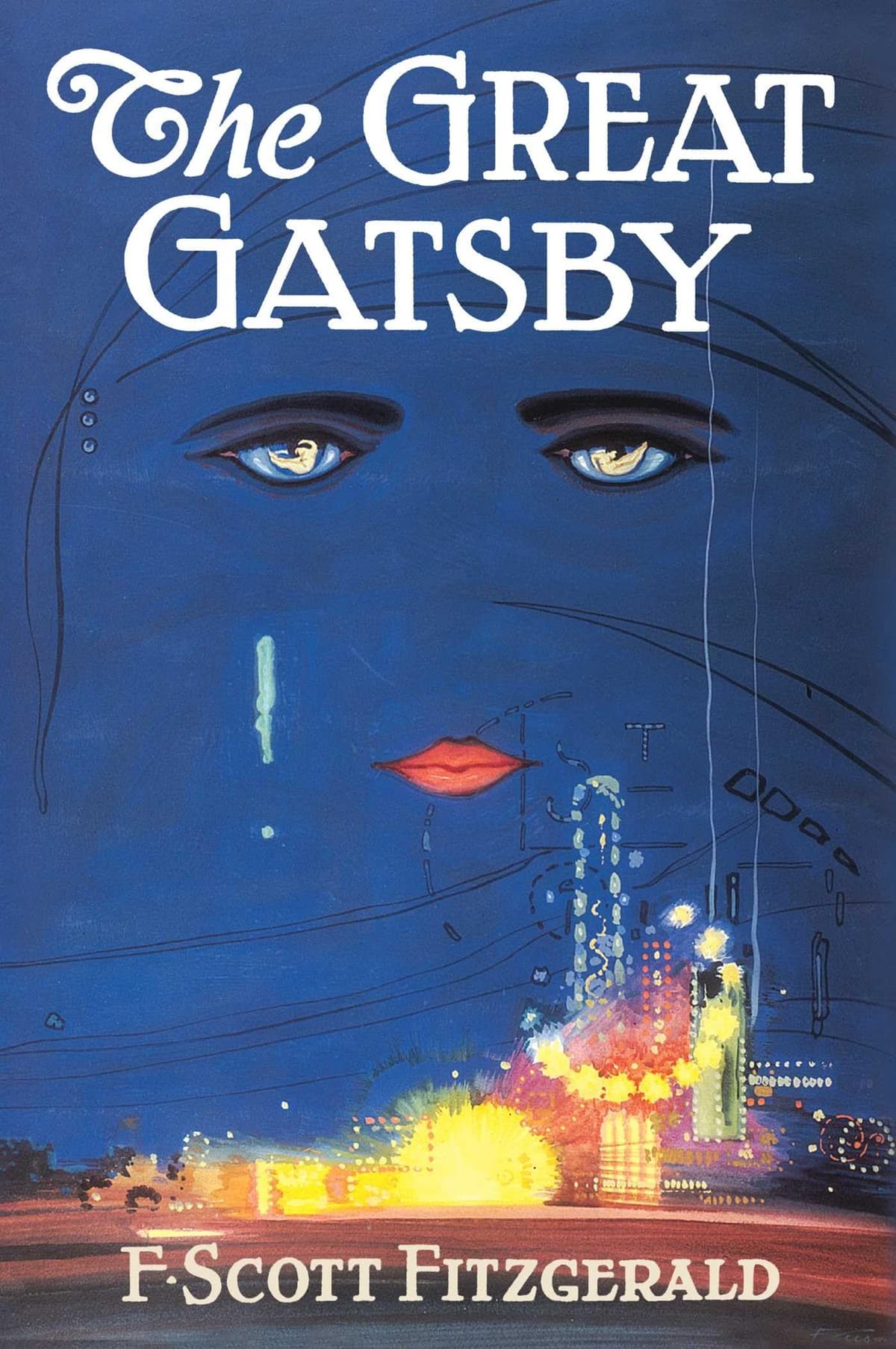 #3View Book
The Great Gatsby
F. Scott Fitzgerald
Accessible•5-6 hours #10View Book
Anna Karenina
Leo Tolstoy
High•30-35 hours #12View Book
Pride and Prejudice
Jane Austen
Accessible•10-12 hours #15View Book
Wuthering Heights
Emily Brontë
Moderate•10-12 hours
Browse more collections