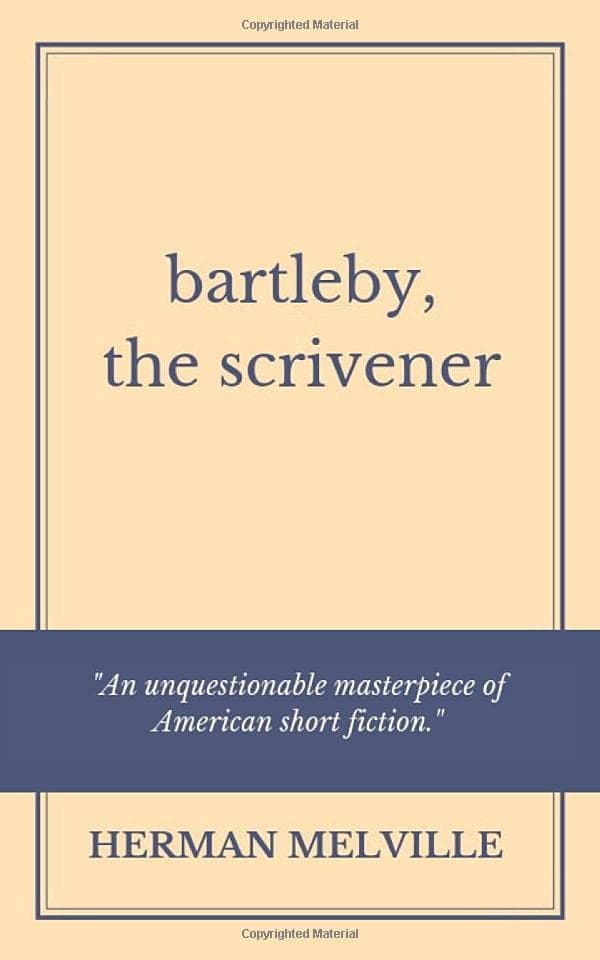
Bartleby the Scrivener
“I would prefer not to.”
Bartleby the Scrivener Summary
On a quiet street in the Wall Street district of old New York, a prosperous, amiable lawyer hires a new scrivener, a copyist, to join his small office staff. The man called Bartleby is initially a model of industry, copying documents with silent, mechanical efficiency. Then, one day, when asked to help proofread a document, Bartleby responds with a phrase that reverberates far beyond the confines of the story: he would prefer not to. This mild, implacable refusal spreads like a contagion through Bartleby's existence. He prefers not to proofread, prefers not to run errands, prefers not to leave the office, and eventually prefers not to copy at all, standing motionless at his window staring at a blank brick wall. The narrator, a man of comfortable habits and easy conscience, is baffled, irritated, moved to pity, and finally haunted by this enigmatic figure whose passive resistance defeats every strategy of reason, charity, authority, and social convention. Unable to remove Bartleby, the narrator moves his own offices, only to learn that Bartleby has been forcibly taken to the Tombs, where he starves to death, preferring not to eat.
Herman Melville's short masterpiece, published two years after the commercial failure of Moby-Dick nearly destroyed his career, is one of the most interpreted and inexhaustible stories in American literature. Bartleby has been read as a portrait of depression, a parable of capitalism, a critique of charity, a study of passive resistance, an allegory of the writer's condition, and a forerunner of existentialist and absurdist fiction. The narrator's voice, reasonable, self-justifying, and subtly unreliable, is itself a remarkable literary creation. What endures is the story's uncanny power to disturb, its depiction of a refusal so total and so quiet that it exposes the foundations upon which all social order rests.
Why Read Bartleby the Scrivener?
Bartleby the Scrivener contains one of the most famous sentences in all of literature, and once you encounter it, you will never be free of it. Melville's quiet, devastating story has the strange property of seeming to mean more each time you return to it. Bartleby's refusal, so gentle and so absolute, functions like a philosophical depth charge: it detonates beneath every assumption you hold about work, obligation, charity, freedom, and the social contract. The story is very short, easily read in a single sitting, and yet it opens onto questions that entire libraries of philosophy have failed to exhaust.
What makes this story so enduring is its refusal to explain itself. Melville gives you no psychological backstory, no diagnosis, no redemption arc. Bartleby simply prefers not to, and that preference, quiet as a whisper, is enough to crack the foundations of the narrator's world and, if you let it, your own. If you have ever felt the absurdity of the modern workplace, the inadequacy of conventional kindness, or the terrifying freedom of saying no, this story will speak to you with an intimacy that belies its age. It is one of the essential texts of American literature, and it takes less than an hour to read.
About Herman Melville
Herman Melville was born in 1819 in New York City into a family of declining fortunes. After his father's death and bankruptcy, Melville worked as a bank clerk, a farmhand, and a teacher before going to sea at the age of twenty, an experience that would provide the material for nearly all his fiction. His early novels, Typee and Omoo, drawn from his adventures in the South Seas, brought him considerable fame, but his increasingly ambitious and unconventional works alienated his audience.
Moby-Dick, published in 1851 and now considered one of the greatest novels ever written, was a commercial and critical disaster that effectively ended Melville's career as a popular novelist. He continued to write, producing the brilliant but neglected Pierre, The Confidence-Man, and the short fiction collected in The Piazza Tales, which includes Bartleby the Scrivener and Benito Cereno. He spent his final decades working as a customs inspector on the New York docks, virtually forgotten by the literary world. Billy Budd, his final masterpiece, was found in manuscript after his death in 1891. The Melville Revival of the 1920s restored him to his rightful place as one of the towering figures of American and world literature.
Reading Guide
Ranked #445 among the greatest books of all time, Bartleby the Scrivener by Herman Melville has earned its place in the literary canon. Originally written in English and published in 1853, this accessible read from United States continues to resonate with readers today.
This book belongs to our American Spirit and Philosophy & Faith collections, where you can discover more books that share its spirit and themes.
If you enjoy accessible reads like this one, you might also like The Great Gatsby, The Catcher in the Rye, or Pride and Prejudice.
From the American Spirit Collection
If you enjoyed Bartleby the Scrivener, discover more masterpieces that share its spirit.
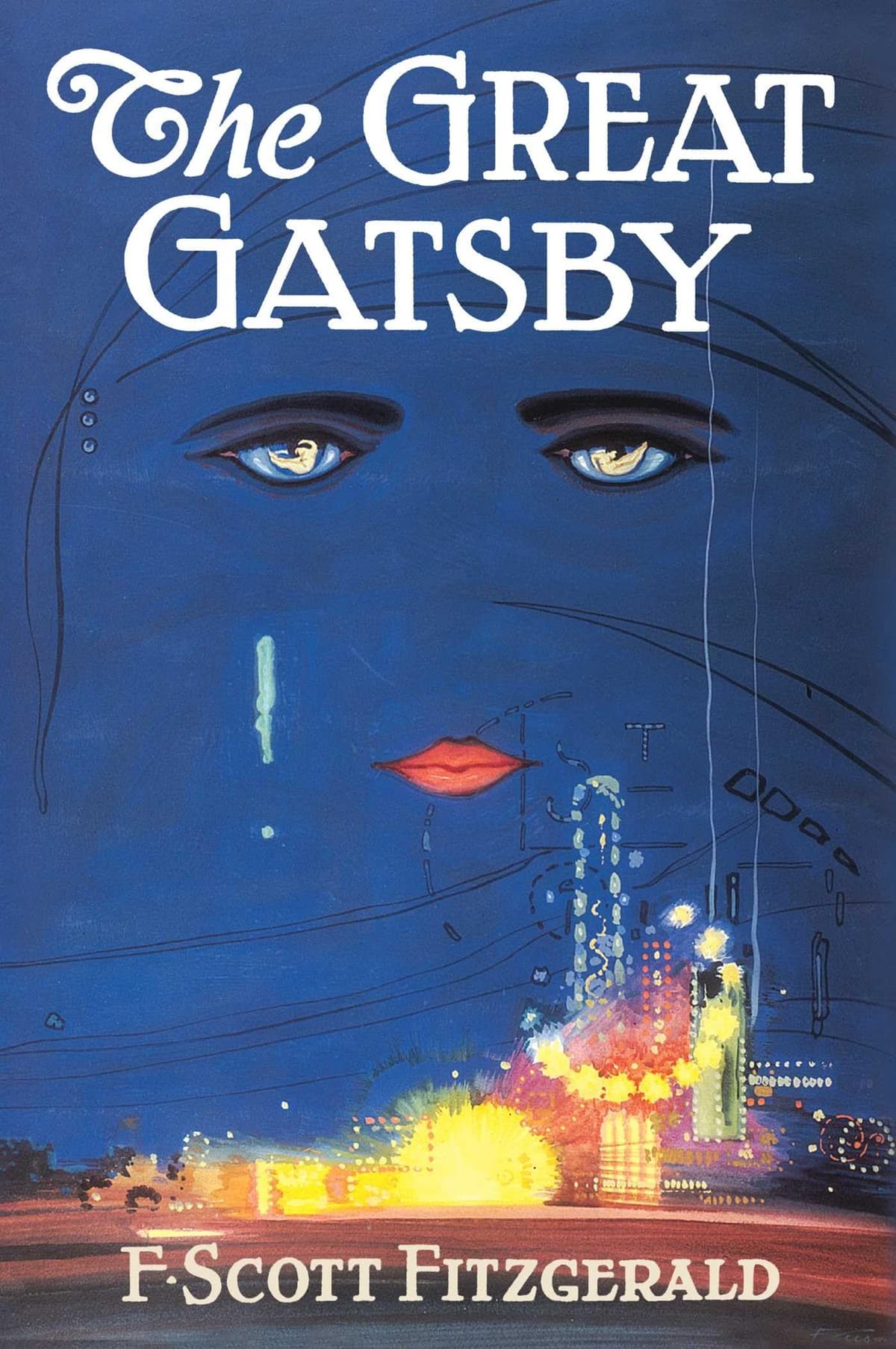 #3View Book
The Great Gatsby
F. Scott Fitzgerald
Accessible•5-6 hours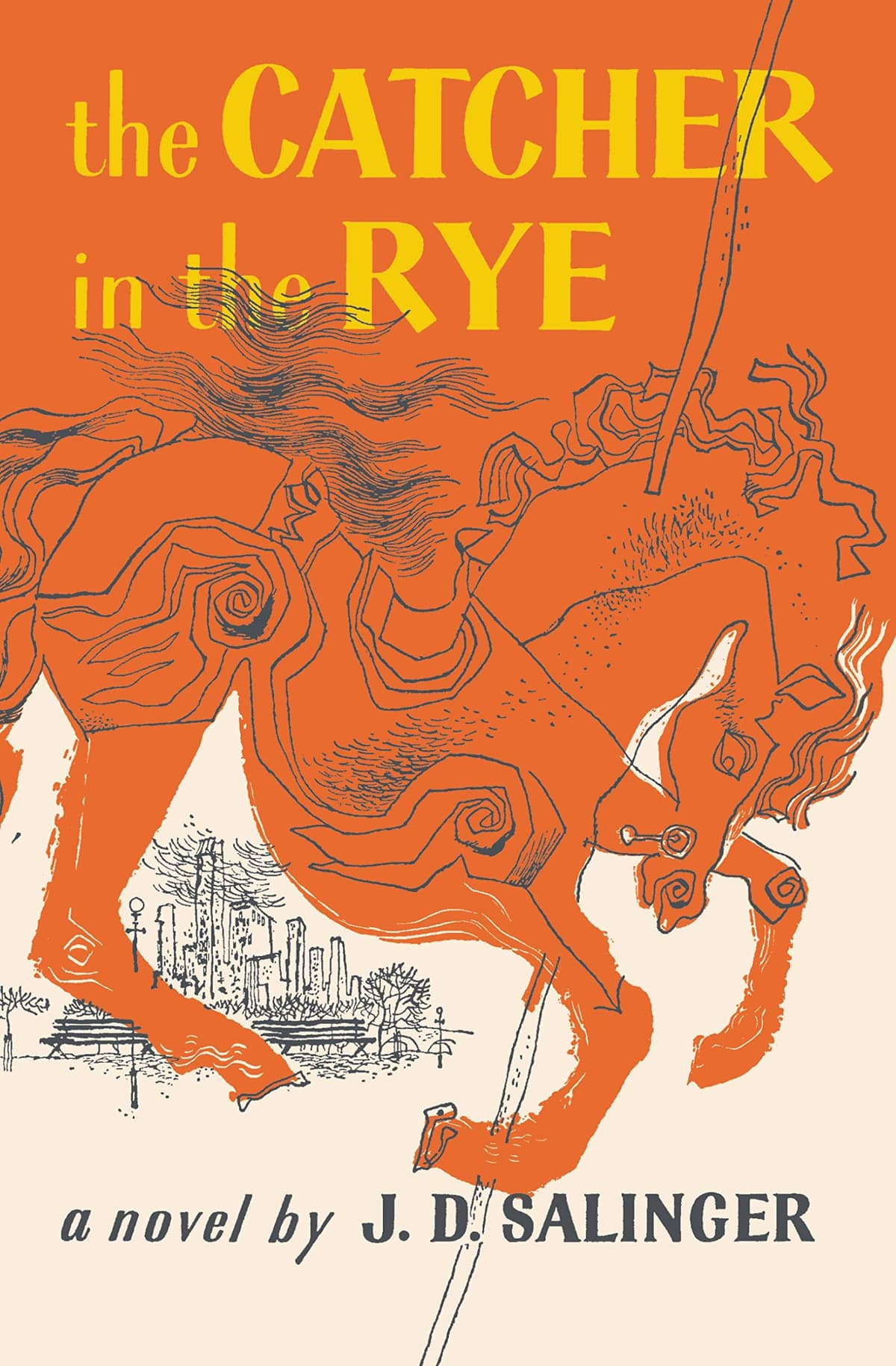 #4View Book
The Catcher in the Rye
J. D. Salinger
Accessible•6-8 hours #13View Book
Lolita
Vladimir Nabokov
Challenging•12-15 hours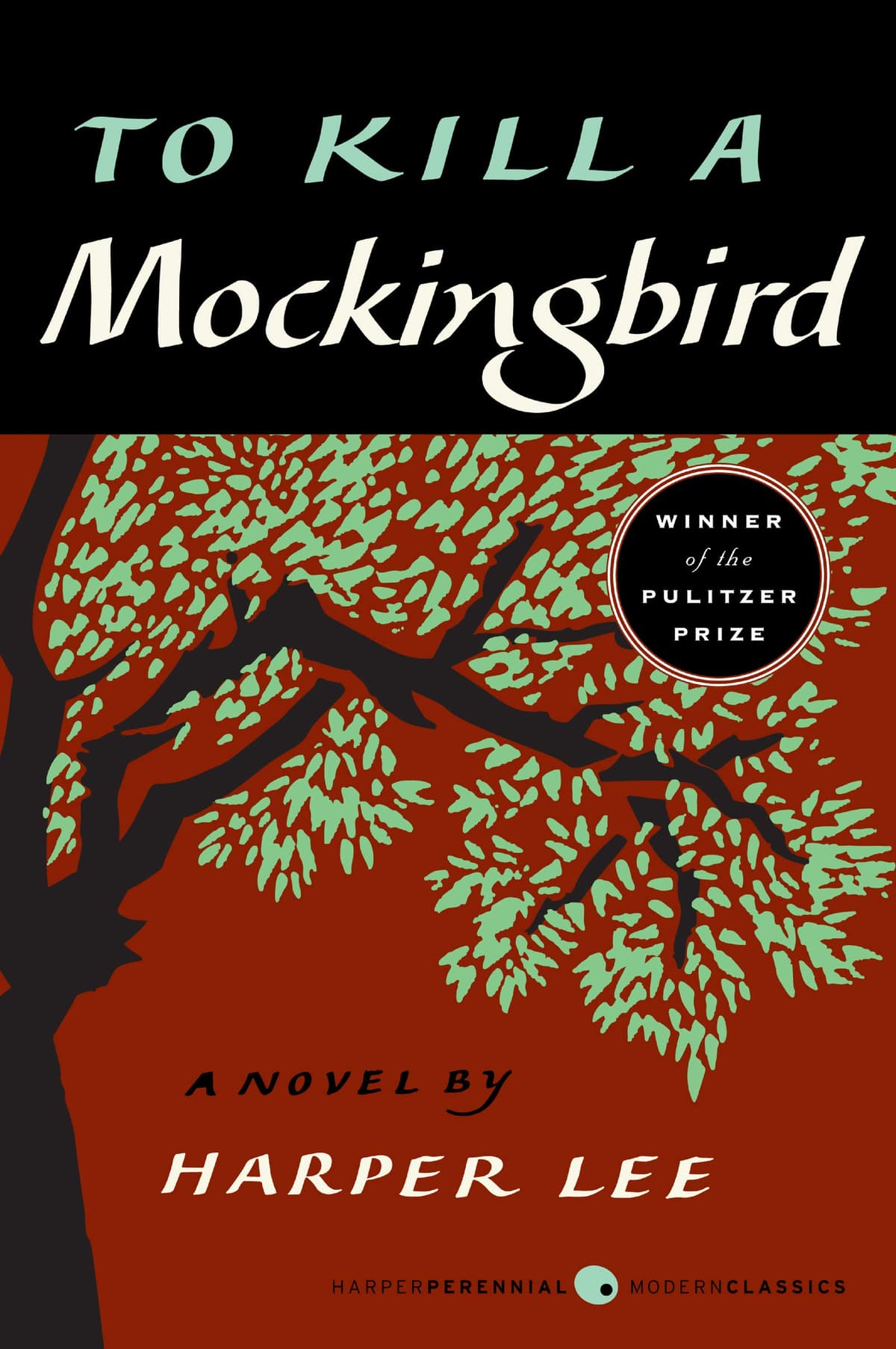 #17View Book
To Kill a Mockingbird
Harper Lee
Accessible•8-10 hours
Browse more collections