Tess of the d'Urbervilles

“Justice was done, and the President of the Immortals, in Aeschylean phrase, had ended his sport with Tess.”
Tess of the d'Urbervilles Summary
Tess Durbeyfield is a poor country girl in Victorian Wessex whose family discovers they are descended from the ancient d'Urberville line. Sent to claim kinship with a wealthy branch of the family, she falls prey to the predatory Alec d'Urberville, and a single act of violence marks her for life. When she later finds genuine love with the idealistic Angel Clare, she dares to hope—but the past will not release its grip, and the society that ruined her demands she pay for the crime of being ruined.
Hardy subtitled this novel 'A Pure Woman Faithfully Presented,' and the provocation was deliberate. In a Victorian culture that condemned fallen women without questioning the men who felled them, Hardy created a heroine of astonishing dignity and tenderness, then forced his readers to watch as every institution—family, church, law, and love itself—conspires to destroy her. The Wessex landscape is as much a character as Tess herself, its seasons mirroring her journey from innocence through suffering to a terrible, defiant end.
Why Read Tess of the d'Urbervilles?
Few novels have ever made the case for human compassion with such devastating power. Hardy wrote Tess as a direct assault on the moral smugness of his age—the idea that a woman who has been wronged is somehow impure while the man who wronged her walks free. The novel scandalized Victorian England, and its fury has not dimmed. Every page vibrates with Hardy's rage at a universe that seems designed to punish goodness.
But Tess herself transcends the argument. She is not a symbol or a case study—she is a living, breathing woman of extraordinary resilience, and Hardy's portrayal of her inner life is so tender and precise that you feel every blow she absorbs. Tess of the d'Urbervilles will break your heart, and it should. It is a novel that insists we look at the cruelty we permit in the name of respectability.
About Thomas Hardy
Thomas Hardy (1840–1928) was born in the rural Dorset that would become the fictional Wessex of his novels. Trained as an architect, he turned to writing and produced a string of masterpieces—Far from the Madding Crowd, The Return of the Native, The Mayor of Casterbridge, Tess, and Jude the Obscure—that mapped the collision between traditional rural life and the forces of modernity.
The hostile reception of Jude the Obscure in 1895 drove Hardy from fiction entirely. He spent his remaining three decades writing poetry, and many critics consider his verse his finest achievement. But it is the Wessex novels—with their tragic vision, their deep attachment to landscape, and their unflinching portrayal of human suffering—that secured his place among the greatest English novelists.
Reading Guide
Ranked #117 among the greatest books of all time, Tess of the d'Urbervilles by Thomas Hardy has earned its place in the literary canon. Originally written in English and published in 1891, this moderate read from United Kingdom continues to resonate with readers today.
This book belongs to our Love & Loss and Society & Satire collections, where you can discover more books that share its spirit and themes.
If you enjoy moderate reads like this one, you might also like One Hundred Years of Solitude, Nineteen Eighty-Four, or Wuthering Heights.
From the Love & Loss Collection
If you enjoyed Tess of the d'Urbervilles, discover more masterpieces that share its spirit.
 #3View Book
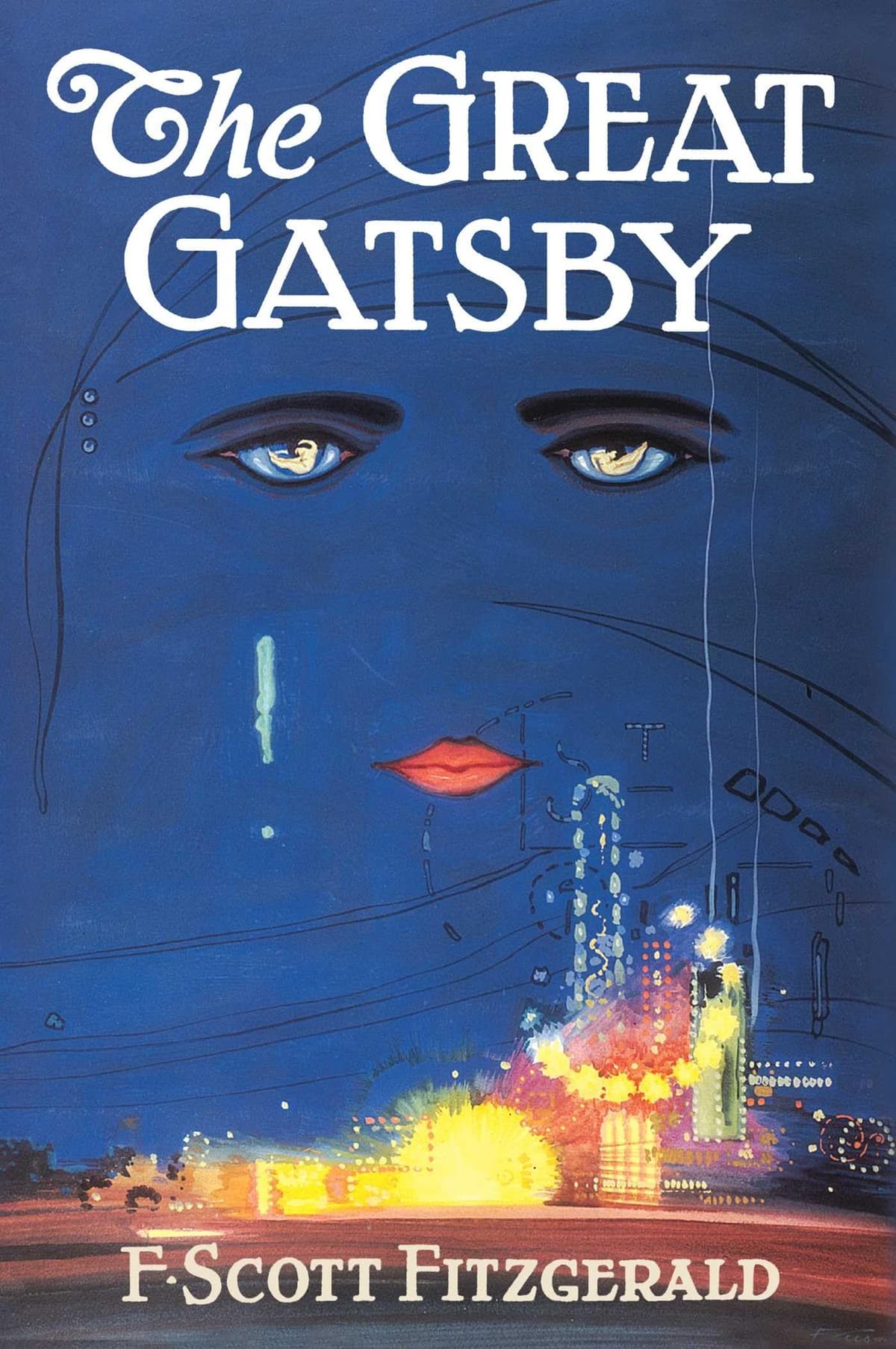
The Great Gatsby
F. Scott Fitzgerald
Accessible•5-6 hours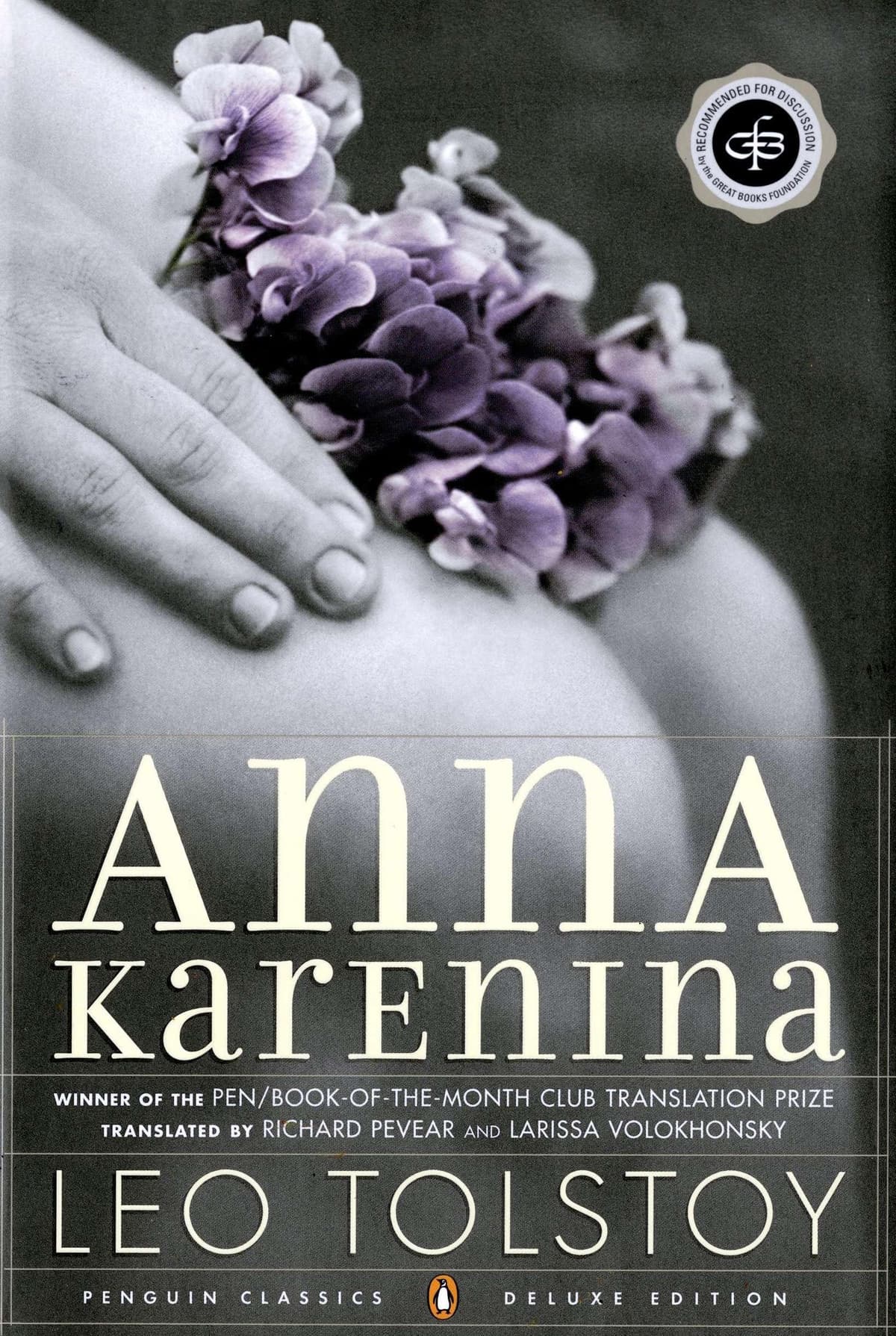 #10View Book
Anna Karenina
Leo Tolstoy
High•30-35 hours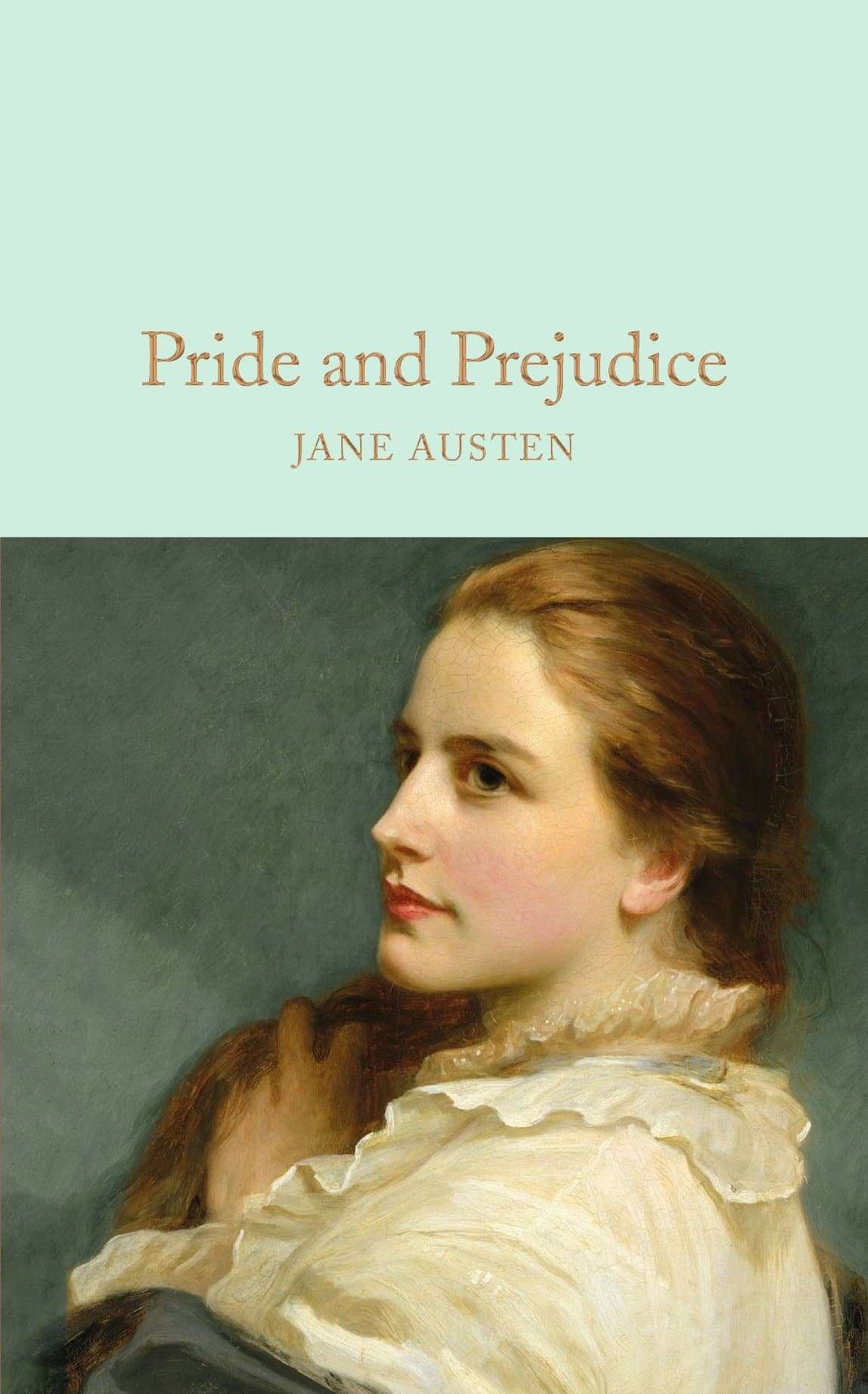 #12View Book
Pride and Prejudice
Jane Austen
Accessible•10-12 hours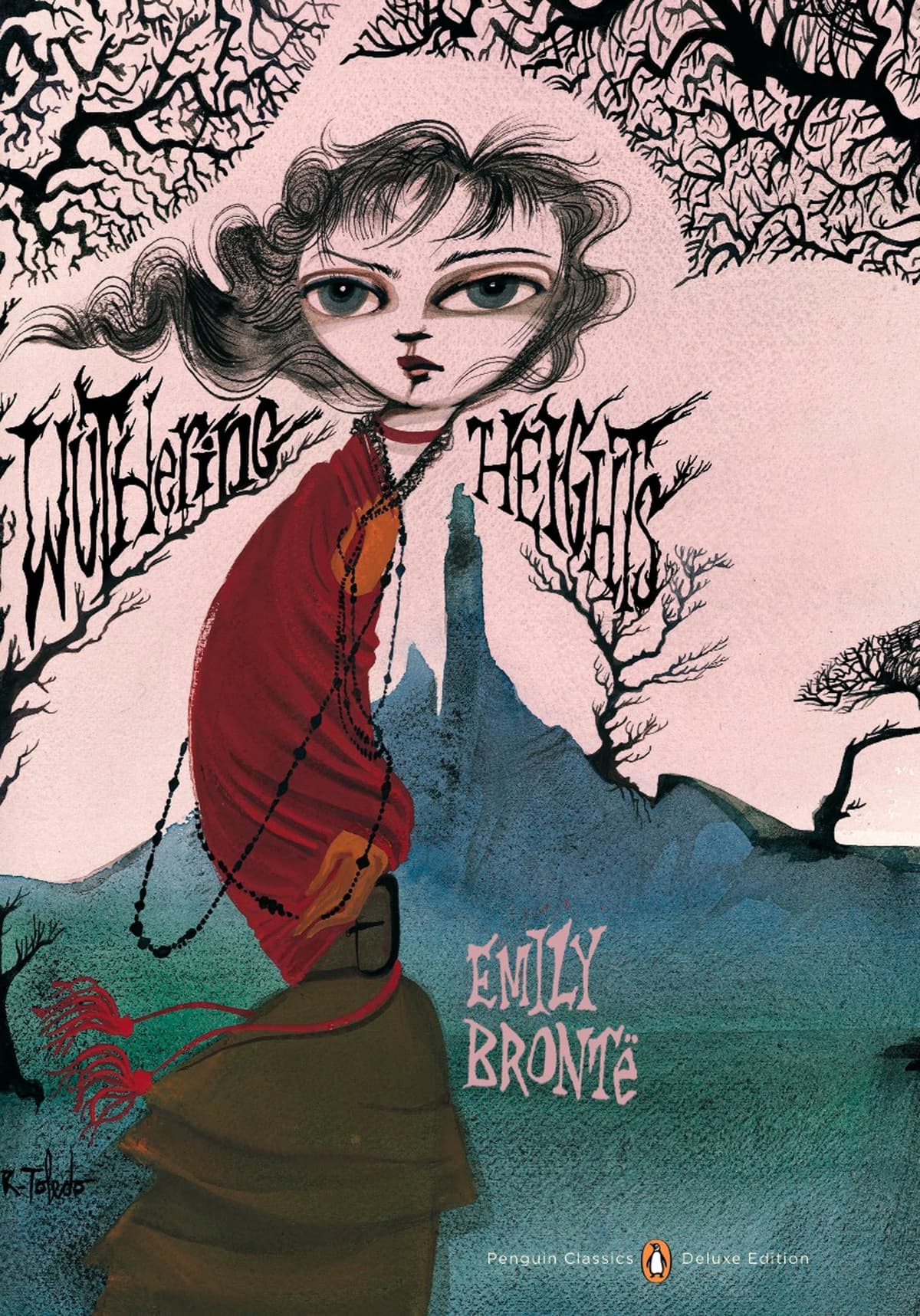 #15View Book
Wuthering Heights
Emily Brontë
Moderate•10-12 hours
Browse more collections