The Big Sleep
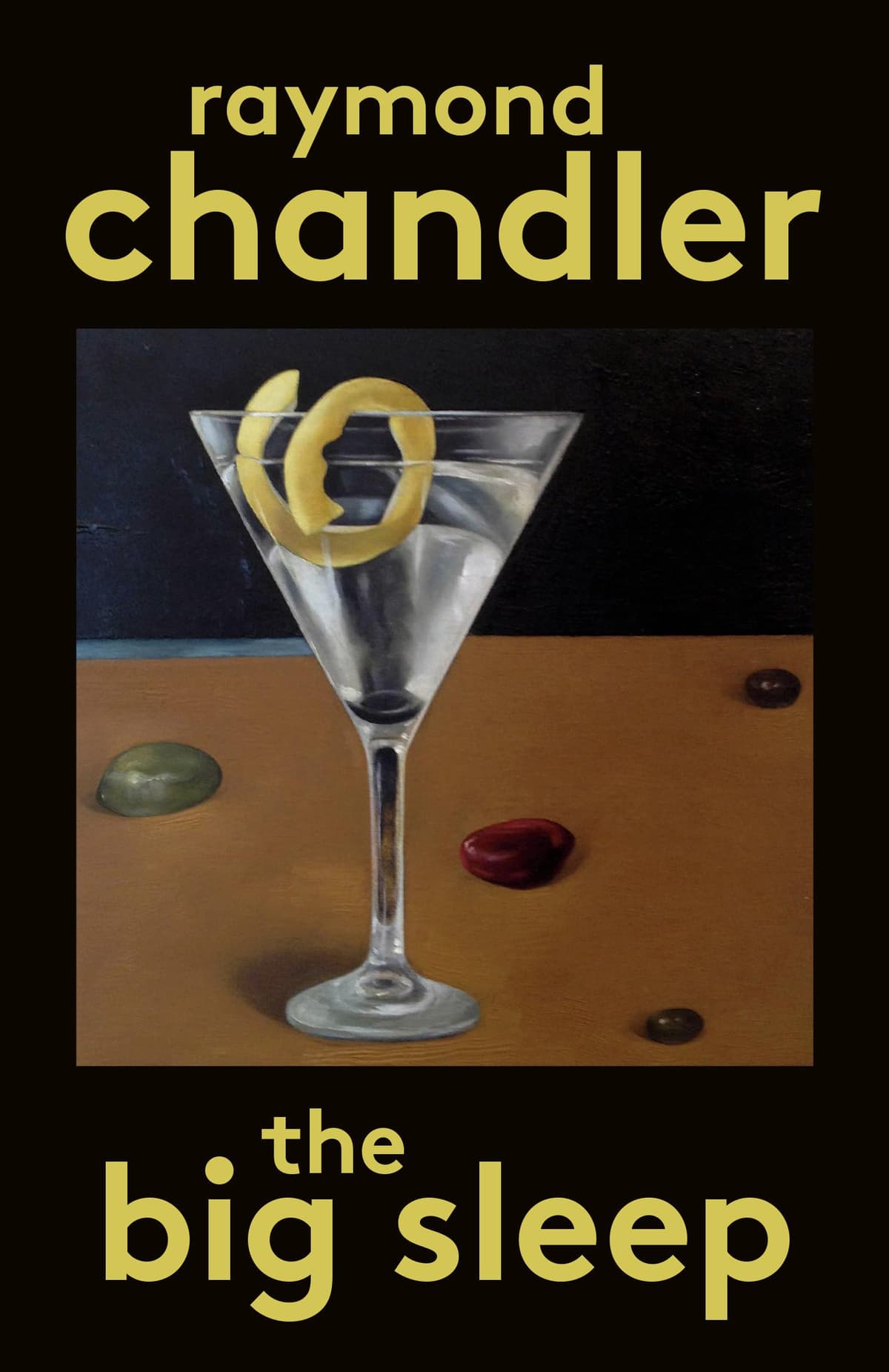
“It was a blonde. A blonde to make a bishop kick a hole in a stained-glass window.”
The Big Sleep Summary
Philip Marlowe, private detective, is summoned to the decaying mansion of General Sternwood, a dying millionaire with two wild daughters and a blackmailer at his door. What begins as a simple case of extortion spirals into a labyrinth of pornography, gambling debts, disappearances, and murder in the rain-slicked streets of 1930s Los Angeles. Bodies accumulate, loyalties shift, and Marlowe navigates a city where wealth rots everything it touches.
Chandler's debut novel is less a whodunit than a plunge into moral atmosphere. The plot is famously tangled—even Chandler admitted he didn't know who killed one of the victims—but it hardly matters. What matters is the voice: wry, wounded, unflinching, and utterly original. Marlowe walks through a world of corruption and comes out the other side bruised but unbroken, the last honest man in a dishonest town.
Why Read The Big Sleep?
The Big Sleep did not invent the detective novel, but it reinvented the detective. Before Chandler, fictional investigators were cerebral puzzle-solvers in drawing rooms. Marlowe is something else entirely: a tarnished knight in a trench coat, walking the mean streets with a code of honor that the world does not deserve. Chandler's prose—sharp, lyrical, drenched in metaphor—elevated crime fiction into literature and gave American English some of its most quotable sentences.
But beneath the wisecracks and the gunplay, this is a novel about loneliness and integrity. Marlowe takes on the Sternwood case not for the money but because he is compelled by some private sense of justice that he cannot fully articulate. In a city built on exploitation and pretense, his stubborn decency is both his armor and his curse. To read The Big Sleep is to fall in love with a voice you will never forget.
About Raymond Chandler
Raymond Chandler (1888–1959) came to detective fiction late, publishing his first novel at age fifty-one after losing his job as an oil executive during the Depression. Born in Chicago and educated in England, he brought a transatlantic literary sensibility to the American pulp tradition, transforming it into something far more ambitious.
His seven Philip Marlowe novels—particularly The Big Sleep, Farewell, My Lovely, and The Long Goodbye—redefined the genre and influenced everything from film noir to modern crime fiction. Chandler's essay 'The Simple Art of Murder' remains the definitive manifesto for literary crime writing. He gave Los Angeles its mythology and gave the English language a new way to describe a corrupt world with beauty.
Reading Guide
Ranked #116 among the greatest books of all time, The Big Sleep by Raymond Chandler has earned its place in the literary canon. Originally written in English and published in 1939, this accessible read from United States continues to resonate with readers today.
This book belongs to our American Spirit and Gothic & Dark collections, where you can discover more books that share its spirit and themes.
If you enjoy accessible reads like this one, you might also like The Great Gatsby, The Catcher in the Rye, or Pride and Prejudice.
From the American Spirit Collection
If you enjoyed The Big Sleep, discover more masterpieces that share its spirit.
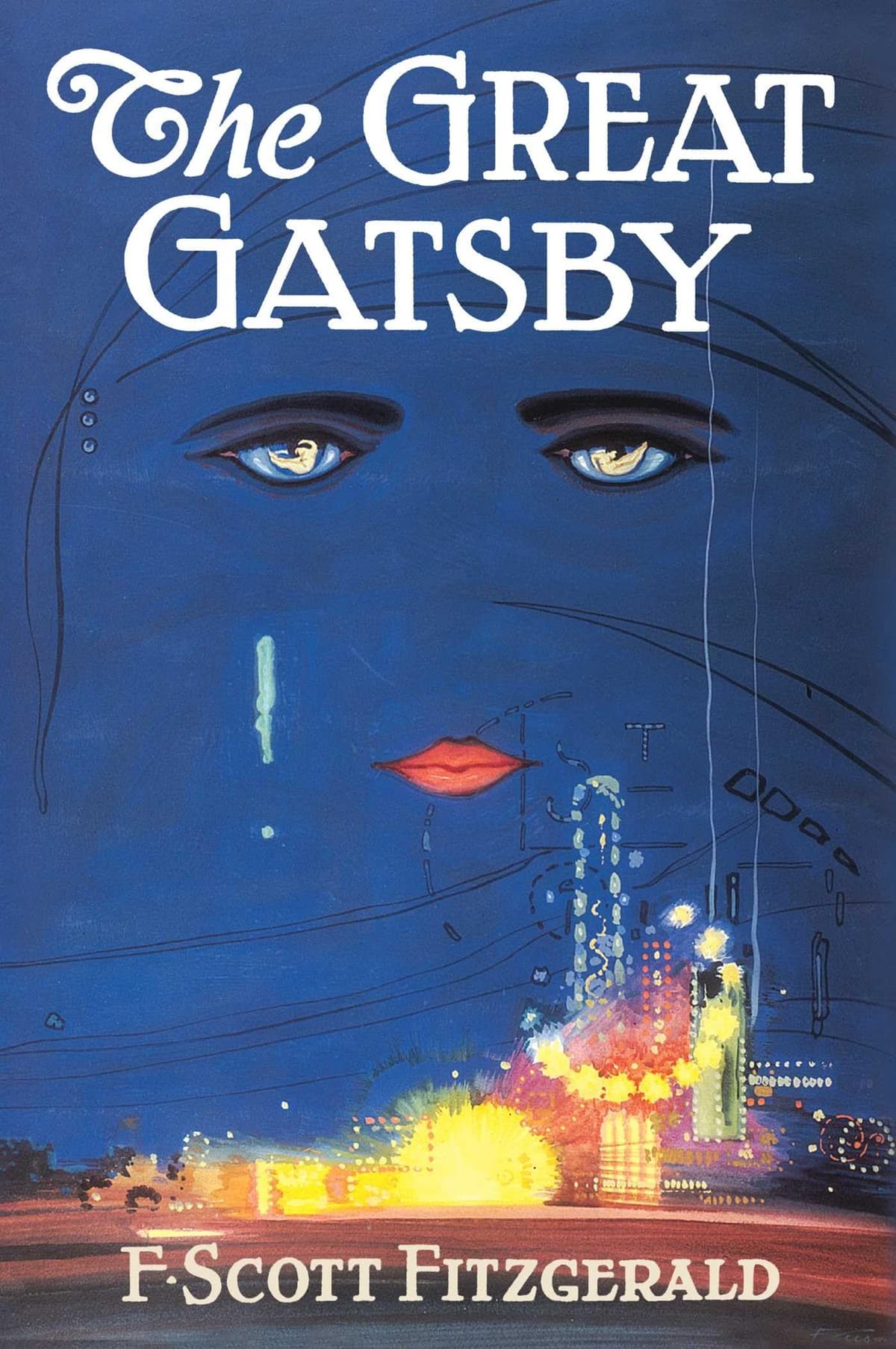 #3View Book
The Great Gatsby
F. Scott Fitzgerald
Accessible•5-6 hours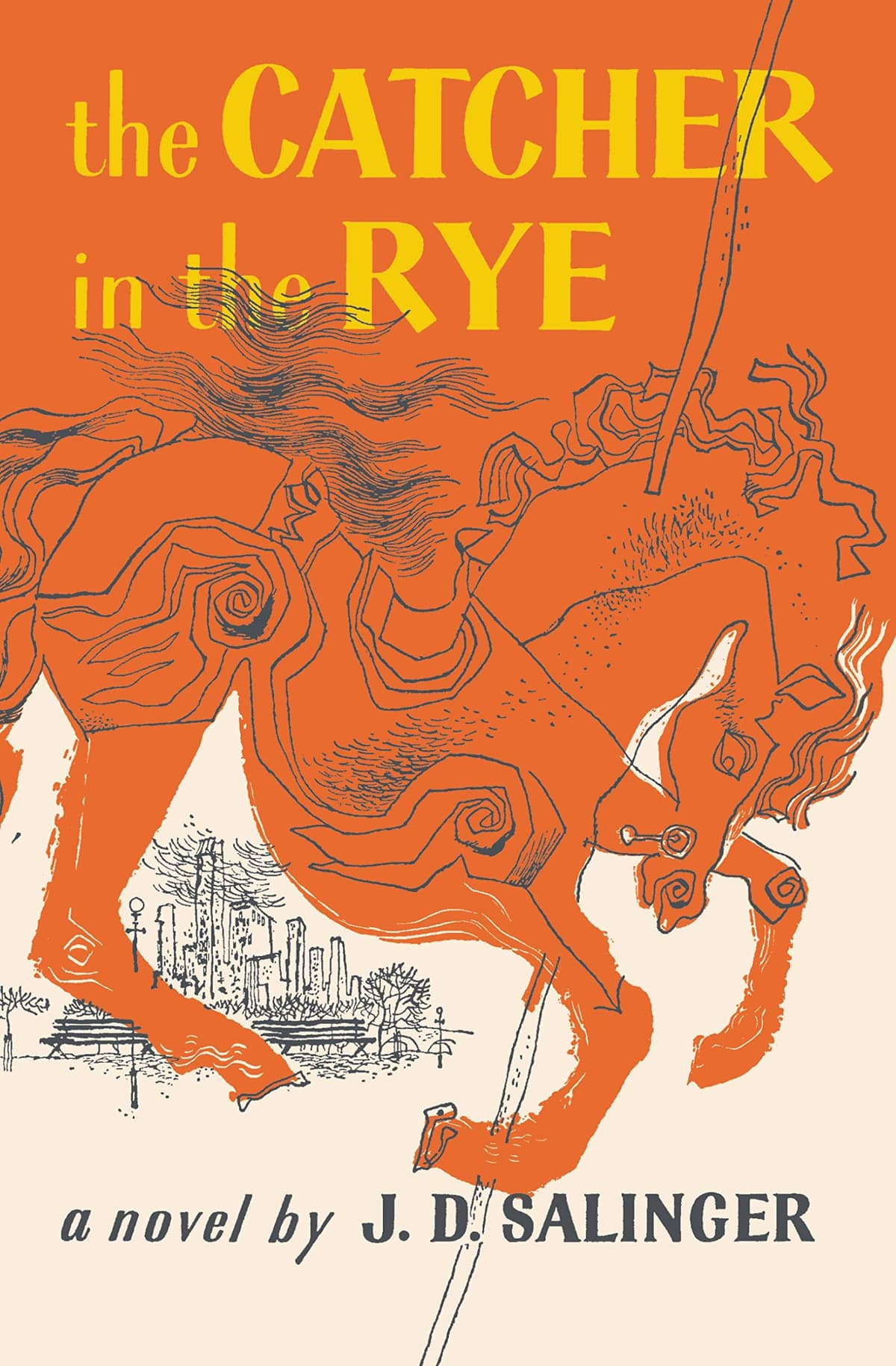 #4View Book
The Catcher in the Rye
J. D. Salinger
Accessible•6-8 hours #13View Book
Lolita
Vladimir Nabokov
Challenging•12-15 hours #17View Book
To Kill a Mockingbird
Harper Lee
Accessible•8-10 hours
Browse more collections