The World According to Garp
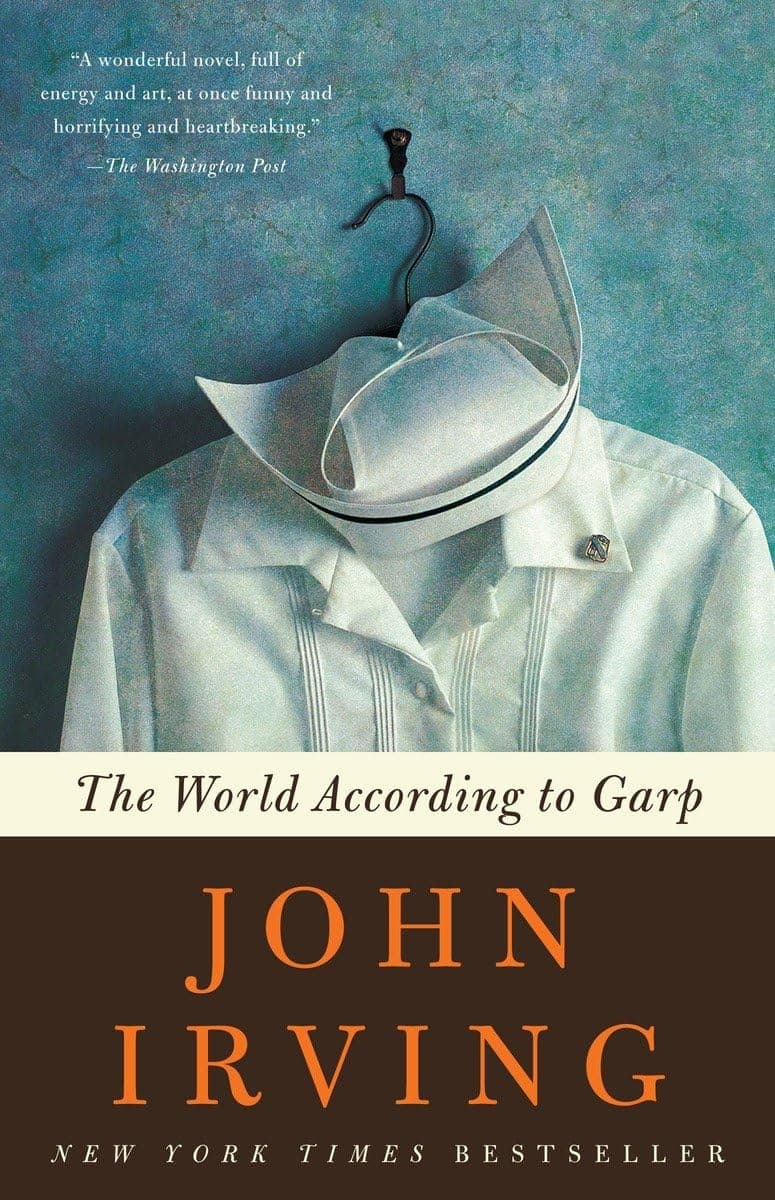
“In the world according to Garp, we are all terminal cases.”
The World According to Garp Summary
T. S. Garp is the illegitimate son of Jenny Fields, an upper-class New England nurse who wanted a child but not a husband, and who conceived Garp in a hospital encounter with a brain-damaged ball-turret gunner. From this improbable beginning, the novel unfolds the entirety of Garp's life: his childhood in the wrestling rooms and infirmary of the Steering School, where his mother works as a nurse; his first trip to Vienna, where he begins writing fiction and falls in love with Helen Holm, the wrestling coach's daughter; their marriage, his growing career as a novelist, and the raising of their two sons, Duncan and Walt. Meanwhile, Jenny Fields publishes a feminist autobiography that makes her a cultural icon and a target, and Garp's world becomes increasingly shadowed by violence—car accidents, assassinations, mutilations—that Irving renders with equal measures of tenderness and grotesque comedy. The novel is populated by an unforgettable cast: Roberta Muldoon, a transsexual former football player; the Ellen Jamesians, a group of women who cut out their tongues in solidarity with a rape victim; and the Under Toad, Walt's childhood misunderstanding of undertow that becomes the novel's haunting metaphor for lurking catastrophe.
John Irving's breakthrough novel is a vast, exuberant, deeply compassionate exploration of how we survive in a world bent on destroying us. It is a novel about writing and marriage, about parenthood and fear, about feminism and violence and the stories we tell to make sense of the chaos. Irving's narrative style—combining Dickensian scope with slapstick comedy and sudden, devastating tragedy—creates a reading experience that is both wildly entertaining and profoundly moving. The World According to Garp insists that the proper response to the world's dangers is not retreat but fierce, loving engagement, and that laughter and grief are not opposites but companions.
Why Read The World According to Garp?
The World According to Garp is one of those novels that contains entire lifetimes within its pages. Irving gives you the full sweep of a man's existence—from conception to death—with such generous detail and emotional investment that Garp's joys and terrors become indistinguishable from your own. The novel makes you laugh out loud and then, sometimes in the same paragraph, breaks your heart. Irving's genius is for the scene that is simultaneously absurd and devastating: a car accident that is also a marital catastrophe, a wrestling match that is also a lesson in how to hold on. No other American novelist of his generation combined comedy and tragedy with such fearless abandon.
But Garp is more than entertainment. It is a profound meditation on the vulnerability of the people we love and the inadequacy of our efforts to protect them. The Under Toad—that invisible force of catastrophe lurking beneath every happy moment—becomes a metaphor you will never forget. Irving also writes about writing itself with infectious passion, embedding Garp's own fiction within the novel in ways that illuminate the compulsion to turn life's chaos into story. If you want a novel that will make you feel everything—laughter, terror, grief, wonder—and that will leave you more tender toward the fragile, dangerous world, this is it.
About John Irving
John Irving was born John Wallace Blunt Jr. in 1942 in Exeter, New Hampshire. He grew up in the shadow of Phillips Exeter Academy, where his stepfather taught, and where Irving himself attended school and discovered his twin passions for wrestling and writing. He studied at the University of Pittsburgh, the University of Vienna, and the University of New Hampshire, and received an MFA from the Iowa Writers' Workshop, where he studied under Kurt Vonnegut. His early novels, including Setting Free the Bears and The 158-Pound Marriage, attracted modest attention.
The World According to Garp, published in 1978, changed everything, becoming an international bestseller and establishing Irving as one of the most popular and distinctive American novelists of his time. He followed it with a series of ambitious, sprawling novels including The Hotel New Hampshire, The Cider House Rules (which he adapted into an Academy Award-winning screenplay), A Prayer for Owen Meany, and A Widow for One Year. Irving's fiction is characterized by its Dickensian plotting, its recurring obsessions with wrestling, Vienna, bears, and New England prep schools, and its insistence on the coexistence of the comic and the tragic. He is one of the few contemporary novelists to maintain both critical respect and enormous popular readership over the course of a career spanning more than five decades.
Reading Guide
Ranked #395 among the greatest books of all time, The World According to Garp by John Irving has earned its place in the literary canon. Originally written in English and published in 1978, this accessible read from United States continues to resonate with readers today.
This book belongs to our American Spirit and Love & Loss collections, where you can discover more books that share its spirit and themes.
If you enjoy accessible reads like this one, you might also like The Great Gatsby, The Catcher in the Rye, or Pride and Prejudice.
From the American Spirit Collection
If you enjoyed The World According to Garp, discover more masterpieces that share its spirit.
 #3View Book
The Great Gatsby
F. Scott Fitzgerald
Accessible•5-6 hours #4View Book
The Catcher in the Rye
J. D. Salinger
Accessible•6-8 hours #13View Book
Lolita
Vladimir Nabokov
Challenging•12-15 hours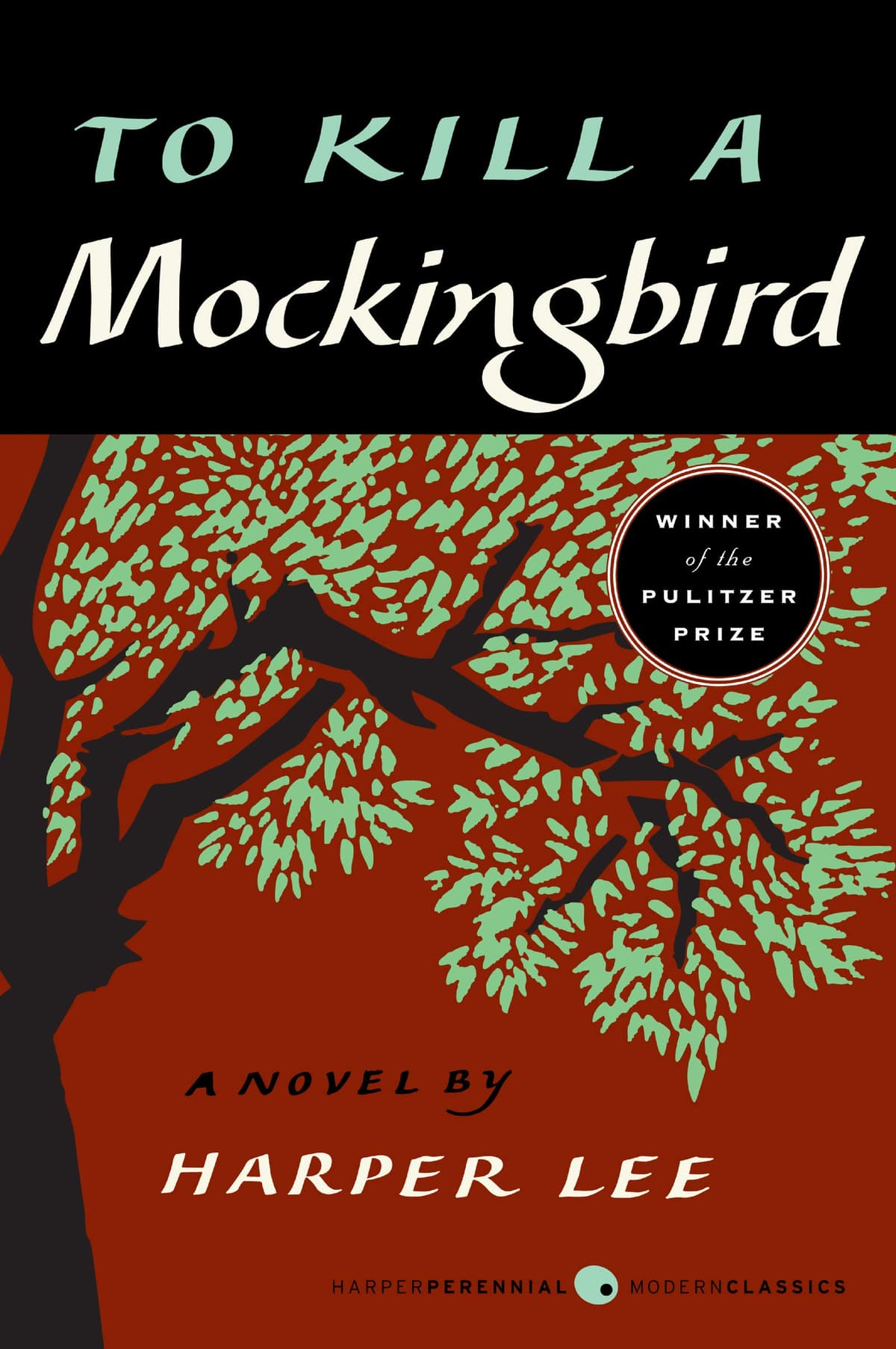 #17View Book
To Kill a Mockingbird
Harper Lee
Accessible•8-10 hours
Browse more collections