Parade's End
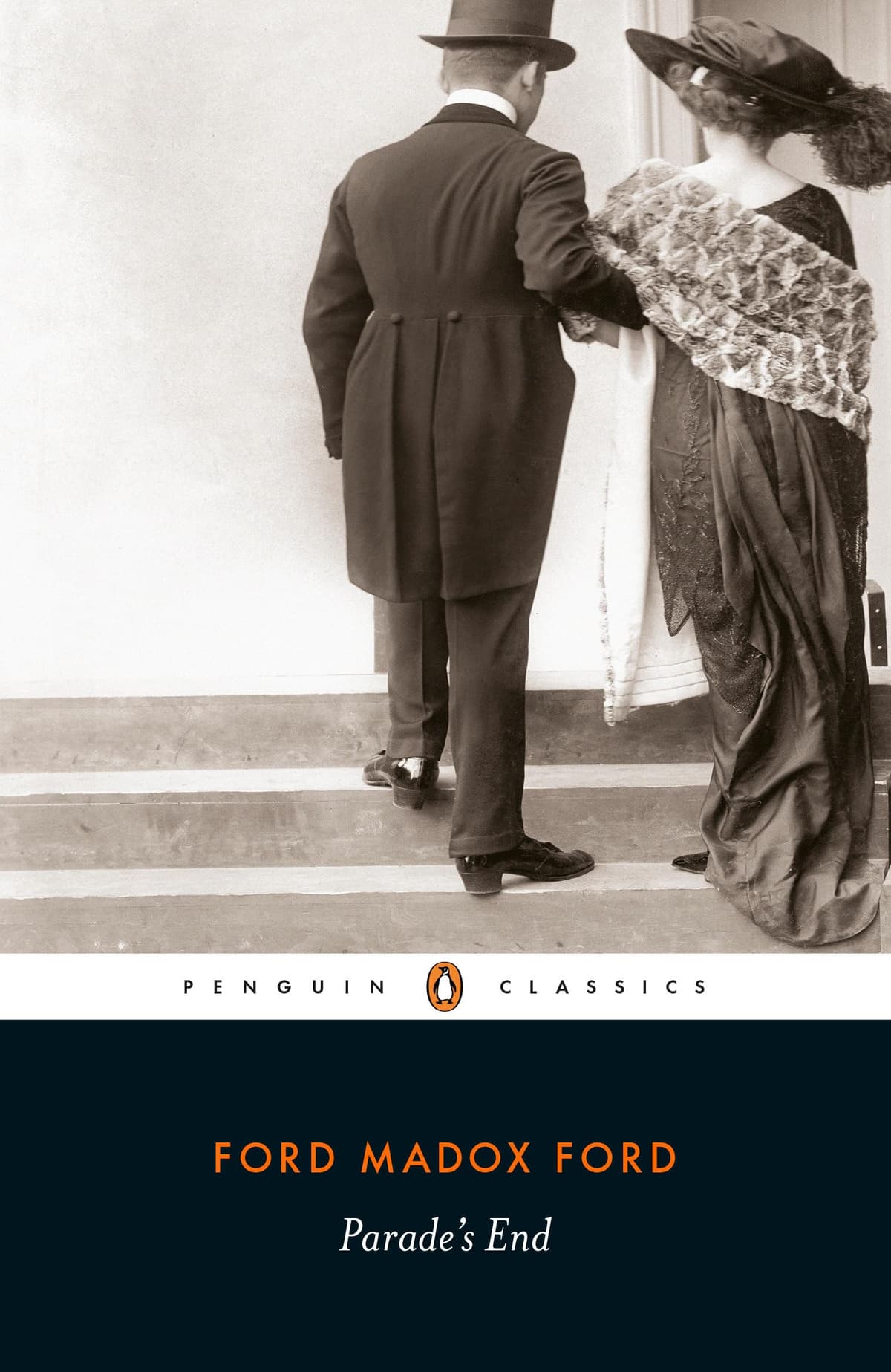
“No more parades for you. No more Hope, no more Glory, no more anything.”
Parade's End Summary
Parade's End follows Christopher Tietjens, the last Tory, a brilliant statistician and country gentleman whose moral rectitude is both his greatest virtue and his deepest curse. Trapped in a poisonous marriage to Sylvia, a beautiful, Catholic socialite who delights in tormenting him with rumors of infidelity and social sabotage, Tietjens endures her cruelties with a stoicism that baffles everyone around him. When he falls in love with Valentine Wannop, a young suffragette and the daughter of his father's old friend, he refuses to act on his desire, bound by an Edwardian code of honor that the world is rapidly abandoning. The tetralogy carries Tietjens from the drawing rooms of pre-war England into the mud and shellfire of the Western Front, where the old certainties shatter alongside the bodies of a generation. Ford renders the trenches with hallucinatory precision, fragmenting time and consciousness as Tietjens struggles to hold together his sanity, his principles, and his sense of who he is in a world determined to destroy all three.
Ford Madox Ford's four-novel sequence—Some Do Not..., No More Parades, A Man Could Stand Up—, and Last Post—is among the most ambitious achievements of modernist fiction. The narrative technique, with its radical time-shifts, unreliable perspectives, and stream-of-consciousness passages, mirrors the psychological disorientation of its protagonist and his era. Ford explores the death of the Edwardian world with both elegy and irony, showing how war, social change, and sexual politics conspired to sweep away an entire system of values. The result is a portrait of England in crisis that stands alongside the great works of Woolf and Joyce, a novel about the cost of integrity in an age that has lost all use for it.
Why Read Parade's End?
Parade's End is the great World War I novel that too few readers know, a work that deserves to stand beside the fiction of Virginia Woolf and the poetry of Wilfred Owen. Ford Madox Ford gives you Christopher Tietjens, one of the most memorable protagonists in English literature: a man whose decency is so absolute it becomes a form of tragedy. Through his struggle to hold onto honor in a world that no longer values it, Ford captures the death of an entire civilization with an intimacy and psychological depth that no history book can match. The prose itself enacts the fragmentary experience of modernity, pulling you into the chaos of memory, desire, and shellfire.
If you have ever felt out of step with your time, if you have ever tried to do the right thing and watched the world punish you for it, Tietjens will haunt you. Ford writes marriage, war, and class with equal ferocity, and his portrait of Sylvia is one of fiction's most complex depictions of a woman wielding the only power available to her. This is a novel that rewards patience and rereading, revealing new depths with each encounter. It will change how you think about England, about war, and about the terrible price of holding fast to what you believe.
About Ford Madox Ford
Ford Madox Ford was born Ford Hermann Hueffer in 1873 in Merton, Surrey, into an artistic family steeped in Pre-Raphaelite culture—his grandfather was the painter Ford Madox Brown, and his father a music critic for The Times. He published his first book at seventeen and went on to collaborate with Joseph Conrad on two novels, an apprenticeship that sharpened his narrative instincts. Ford founded The English Review in 1908, publishing Hardy, James, and Lawrence, and later The Transatlantic Review in Paris, championing Joyce, Hemingway, and Stein. He served as a soldier in World War I, an experience that left him shell-shocked and transformed his art.
Ford's literary output was vast—over eighty books including novels, poetry, criticism, and memoirs—but his reputation rests primarily on two achievements: The Good Soldier (1915), often called the finest French novel written in English, and the Parade's End tetralogy (1924-1928), his monumental reckoning with the war and the world it destroyed. Ford was a tireless champion of literary modernism and an incomparable editor, yet his personal life was chaotic, marked by tangled love affairs and financial difficulties. He died in Deauville, France, in 1939, and though his reputation dimmed for decades, he is now recognized as one of the most important English novelists of the twentieth century.
Reading Guide
Ranked #396 among the greatest books of all time, Parade's End by Ford Madox Ford has earned its place in the literary canon. Originally written in English and published in 1924, this challenging read from United Kingdom continues to resonate with readers today.
This book belongs to our Modern Mind and Society & Satire collections, where you can discover more books that share its spirit and themes.
If you enjoy challenging reads like this one, you might also like Ulysses, Moby-Dick, or Lolita.
From the Modern Mind Collection
If you enjoyed Parade's End, discover more masterpieces that share its spirit.
 #1View Book
Ulysses
James Joyce
Challenging•35-40 hours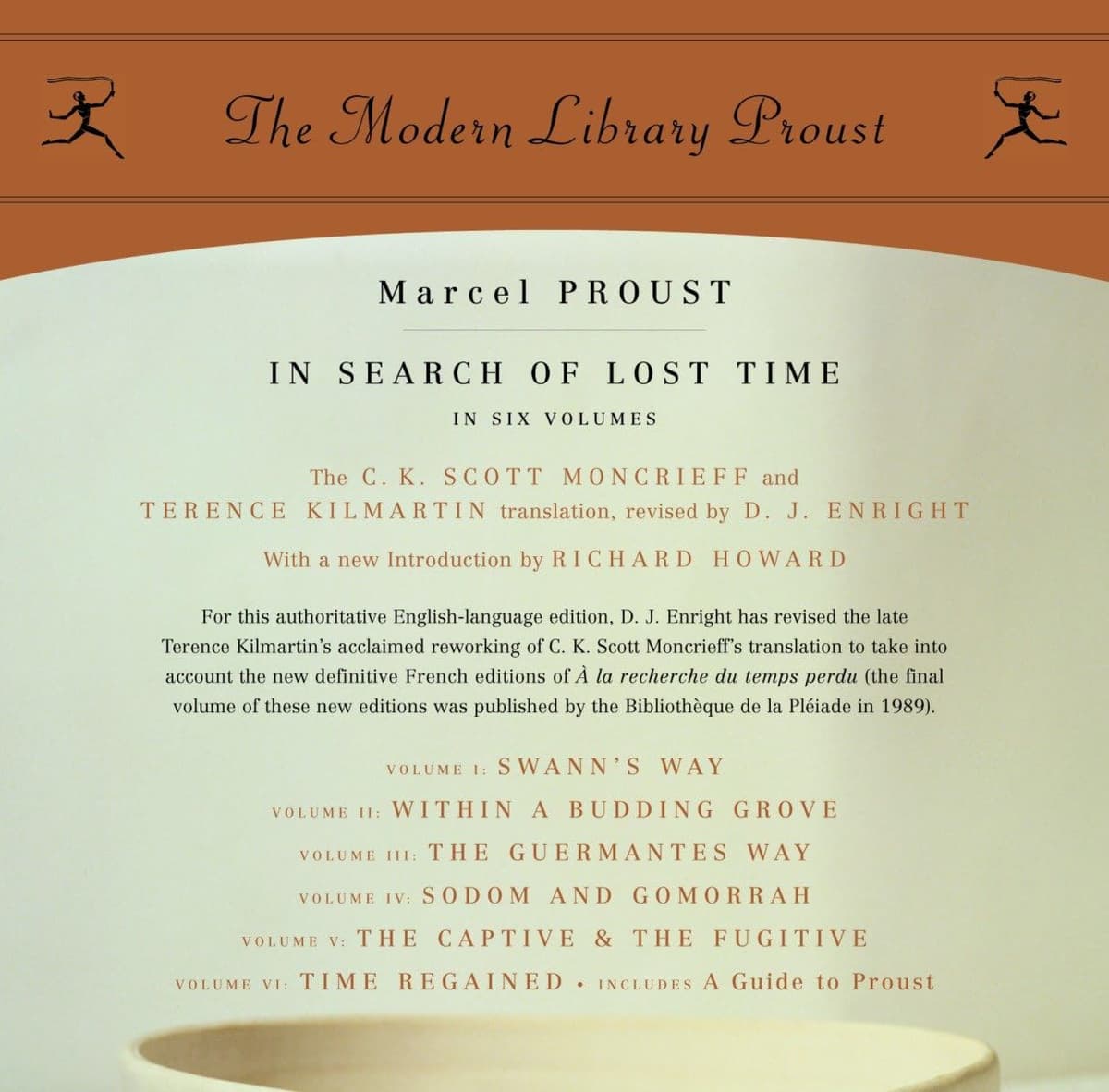 #2View Book
In Search of Lost Time
Marcel Proust
High•100+ hours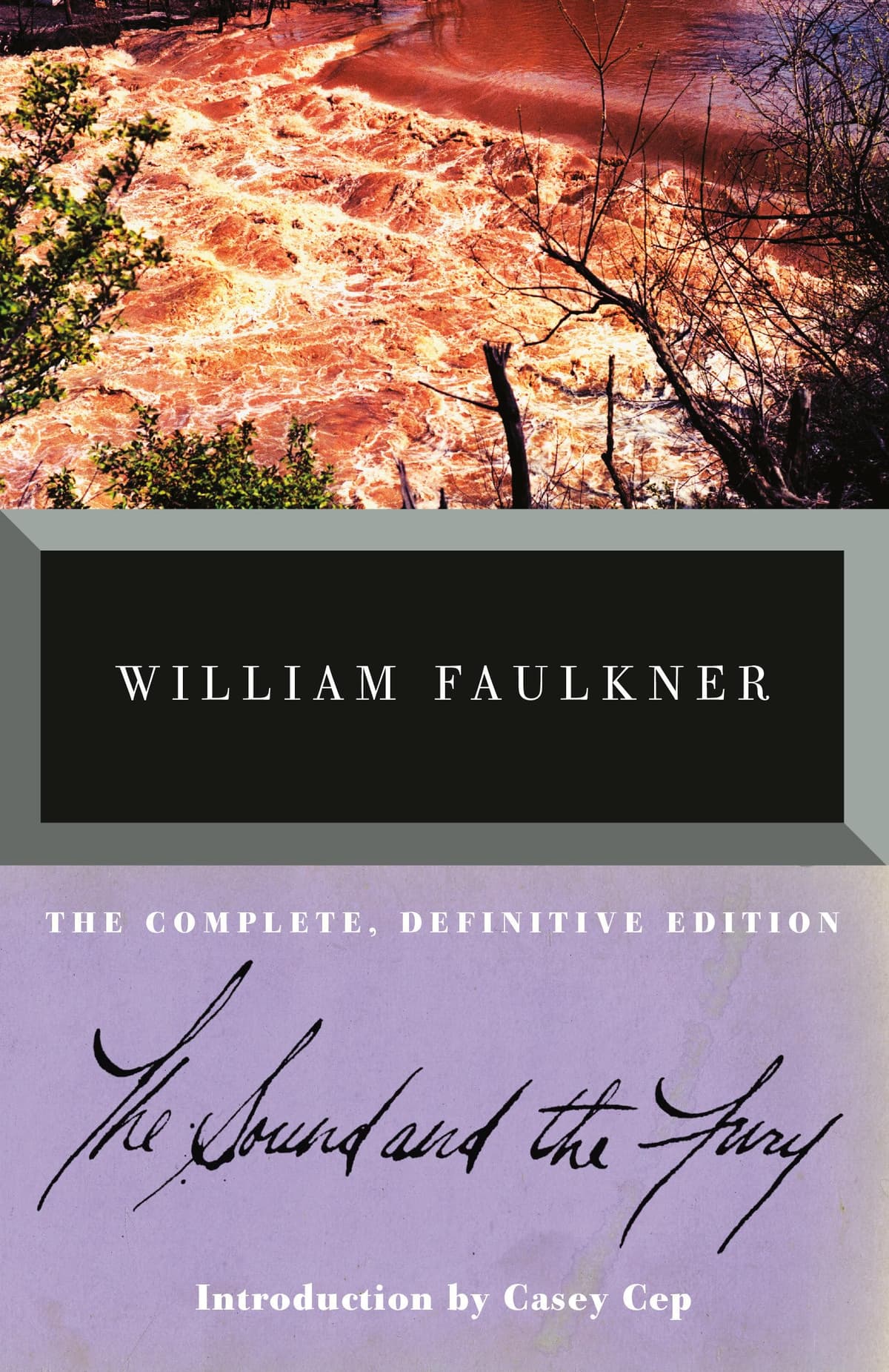 #8View Book
The Sound and the Fury
William Faulkner
Very High•12-15 hours #13View Book
Lolita
Vladimir Nabokov
Challenging•12-15 hours
Browse more collections