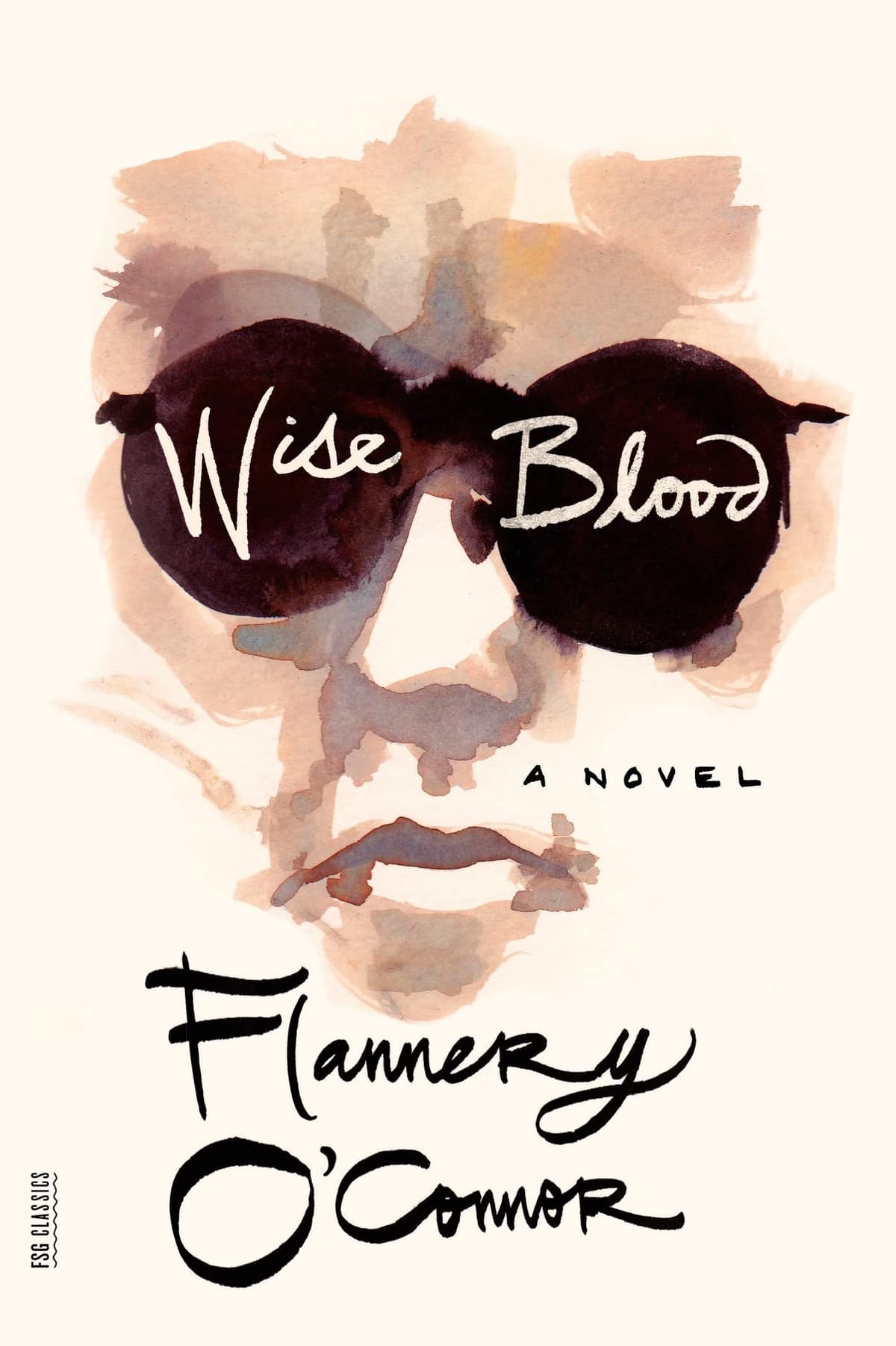
Wise Blood
“Where you come from is gone, where you thought you were going to was never there, and where you are is no good unless you can get away from it.”
Wise Blood Summary
Hazel Motes, a young man recently discharged from the army, arrives in the fictional Southern city of Taulkinham with a fierce, inverted conviction: he is determined to found the Church Without Christ, a church where the blind see and the lame walk but where there is no redemption and nothing to be redeemed. Haunted by the memory of his grandfather, an itinerant preacher who terrified revival audiences with visions of a Jesus who would chase sinners through the dark, Hazel throws himself into a campaign of aggressive atheism that looks, to everyone around him, exactly like a religious crusade. He encounters a gallery of grotesques: Enoch Emery, a lonely zoo worker with "wise blood" who steals a shrunken mummy from a museum as a new jesus; Asa Hawks, a supposedly blind street preacher who is actually a fraud; Sabbath Lily Hawks, his predatory daughter; and Hoover Shoats, a con man who tries to commercialize Hazel's anti-gospel. The novel spirals toward acts of startling violence and a final, devastating act of self-mortification that transforms Hazel's furious denial of Christ into something that looks terrifyingly like sainthood.
Flannery O'Connor's first novel is a darkly comic, deeply unsettling masterpiece of American Gothic fiction. Written with a ferocious clarity that refuses to sentimentalize either faith or its absence, Wise Blood presents a world where the sacred erupts through the grotesque, where grace arrives as violence, and where the characters most desperate to escape God are the ones most relentlessly pursued. O'Connor's prose is lean, precise, and blackly funny, and her vision of the rural South as a landscape of spiritual extremity has no parallel in American literature. Wise Blood insists that the question of belief is not a matter of intellectual assent but of blood and bone.
Why Read Wise Blood?
Wise Blood will shock you, make you laugh, and leave you deeply unsettled in ways you cannot quite name. O'Connor writes about faith and its absence with a ferocity that is entirely alien to the polite, therapeutic language of modern spirituality. In her world, God is not a comforting presence but a pursuing hound, and grace does not arrive gently but crashes through the lives of her characters like a car through a guardrail. Hazel Motes is one of the most unforgettable figures in American fiction—a man whose desperate atheism is indistinguishable from the most extreme religious devotion, whose every attempt to flee redemption brings him closer to it.
This is a novel that takes the question of belief with absolute seriousness, treating it not as a cultural preference or a philosophical position but as a matter of life and death. O'Connor's dark humor is not a softening of her vision but an intensification of it, and her grotesque characters reveal truths about the human condition that more realistic fiction cannot reach. If you think you have outgrown questions of faith, Wise Blood will prove you wrong. If you think Southern Gothic fiction is merely atmospheric, O'Connor will show you it can be a vehicle for the most profound theological imagination in American letters.
About Flannery O'Connor
Mary Flannery O'Connor was born in 1925 in Savannah, Georgia, and raised in the deeply Catholic household that would shape her singular literary vision. She attended Georgia State College for Women and then the Iowa Writers' Workshop, where she began work on Wise Blood. In 1950, while visiting her mother's farm in Milledgeville, Georgia, she was diagnosed with lupus, the same disease that had killed her father. She spent the remaining fourteen years of her life on that farm, raising peacocks, writing in the mornings, and receiving a steady stream of literary visitors in the afternoons.
Despite her brief career and limited output—two novels and thirty-two short stories—O'Connor is recognized as one of the greatest American fiction writers of the twentieth century. Her story collections A Good Man Is Hard to Find and Everything That Rises Must Converge are masterworks of the short form, and her essays on writing, collected in Mystery and Manners, remain essential reading for any serious student of fiction. O'Connor's work fuses the Southern Gothic tradition with a fierce Catholic theology, creating a fictional universe where violence is the instrument of grace and the grotesque is the truest mirror of the human soul. She died in 1964 at the age of thirty-nine, leaving behind a body of work whose influence continues to grow.
Reading Guide
Ranked #394 among the greatest books of all time, Wise Blood by Flannery O'Connor has earned its place in the literary canon. Originally written in English and published in 1952, this moderate read from United States continues to resonate with readers today.
This book belongs to our Gothic & Dark and American Spirit collections, where you can discover more books that share its spirit and themes.
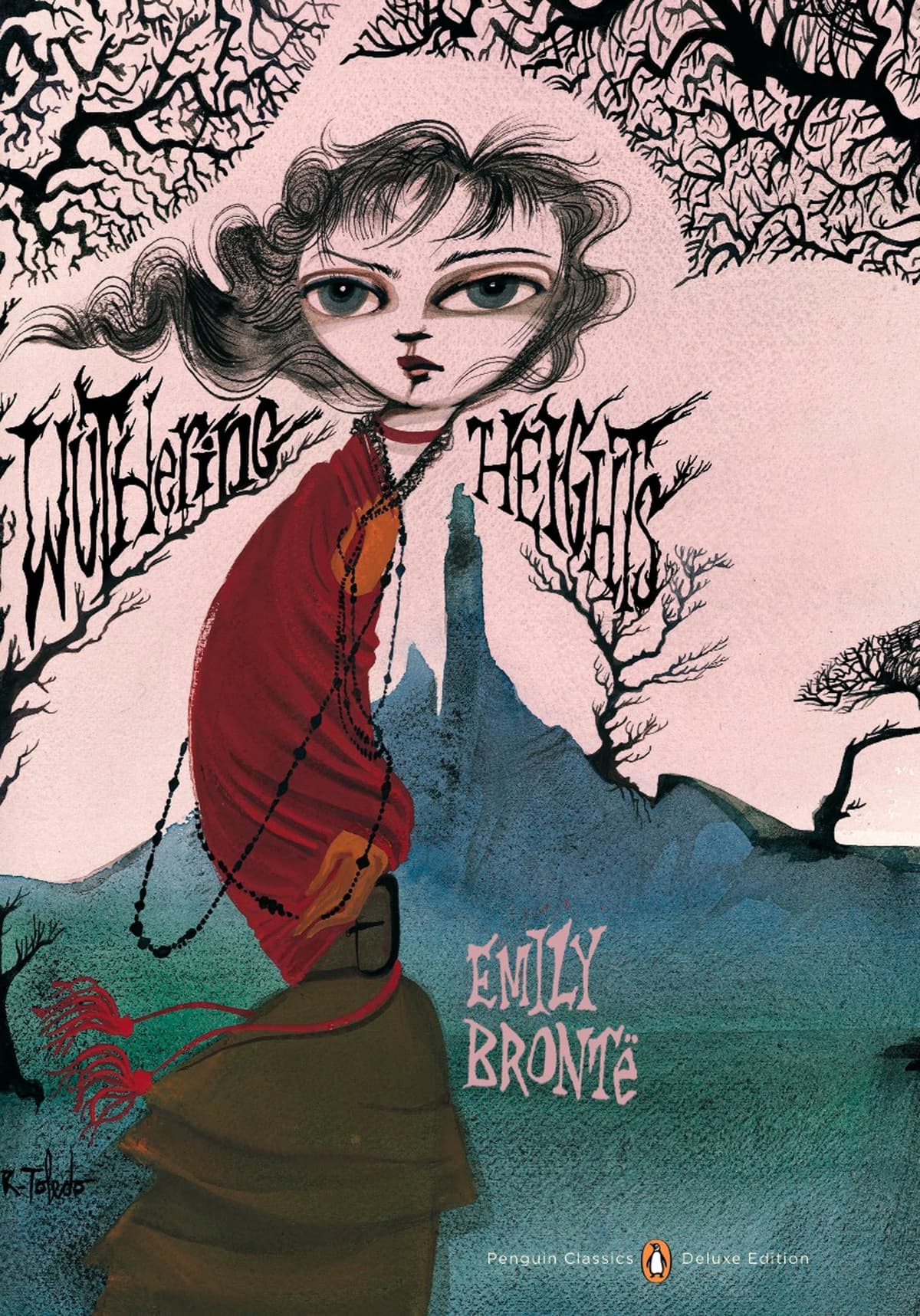
If you enjoy moderate reads like this one, you might also like One Hundred Years of Solitude, Nineteen Eighty-Four, or Wuthering Heights.
From the Gothic & Dark Collection
If you enjoyed Wise Blood, discover more masterpieces that share its spirit.
 #15View Book
Wuthering Heights
Emily Brontë
Moderate•10-12 hours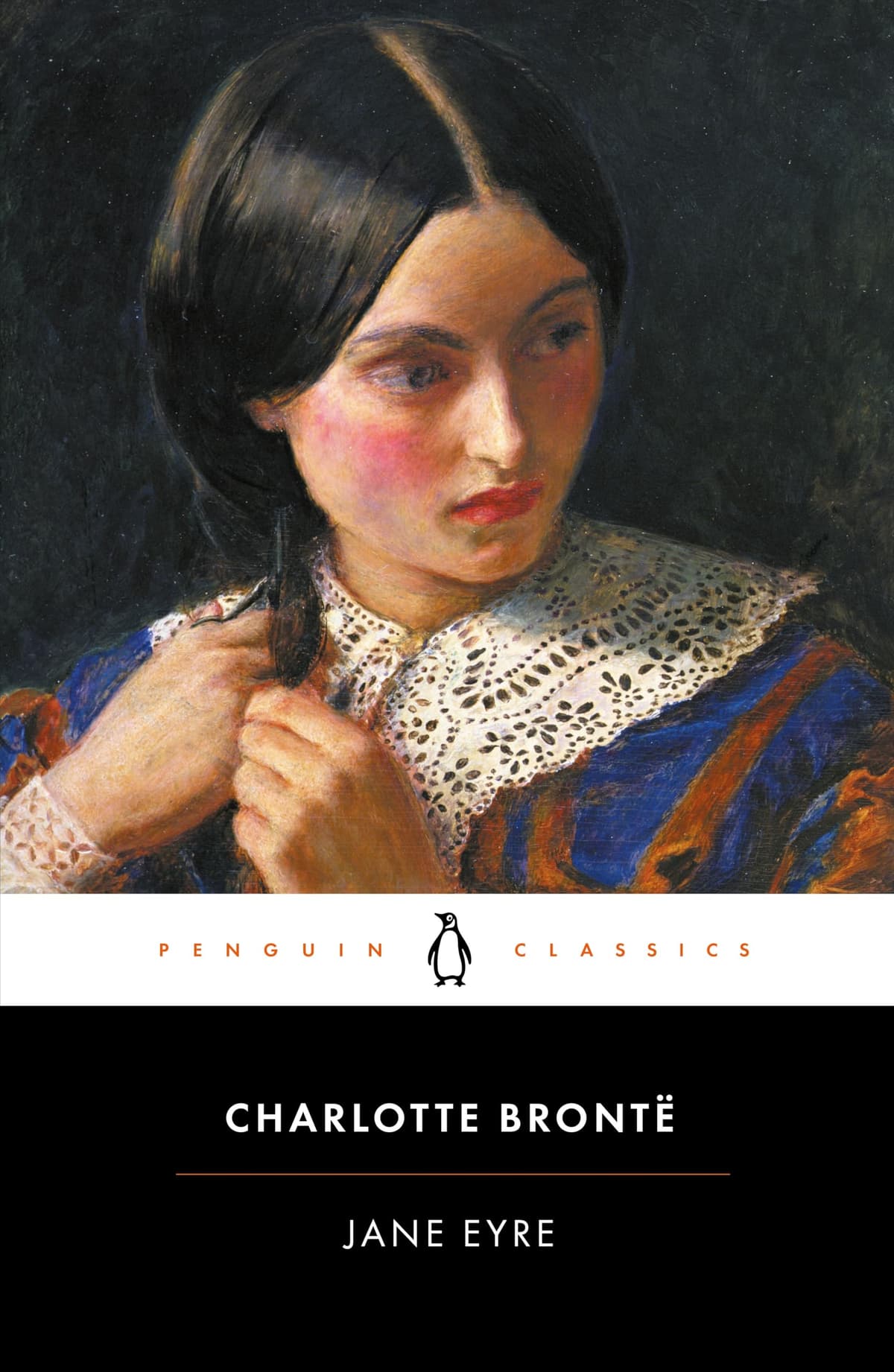 #29View Book
Jane Eyre
Charlotte Brontë
Accessible•15-20 hours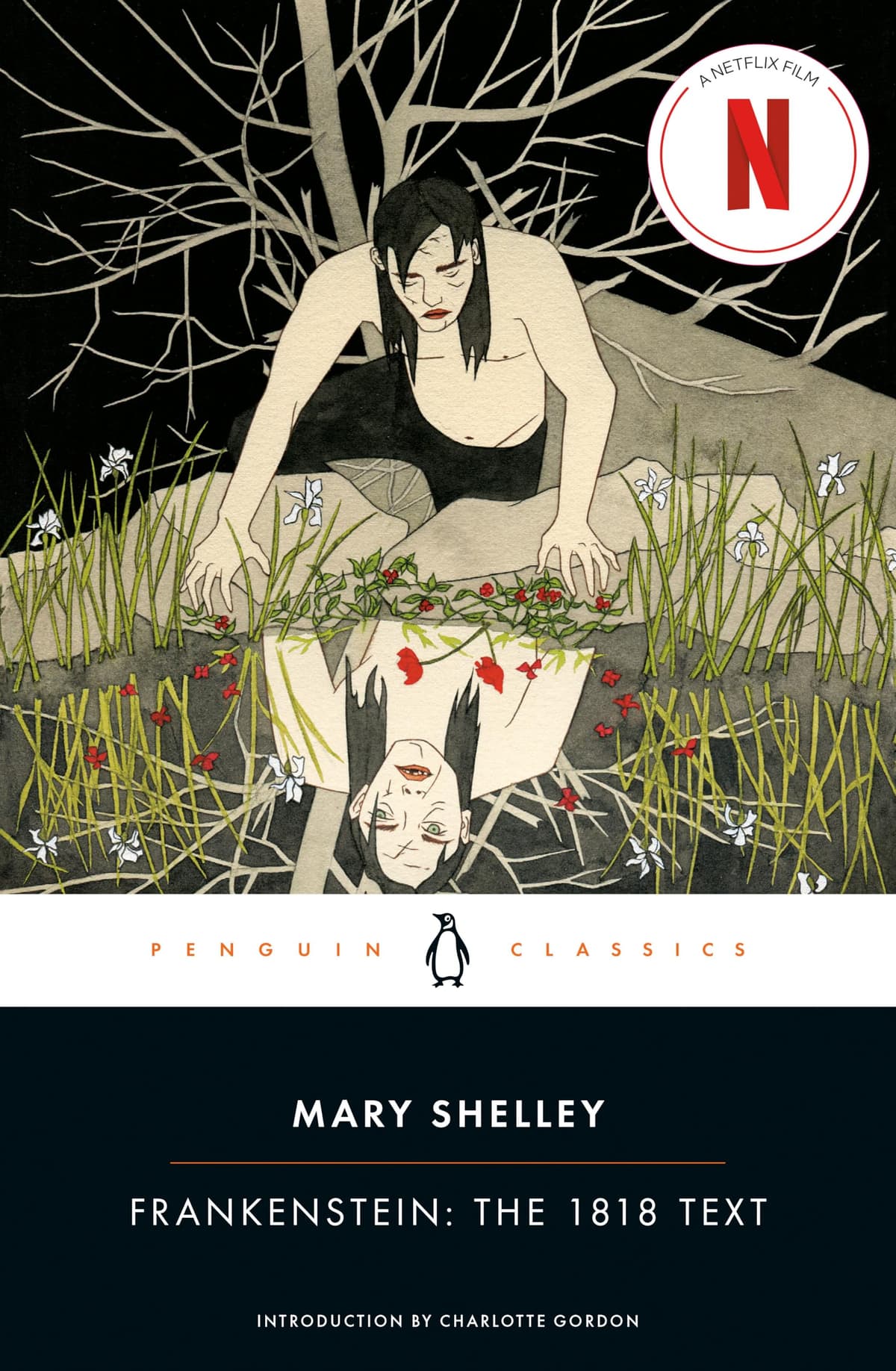 #41View Book
Frankenstein
Mary Shelley
Accessible•6-8 hours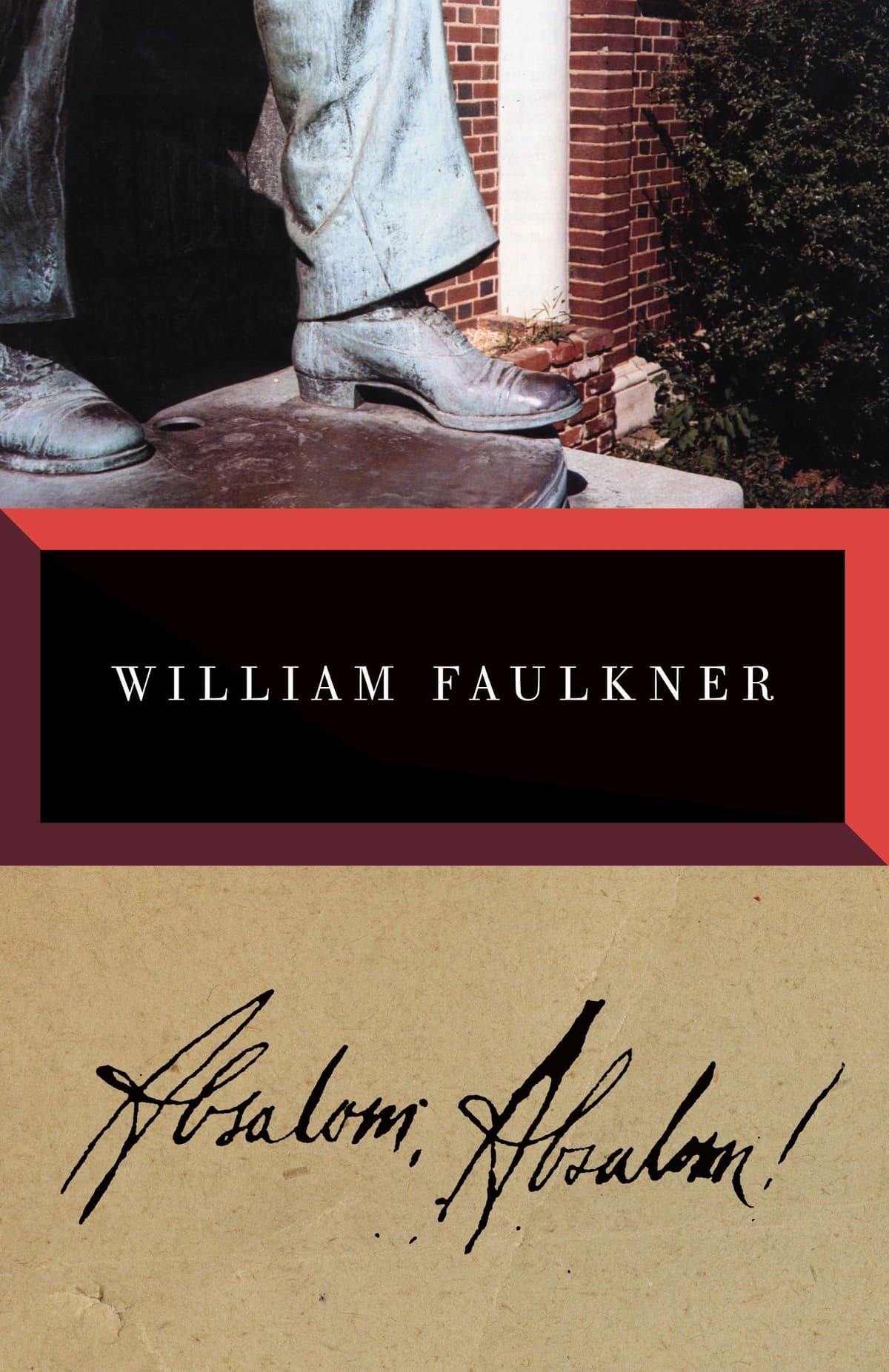 #44View Book
Absalom, Absalom!
William Faulkner
Very High•12-15 hours
Browse more collections