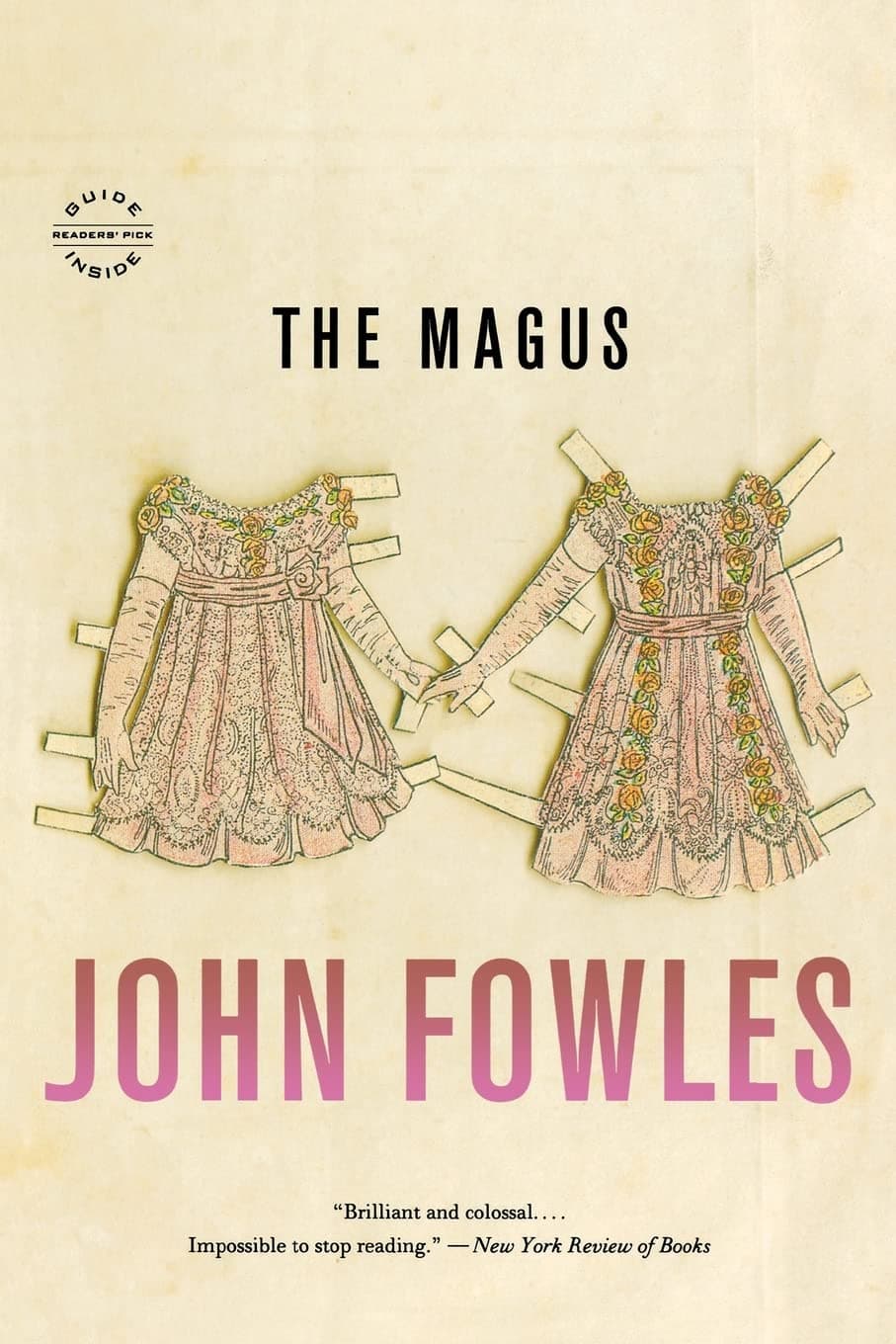
The Magus
“An answer is always a form of death.”
The Magus Summary
Nicholas Urfe, a young, self-absorbed Englishman, takes a teaching position on a remote Greek island to escape a failed love affair in London. On the island of Phraxos, he discovers a reclusive millionaire named Maurice Conchis, who inhabits a villa that seems to exist outside time. Conchis begins to stage elaborate theatrical events, what he calls the "godgame," involving beautiful women, historical reenactments, apparent ghosts, and scenarios that blend reality and illusion so thoroughly that Nicholas can never be certain what is real. A mysterious young woman named Lily appears, claiming to be Conchis's dead fiancee reincarnated, then a schizophrenic patient, then an actress, each identity dissolving into the next. As the masques grow more elaborate and psychologically invasive, Nicholas finds himself manipulated, humiliated, and stripped of every certainty he possesses. The godgame becomes a trial of his capacity for self-knowledge, empathy, and genuine love, conducted by forces he can neither control nor fully comprehend.
John Fowles' labyrinthine novel is an intoxicating fusion of psychological thriller, philosophical puzzle, and meditation on the nature of freedom and authenticity. Set against the blazing light of the Greek islands, the narrative creates an atmosphere of paranoid enchantment, where every surface conceals a deeper layer and every revelation opens onto a new mystery. Fowles draws on existentialist philosophy, Jungian psychology, and the traditions of the romance and the masque to construct a story that is at once a gripping page-turner and a serious investigation into the ways we deceive ourselves and others. The Magus has inspired passionate devotion in readers for decades, and its refusal to provide definitive answers is precisely what gives it its enduring, maddening power.
Why Read The Magus?
The Magus is the kind of novel that takes over your life while you are reading it. From the moment Nicholas Urfe steps onto the Greek island and enters Maurice Conchis's world of staged illusions, you are caught in a web of mystery that tightens with every chapter. Fowles is a master manipulator of the reader's expectations: just when you think you understand what is happening, the ground shifts beneath your feet, and you realize that you, like Nicholas, have been deceived. The novel's Greek setting, rendered with sensuous precision, becomes a theater of the mind where sun-baked landscapes and wine-dark seas serve as the backdrop for a drama that is ultimately about the most intimate questions: how well do you know yourself, and are you capable of genuine love?
The Magus is also one of the great novels about growing up, about the painful process by which a shallow, self-centered young man is forced to confront his own emptiness and begin the work of becoming a real human being. Fowles understood that wisdom is not acquired through comfort but through disorientation, and his novel enacts that process on both its protagonist and its reader. If you have ever felt that reality is more layered and mysterious than it appears, if you have ever suspected that you are being tested by forces you cannot name, The Magus is the book you have been waiting for.
About John Fowles
John Fowles was born in 1926 in Leigh-on-Sea, Essex, and grew up in an England shaped by the repressions and class rigidities of the interwar period. He studied French at Oxford and spent a formative year teaching on the Greek island of Spetsai, an experience that would become the seed of The Magus. Before establishing himself as a novelist, he taught at various schools in England and Greece, accumulating the observations of human behavior that would fuel his fiction.
The publication of The Collector in 1963 brought Fowles immediate fame, and The Magus (1965, revised 1977) and The French Lieutenant's Woman (1969) confirmed him as one of the most inventive and intellectually ambitious novelists of his generation. Fowles was deeply influenced by existentialist philosophy, particularly Sartre and Camus, and his novels characteristically place their protagonists in situations that force a confrontation with freedom, authenticity, and the nature of choice. He lived for most of his later life in Lyme Regis, Dorset, the setting of The French Lieutenant's Woman, where he served as curator of the local museum. Fowles was also a passionate naturalist, essayist, and translator. He died in 2005, leaving behind a body of work that continues to challenge and fascinate readers with its insistence that fiction, like life, should resist easy answers.
Reading Guide
Ranked #433 among the greatest books of all time, The Magus by John Fowles has earned its place in the literary canon. Originally written in English and published in 1965, this moderate read from United Kingdom continues to resonate with readers today.
This book belongs to our Modern Mind and Love & Loss collections, where you can discover more books that share its spirit and themes.
If you enjoy moderate reads like this one, you might also like One Hundred Years of Solitude, Nineteen Eighty-Four, or Wuthering Heights.
From the Modern Mind Collection
If you enjoyed The Magus, discover more masterpieces that share its spirit.
 #1View Book
Ulysses
James Joyce
Challenging•35-40 hours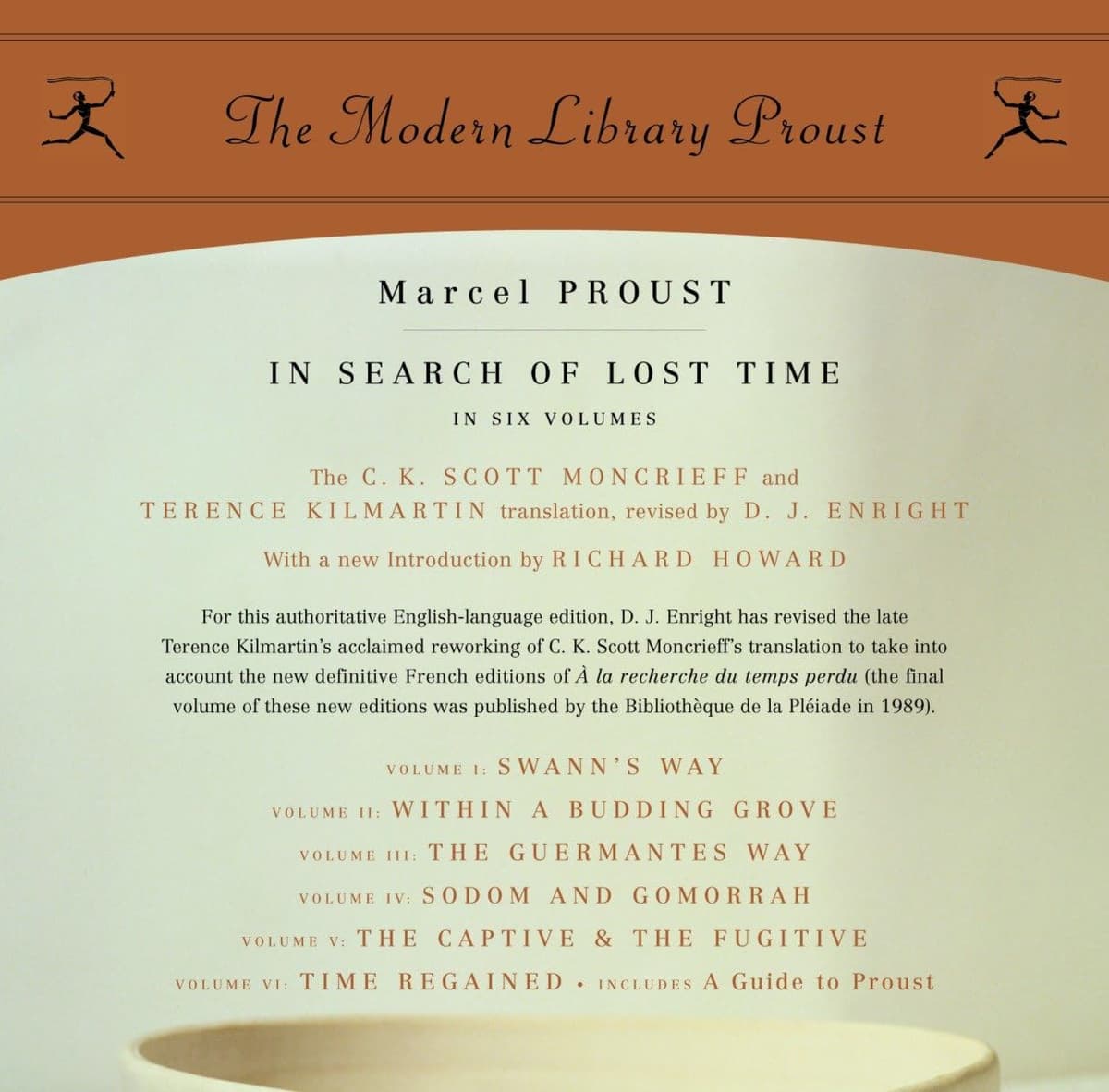 #2View Book
In Search of Lost Time
Marcel Proust
High•100+ hours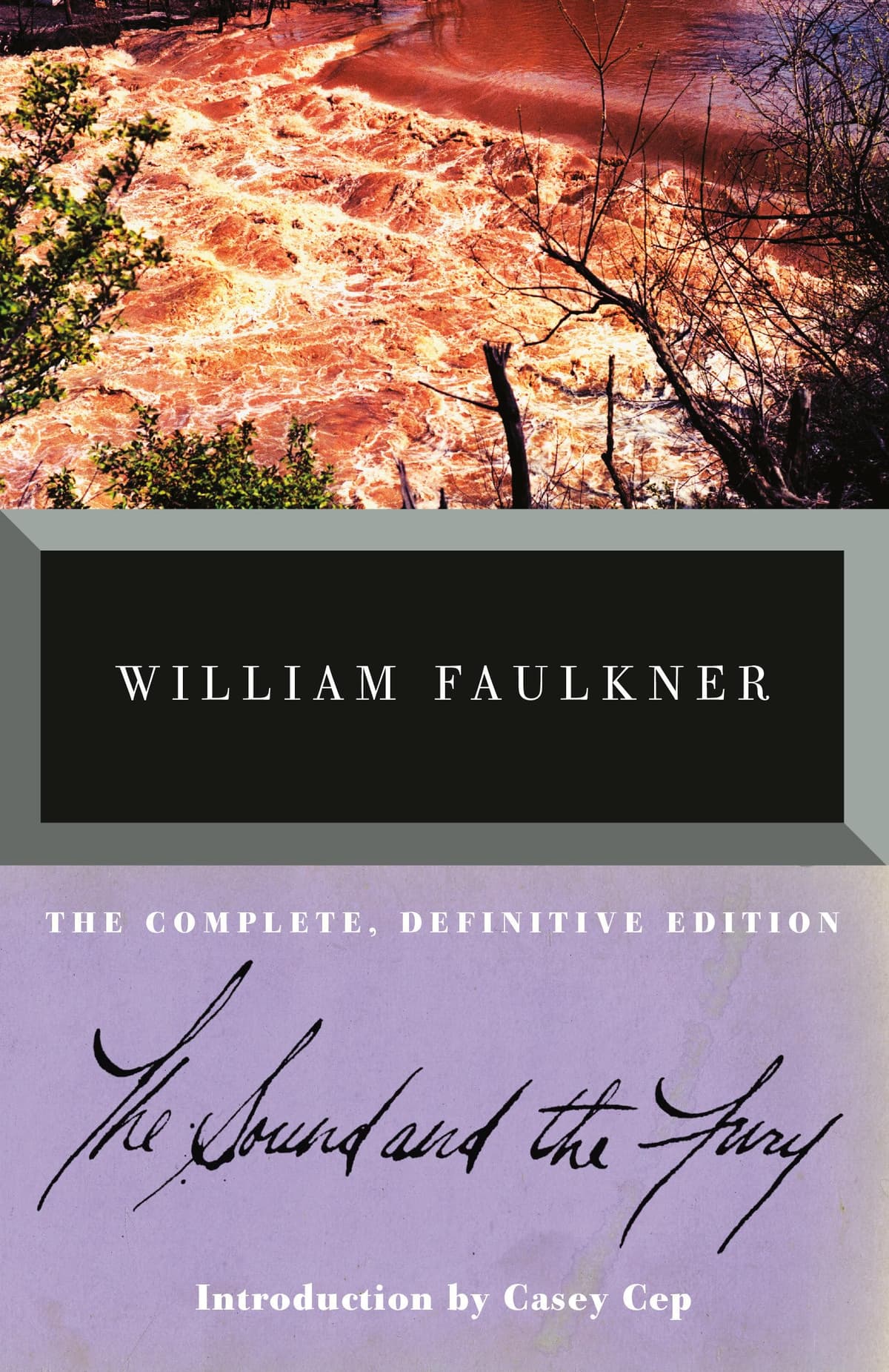 #8View Book
The Sound and the Fury
William Faulkner
Very High•12-15 hours #13View Book
Lolita
Vladimir Nabokov
Challenging•12-15 hours
Browse more collections