The Left Hand of Darkness
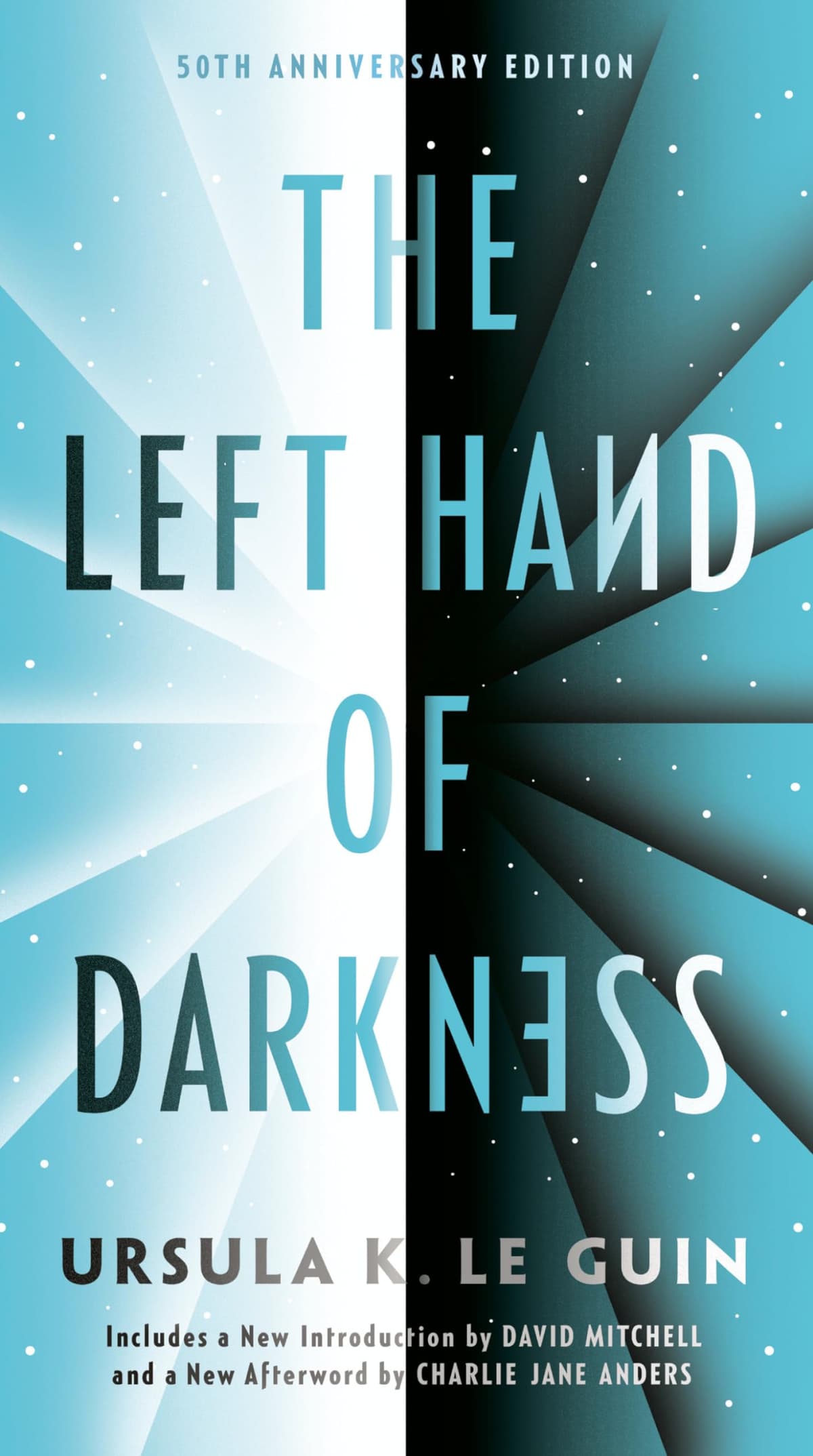
“Light is the left hand of darkness and darkness the right hand of light.”
The Left Hand of Darkness Summary
The Left Hand of Darkness transports the reader to Gethen, a planet locked in perpetual winter, where the inhabitants are neither male nor female but shift between sexes during a monthly cycle of fertility called kemmer. Genly Ai, a human envoy from an interstellar collective known as the Ekumen, has been sent to persuade the nations of Gethen to join their alliance. On this world of ice and political intrigue, Ai struggles to understand a society unstructured by fixed gender, and his mission founders on the suspicion, pride, and factional maneuvering of the Gethenians. His most important relationship is with Estraven, a disgraced politician from the nation of Karhide who alone seems to understand what is at stake. Betrayed and hunted, Ai and Estraven embark on an extraordinary journey across the Gobrin Ice Sheet, an eighty-day trek through a frozen wasteland that strips them of everything but trust and mutual dependence. In the white silence of the glacier, their bond deepens into something that transcends the categories of friendship, love, and alliance.
Ursula K. Le Guin's masterpiece is one of the most intellectually ambitious and emotionally powerful novels in the science fiction canon. By imagining a world without fixed gender, Le Guin does not merely conduct a thought experiment; she reveals the extent to which our own perceptions of humanity are shaped by assumptions about sex and gender we rarely examine. The novel's dual narrative structure, alternating between Ai's reports and Gethenian myths and legends, creates a rich, layered portrait of an alien civilization that feels fully realized. But it is the ice journey at the novel's heart that elevates the book beyond ideas into art: a harrowing, beautiful depiction of two beings from different worlds learning to see each other truly.
Why Read The Left Hand of Darkness?
The Left Hand of Darkness is one of those rare books that permanently alters how you see the world. Ursula K. Le Guin imagined a planet where gender does not exist as a fixed category, and in doing so she exposed the invisible scaffolding of assumptions that structure nearly every aspect of human society. But this is not a dry thought experiment; it is a deeply moving story of two people from radically different worlds who must learn to trust each other or die. The ice journey at the novel's center, eighty days crossing a glacial wilderness, is one of the most gripping and emotionally devastating sequences in all of science fiction.
Le Guin writes with the clarity of a great anthropologist and the beauty of a great poet, and The Left Hand of Darkness rewards rereading with new layers of meaning each time. If you think science fiction is only about technology and adventure, this novel will change your mind. It is about the most fundamental human questions: what makes us who we are, how we see others, and whether genuine understanding across difference is possible. This is essential reading not just for fans of the genre but for anyone interested in the deepest possibilities of fiction.
About Ursula K. Le Guin
Ursula Kroeber Le Guin was born in 1929 in Berkeley, California, the daughter of the anthropologist Alfred Kroeber and the writer Theodora Kroeber. She grew up in an intellectually rich household where Native American visitors, academic conversation, and a deep respect for diverse cultures shaped her imagination. She studied French and Italian Renaissance literature at Radcliffe and Columbia, married the historian Charles Le Guin, and settled in Portland, Oregon, where she lived for most of her life.
Le Guin became one of the most important and beloved American writers of the twentieth century, working across science fiction, fantasy, poetry, essays, and children's literature with equal distinction. The Left Hand of Darkness (1969) and The Dispossessed (1974) each won both the Hugo and Nebula Awards, and her Earthsea series is considered a cornerstone of modern fantasy. Her work is distinguished by its anthropological depth, its moral seriousness, and its luminous prose. Le Guin was a passionate advocate for the literary value of speculative fiction and a sharp critic of capitalism, militarism, and patriarchy. She received the National Book Foundation Medal for Distinguished Contribution to American Letters in 2014. She died in 2018, leaving behind a body of work that transcends genre and speaks to the deepest questions of human civilization.
Reading Guide
Ranked #432 among the greatest books of all time, The Left Hand of Darkness by Ursula K. Le Guin has earned its place in the literary canon. Originally written in English and published in 1969, this moderate read from United States continues to resonate with readers today.
This book belongs to our Speculative Futures and Philosophy & Faith collections, where you can discover more books that share its spirit and themes.
If you enjoy moderate reads like this one, you might also like One Hundred Years of Solitude, Nineteen Eighty-Four, or Wuthering Heights.
From the Speculative Futures Collection
If you enjoyed The Left Hand of Darkness, discover more masterpieces that share its spirit.
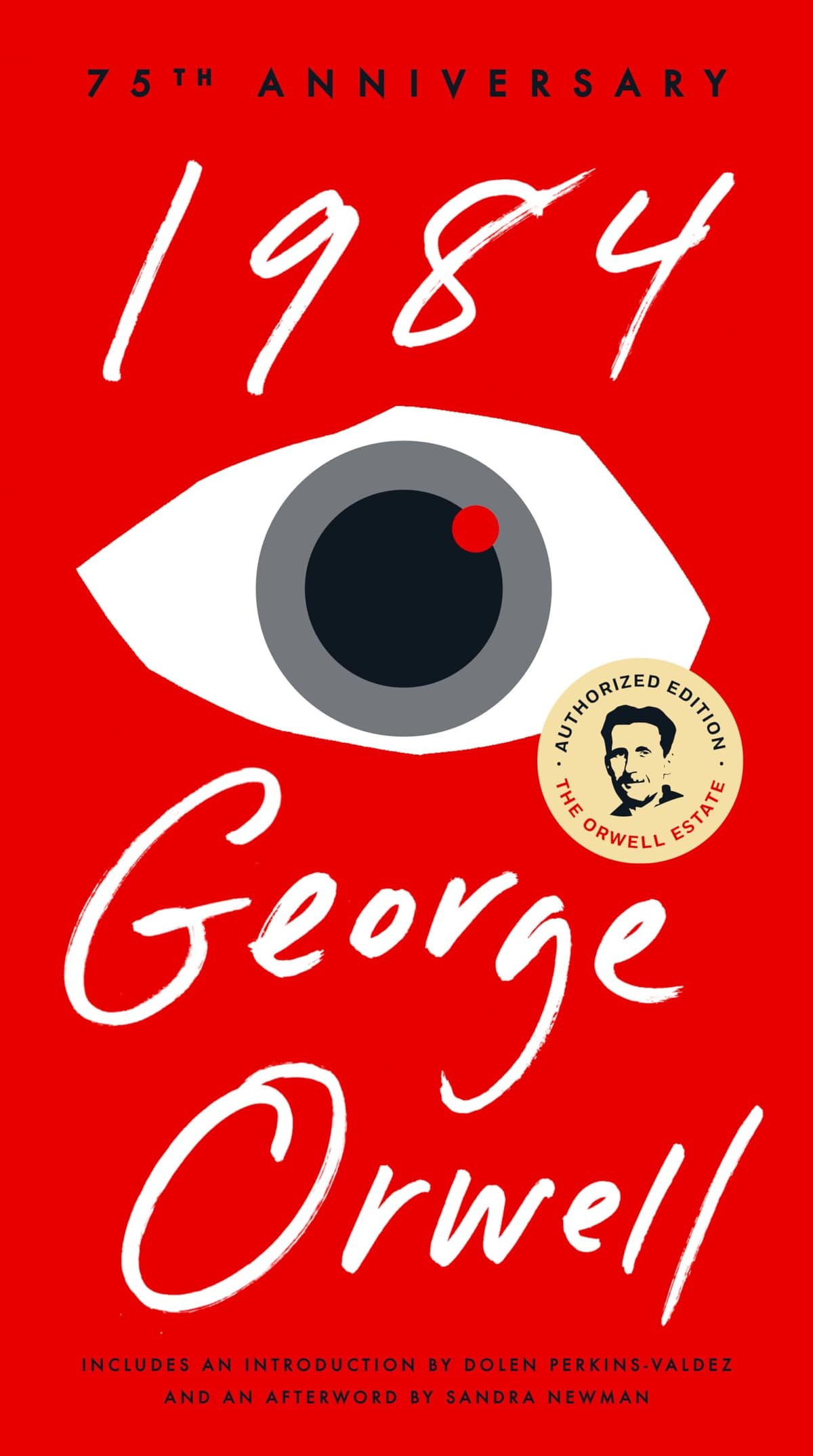 #6View Book
Nineteen Eighty-Four
George Orwell
Moderate•8-10 hours #20View Book
The Trial
Franz Kafka
Moderate•8-10 hours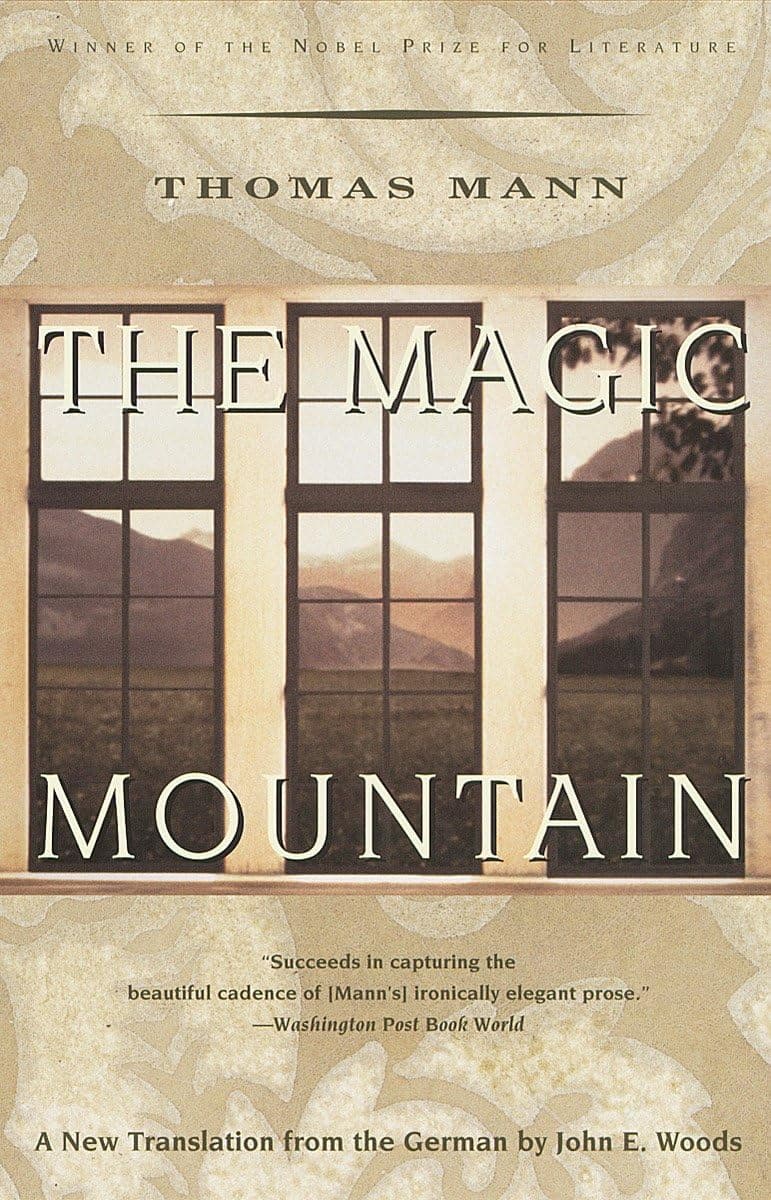 #27View Book
The Magic Mountain
Thomas Mann
High•30-35 hours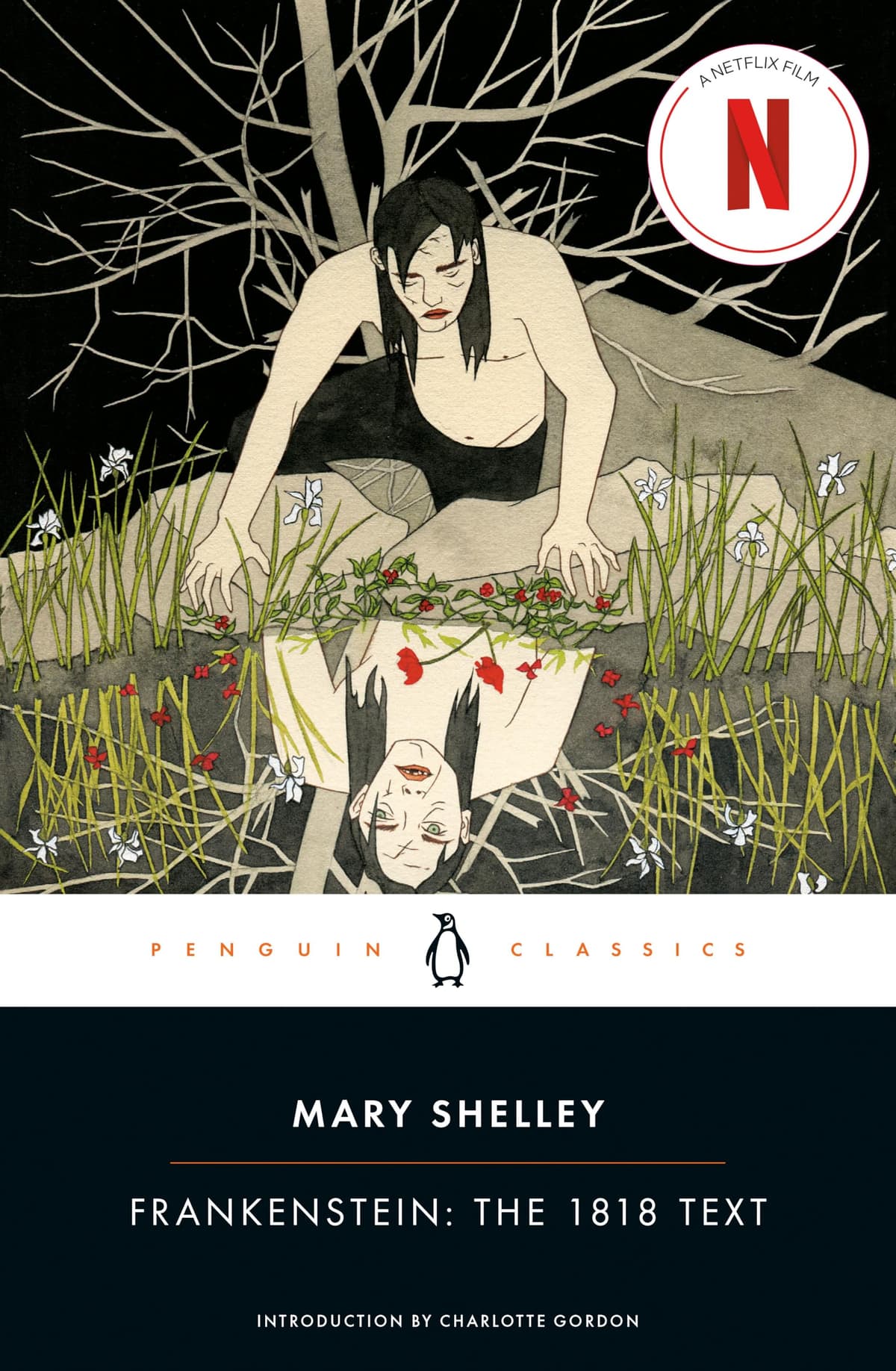 #41View Book
Frankenstein
Mary Shelley
Accessible•6-8 hours
Browse more collections