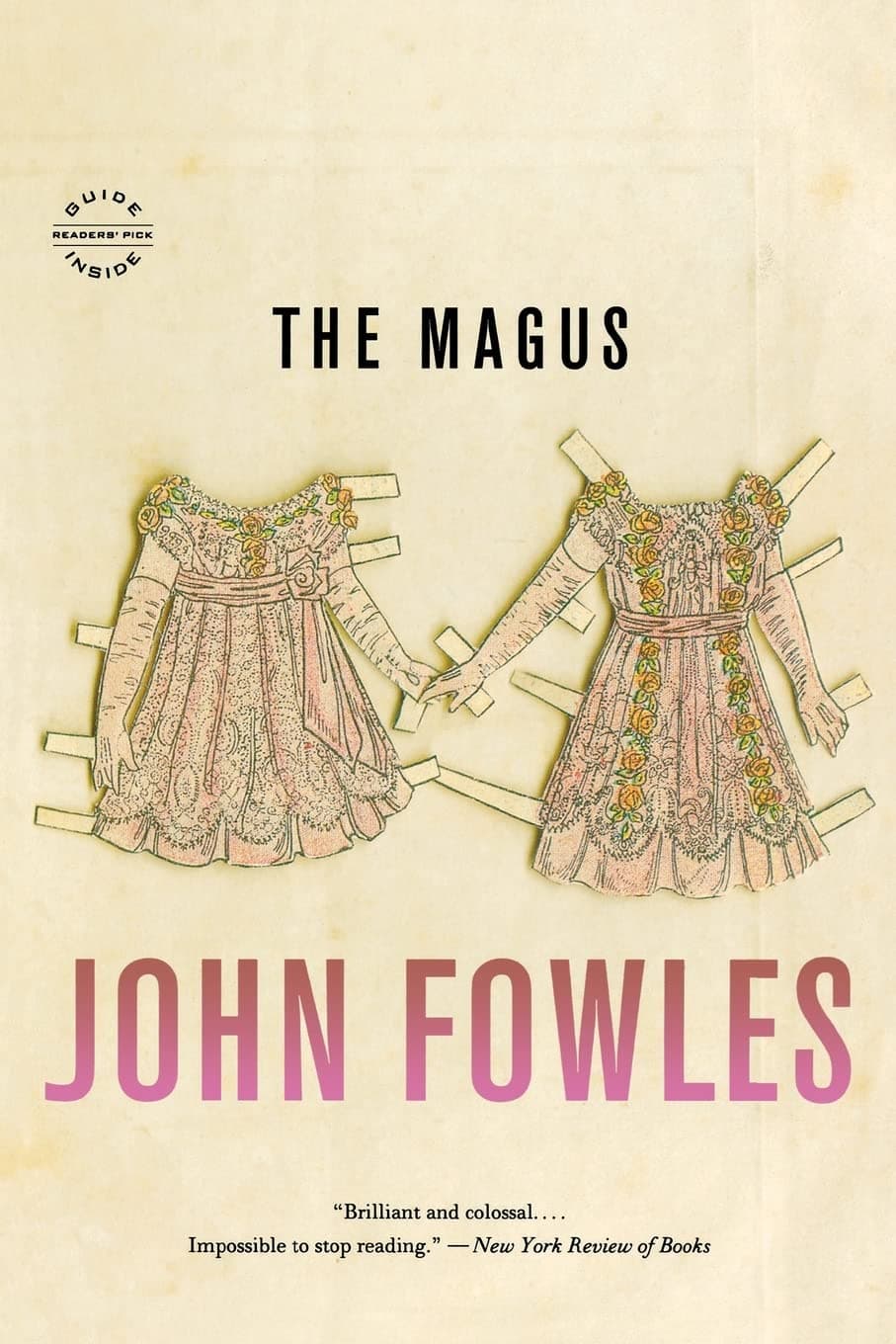
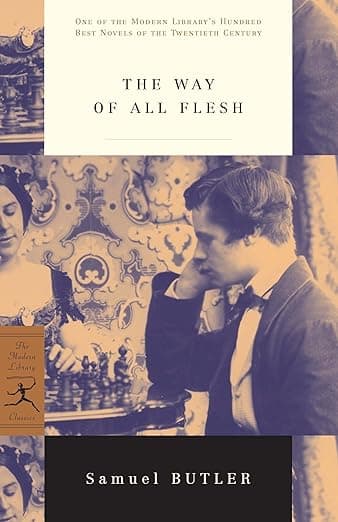
The Way of All Flesh
“Every man's work, whether it be literature, or music, or pictures, or architecture, or anything else, is always a portrait of himself.”
The Way of All Flesh Summary
The Way of All Flesh traces four generations of the Pontifex family, but its true subject is the suffocating grip of Victorian respectability on the individual spirit. Ernest Pontifex, the novel's central figure, grows up under the tyranny of his clergyman father Theobald, a man whose cruelty is all the more devastating for being exercised in the name of Christian duty and parental love. Every natural impulse in Ernest is punished, every spark of independence extinguished, until the boy is shaped into a timid, guilt-ridden young man destined for the church. His ordination leads not to grace but to a series of humiliating disasters: a wrongful imprisonment, a disastrous marriage to a drunken former servant, and the loss of his inheritance. Yet Ernest's story is also one of gradual liberation, as he slowly sheds the beliefs and habits that have been imposed upon him and discovers, through suffering and hard experience, a way of living that is genuinely his own. The novel's unnamed narrator, Ernest's godfather Edward Overton, observes these events with a dry wit that masks genuine affection.
Samuel Butler's posthumous masterpiece is one of the most devastating satires of Victorian family life and religious hypocrisy ever written. Published in 1903, a year after Butler's death, the novel shocked Edwardian England with its portrait of parenthood as a form of institutionalized cruelty and religion as a system of psychological control. Butler's influence on subsequent writers was immense: George Bernard Shaw called it one of the most important books of his time, and its frank, ironic treatment of childhood suffering, sexual hypocrisy, and the tyranny of convention anticipated the concerns of modernist fiction. The Way of All Flesh remains a bracing, surprisingly modern read, its anger tempered by humor and its pessimism about human institutions balanced by a stubborn faith in the possibility of individual emancipation.
Why Read The Way of All Flesh?
The Way of All Flesh is one of the great novels about the damage parents do to their children, and reading it feels like watching someone methodically dismantle a prison wall, brick by brick. Samuel Butler wrote with a cold fury that cuts through the pieties of Victorian family life to expose the cruelty at its heart: the father who beats his son in the name of love, the mother who manipulates through guilt, the church that sanctifies obedience as virtue. Ernest Pontifex's long, painful journey from terrorized child to free man is both harrowing and deeply satisfying, a story that resonates with anyone who has had to unlearn the lessons of a damaging upbringing.
What makes this novel still astonishing is how modern it feels. Butler anticipated Freud in his understanding of how childhood trauma shapes adult personality, and his satire of institutional religion, snobbery, and the Victorian cult of respectability has lost none of its edge. The novel's dry, conversational tone makes even its most devastating observations feel like confidences shared over a glass of port. If you have ever questioned the values you were raised with, if you have ever had to fight your way to an authentic life against the expectations of family and convention, The Way of All Flesh will speak to you with startling directness.
About Samuel Butler
Samuel Butler was born in 1835 in Langar, Nottinghamshire, into a family of clergymen. His grandfather was a bishop and his father a rector, and Butler was expected to follow them into the church. Instead, after graduating from Cambridge, he refused ordination and emigrated to New Zealand, where he ran a sheep station and doubled his investment in five years. He returned to England in 1864 and settled in London, where he lived for the rest of his life on a modest income, devoting himself to painting, music, writing, and a series of idiosyncratic intellectual pursuits that ranged from Homeric scholarship to evolutionary theory.
Butler was a fierce contrarian who quarreled with Darwin, argued that the Odyssey was written by a woman, and composed musical works in the style of Handel. His novel Erewhon (1872), a satirical utopia, earned him early recognition, but The Way of All Flesh, his autobiographical masterwork, was not published until 1903, a year after his death, because its portraits of family cruelty were too recognizable. The novel's influence was enormous: it helped inaugurate the modern tradition of the rebellious autobiography and inspired writers from E. M. Forster to Somerset Maugham. Butler died in 1902, an outsider to the end, his reputation secured by a novel he never saw in print.
Reading Guide
Ranked #434 among the greatest books of all time, The Way of All Flesh by Samuel Butler has earned its place in the literary canon. Originally written in English and published in 1903, this moderate read from United Kingdom continues to resonate with readers today.
This book belongs to our Society & Satire collection, where you can discover more books that share its spirit and themes.
If you enjoy moderate reads like this one, you might also like One Hundred Years of Solitude, Nineteen Eighty-Four, or Wuthering Heights.
From the Society & Satire Collection
If you enjoyed The Way of All Flesh, discover more masterpieces that share its spirit.
 #9View Book
Don Quixote
Miguel de Cervantes
High•35-40 hours #12View Book
Pride and Prejudice
Jane Austen
Accessible•10-12 hours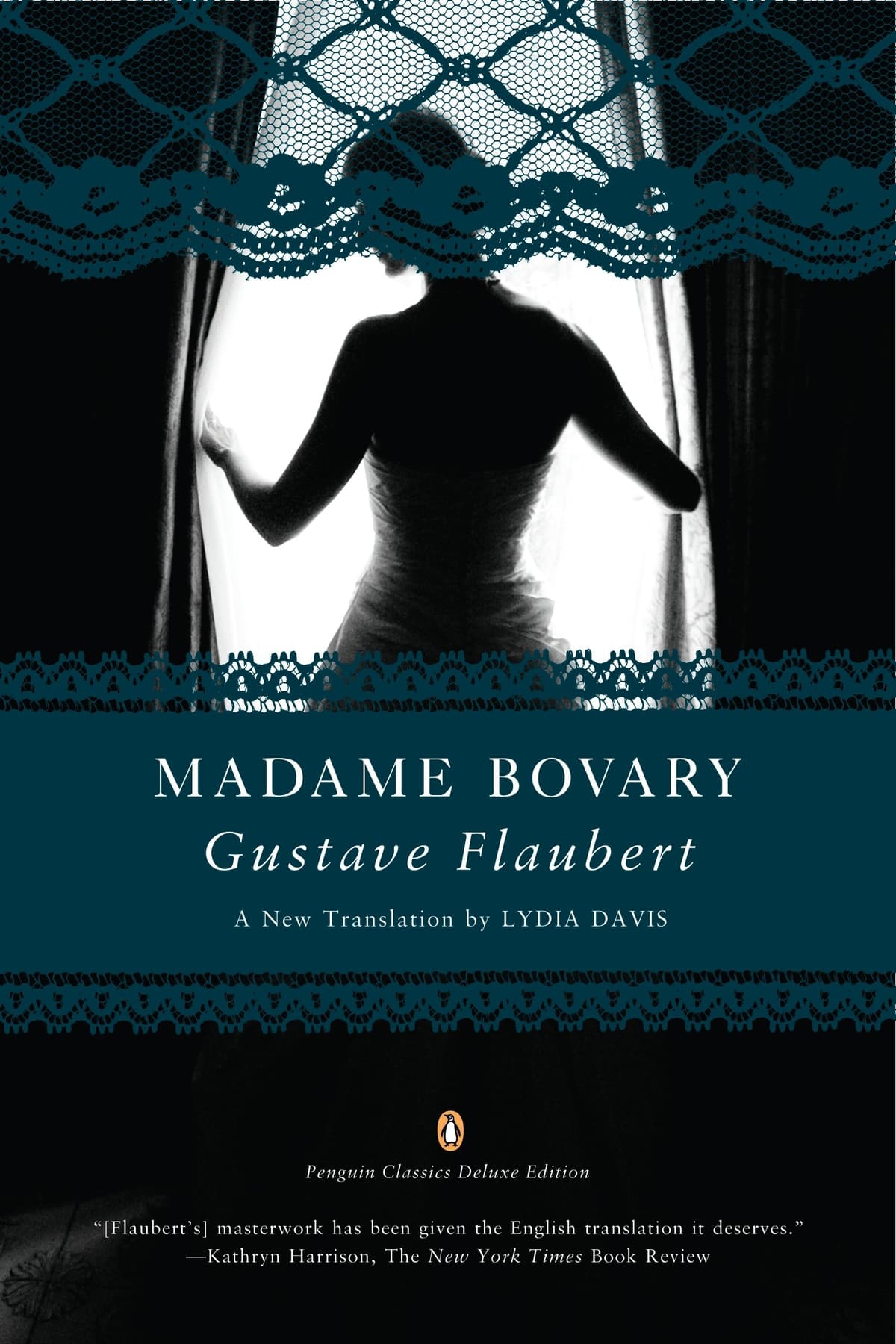 #22View Book
Madame Bovary
Gustave Flaubert
Moderate•12-15 hours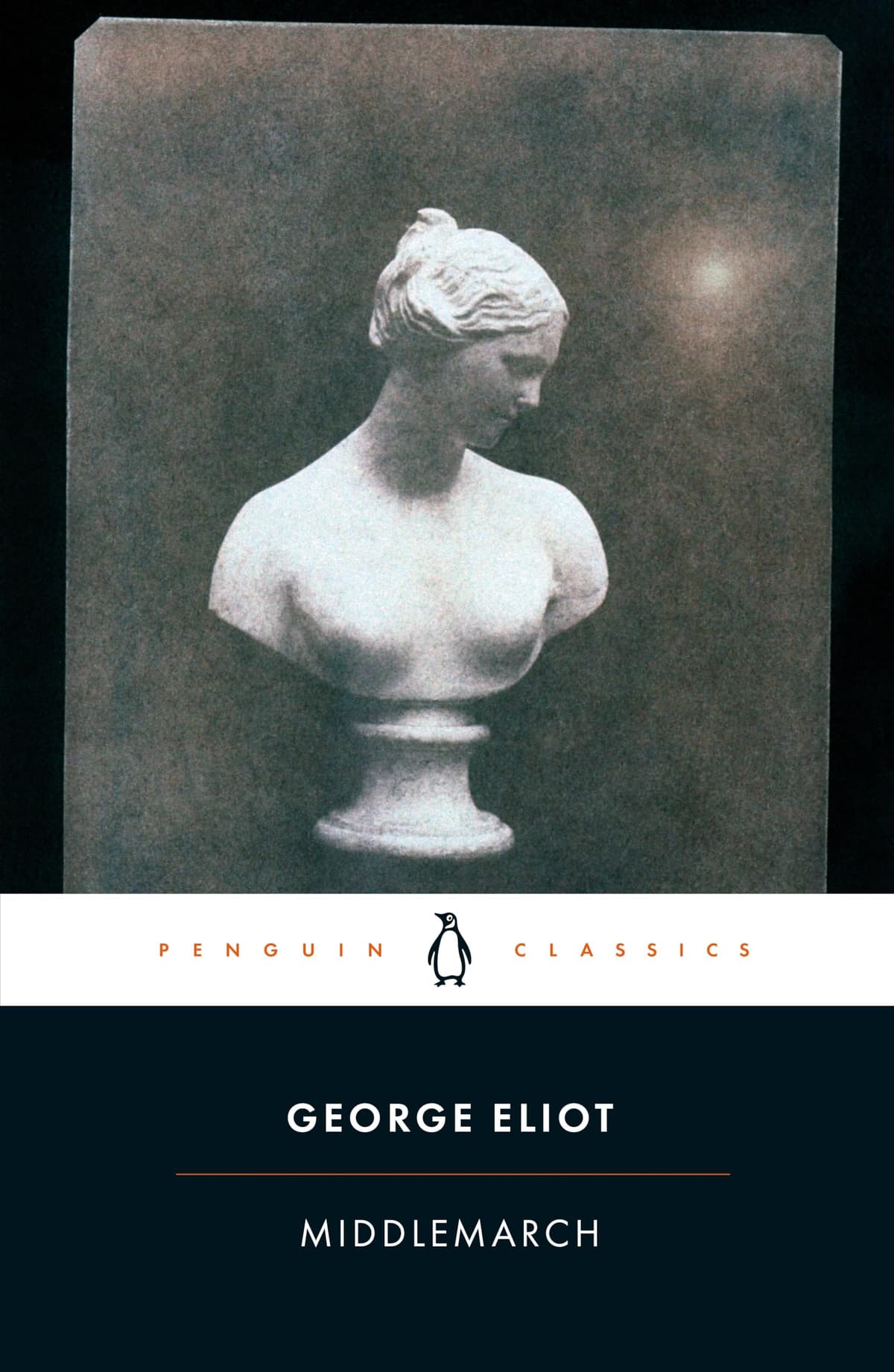 #30View Book
Middlemarch
George Eliot
High•30-35 hours
Browse more collections