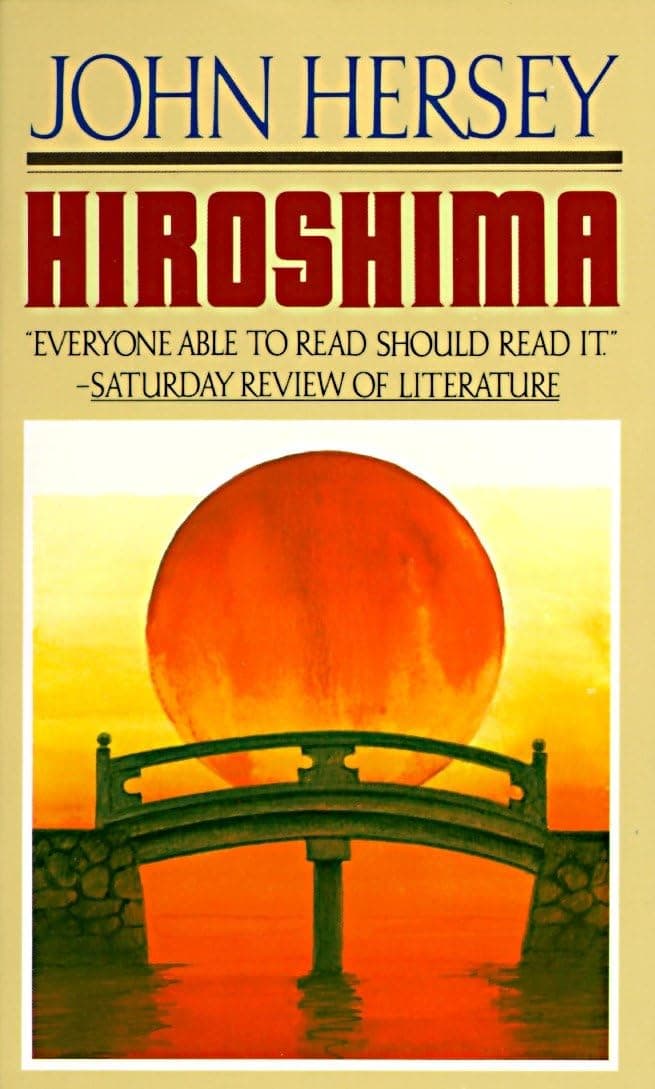
Hiroshima
“There, in the tin factory, in the first moment of the atomic age, a human being was crushed by books.”
Hiroshima Summary
On August 6, 1945, at 8:15 in the morning, an atomic bomb exploded over the city of Hiroshima, and John Hersey's slender, extraordinary book follows six survivors through the hours, days, and years that followed. There is Miss Toshiko Sasaki, a clerk who was buried under a collapsing bookcase and left with a shattered leg; Dr. Masakazu Fujii, who was thrown from his private hospital into the river; Mrs. Hatsuyo Nakamura, a tailor's widow who pulled her children from the wreckage of their house; Father Wilhelm Kleinsorge, a German Jesuit priest wandering dazed through a city of the dead; Dr. Terufumi Sasaki, the only uninjured doctor in a hospital of thousands; and Reverend Kiyoshi Tanimoto, a Methodist pastor who spent the day ferrying the wounded across a river choked with corpses. Hersey records their experiences with a reportorial precision that is all the more devastating for its restraint: no editorializing, no rhetoric, just the calm, meticulous accumulation of detail as ordinary human beings navigate an event that had no precedent in human history.
Originally published as the entire contents of a single issue of The New Yorker in August 1946, Hiroshima is widely regarded as one of the greatest pieces of journalism ever written. Hersey's genius was to resist the temptation of abstraction, to refuse to write about the bomb as a political or military event and instead to focus relentlessly on the human scale: a woman looking for water, a doctor amputating a leg without anesthesia, a priest pulling survivors from a river of fire. The book forced America and the world to confront what the bomb had actually done to individual human beings, and its influence on literary journalism, narrative nonfiction, and the moral vocabulary of the nuclear age has been incalculable.
Why Read Hiroshima?
Hiroshima is one of the most important books ever written, and it will change the way you think about war, technology, and human suffering. John Hersey achieved something that no amount of statistics or political analysis could: he made the atomic bomb real by showing what it did to six ordinary people going about their ordinary mornings. His prose is deliberately flat, almost clinical, and this restraint is what gives the book its devastating power. There are no heroic speeches, no grand narratives of good and evil, just a woman trying to find her children in a city that has ceased to exist, a doctor operating on hundreds of patients with no supplies, a priest pulling the dying from a river. The cumulative effect is overwhelming.
To read Hiroshima is to understand, at the level of the body and the heart, what nuclear weapons actually mean. Hersey published this book less than a year after the bombing, when most Americans thought of the bomb primarily as a military triumph, and it forced an entire nation to reckon with the human cost of its own power. The book remains essential reading today, perhaps more than ever, as the questions it raises about technology, moral responsibility, and the limits of warfare have only grown more urgent. This is a book that should be required reading for every citizen of the nuclear age.
About John Hersey
John Hersey was born in 1914 in Tientsin, China, where his parents served as missionaries. He grew up bilingual in English and Chinese, an experience that gave him an early sensitivity to cultural difference and the human dimensions of political events. He attended Yale and Cambridge, then began his career as a journalist, working as a correspondent for Time magazine during World War II. He covered the fighting in the Pacific, the Allied campaign in Sicily and Italy, and the liberation of Europe, earning a reputation for vivid, deeply humane reporting.
Hiroshima, published in 1946, was a watershed moment in American journalism and literature. The New Yorker devoted an entire issue to the piece, an unprecedented decision, and the book that followed became one of the most widely read works of nonfiction in the twentieth century. Hersey went on to write numerous novels and works of nonfiction, including A Bell for Adano, which won the Pulitzer Prize, The Wall, and The Algiers Motel Incident. He taught writing at Yale for two decades and mentored generations of young writers. Hersey died in 1993, remembered above all for Hiroshima, a work that demonstrated the power of precise, compassionate reporting to shape moral understanding and that set the standard for literary journalism in the nuclear age.
Reading Guide
Ranked #435 among the greatest books of all time, Hiroshima by John Hersey has earned its place in the literary canon. Originally written in English and published in 1946, this accessible read from United States continues to resonate with readers today.
This book belongs to our Modern Mind collection, where you can discover more books that share its spirit and themes.
If you enjoy accessible reads like this one, you might also like The Great Gatsby, The Catcher in the Rye, or Pride and Prejudice.
From the Modern Mind Collection
If you enjoyed Hiroshima, discover more masterpieces that share its spirit.
 #1View Book
Ulysses
James Joyce
Challenging•35-40 hours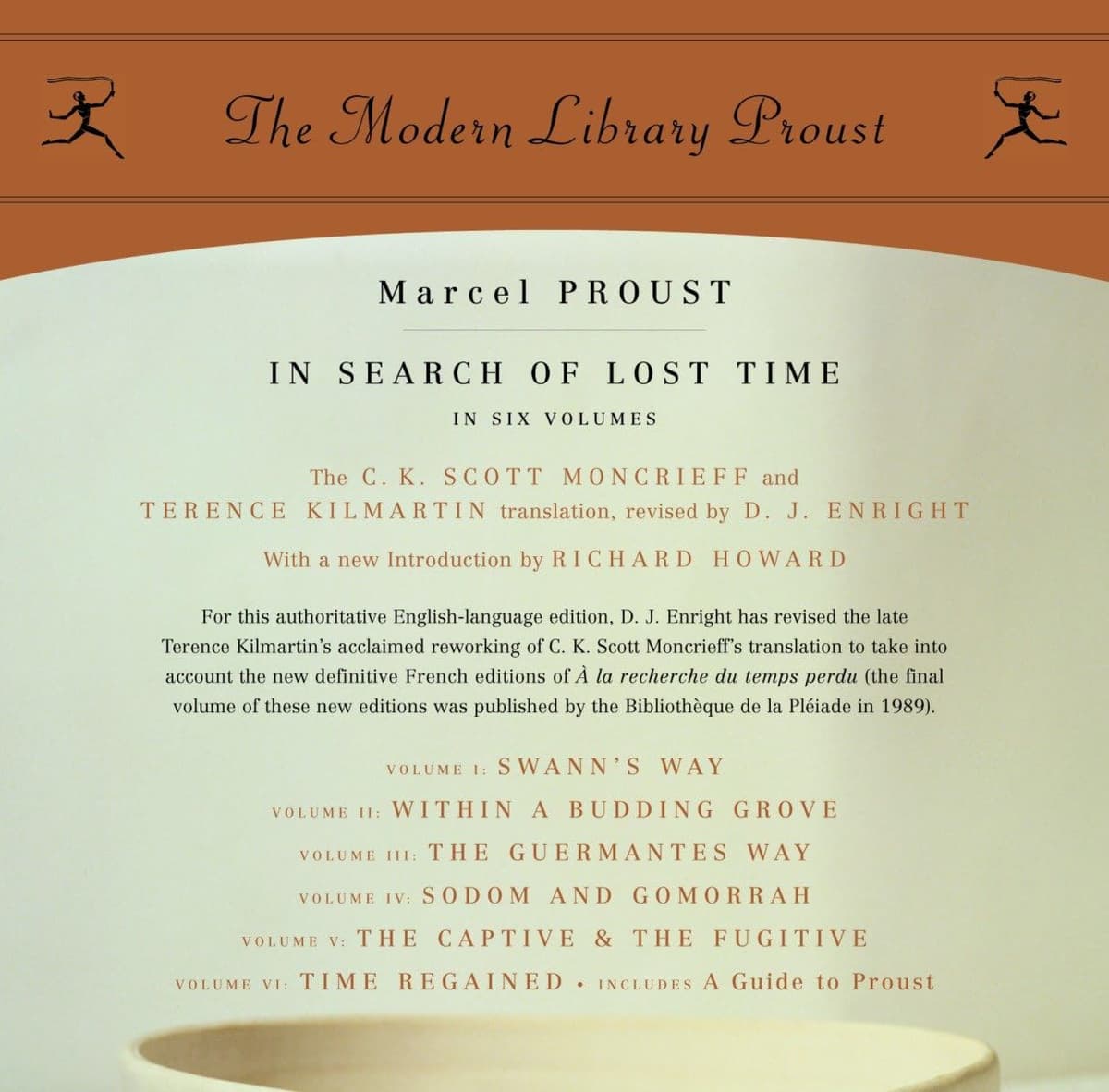 #2View Book
In Search of Lost Time
Marcel Proust
High•100+ hours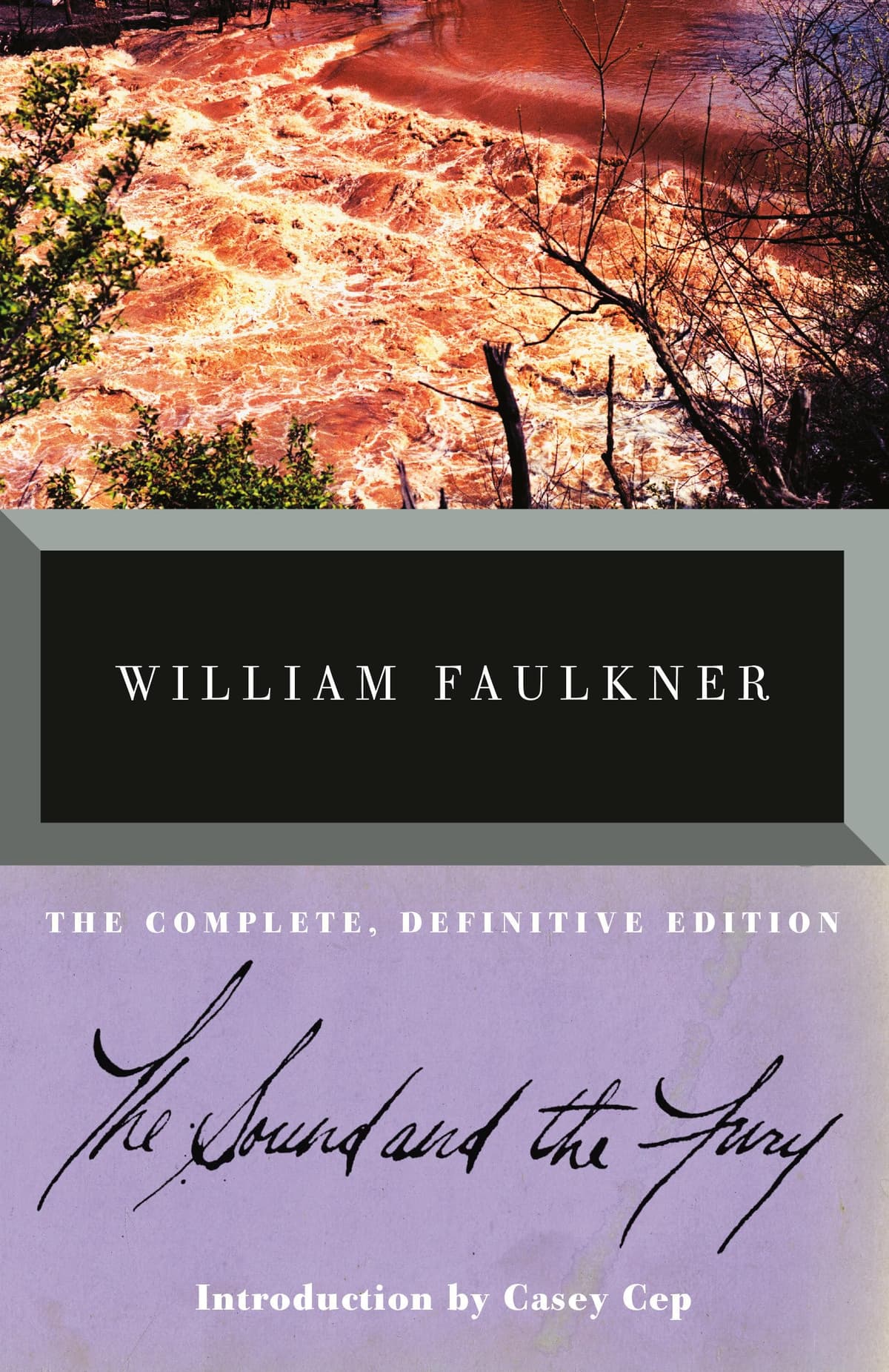 #8View Book
The Sound and the Fury
William Faulkner
Very High•12-15 hours #13View Book
Lolita
Vladimir Nabokov
Challenging•12-15 hours
Browse more collections