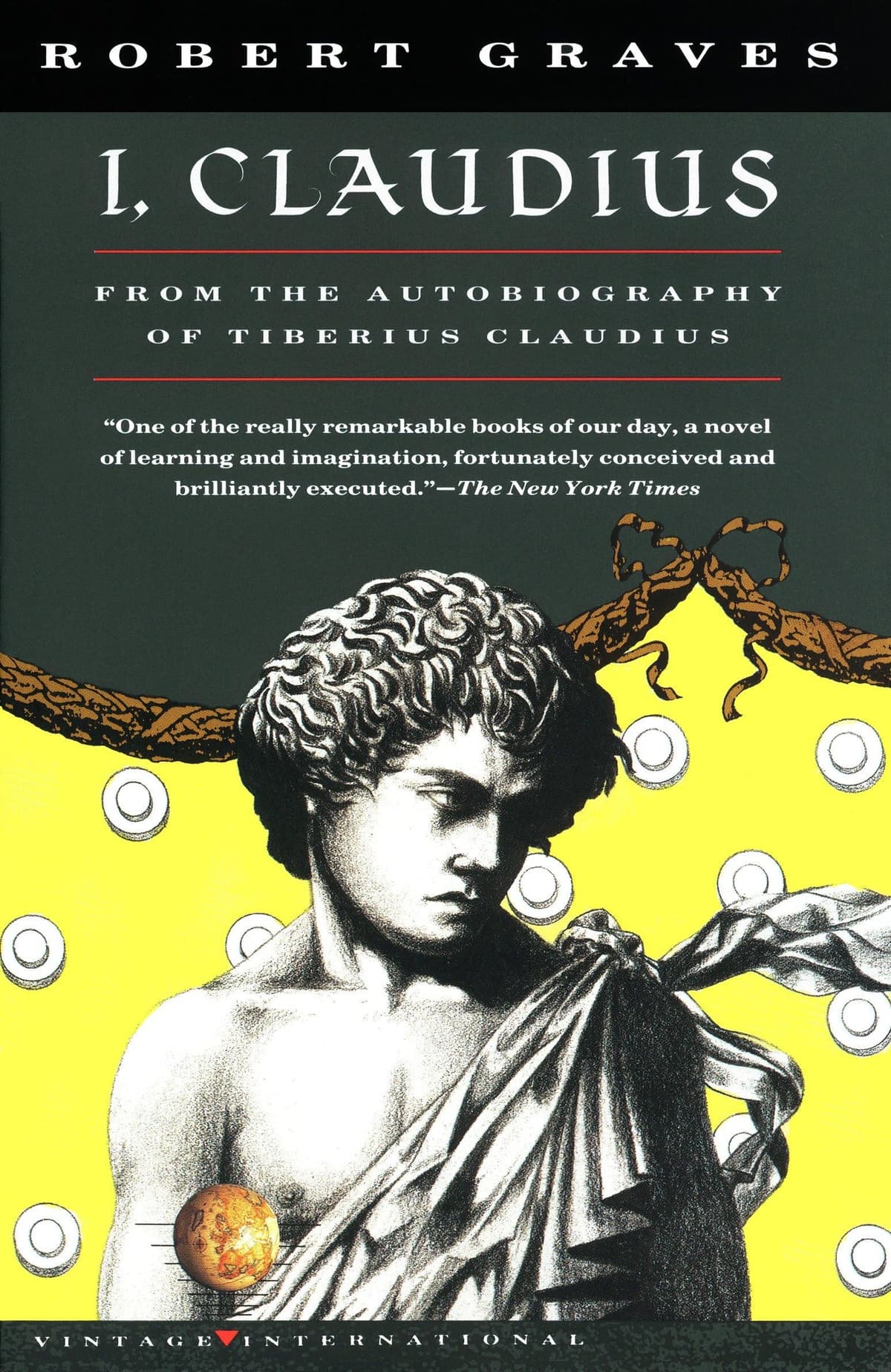
I, Claudius
“Let all the poisons that lurk in the mud hatch out.”
I, Claudius Summary
In the voice of Tiberius Claudius Drusus Nero Germanicus, the stammering, limping, supposedly half-witted member of the Julio-Claudian dynasty, Robert Graves constructs a riveting secret history of Imperial Rome. Claudius narrates from behind the veil of his own perceived idiocy, watching as his relatives scheme, murder, seduce, and betray their way through the reigns of Augustus, Tiberius, and the monstrous Caligula. The corridors of power reek of poison and paranoia: Livia, Claudius's grandmother, orchestrates deaths with the patience of a spider spinning silk; Sejanus consolidates tyrannical control through whispered accusations; and Caligula declares himself a god while Rome trembles. Through it all, Claudius survives precisely because no one considers him a threat, recording everything with the dry, self-deprecating wit of a born historian who happens to be living inside a nightmare.
Graves transforms the classical historical novel into something startlingly modern, using the first-person memoir form to create an intimacy that makes ancient Rome feel as immediate as yesterday's headlines. The novel draws on Suetonius, Tacitus, and Cassius Dio, but Graves's genius lies in giving Claudius a voice that is at once scholarly, wry, and deeply human. I, Claudius is both a masterful work of historical imagination and a timeless meditation on power, survival, and the uses of underestimation. Its portrait of political corruption, dynastic ambition, and the thin membrane separating civilization from savagery remains as relevant as the day it was written.
Why Read I, Claudius?
I, Claudius will make you feel as though you have lived inside the Roman imperial court, breathing its poisoned air and navigating its lethal intrigues. Graves writes with the authority of a classical scholar and the instincts of a born storyteller, creating a narrator so vivid and companionable that you forget you are reading a novel published in 1934 rather than a genuine autobiography unearthed from the ruins of the Palatine Hill. Claudius's voice, self-aware, ironic, and quietly brave, is one of the great narrative achievements of twentieth-century fiction.
Beyond its sheer entertainment value, this novel offers a profound meditation on how intelligence and decency survive in systems designed to reward cruelty. If you have ever felt overlooked or underestimated, Claudius is your unlikely hero. If you want to understand how empires rot from within, how propaganda shapes reality, and how the most dangerous people are often those who seem least threatening, this book will reward you many times over. It is that rare historical novel that illuminates both its chosen era and our own with equal brilliance.
About Robert Graves
Robert Graves was born in 1895 in Wimbledon, England, into a literary family. He fought in the First World War as an officer in the Royal Welch Fusiliers, was severely wounded at the Battle of the Somme, and was even mistakenly reported dead. His war memoir, Good-Bye to All That, became one of the defining accounts of the conflict. After the war, he studied at Oxford, and in 1929 left England for Majorca, where he would live for most of the rest of his life.
Graves was a remarkably prolific and versatile writer. Beyond I, Claudius and its sequel Claudius the God, he produced over 140 books, including poetry, criticism, mythology, and historical fiction. His study The White Goddess proposed a unified theory of poetic myth that influenced generations of poets and scholars. He was Professor of Poetry at Oxford and received numerous honors throughout his career. Graves died in Majorca in 1985 at the age of ninety. He remains one of the twentieth century's most accomplished men of letters, a writer whose classical learning and narrative gift combined to produce works of enduring power.
Reading Guide
Ranked #436 among the greatest books of all time, I, Claudius by Robert Graves has earned its place in the literary canon. Originally written in English and published in 1934, this moderate read from United Kingdom continues to resonate with readers today.
This book belongs to our Society & Satire collection, where you can discover more books that share its spirit and themes.
If you enjoy moderate reads like this one, you might also like One Hundred Years of Solitude, Nineteen Eighty-Four, or Wuthering Heights.
From the Society & Satire Collection
If you enjoyed I, Claudius, discover more masterpieces that share its spirit.
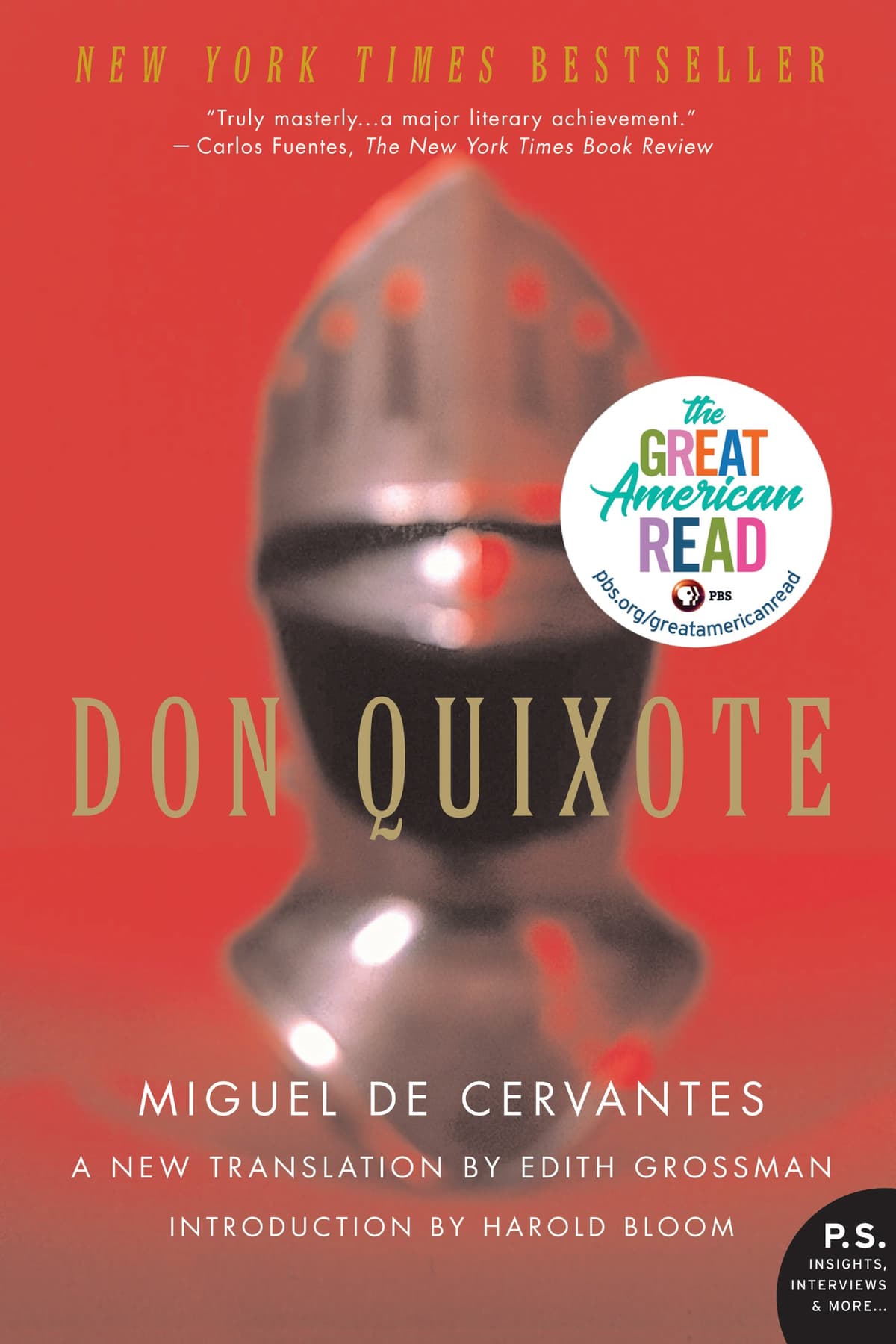 #9View Book
Don Quixote
Miguel de Cervantes
High•35-40 hours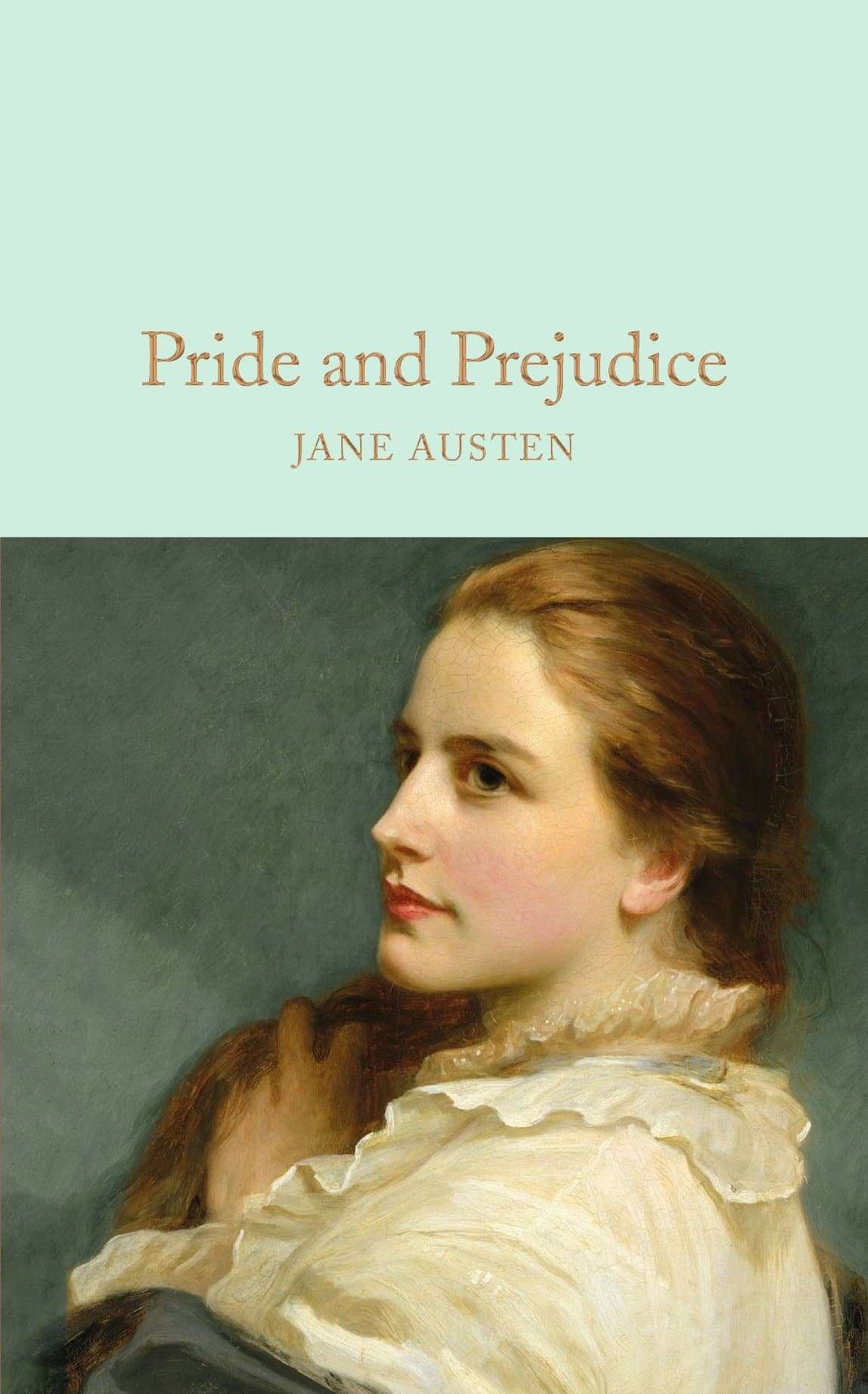 #12View Book
Pride and Prejudice
Jane Austen
Accessible•10-12 hours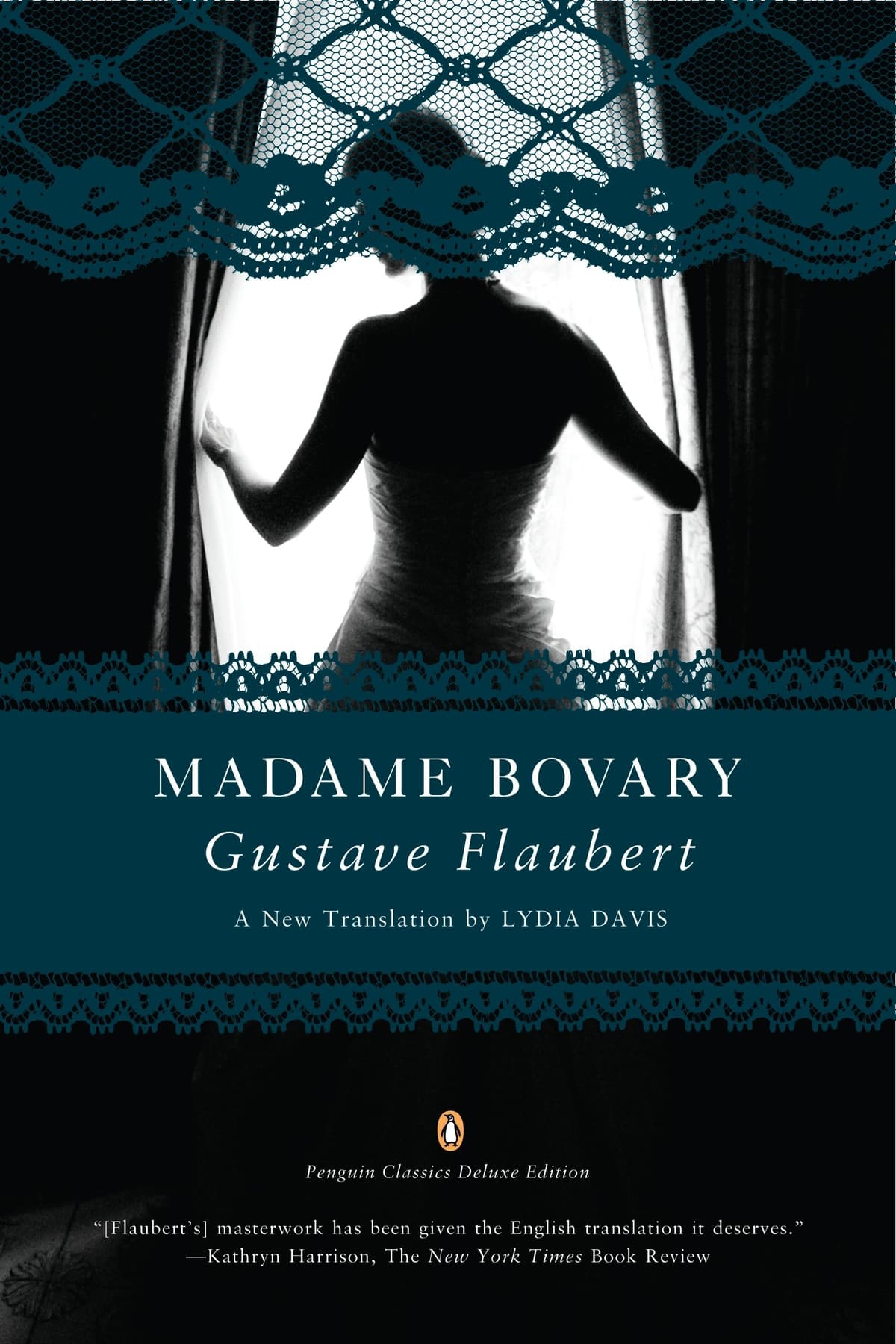 #22View Book
Madame Bovary
Gustave Flaubert
Moderate•12-15 hours #30View Book
Middlemarch
George Eliot
High•30-35 hours
Browse more collections