The Mill on the Floss
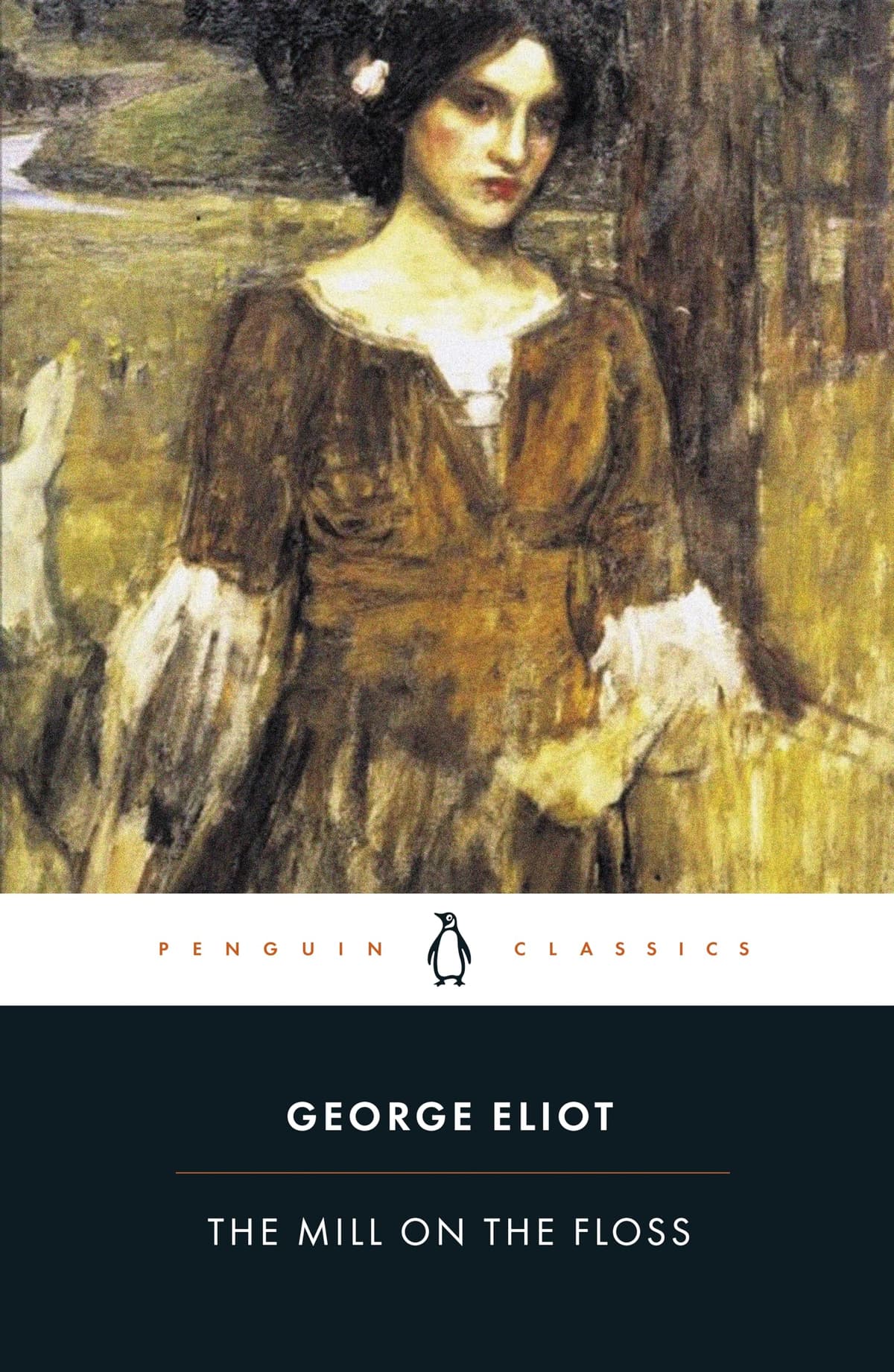
“The happiest women, like the happiest nations, have no history.”
The Mill on the Floss Summary
On the banks of the River Floss in the English Midlands, Maggie Tulliver grows up hungry for knowledge, affection, and a life larger than the one her provincial world is prepared to offer. She is the dark-haired, impulsive daughter of the miller Mr. Tulliver, who adores her but cannot fathom her intelligence, and the sister of Tom, whose conventional mind and rigid sense of duty increasingly clash with Maggie's passionate nature. When Mr. Tulliver loses a ruinous lawsuit against the cunning lawyer Wakem, the family is plunged into debt and humiliation, and Tom dedicates himself to restoring the family honor with an iron determination that leaves no room for Maggie's yearnings. As she grows into womanhood, Maggie is drawn to Philip Wakem, the sensitive, hunchbacked son of her father's enemy, and later to Stephen Guest, the handsome, wealthy suitor of her cousin Lucy. Each attachment brings Maggie into devastating conflict with her family loyalty, her community's expectations, and her own fierce conscience.
George Eliot's second novel is one of the great Victorian studies of a woman whose inner life is too large for the world she inhabits. The Mill on the Floss draws on Eliot's own childhood in rural Warwickshire, and the early chapters depicting Maggie and Tom's youth along the river are among the most tenderly observed passages in English literature. But the novel darkens as it traces the collision between individual desire and social convention, between a woman's right to self-determination and the claims of duty, family, and community. The River Floss itself, beautiful and destructive, becomes the novel's central symbol, its catastrophic flooding providing a conclusion that remains one of the most debated endings in Victorian fiction.
Why Read The Mill on the Floss?
The Mill on the Floss contains one of the most psychologically real heroines in all of fiction. Maggie Tulliver's hunger for love, knowledge, and meaning, and her agonized awareness that satisfying any of these hungers will exact a terrible price, will resonate with anyone who has ever felt too much for the world they were born into. George Eliot writes about the inner lives of her characters with a depth and precision that anticipates modern psychology, and her portrait of the sibling bond between Maggie and Tom, its tenderness and its cruelty, is devastating in its accuracy.
Beyond its remarkable characterization, this novel offers a profound meditation on the choices faced by intelligent women in restrictive societies, a theme that has lost none of its relevance. Eliot refuses easy resolutions: Maggie's dilemmas are genuinely agonizing because neither self-sacrifice nor self-fulfillment comes without catastrophic cost. The novel's evocation of the English countryside, the river, the mill, the rhythms of provincial life, creates a world as immersive as any in Victorian literature. If you love novels that combine intellectual depth with emotional power, The Mill on the Floss belongs on your shelf.
About George Eliot
George Eliot was the pen name of Mary Ann Evans, born in 1819 in Warwickshire, England. Raised in a devout Anglican household, she lost her faith in her early twenties after encountering the writings of Charles Hennell and David Friedrich Strauss, a rupture that estranged her from her father and set her on a path of fierce intellectual independence. She moved to London, became the editor of the prestigious Westminster Review, and entered the literary and philosophical circles that included Herbert Spencer, John Stuart Mill, and George Henry Lewes, with whom she lived in an unconventional union for over two decades.
Eliot began writing fiction in her late thirties and produced a body of work that stands among the supreme achievements of the English novel. Middlemarch, often called the greatest novel in the English language, was followed by Adam Bede, The Mill on the Floss, Silas Marner, and Daniel Deronda. Her fiction is distinguished by its psychological depth, its moral seriousness, its sympathy for ordinary human struggle, and its insistence that ethical life demands the constant exercise of imagination. Eliot died in 1880, and her influence on the development of literary realism, from Henry James to Virginia Woolf to contemporary fiction, has been immeasurable.
Reading Guide
Ranked #443 among the greatest books of all time, The Mill on the Floss by George Eliot has earned its place in the literary canon. Originally written in English and published in 1860, this moderate read from United Kingdom continues to resonate with readers today.
This book belongs to our Love & Loss and Society & Satire collections, where you can discover more books that share its spirit and themes.
If you enjoy moderate reads like this one, you might also like One Hundred Years of Solitude, Nineteen Eighty-Four, or Wuthering Heights.
From the Love & Loss Collection
If you enjoyed The Mill on the Floss, discover more masterpieces that share its spirit.
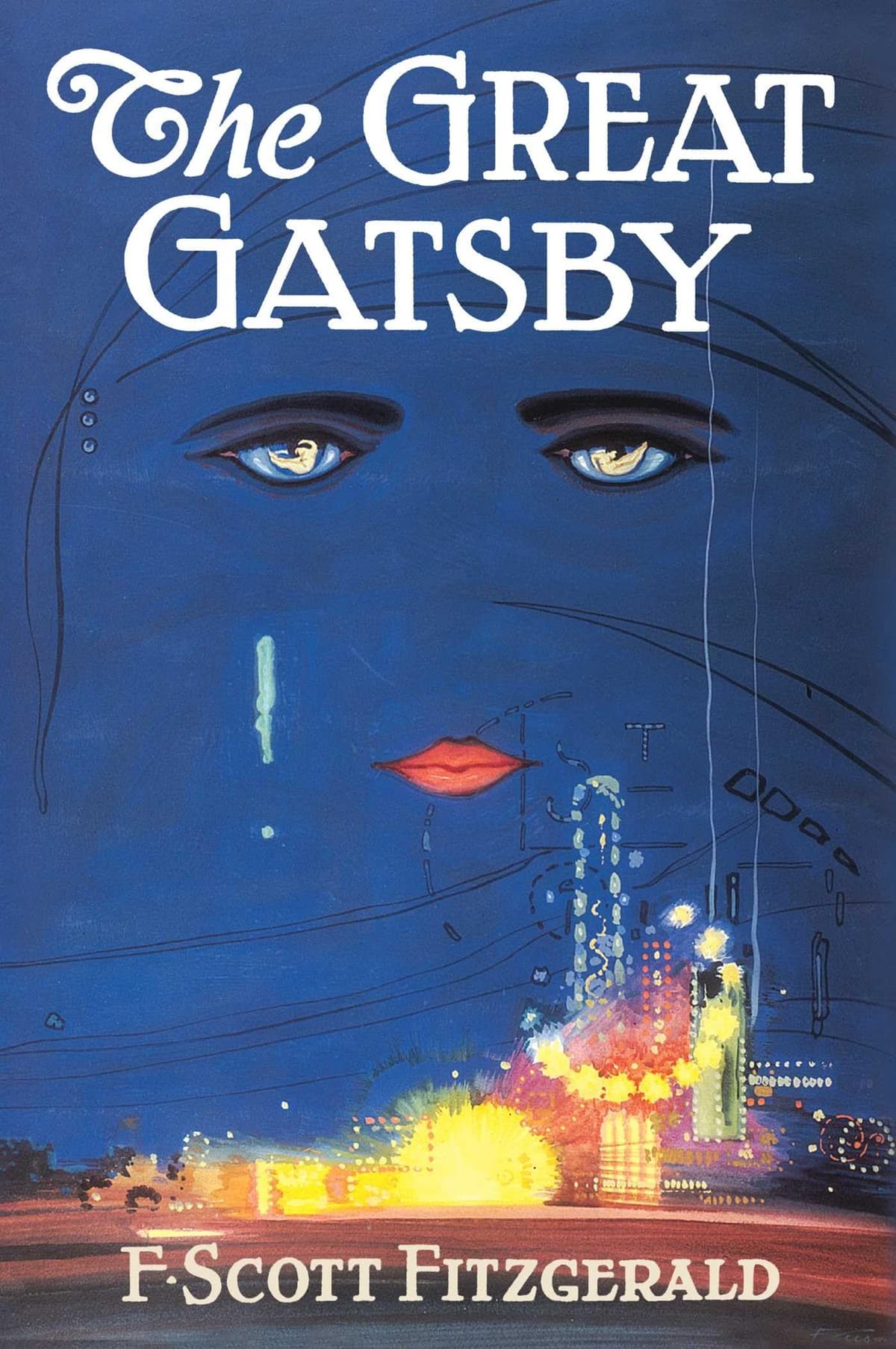 #3View Book
The Great Gatsby
F. Scott Fitzgerald
Accessible•5-6 hours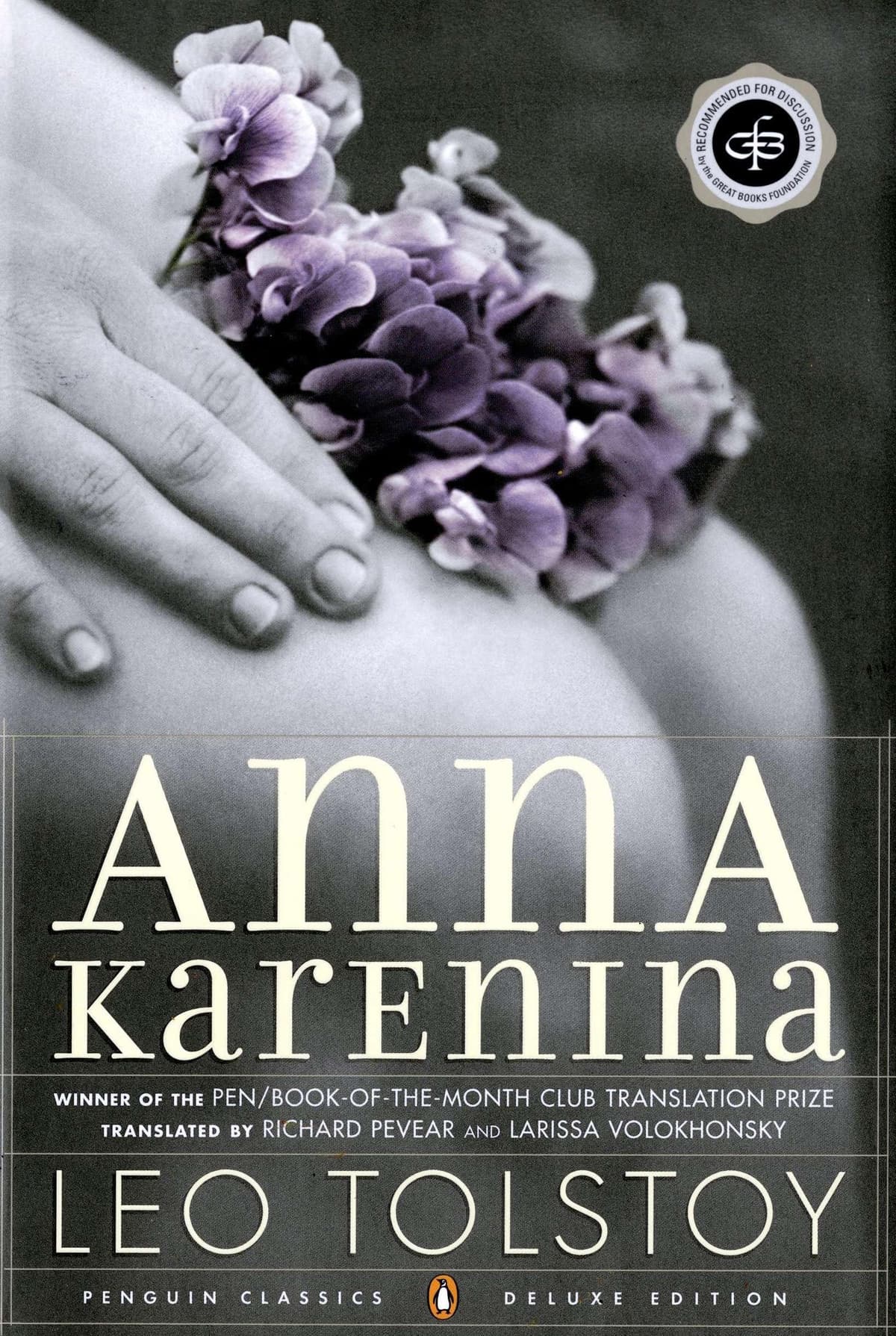 #10View Book
Anna Karenina
Leo Tolstoy
High•30-35 hours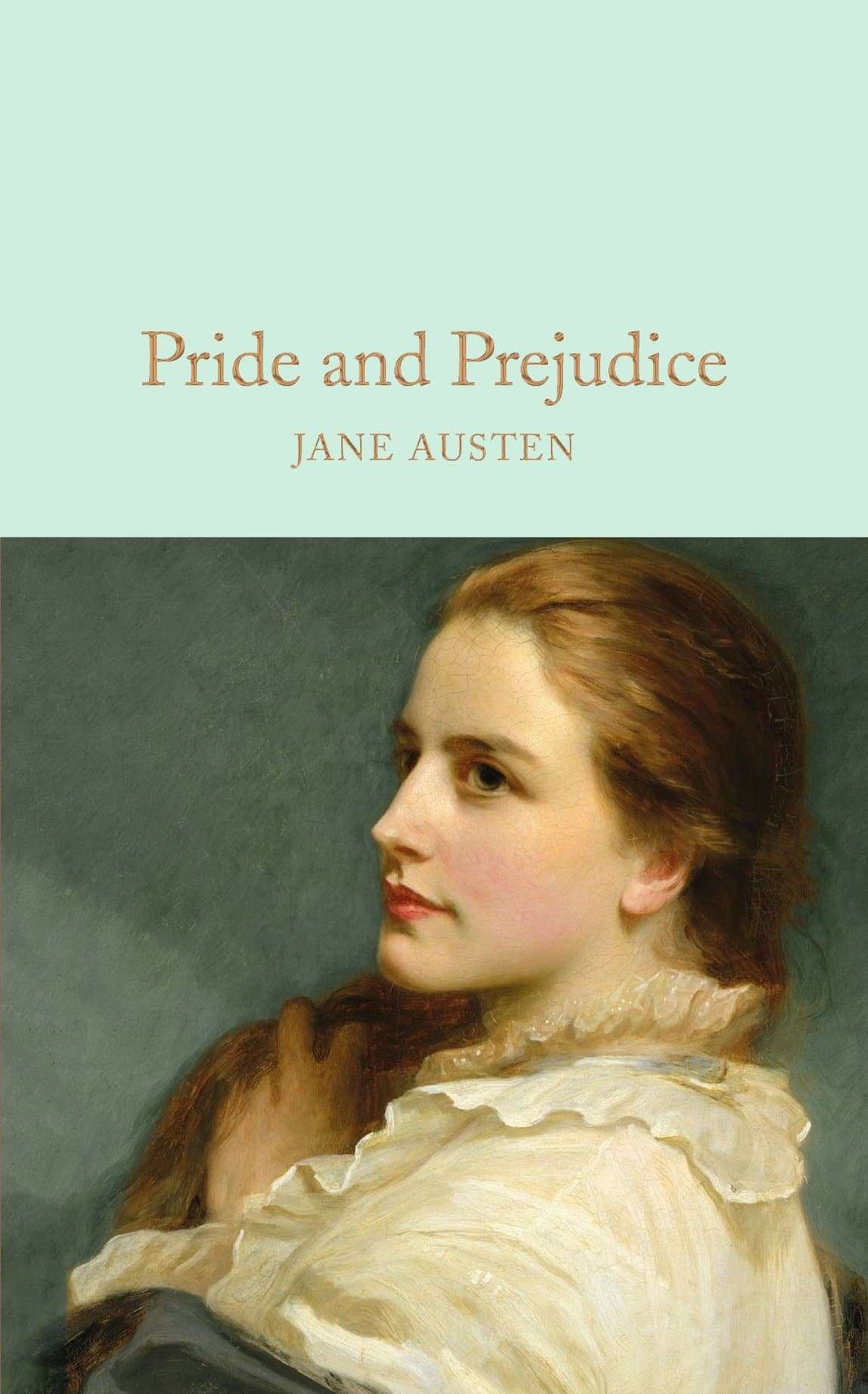 #12View Book
Pride and Prejudice
Jane Austen
Accessible•10-12 hours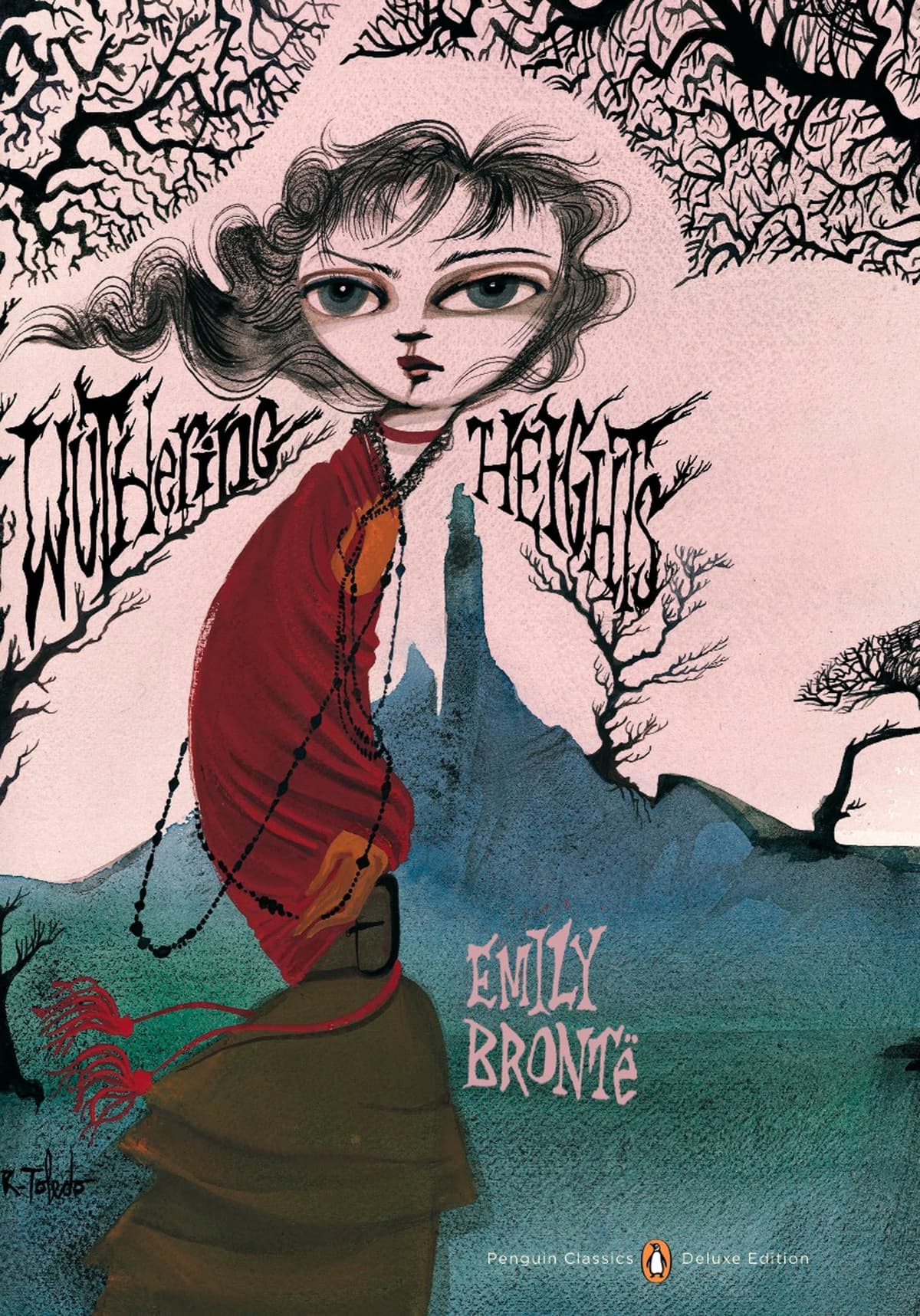 #15View Book
Wuthering Heights
Emily Brontë
Moderate•10-12 hours
Browse more collections