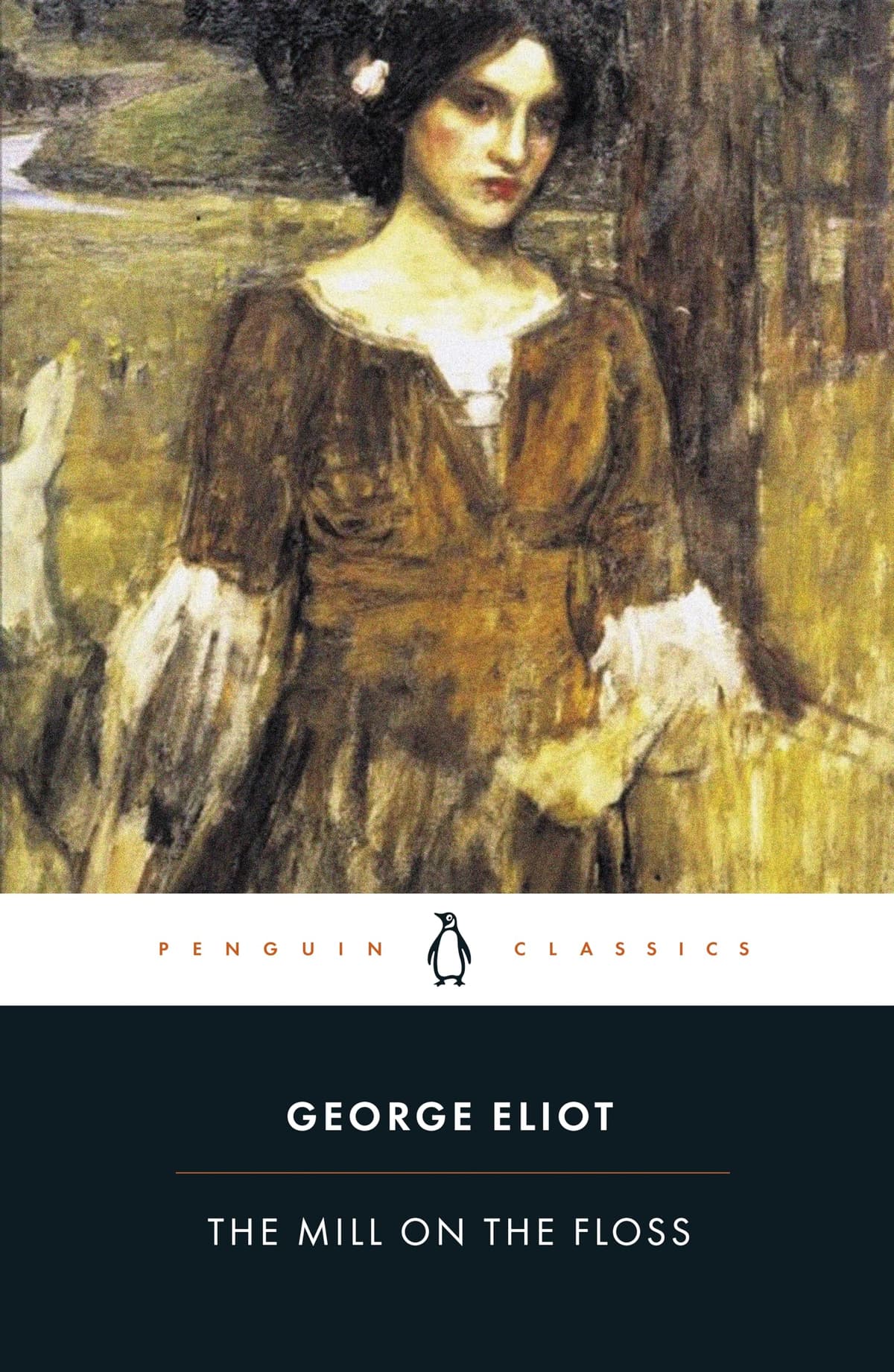
Critique of Pure Reason
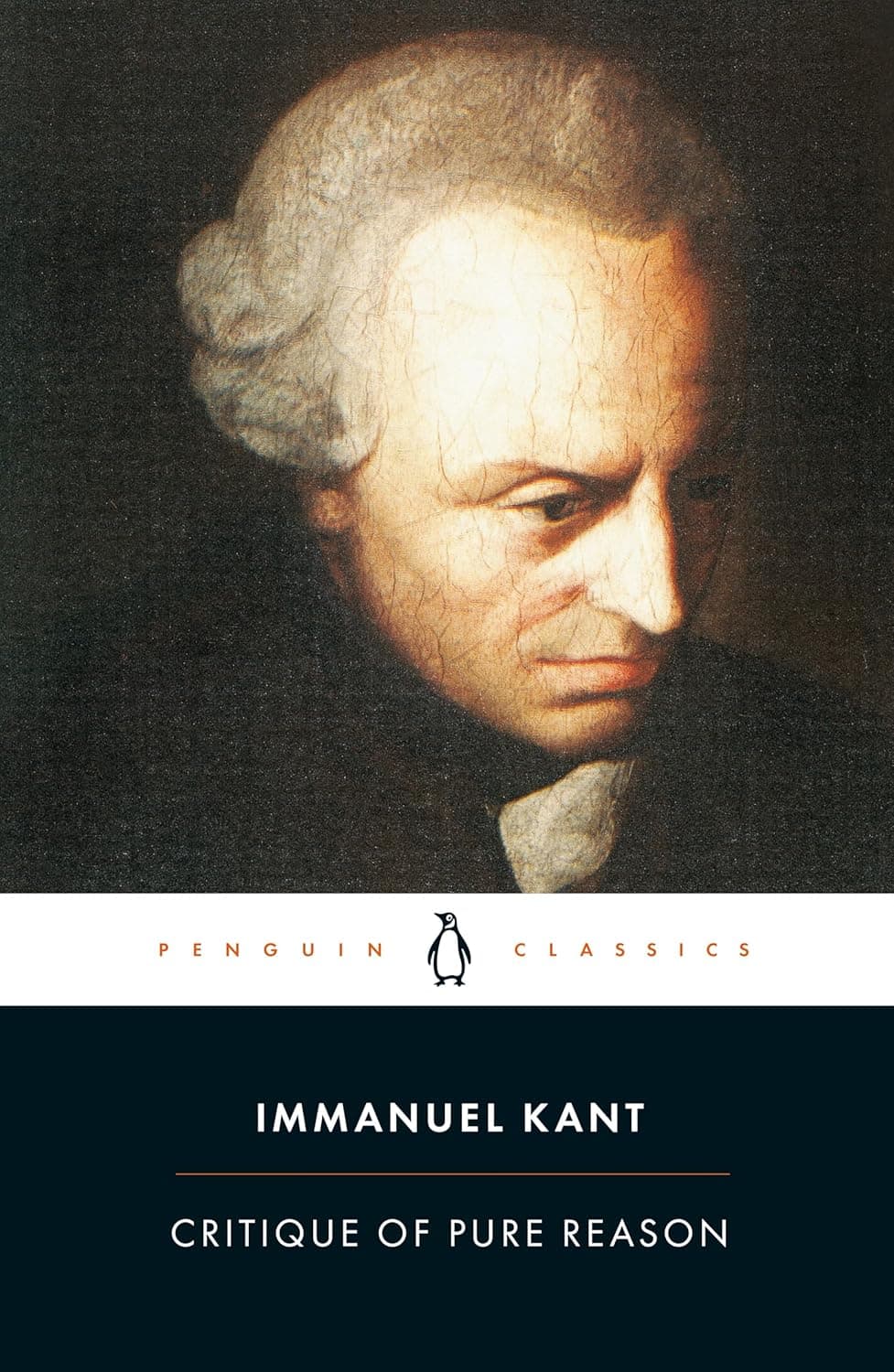
“Thoughts without content are empty, intuitions without concepts are blind.”
Critique of Pure Reason Summary
Immanuel Kant's monumental treatise undertakes nothing less than a complete investigation of the powers and limits of human reason itself. Writing in response to the crisis created by David Hume's skepticism and the dogmatic claims of rationalist metaphysics, Kant proposes a revolutionary framework: the mind does not passively receive the world as it is but actively structures experience through innate categories of understanding, such as causality, substance, and unity, and the pure forms of intuition, space and time. Knowledge, Kant argues, is possible only where these mental structures intersect with sensory experience. This means that while we can have genuine knowledge of the world as it appears to us, the phenomenal world, we can never know things as they are in themselves, the noumenal realm. The great questions of traditional metaphysics, the existence of God, the immortality of the soul, the freedom of the will, lie forever beyond the reach of theoretical reason, though they remain vital for practical and moral life.
The Critique of Pure Reason is one of the most difficult and consequential works in the history of philosophy. Kant's so-called Copernican revolution, the idea that objects conform to our knowledge rather than our knowledge conforming to objects, transformed epistemology, metaphysics, and the philosophy of science. Every subsequent philosopher, from Hegel to Heidegger, from the logical positivists to the phenomenologists, has had to contend with Kant's arguments. The work's architectonic structure, its relentless pursuit of systematic completeness, and its dense, technical prose make it a formidable challenge, but its central insights about the active role of the mind in constructing experience remain among the most profound ideas ever articulated.
Why Read Critique of Pure Reason?
The Critique of Pure Reason is the kind of book that, once genuinely understood, changes the way you think permanently. Kant does not merely argue a philosophical position; he constructs an entirely new framework for understanding how knowledge is possible in the first place. To engage seriously with this work is to discover that many of your most basic assumptions about reality, perception, and the reach of reason require radical revision. It is the rare philosophical text that actually delivers on the promise of intellectual transformation.
This is, admittedly, one of the most demanding books ever written. Kant himself acknowledged its difficulty, and generations of readers have struggled with its technical vocabulary and labyrinthine architecture. But the rewards are commensurate with the effort. Once you grasp the central insight, that the mind is not a passive mirror of nature but an active participant in constructing experience, you will see its implications everywhere: in science, in morality, in art, in the very act of reading these words. If you want to understand the foundations of modern thought, there is no way around this book. There is only through.
About Immanuel Kant
Immanuel Kant was born in 1724 in Konigsberg, Prussia, a city he famously never left. The son of a saddler, he was raised in a devout Pietist household and educated at the University of Konigsberg, where he would spend his entire academic career. His daily routine was so regular that neighbors reportedly set their clocks by his afternoon walks. Beneath this legendary monotony, however, burned one of the most revolutionary minds in human history.
Kant's three Critiques, the Critique of Pure Reason, the Critique of Practical Reason, and the Critique of Judgment, constitute the most ambitious philosophical system since Aristotle. His work fundamentally reshaped epistemology, ethics, aesthetics, and the philosophy of religion. His moral philosophy, centered on the categorical imperative, remains a cornerstone of ethical theory. His influence extends far beyond philosophy into science, political theory, and the arts. Kant died in 1804, and his last reported words were 'It is enough.' He had, by any measure, accomplished enough for several lifetimes, establishing the framework within which virtually all subsequent Western philosophy has operated.
Reading Guide
Ranked #442 among the greatest books of all time, Critique of Pure Reason by Immanuel Kant has earned its place in the literary canon. Originally written in German and published in 1781, this very high read from Germany continues to resonate with readers today.
This book belongs to our Philosophy & Faith collection, where you can discover more books that share its spirit and themes.
If you enjoy very high reads like this one, you might also like The Sound and the Fury, War and Peace, or The Brothers Karamazov.
From the Philosophy & Faith Collection
If you enjoyed Critique of Pure Reason, discover more masterpieces that share its spirit.
 #11View Book
Crime and Punishment
Fyodor Dostoevsky
High•20-25 hours #18View Book
The Bible
Various
Variable•60-80 hours #19View Book
The Brothers Karamazov
Fyodor Dostoevsky
Very High•35-40 hours #21View Book
The Stranger
Albert Camus
Moderate•3-4 hours
Browse more collections