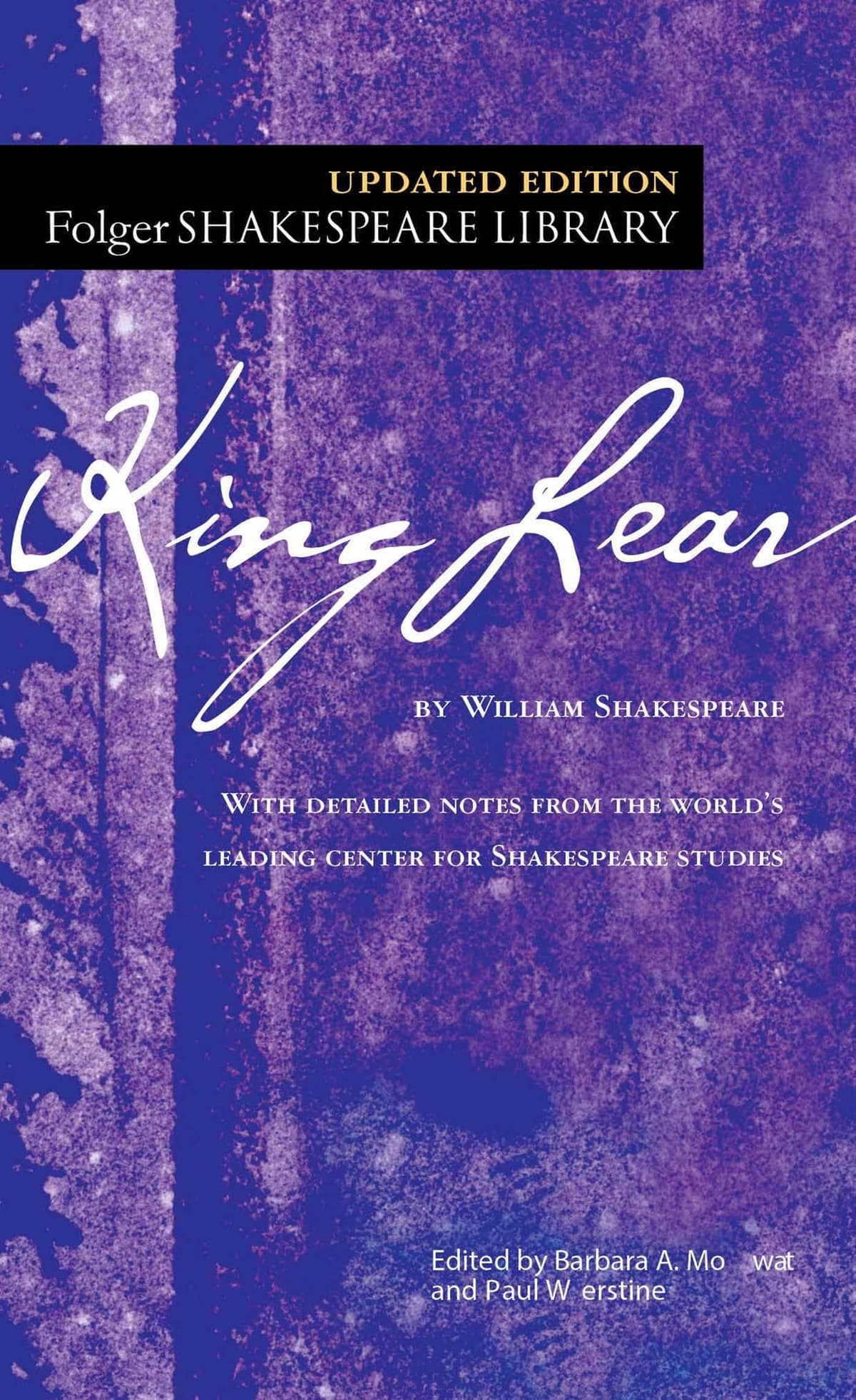
King Lear
“As flies to wanton boys are we to the gods; they kill us for their sport.”
King Lear Summary
An aging king decides to divide his realm among his three daughters based on how eloquently they profess their love. Two daughters, Goneril and Regan, flatter him with extravagant declarations; the third, Cordelia, refuses to play the game and says simply that she loves him according to her bond—no more, no less. Lear banishes Cordelia in a rage, and in doing so sets in motion the most harrowing tragedy Shakespeare ever wrote.
Stripped of his power, his retinue, and finally his sanity, Lear is cast out into a storm that mirrors the chaos in his mind. On a blasted heath, accompanied only by a Fool and a madman, the old king discovers truths about justice, suffering, and human cruelty that his throne had hidden from him. Meanwhile, a parallel plot—the Earl of Gloucester, betrayed by one son and saved by another—doubles and deepens the play's devastating vision of a world where the good are destroyed alongside the wicked.
Why Read King Lear?
King Lear is Shakespeare's most extreme play—and arguably the greatest single work in Western literature. It strips away every comfort, every consolation, every reassurance that suffering has meaning, and forces us to stare into the void. Samuel Johnson found the ending so unbearable that he could not reread it; for nearly 150 years, theaters performed a rewritten version with a happy ending because audiences could not endure the original.
But it is precisely this unflinching honesty that gives King Lear its transcendent power. Lear's journey from tyrannical vanity to shattered wisdom is the most searing portrait of old age, grief, and moral awakening ever written. The play asks whether the universe is governed by justice or by nothing at all, and the answer it gives—or refuses to give—has haunted every generation since. To experience King Lear is to be changed by it.
About William Shakespeare
William Shakespeare (1564–1616) was born in Stratford-upon-Avon and became the most celebrated playwright in the history of Western civilization. He wrote at least thirty-seven plays, one hundred and fifty-four sonnets, and several narrative poems, working as actor, shareholder, and principal dramatist of the King's Men.
King Lear belongs to the extraordinary period between 1604 and 1607 when Shakespeare produced his four greatest tragedies—Othello, King Lear, Macbeth, and Antony and Cleopatra—in rapid succession. These plays represent the summit of dramatic art, works of such psychological depth and linguistic power that they have defined how we think about tragedy, ambition, jealousy, and the fragility of the human mind.
Reading Guide
Ranked #133 among the greatest books of all time, King Lear by William Shakespeare has earned its place in the literary canon. Originally written in English and published in c. 1606, this challenging read from United Kingdom continues to resonate with readers today.
This book belongs to our Love & Loss and Philosophy & Faith collections, where you can discover more books that share its spirit and themes.
If you enjoy challenging reads like this one, you might also like Ulysses, Moby-Dick, or Lolita.
From the Love & Loss Collection
If you enjoyed King Lear, discover more masterpieces that share its spirit.
 #3View Book
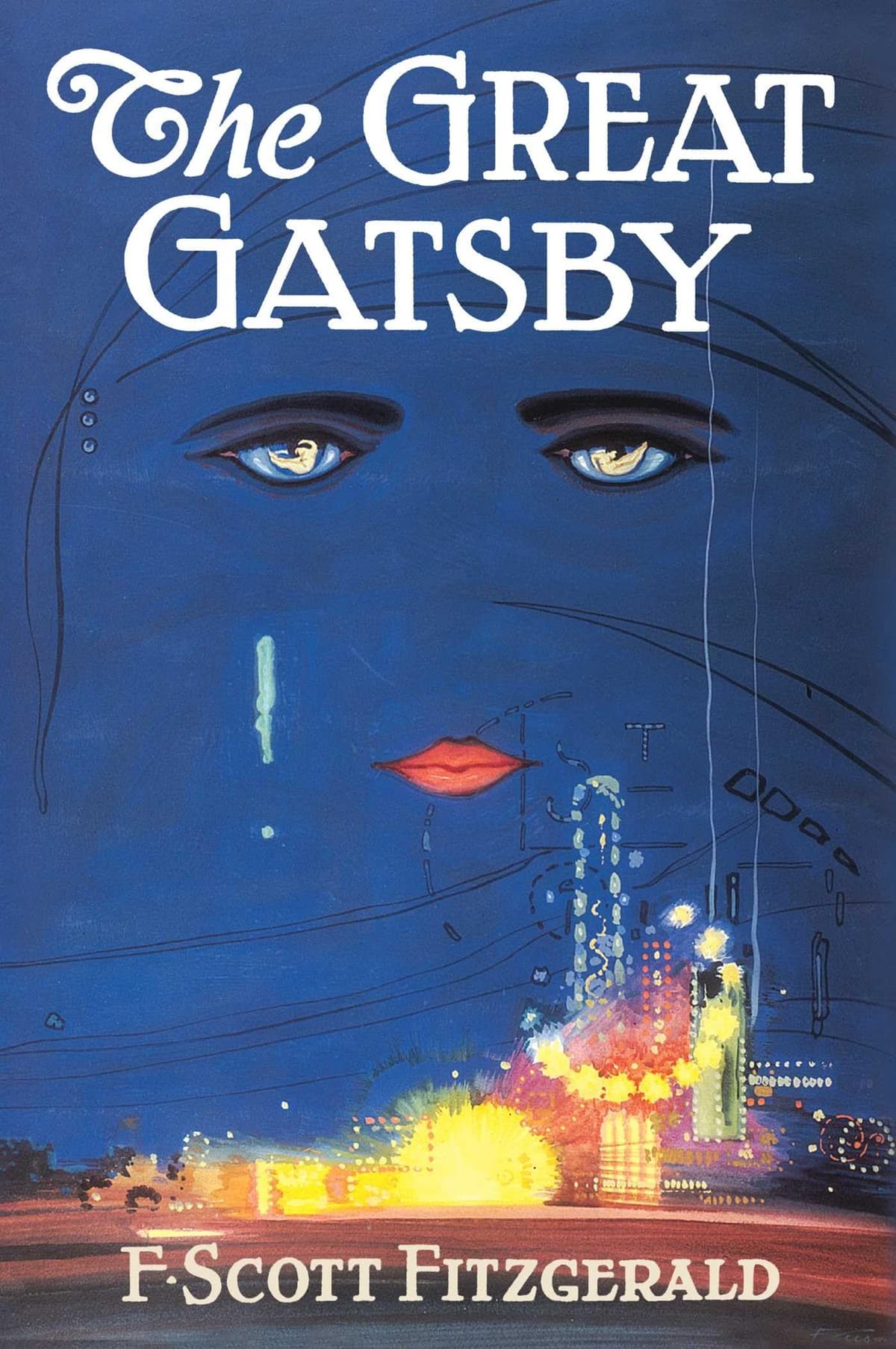
The Great Gatsby
F. Scott Fitzgerald
Accessible•5-6 hours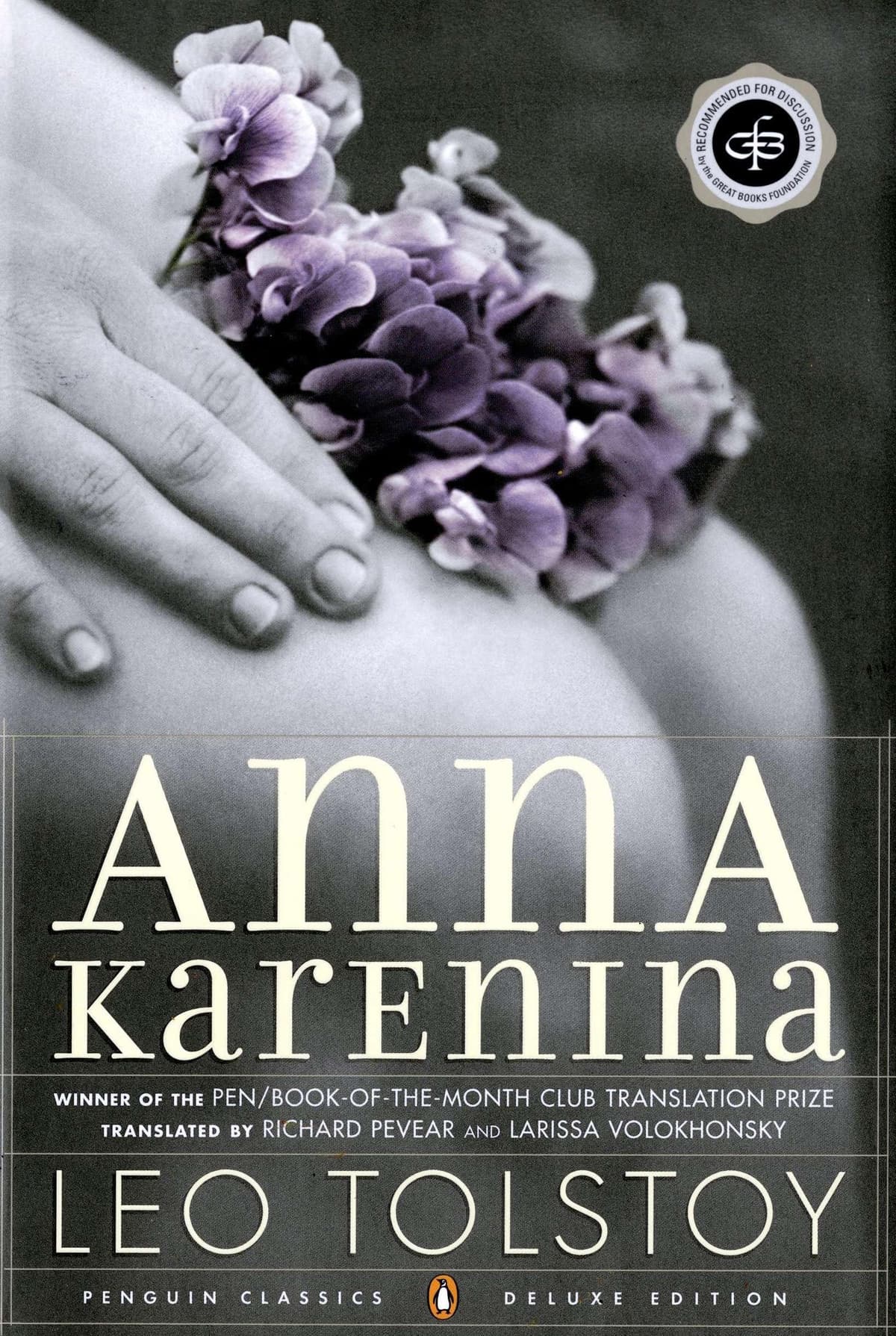 #10View Book
Anna Karenina
Leo Tolstoy
High•30-35 hours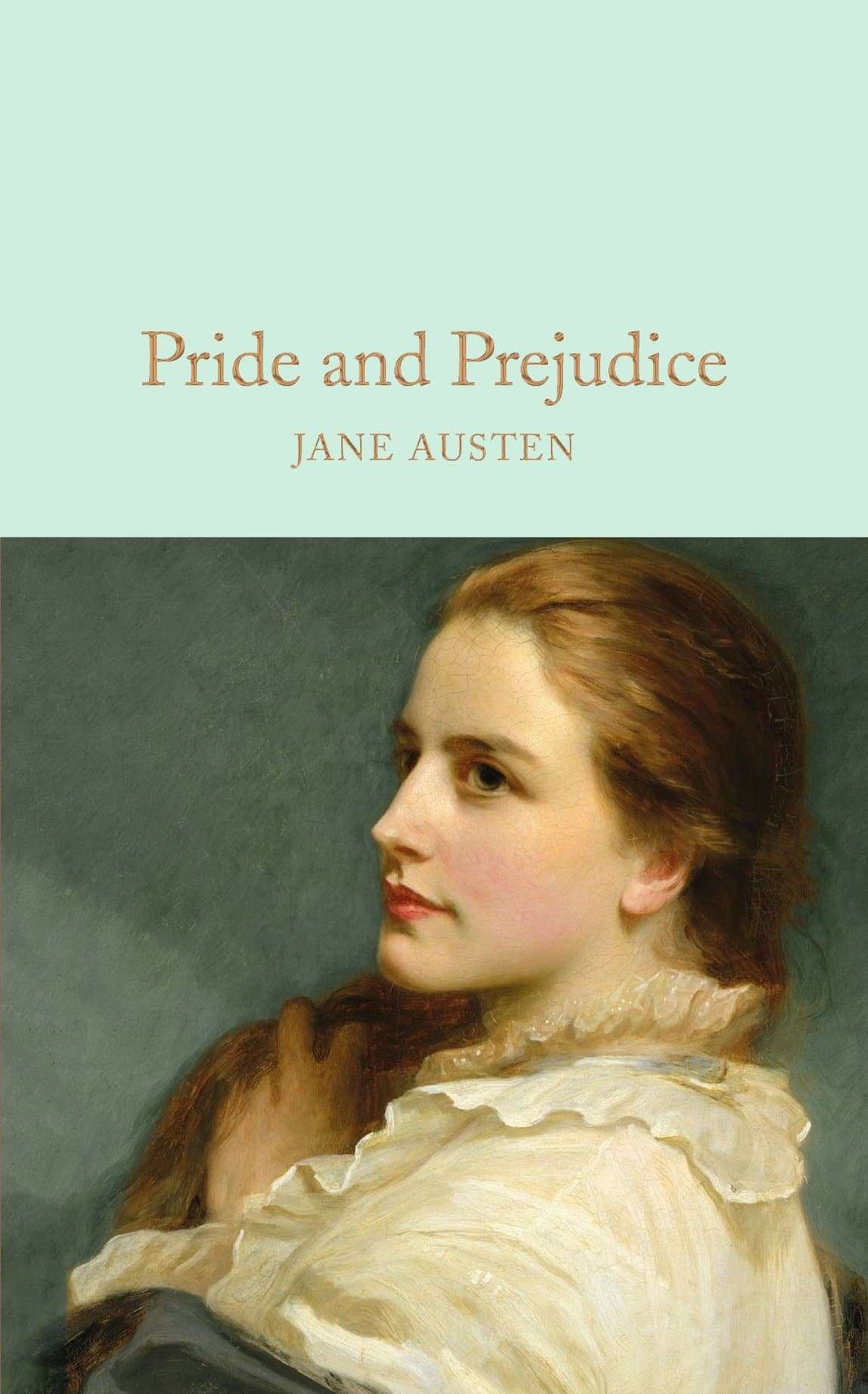 #12View Book
Pride and Prejudice
Jane Austen
Accessible•10-12 hours #15View Book
Wuthering Heights
Emily Brontë
Moderate•10-12 hours
Browse more collections