The Wind in the Willows
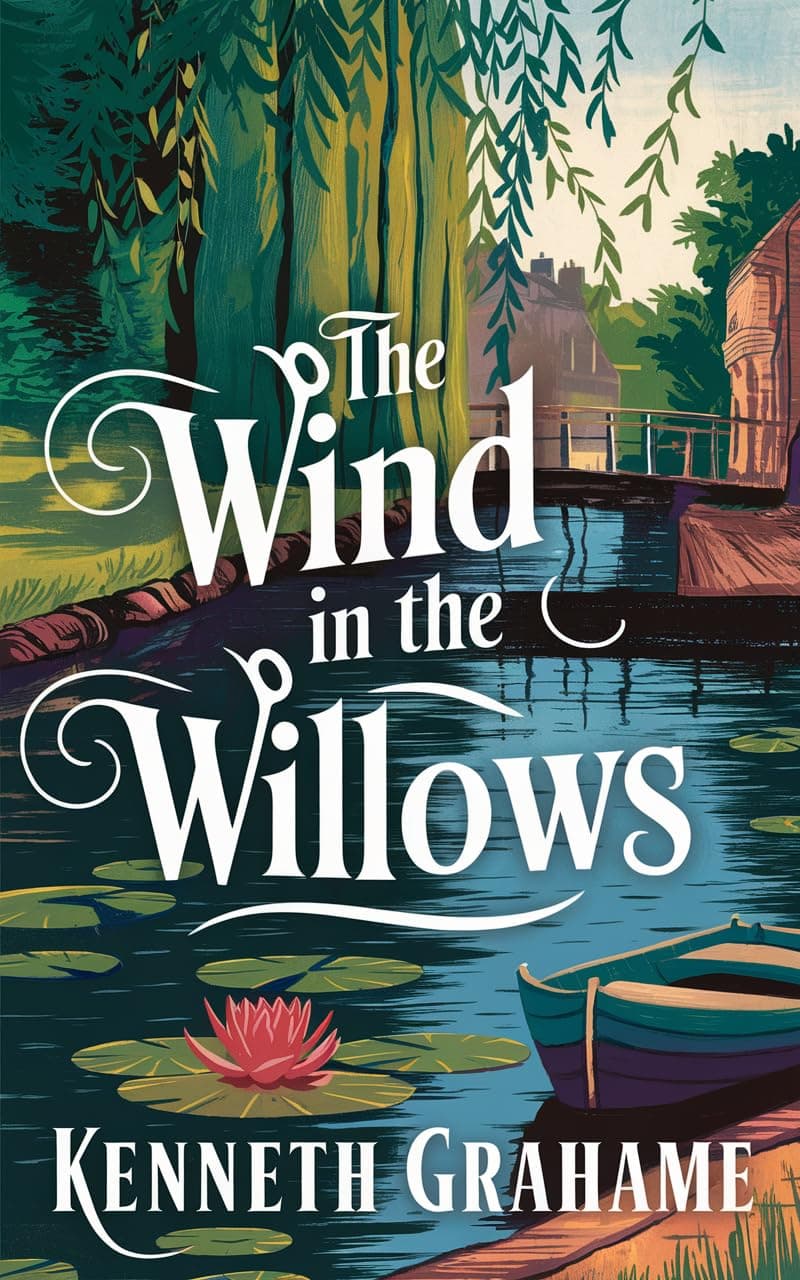
“Believe me, my young friend, there is nothing—absolute nothing—half so much worth doing as simply messing about in boats.”
The Wind in the Willows Summary
Along the banks of a sunlit English river, a timid Mole abandons his spring cleaning and discovers a world of friendship, adventure, and gentle contentment. He falls in with the amiable Water Rat, who introduces him to the pleasures of messing about in boats, and together they navigate the social landscape of the Riverbank—from the reclusive Badger in the depths of the Wild Wood to the irrepressible, motorcar-obsessed Mr. Toad of Toad Hall, whose reckless enthusiasms land him in prison, exile, and the fight of his life.
Grahame's masterpiece operates on two levels simultaneously. On the surface it is a charming animal adventure, full of picnics, narrow escapes, and comic set pieces. Beneath that runs a deeper current—a hymn to the English countryside, to the rhythms of the seasons, and to the idea that the best life is one lived among loyal friends in a place you love. The chapter 'The Piper at the Gates of Dawn' reaches into genuine mysticism, a moment of numinous encounter that transcends anything expected of a children's book.
Why Read The Wind in the Willows?
The Wind in the Willows is one of those rare books that grows richer with age. A child reads it for the adventures of Toad—his stolen motorcars, his prison break, his magnificent self-delusion. An adult reads it for something else entirely: the quiet contentment of Rat and Mole by the fire, the fierce loyalty of Badger, and the aching beauty of an English landscape rendered with the precision of a watercolor.
Grahame wrote it during a period of personal unhappiness, and perhaps that is why the novel's vision of friendship and belonging feels so intensely earned. There is no irony here, no postmodern wink. It is a book that believes in kindness, in home, and in the healing power of the natural world. To read it is to be reminded of what matters—and to feel, for a little while, that the world is a gentler place than you feared.
About Kenneth Grahame
Kenneth Grahame (1859–1932) was a Scottish-born writer who spent most of his career as Secretary of the Bank of England—a position that could hardly be further from the idyllic riverbanks of his imagination. The Wind in the Willows began as bedtime stories told to his son Alastair, then continued in letters before becoming the novel published in 1908.
The book was not an immediate critical success—reviewers were puzzled by its mix of animal adventure, social comedy, and mysticism—but it quickly became one of the most beloved works in the English language. Grahame wrote almost nothing afterward, living quietly by the Thames until his death. His single masterpiece has never gone out of print.
Reading Guide
Ranked #137 among the greatest books of all time, The Wind in the Willows by Kenneth Grahame has earned its place in the literary canon. Originally written in English and published in 1908, this accessible read from United Kingdom continues to resonate with readers today.
This book belongs to our Love & Loss collection, where you can discover more books that share its spirit and themes.
If you enjoy accessible reads like this one, you might also like The Great Gatsby, The Catcher in the Rye, or Pride and Prejudice.
From the Love & Loss Collection
If you enjoyed The Wind in the Willows, discover more masterpieces that share its spirit.
 #3View Book
The Great Gatsby
F. Scott Fitzgerald
Accessible•5-6 hours #10View Book
Anna Karenina
Leo Tolstoy
High•30-35 hours #12View Book
Pride and Prejudice
Jane Austen
Accessible•10-12 hours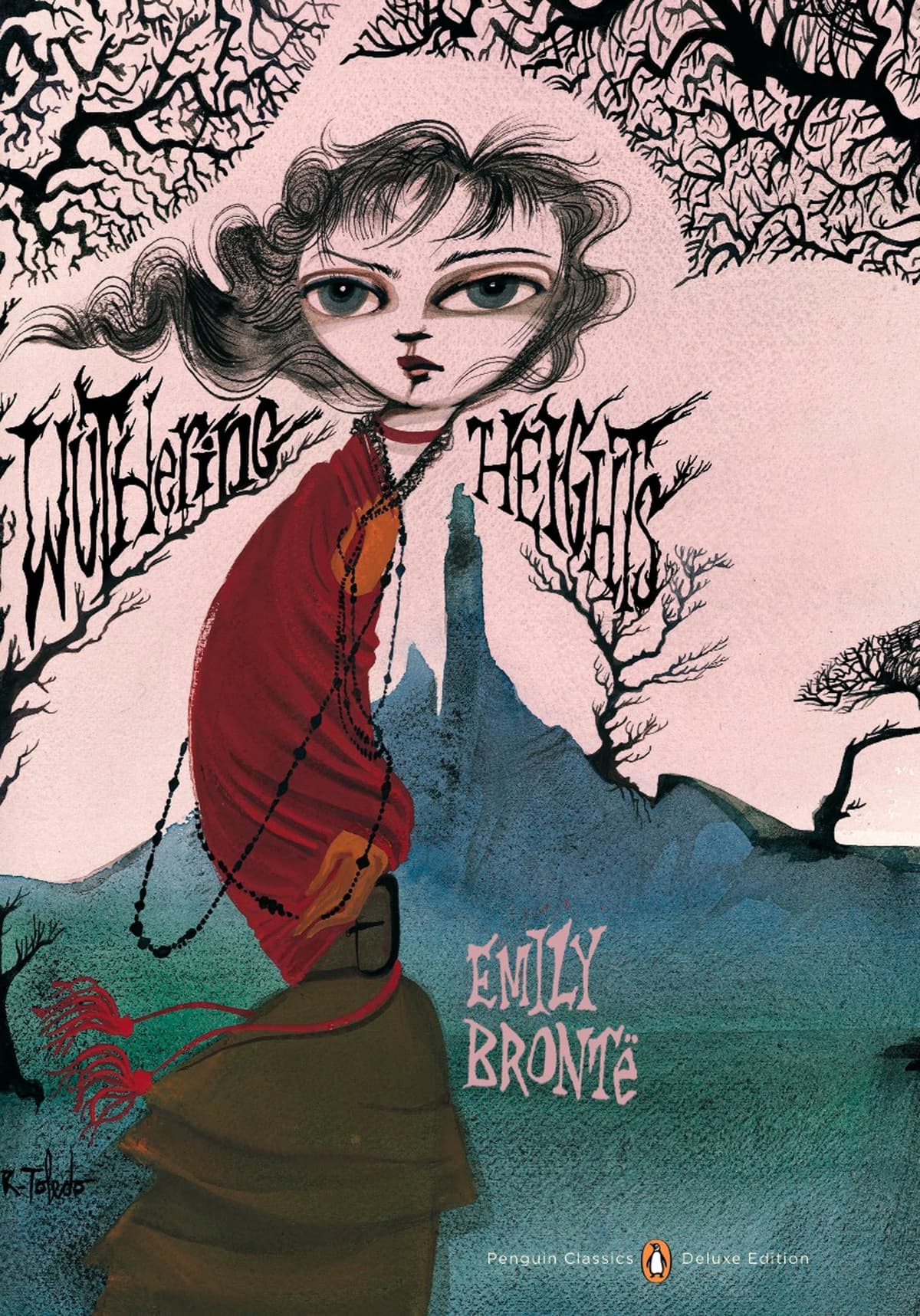 #15View Book
Wuthering Heights
Emily Brontë
Moderate•10-12 hours
Browse more collections