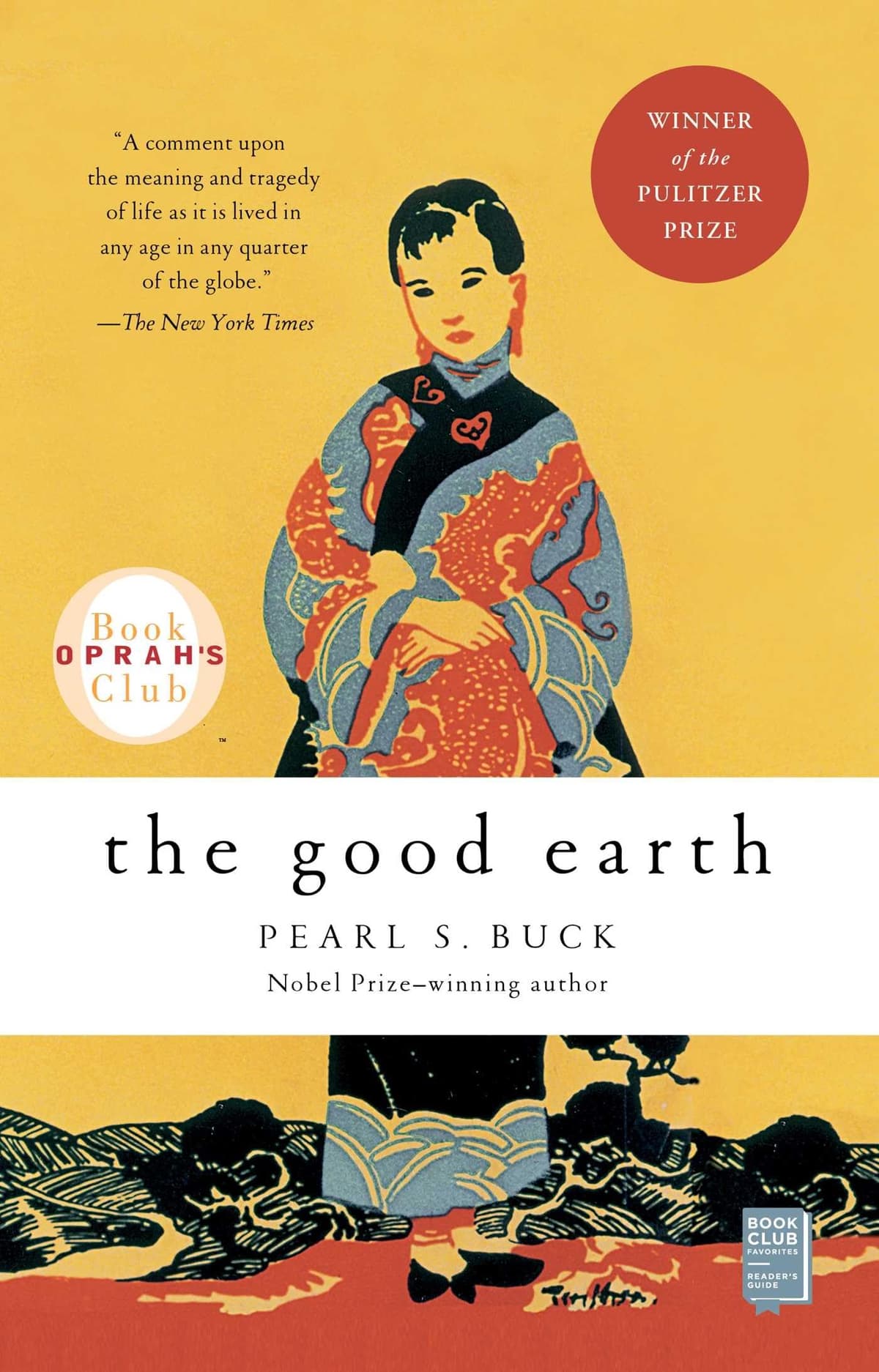
The Good Earth
“And O-lan in the house was not idle. With her own hands she lashed the mats to the rafters and she built again the oven and she kneaded the earthen floor smooth, and she made again their home.”
The Good Earth Summary
Wang Lung is a poor farmer in rural China who walks to the great House of Hwang on his wedding day to collect his bride, O-lan, a former slave. Together they work the land with relentless devotion, surviving drought, famine, and the humiliation of begging in a southern city. When revolution breaks out, O-lan seizes a bag of jewels from a looted mansion, and the couple returns to their village with enough wealth to buy the very fields that once belonged to the House of Hwang. Prosperity transforms Wang Lung: he takes a concubine, neglects O-lan, and watches helplessly as his sons abandon farming for city ambitions. O-lan, whose quiet strength built the family's fortune, dies unappreciated. The novel ends with Wang Lung's sons secretly planning to sell the land their father considers sacred, suggesting the cycle of rise and decline will continue.
Pearl S. Buck's Pulitzer Prize-winning novel is an epic chronicle of family, land, and the corrosive effects of wealth on human character. Drawing on her decades of life in China as the daughter of missionaries, Buck renders the rhythms of peasant agriculture with documentary precision while crafting a universal story about ambition and its consequences. The Good Earth challenged Western stereotypes of China by presenting its characters with dignity and psychological complexity, and its publication in 1931 gave American readers their most intimate portrait of Chinese rural life to date. O-lan stands as one of literature's great silent heroines, her endurance and sacrifice forming the moral backbone of the narrative. The novel's central theme, that connection to the earth sustains human virtue while disconnection from it breeds decadence, resonates across cultures and eras.
Why Read The Good Earth?
The Good Earth possesses a narrative power that transcends its specific setting, telling a story about human ambition and the natural world that feels as relevant today as it did in 1931. Pearl S. Buck writes with a biblical simplicity that gives the novel an almost mythic quality, tracing Wang Lung's rise from impoverished farmer to wealthy landowner with unflinching honesty about the moral compromises that accompany success. O-lan, the silent, indomitable wife who makes everything possible, is one of the most heartbreakingly underappreciated characters in all of fiction.
Engaging with this novel deepens your understanding of how prosperity can corrode the very virtues that created it. Buck's intimate knowledge of Chinese peasant life lends the story an authenticity that resists sentimentality, and her willingness to portray Wang Lung's flaws alongside his strengths creates a protagonist who is genuinely human rather than merely sympathetic. The book also serves as a crucial bridge between Eastern and Western literary traditions, offering a perspective on Chinese culture rendered with both insider knowledge and literary artistry. Its themes of generational change, the sanctity of labor, and the impermanence of fortune speak to universal human experience.
About Pearl S. Buck
Pearl Sydenstricker Buck (1892-1973) was born in Hillsboro, West Virginia, but raised in Zhenjiang, China, where her Presbyterian missionary parents had settled. She grew up bilingual in English and Chinese, absorbing the culture and landscape that would define her literary career. After studying at Randolph-Macon Woman's College and Cornell University, she returned to China, where she taught and began writing. The Good Earth, published in 1931, became an immediate bestseller and won the Pulitzer Prize in 1932.
In 1938, Buck became the first American woman to receive the Nobel Prize in Literature, honored for her rich and genuinely epic descriptions of peasant life in China. She published over seventy books across her career, including the sequels Sons and A House Divided, as well as numerous works of nonfiction and advocacy. A passionate humanitarian, she founded Welcome House, the first international interracial adoption agency, and the Pearl S. Buck Foundation for children of mixed heritage. Though literary critics have sometimes undervalued her work, her achievement in bridging Eastern and Western cultures through fiction remains singular, and The Good Earth endures as one of the most widely read American novels of the twentieth century.
Reading Guide
Ranked #268 among the greatest books of all time, The Good Earth by Pearl S. Buck has earned its place in the literary canon. Originally written in English and published in 1931, this accessible read from United States continues to resonate with readers today.
This book belongs to our Love & Loss and Society & Satire collections, where you can discover more books that share its spirit and themes.
If you enjoy accessible reads like this one, you might also like The Great Gatsby, The Catcher in the Rye, or Pride and Prejudice.
From the Love & Loss Collection
If you enjoyed The Good Earth, discover more masterpieces that share its spirit.
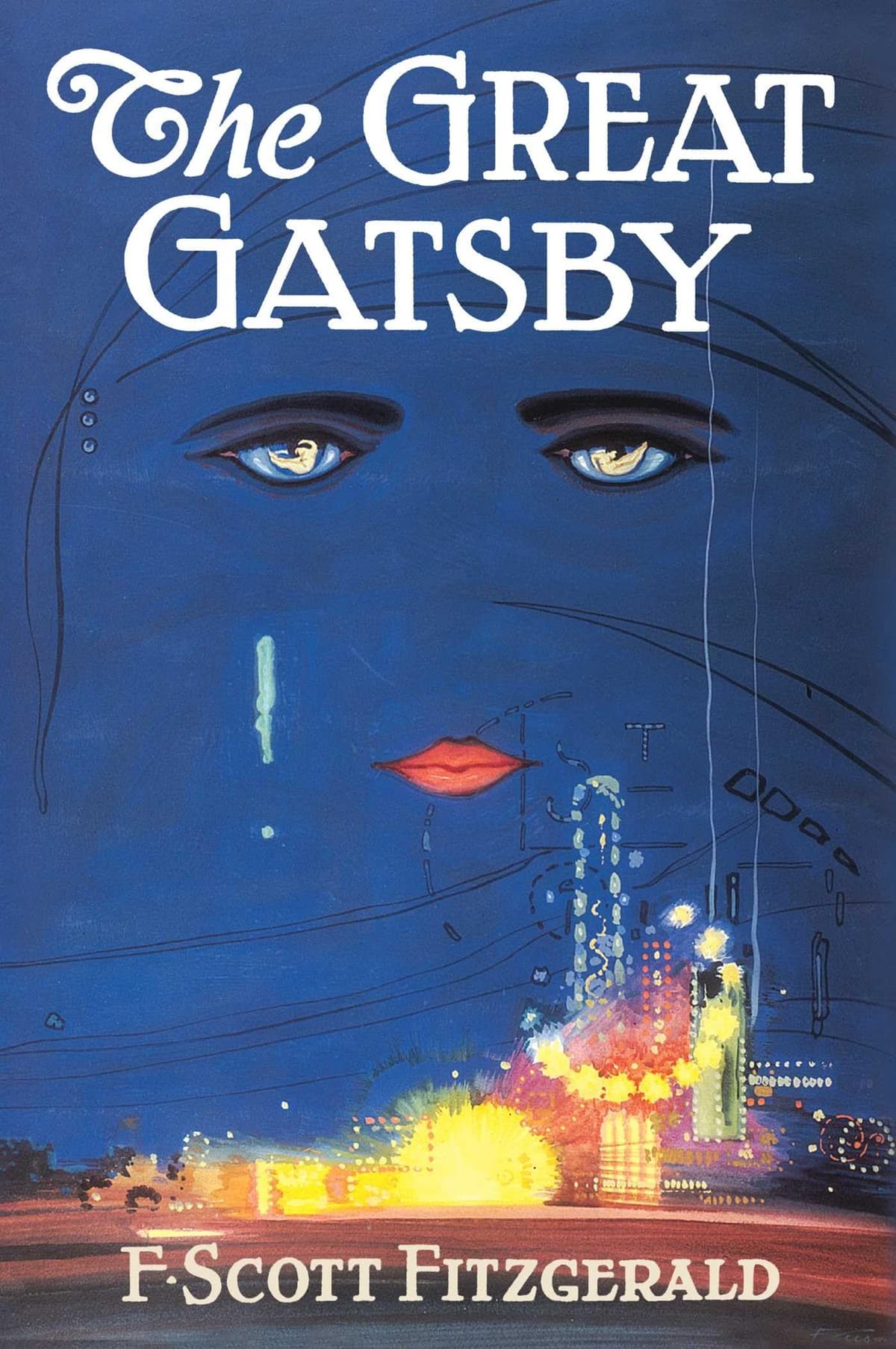 #3View Book
The Great Gatsby
F. Scott Fitzgerald
Accessible•5-6 hours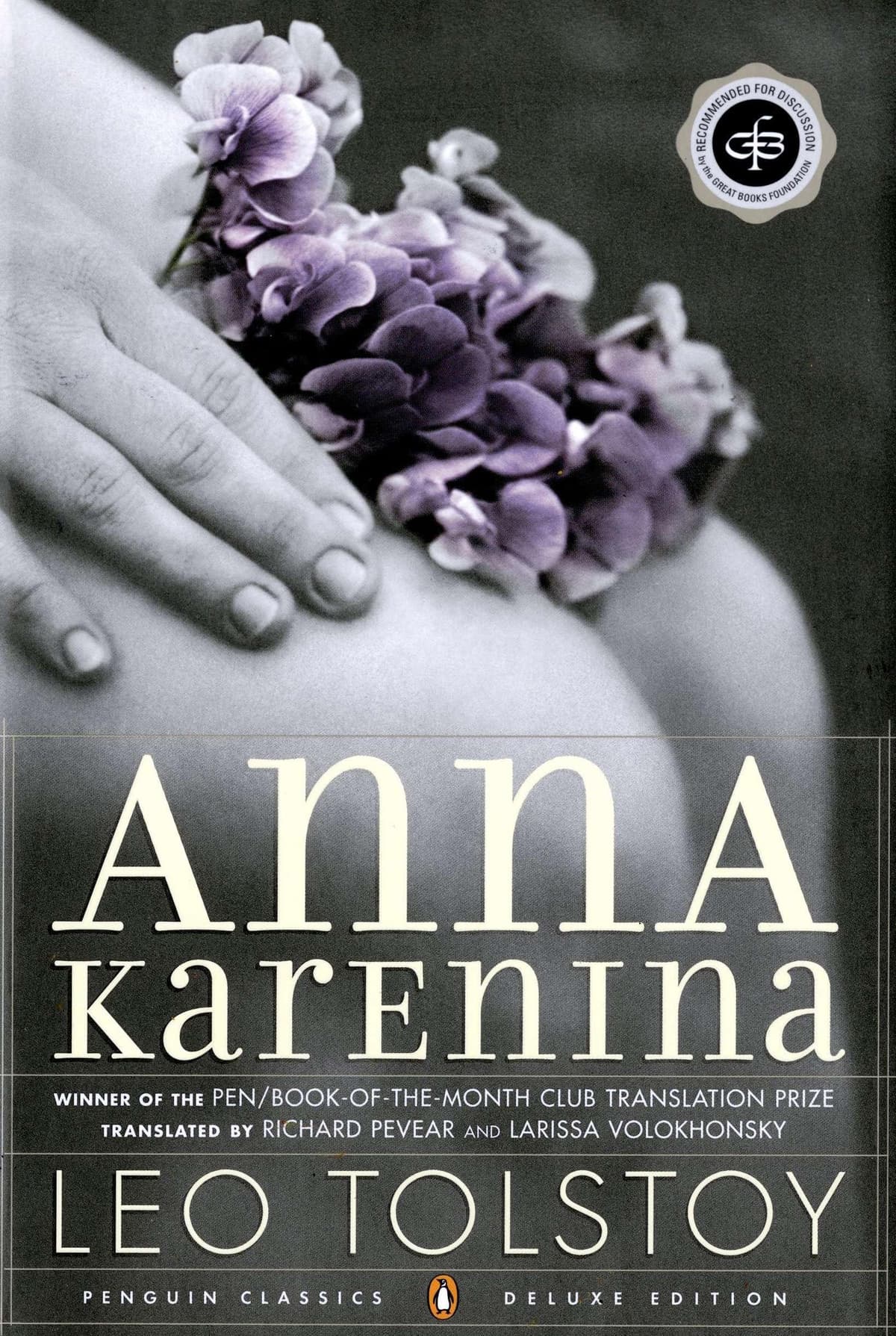 #10View Book
Anna Karenina
Leo Tolstoy
High•30-35 hours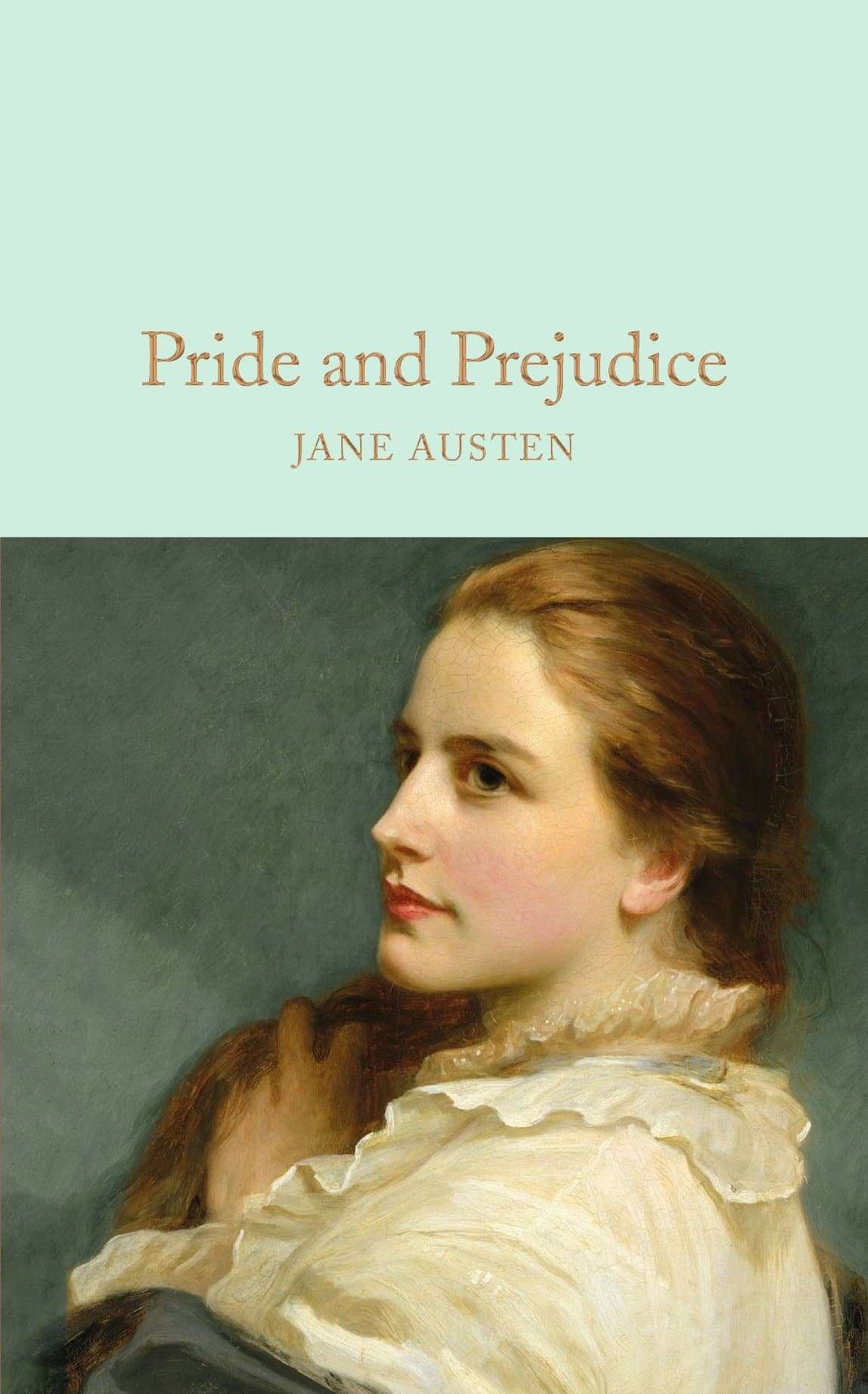 #12View Book
Pride and Prejudice
Jane Austen
Accessible•10-12 hours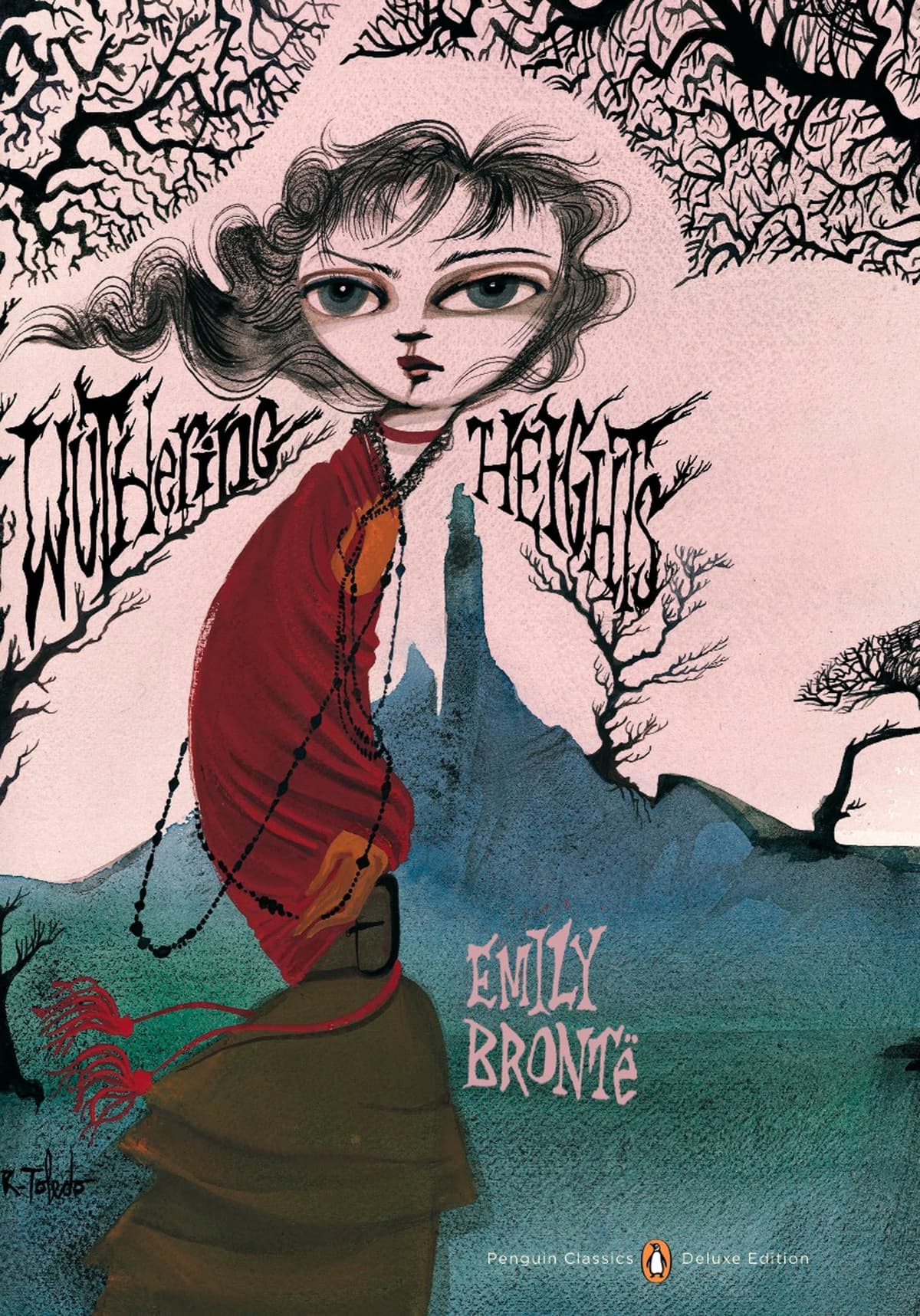 #15View Book
Wuthering Heights
Emily Brontë
Moderate•10-12 hours
Browse more collections