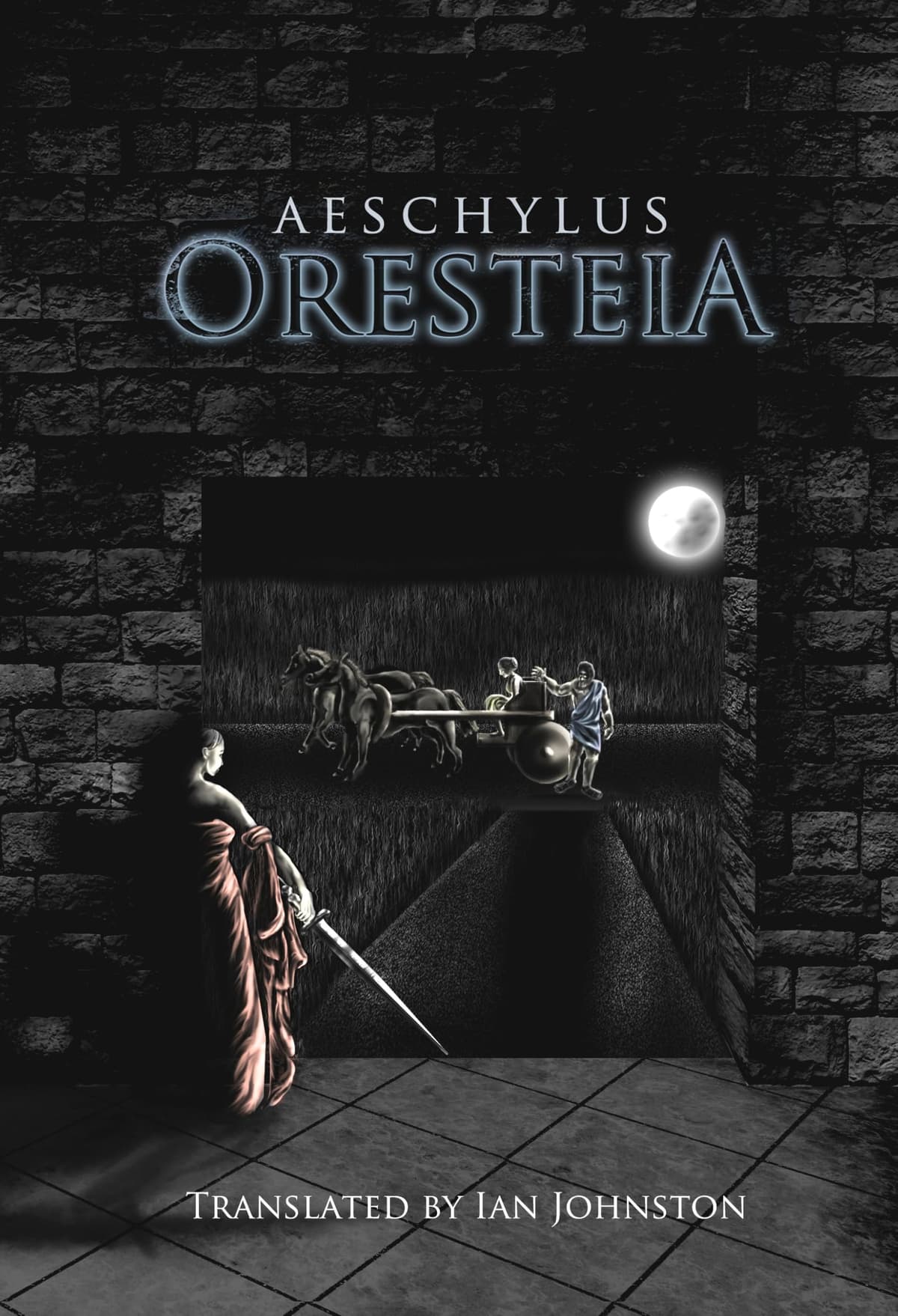
Oresteia
“He who learns must suffer. And even in our sleep pain that cannot forget falls drop by drop upon the heart.”
Oresteia Summary
The Oresteia, the only complete trilogy surviving from ancient Greek theater, traces a chain of bloodshed through the cursed House of Atreus across three plays. In Agamemnon, the Greek king returns triumphant from Troy only to be murdered in his bath by his wife Clytemnestra, who has nursed a decade of rage over his sacrifice of their daughter Iphigenia. In The Libation Bearers, their son Orestes returns from exile, commanded by Apollo to avenge his father, and kills both Clytemnestra and her lover Aegisthus, an act of justice that is simultaneously the crime of matricide. Pursued by the Furies, ancient goddesses of vengeance who torment those who spill kindred blood, Orestes flees to Athens. In The Eumenides, the final play, Athena establishes a jury of Athenian citizens to try Orestes, transforming the cycle of private revenge into a system of civic justice. The Furies, pacified by Athena's offer of honored worship, become the Eumenides, benevolent guardians of the city.
Aeschylus composed the Oresteia in 458 BCE, and its movement from vendetta to courtroom constitutes one of Western civilization's foundational narratives about the origins of law and democratic governance. The trilogy grapples with questions that remain urgently relevant: How does a society break cycles of retributive violence? Can justice exist without vengeance? What claims do the dead hold over the living? Aeschylus layers these philosophical inquiries within some of the most powerful theatrical poetry ever written, from the watchman's opening monologue to Clytemnestra's chilling defense of her actions. The Oresteia dramatizes nothing less than humanity's passage from a world governed by blood debt to one ordered by reason, persuasion, and collective judgment.
Why Read Oresteia?
The Oresteia is where Western drama begins in its fullest ambition. Aeschylus does not merely tell a story of murder and revenge; he stages a philosophical revolution, dramatizing the moment when human civilization chose law over blood feud. The trilogy's arc from Agamemnon's murder through Orestes' torment to Athena's court remains one of the most thrilling narrative structures in all of literature, and its characters, particularly the fierce, unapologetic Clytemnestra, possess a psychological depth that astonishes across twenty-five centuries.
Engaging with this trilogy connects you to the deepest roots of democratic thought and moral philosophy. The questions Aeschylus raises about justice, mercy, gender, and the competing claims of old and new moral orders are not antiquarian puzzles but living tensions that shape contemporary debates about criminal justice and political legitimacy. The poetry, even in translation, carries a monumental force that few works in any language can match. Reading the Oresteia is an encounter with the foundations upon which Western theater, jurisprudence, and ethical reasoning were built, and it rewards every subsequent rereading with new layers of meaning.
About Aeschylus
Aeschylus (c. 525-456 BCE) was born into an aristocratic family in Eleusis, near Athens, and is considered the father of Greek tragedy. He fought in the Battle of Marathon in 490 BCE and possibly at Salamis in 480 BCE, experiences that profoundly shaped his vision of civic duty and heroism. He expanded the dramatic form by introducing a second actor, enabling true dialogue on stage, and wrote between seventy and ninety plays, of which only seven survive complete.
Aeschylus won first prize at the Great Dionysia, Athens's premier dramatic festival, thirteen times during his career. The Oresteia, composed in 458 BCE, represents the culmination of his artistic and philosophical achievement, and it is the sole surviving complete trilogy from the ancient Greek stage. His other extant works include The Persians, Seven Against Thebes, The Suppliants, and Prometheus Bound. Aeschylus's innovations in staging, costuming, and choral composition transformed Greek theater from a primarily ritual event into a literary art form capable of exploring the most profound questions about human existence. He died in Gela, Sicily, and ancient sources report the curious tradition that an eagle dropped a tortoise on his head. His epitaph, which he reportedly composed himself, mentions only his service at Marathon, not his plays.
Reading Guide
Ranked #269 among the greatest books of all time, Oresteia by Aeschylus has earned its place in the literary canon. Originally written in Ancient Greek and published in -458, this challenging read from Greece continues to resonate with readers today.
This book belongs to our Epics and Philosophy & Faith collections, where you can discover more books that share its spirit and themes.
If you enjoy challenging reads like this one, you might also like Ulysses, Moby-Dick, or Lolita.
From the Epics Collection
If you enjoyed Oresteia, discover more masterpieces that share its spirit.
 #1View Book
Ulysses
James Joyce
Challenging•35-40 hours #5View Book
One Hundred Years of Solitude
Gabriel García Márquez
Moderate•15-20 hours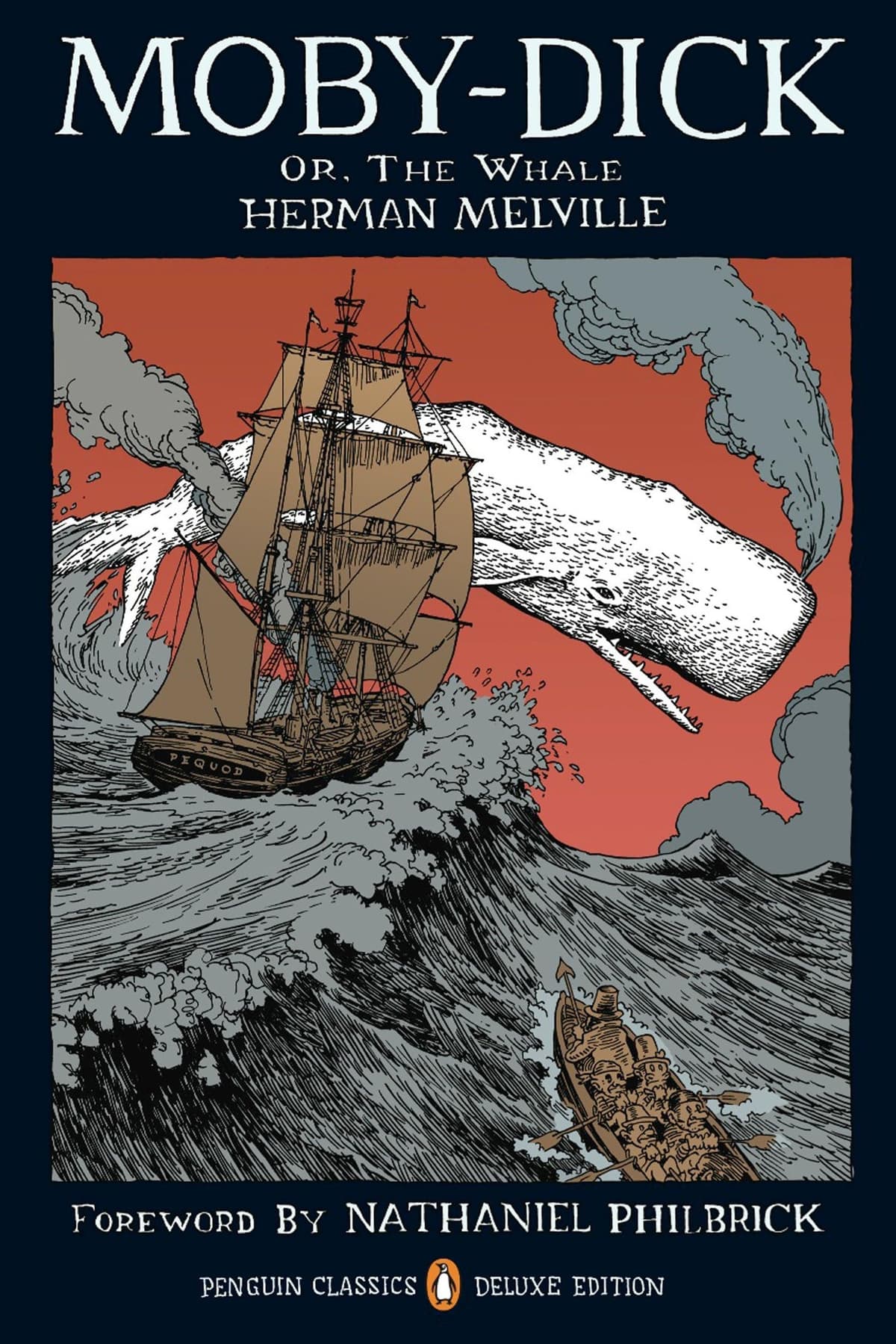 #7View Book
Moby-Dick
Herman Melville
Challenging•20-25 hours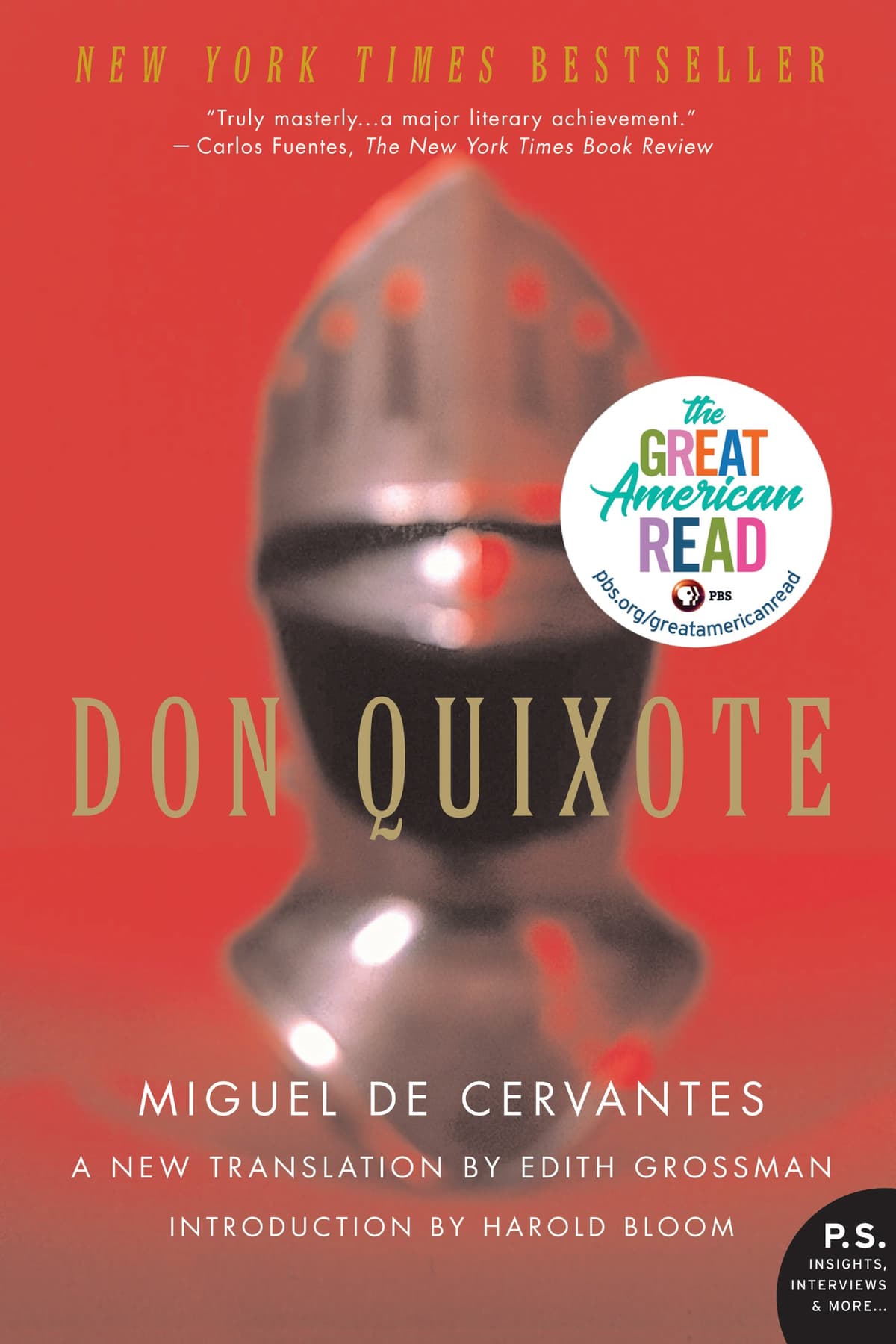 #9View Book
Don Quixote
Miguel de Cervantes
High•35-40 hours
Browse more collections