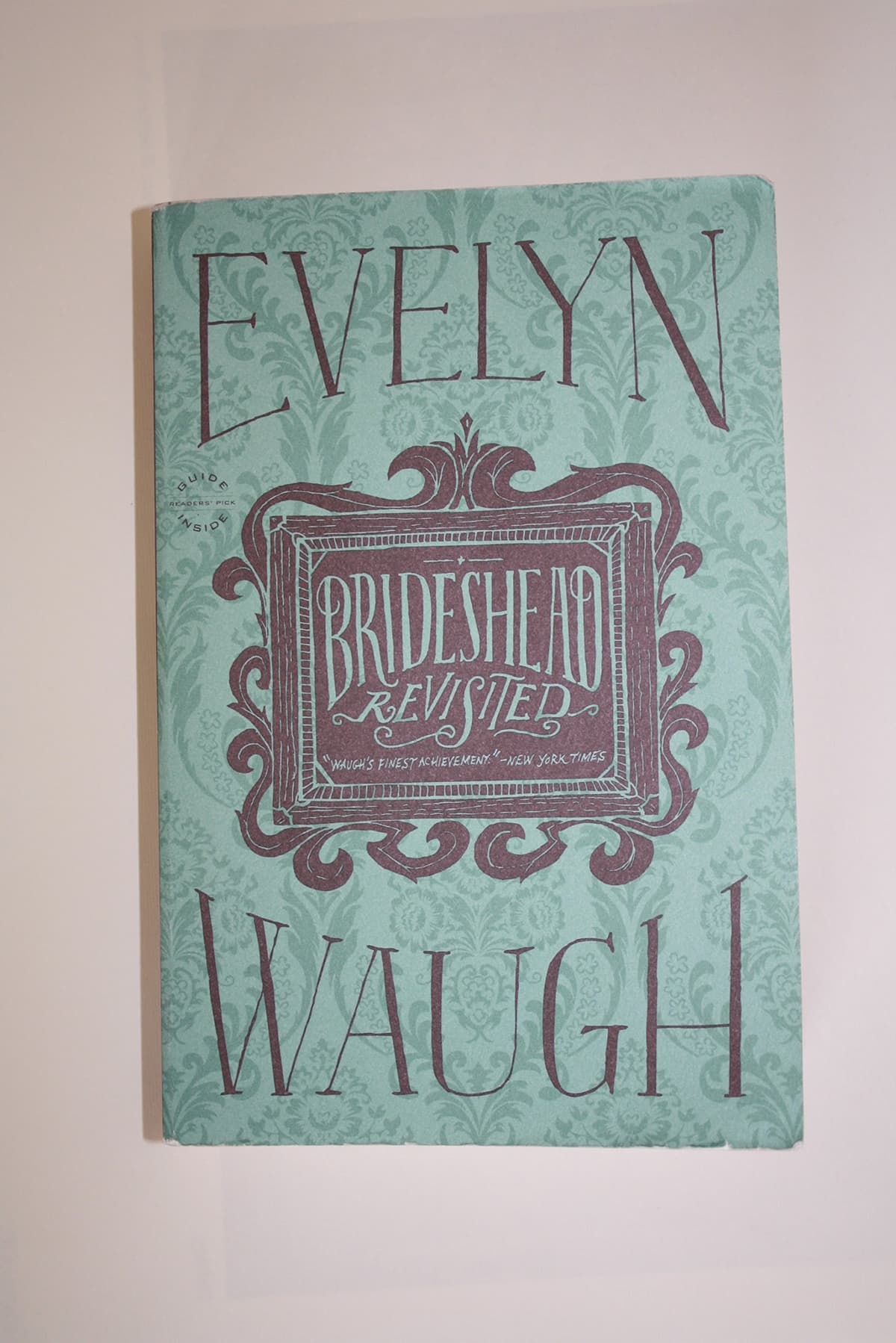
Brideshead Revisited
“If it could only be like this always—always summer, always alone, the fruit always ripe and Aloysius in a good temper.”
Brideshead Revisited Summary
Captain Charles Ryder, stationed with his army unit at a grand English country house during World War II, recognizes the estate as Brideshead—the home of the Flyte family, who shaped the most intense years of his life. His memory unfolds in a long, golden flashback: the enchanted Oxford friendship with the doomed, beautiful Sebastian Flyte, who carries a teddy bear named Aloysius and drinks champagne in meadows; the growing entanglement with Sebastian's aristocratic Catholic family; and Charles's eventual love affair with Sebastian's sister, Julia.
But Brideshead Revisited is not simply a novel of nostalgia for lost youth and vanishing grandeur. At its heart is a theological argument disguised as a love story. The Flyte family is haunted by their Catholicism—a faith that Sebastian tries to drown in alcohol, Julia tries to escape through marriage, and their father Lord Marchmain fled to Venice with his mistress. Waugh charts the mysterious, unwelcome workings of divine grace as it pursues each member of the family, 'the twitch upon the thread' that draws them back despite every resistance.
Why Read Brideshead Revisited?
Brideshead Revisited is a novel drenched in beauty and soaked in loss. Waugh, known for his savage satires, here wrote something entirely different—a lush, elegiac meditation on the things that endure when youth, wealth, and even love have faded. The Oxford passages, with their strawberries and champagne and reckless happiness, are among the most intoxicating in English literature, made all the more poignant by the knowledge that everything golden will tarnish.
What elevates the novel above mere nostalgia is its unfashionable subject: the reality of God. Waugh was a Catholic convert, and Brideshead Revisited is his most personal exploration of what faith costs and what it offers. The final act, in which divine grace ambushes characters who want nothing to do with it, is either the novel's greatest flaw or its greatest triumph—depending on what you bring to it. Either way, it is unforgettable.
About Evelyn Waugh
Evelyn Waugh (1903–1966) was the sharpest satirist of the English upper classes and, paradoxically, their most devoted chronicler. His early novels—Decline and Fall, Vile Bodies, A Handful of Dust—dissected the Bright Young Things of interwar London with merciless wit. His conversion to Catholicism in 1930 added a moral seriousness to his work that culminated in Brideshead Revisited.
Waugh was a difficult man—snobbish, rude, and deliberately provocative—but his prose is among the most elegant in the English language. His wartime trilogy, Sword of Honour, and his travel writings further secured his reputation, but Brideshead Revisited remains his most beloved and debated work. It is the novel in which the satirist laid down his weapons and allowed himself to feel.
Reading Guide
Ranked #145 among the greatest books of all time, Brideshead Revisited by Evelyn Waugh has earned its place in the literary canon. Originally written in English and published in 1945, this moderate read from United Kingdom continues to resonate with readers today.
This book belongs to our Love & Loss and Philosophy & Faith collections, where you can discover more books that share its spirit and themes.
If you enjoy moderate reads like this one, you might also like One Hundred Years of Solitude, Nineteen Eighty-Four, or Wuthering Heights.
From the Love & Loss Collection
If you enjoyed Brideshead Revisited, discover more masterpieces that share its spirit.
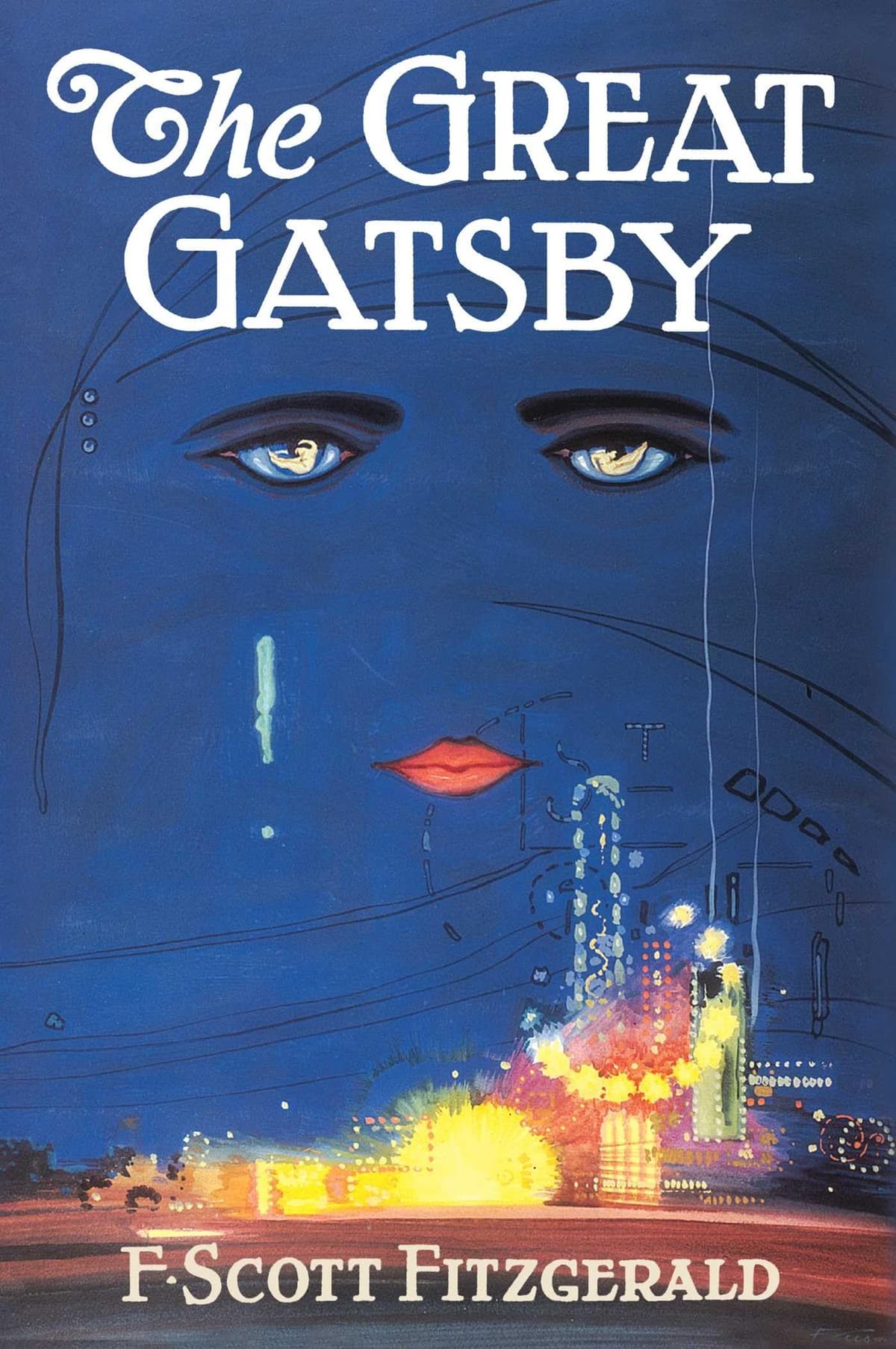 #3View Book
The Great Gatsby
F. Scott Fitzgerald
Accessible•5-6 hours #10View Book
Anna Karenina
Leo Tolstoy
High•30-35 hours #12View Book
Pride and Prejudice
Jane Austen
Accessible•10-12 hours #15View Book
Wuthering Heights
Emily Brontë
Moderate•10-12 hours
Browse more collections