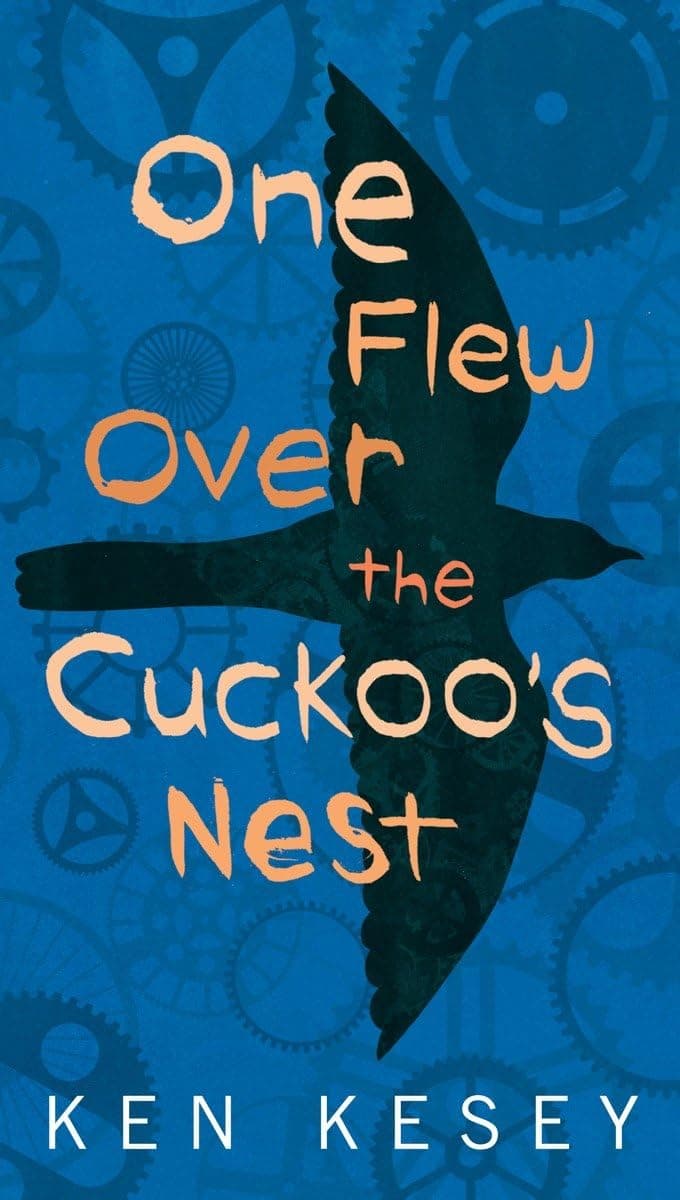
One Flew Over the Cuckoo's Nest
“But I tried, though. Goddammit, I sure as hell did that much, now, didn't I?”
One Flew Over the Cuckoo's Nest Summary
Narrated by Chief Bromden—a half-Native American man feigning deafness and muteness on a psychiatric ward in Oregon—Ken Kesey's explosive novel detonates the moment Randle Patrick McMurphy swaggers through the doors of the institution. McMurphy is a brawling, gambling, irrepressible force of nature who has gotten himself transferred from a prison work farm, convinced that a mental hospital will be an easy ride. What he finds instead is a regime of quiet terror presided over by Nurse Ratched, the Big Nurse, whose calm smile and soft voice mask an iron will bent on total control. McMurphy's war against her—fought through laughter, card games, a smuggled fishing trip, and sheer defiant joy—becomes a battle for the souls of the broken men on the ward.
Kesey wrote the novel after working as a night aide in a veterans' hospital and volunteering for government-sponsored psychedelic drug experiments, and both experiences pulse through the book's hallucinatory prose. Chief Bromden's narration layers fog, machinery, and paranoid vision over the clinical reality of electroshock therapy and lobotomy, creating a world where institutional power operates like a vast, grinding mechanism—the Combine, as the Chief calls it. The novel is at once a raucous comedy, a searing indictment of conformity, and a deeply American fable about the cost of freedom. McMurphy's sacrifice transforms the silent Chief into a man capable of action, and the final image—of escape, of open air—remains one of the most cathartic moments in twentieth-century fiction.
Why Read One Flew Over the Cuckoo's Nest?
Few novels hit you with such visceral force. McMurphy's laughter is contagious, his defiance electrifying, and his fate devastating. Kesey places you inside Chief Bromden's shattered consciousness—where fog rolls in and machinery hums beneath the hospital floor—and dares you to see the world as the powerless see it. The ward's patients are men who have been taught to believe they are broken, and watching McMurphy teach them to laugh, to gamble, to want things again is one of the most exhilarating experiences in American fiction.
This is one of the essential American novels about individualism and institutional power, and its relevance has only sharpened with time. Every workplace tyrant, every system designed to grind down the human spirit, every quiet act of rebellion owes something to McMurphy's war against the Big Nurse. The novel does not flinch from the cost of that war—Kesey understood that freedom is never free, that the system punishes most savagely those who dare to challenge it. You will finish it feeling shaken, liberated, and profoundly grateful for the troublemakers of the world.
About Ken Kesey
Ken Kesey (1935–2001) grew up in Springfield, Oregon, where he was a champion wrestler and star student. He attended Stanford University's creative writing program on a Woodrow Wilson Fellowship, studying alongside Larry McMurtry and others, and simultaneously volunteered for CIA-funded experiments with psychedelic drugs at a local veterans' hospital. He also worked as a night aide on the ward—experiences that fed directly into his debut novel's hallucinatory power and institutional detail.
One Flew Over the Cuckoo's Nest, published in 1962, made Kesey famous overnight and was adapted into a landmark 1975 film starring Jack Nicholson. He followed it with Sometimes a Great Notion (1964), an equally ambitious novel about an Oregon logging family. He then largely abandoned conventional fiction, becoming a countercultural icon who drove across America in a painted bus called Further with his group the Merry Pranksters, events immortalized in Tom Wolfe's The Electric Kool-Aid Acid Test. Kesey's literary output was small, but his influence on American culture—bridging the Beat Generation and the psychedelic sixties—was enormous.
Reading Guide
Ranked #146 among the greatest books of all time, One Flew Over the Cuckoo's Nest by Ken Kesey has earned its place in the literary canon. Originally written in English and published in 1962, this moderate read from United States continues to resonate with readers today.
This book belongs to our American Spirit and Gothic & Dark collections, where you can discover more books that share its spirit and themes.
If you enjoy moderate reads like this one, you might also like One Hundred Years of Solitude, Nineteen Eighty-Four, or Wuthering Heights.
From the American Spirit Collection
If you enjoyed One Flew Over the Cuckoo's Nest, discover more masterpieces that share its spirit.
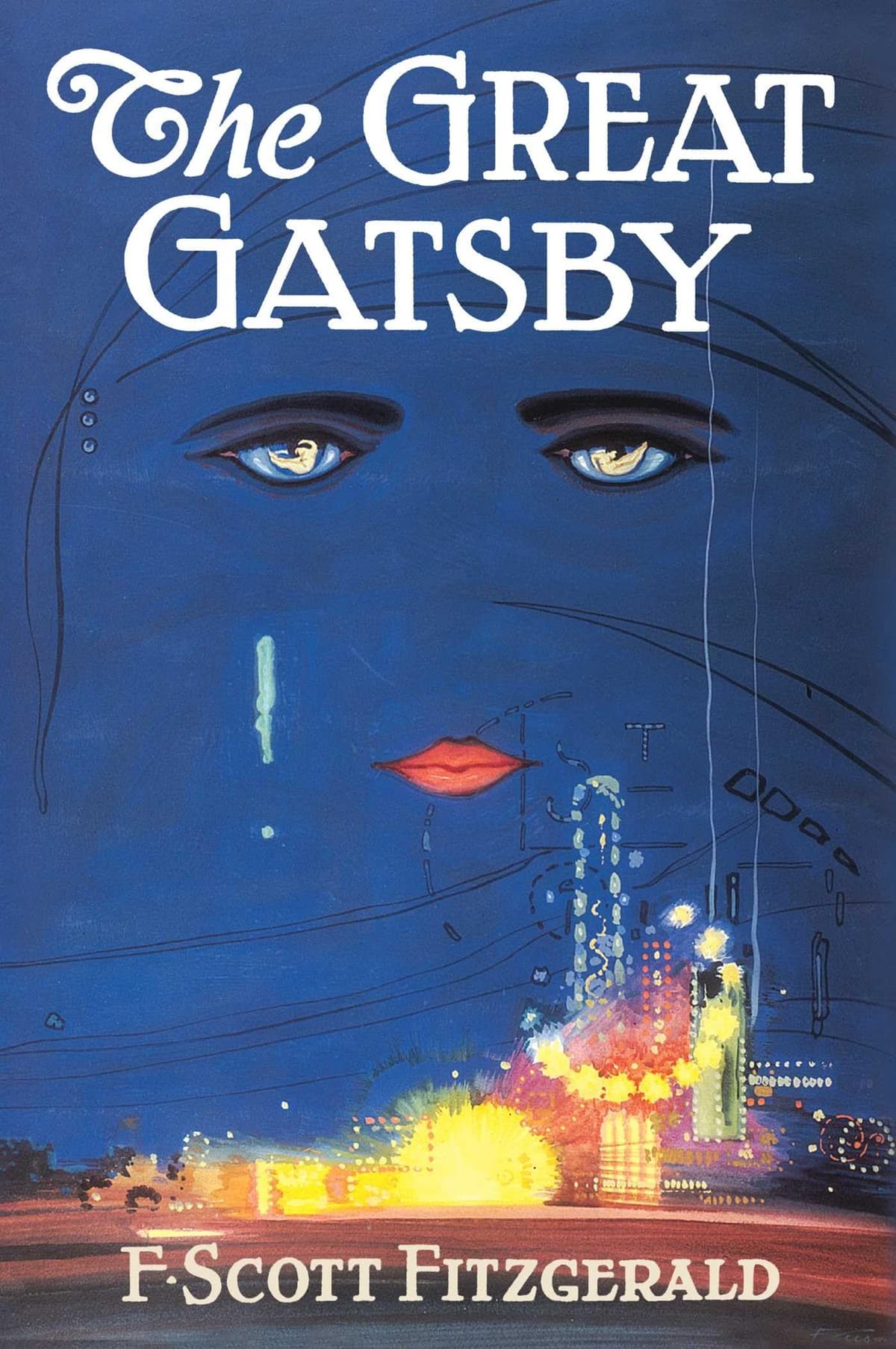 #3View Book
The Great Gatsby
F. Scott Fitzgerald
Accessible•5-6 hours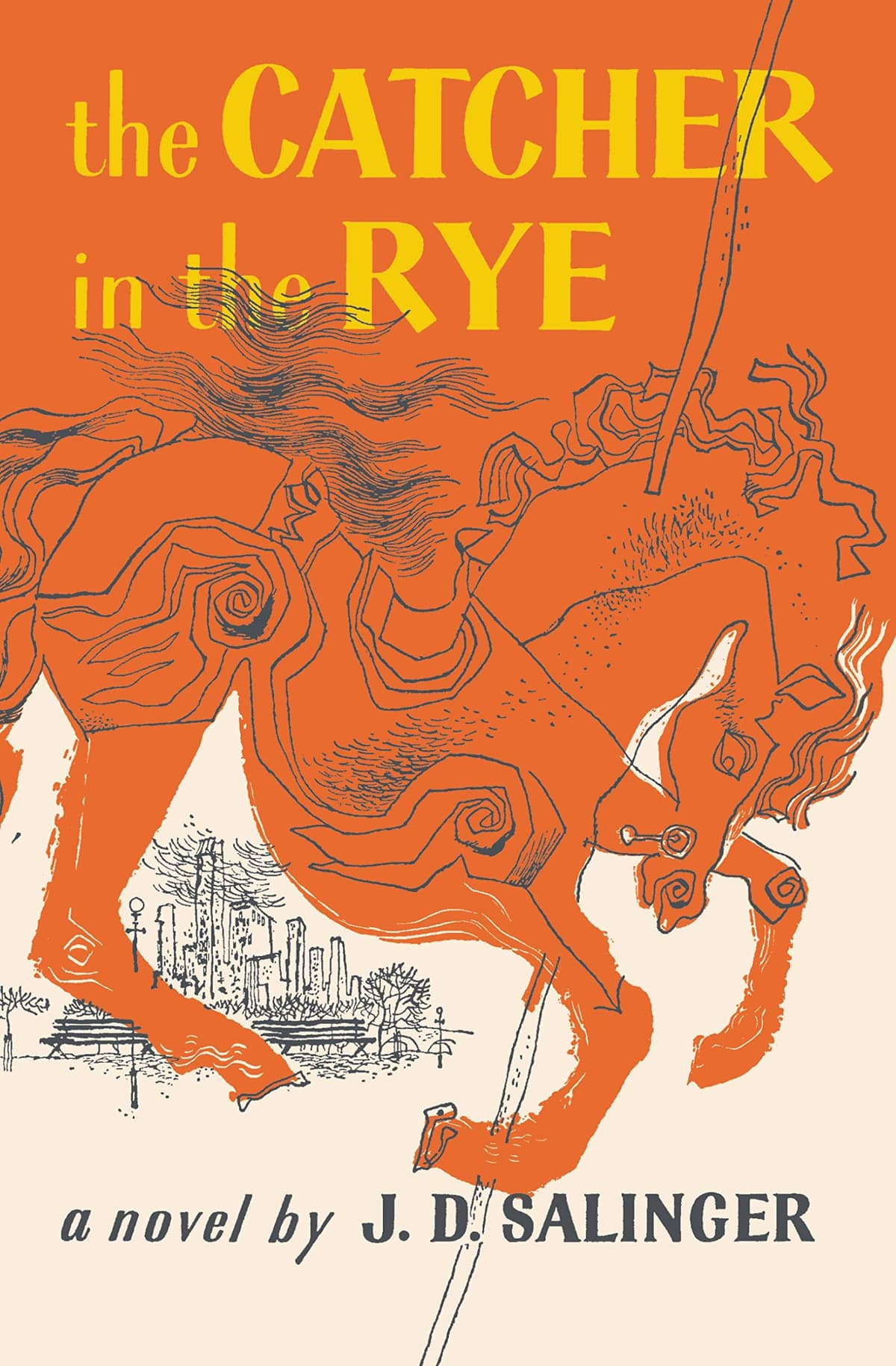 #4View Book
The Catcher in the Rye
J. D. Salinger
Accessible•6-8 hours #13View Book
Lolita
Vladimir Nabokov
Challenging•12-15 hours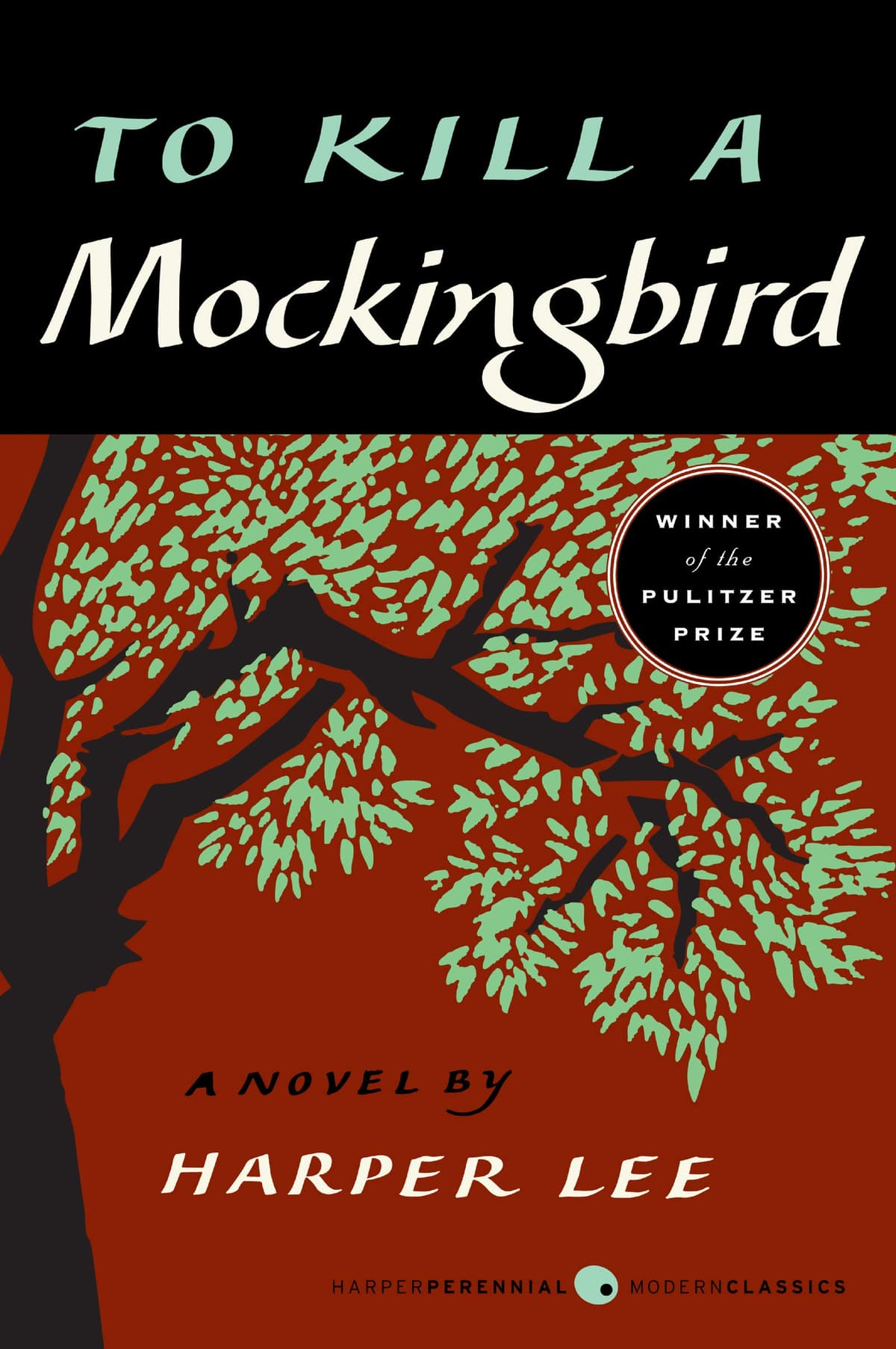 #17View Book
To Kill a Mockingbird
Harper Lee
Accessible•8-10 hours
Browse more collections