A Clockwork Orange
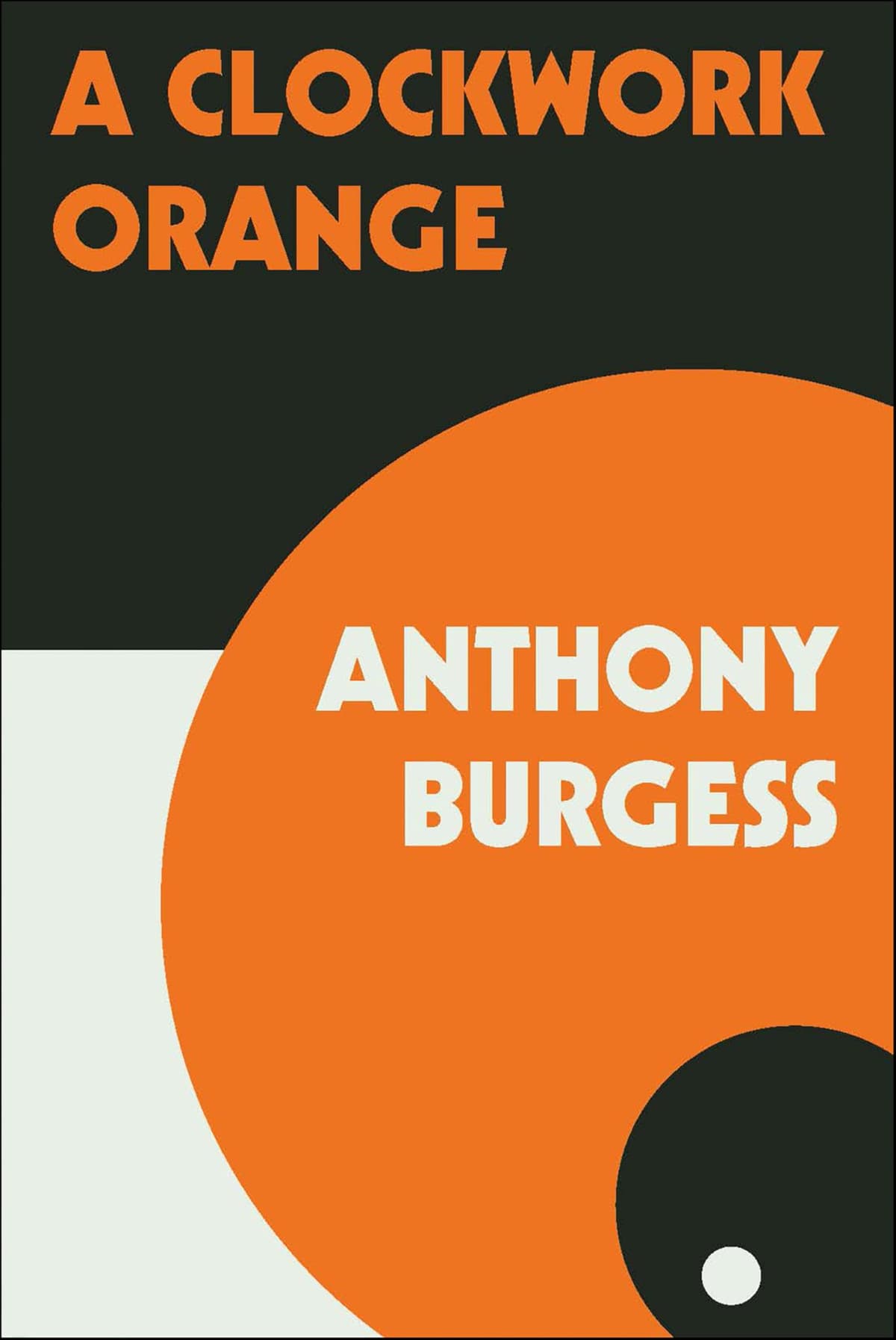
“Is it better for a man to have chosen evil than to have good imposed upon him?”
A Clockwork Orange Summary
In a nightmarish near-future England, fifteen-year-old Alex and his gang of droogs spend their evenings drinking drug-laced milk, beating strangers senseless, and committing acts of savage violence—all narrated in Nadsat, Anthony Burgess's brilliant invented slang that fuses Russian, Cockney, and Elizabethan English into a language both musical and menacing. Alex is a monster and a Mozart lover, a teenage Beethoven devotee whose raptures over classical music are indistinguishable from his raptures over ultraviolence. When the state finally catches him, it subjects him to the Ludovico Technique, a behavioral conditioning program that renders him physically incapable of violence—but also strips him of free will, choice, and his love of music.
Burgess wrote the novel in three weeks, driven by rage and grief after his wife was assaulted by deserters during World War II, and the book vibrates with that furious energy. The central question is devastatingly simple: is a person who is forced to be good truly good? The novel argues—disturbingly, persuasively—that the capacity for evil is inseparable from the capacity for moral choice, that a clockwork orange (something organic made mechanical) is an abomination worse than a freely chosen sin. The American edition infamously omitted the final chapter, in which Alex begins to outgrow violence naturally, and Stanley Kubrick's film followed suit, but the complete version reveals Burgess's deeper faith: that youth is a kind of madness, and maturity—not conditioning—is the only real cure.
Why Read A Clockwork Orange?
There is nothing else in literature quite like the experience of reading A Clockwork Orange. Within pages, you are fluent in Nadsat—thinking in Alex's language, seeing through his eyes, horrified to find yourself laughing at things that should appall you. Burgess pulls off the darkest magic trick in fiction: he makes you complicit in Alex's joy, then forces you to confront what that complicity means. The novel grabs you by the throat and never lets go, and its invented language rewires something in your brain that stays rewired long after you close the book.
Beneath the shock and the linguistic pyrotechnics lies one of the most important philosophical arguments in modern fiction. In an age of algorithmic nudging, pharmaceutical mood management, and debates over criminal rehabilitation, Burgess's question—does goodness mean anything if it isn't freely chosen?—has never been more urgent. The novel refuses easy answers, forcing you to hold two repellent truths simultaneously: that Alex's violence is monstrous, and that the state's cure is worse. This is a book that changes the way you think about morality, freedom, and what it means to be human.
About Anthony Burgess
Anthony Burgess (1917–1993) was born John Burgess Wilson in Manchester, England, into a Catholic family. He served in the British Army during World War II, taught in colonial Malaya and Brunei, and was told in 1959 that he had an inoperable brain tumor and only a year to live—a misdiagnosis that drove him to write five novels in twelve months to provide for his wife after his expected death. He survived another thirty-four years, turning that desperate burst of productivity into one of the most prolific literary careers of the century.
Burgess produced over thirty novels, dozens of works of criticism and linguistics, screenplays, opera libretti, and musical compositions. A Clockwork Orange (1962), written in just three weeks, overshadowed all his other work—a fact that both pleased and frustrated him for the rest of his life. His other notable novels include the Enderby series, Earthly Powers, and Nothing Like the Sun. A polyglot and polymath who spoke multiple languages and composed symphonies, Burgess embodied a Renaissance breadth of talent rare in modern letters.
Reading Guide
Ranked #147 among the greatest books of all time, A Clockwork Orange by Anthony Burgess has earned its place in the literary canon. Originally written in English and published in 1962, this challenging read from United Kingdom continues to resonate with readers today.
This book belongs to our Speculative Futures and Philosophy & Faith collections, where you can discover more books that share its spirit and themes.
If you enjoy challenging reads like this one, you might also like Ulysses, Moby-Dick, or Lolita.
From the Speculative Futures Collection
If you enjoyed A Clockwork Orange, discover more masterpieces that share its spirit.
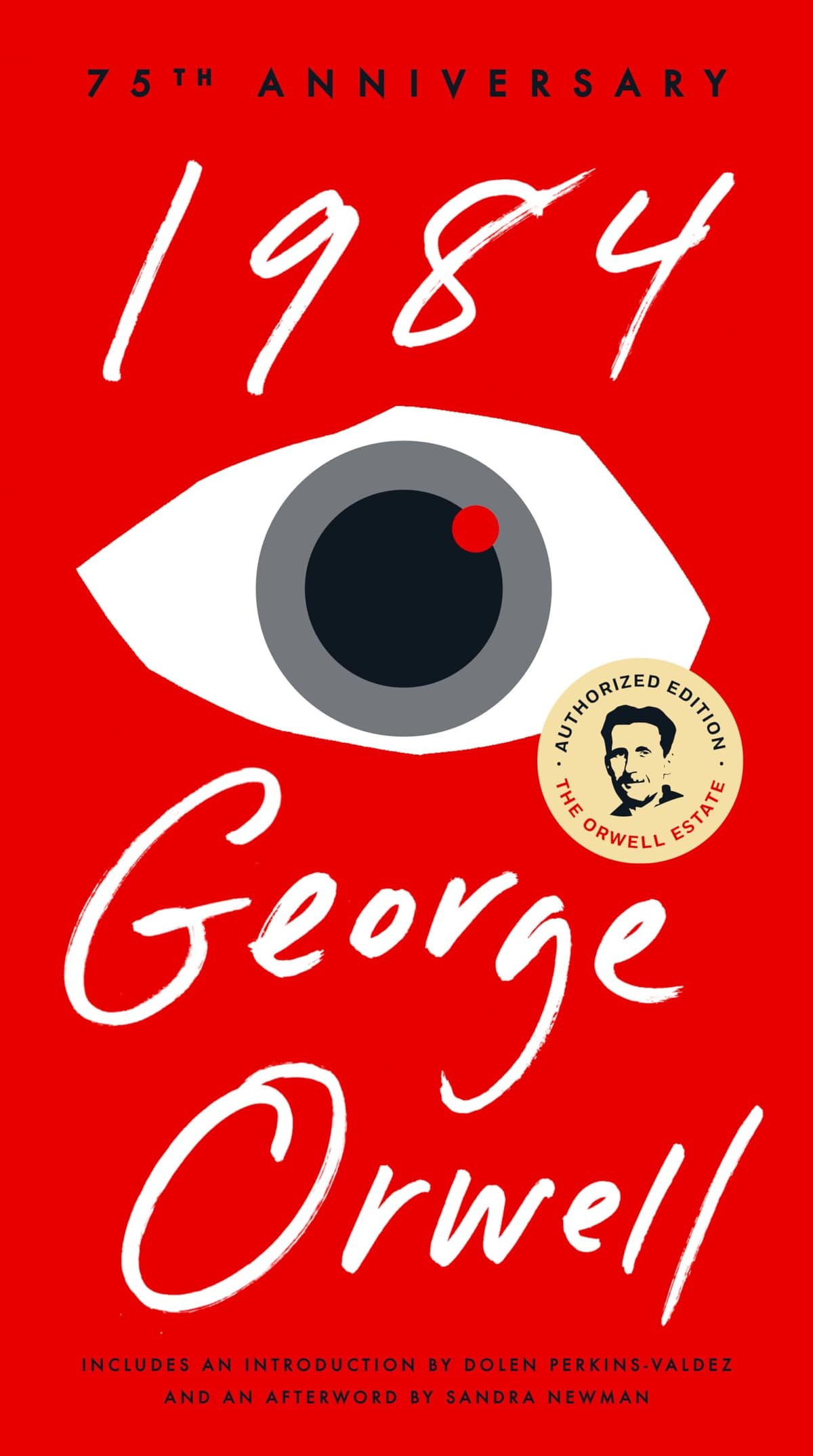 #6View Book
Nineteen Eighty-Four
George Orwell
Moderate•8-10 hours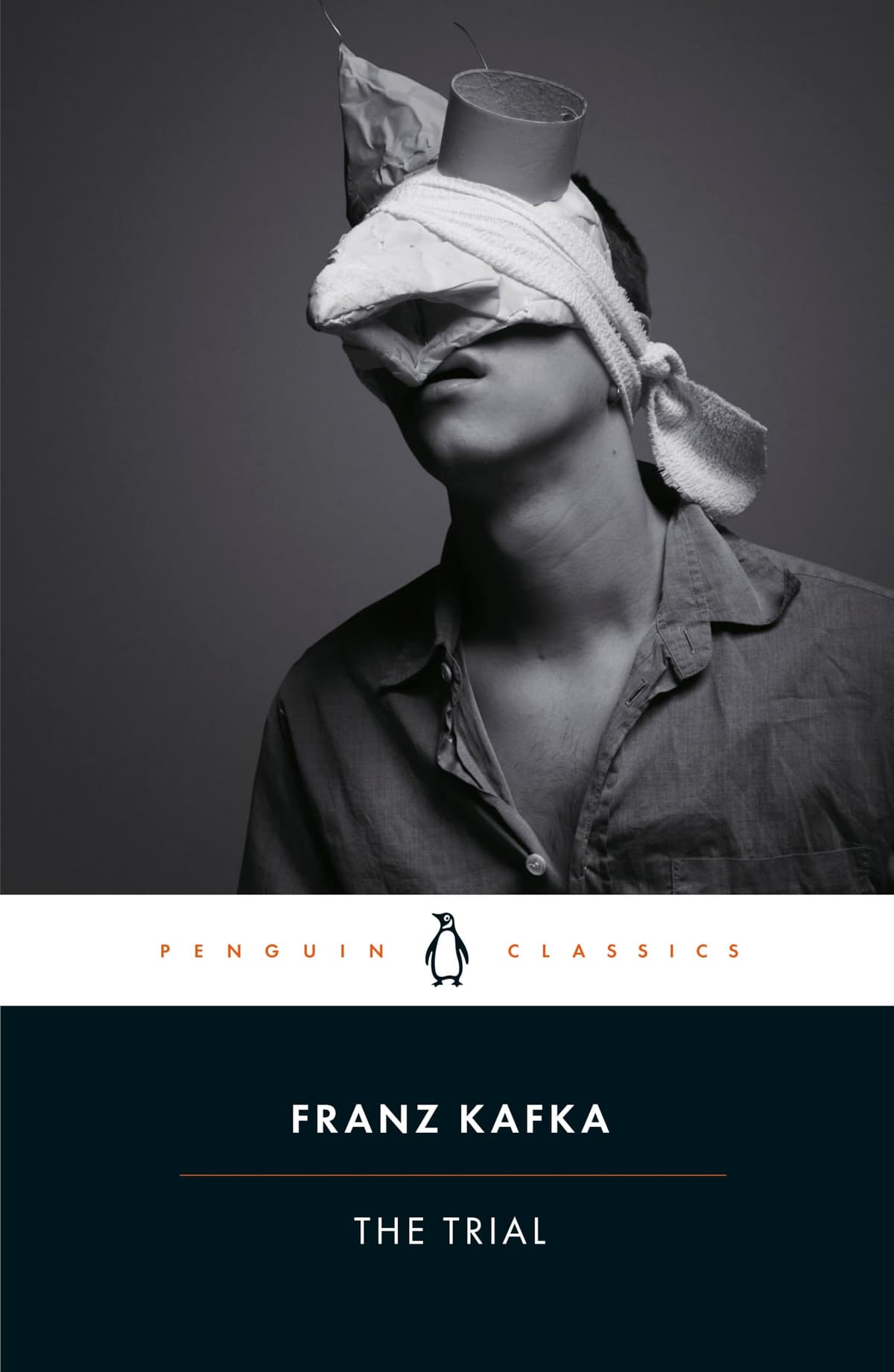 #20View Book
The Trial
Franz Kafka
Moderate•8-10 hours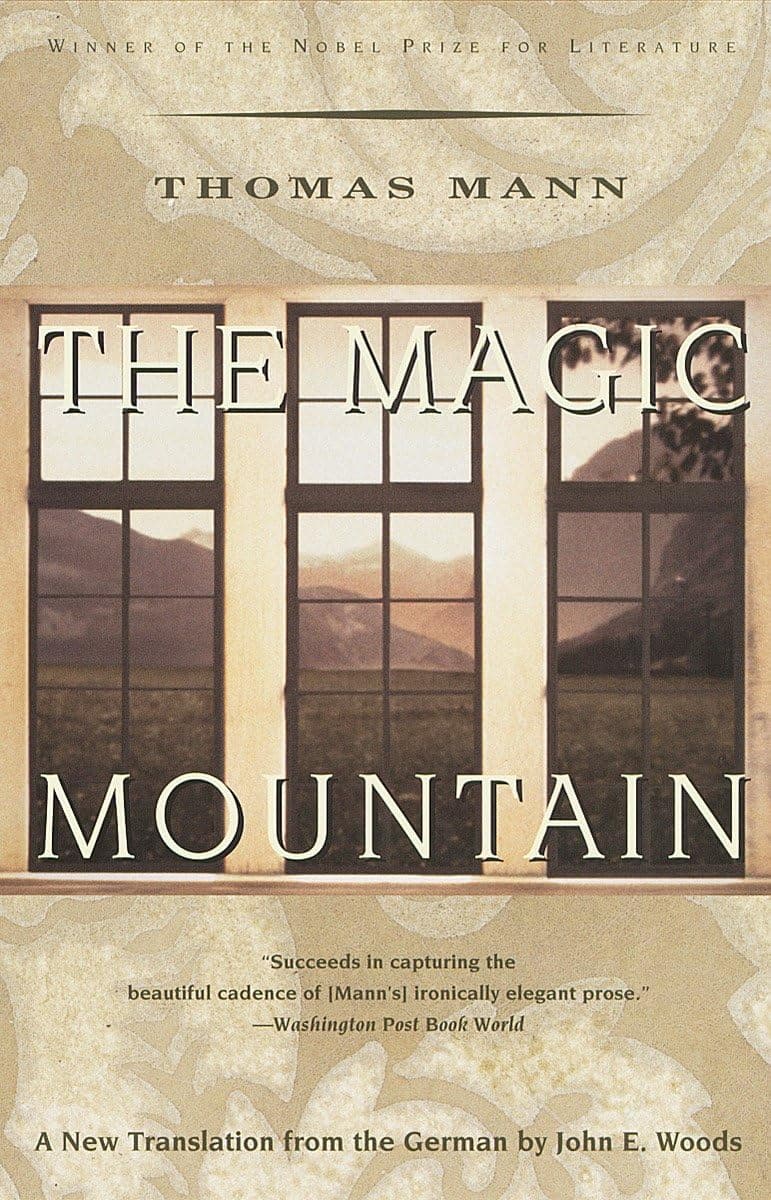 #27View Book
The Magic Mountain
Thomas Mann
High•30-35 hours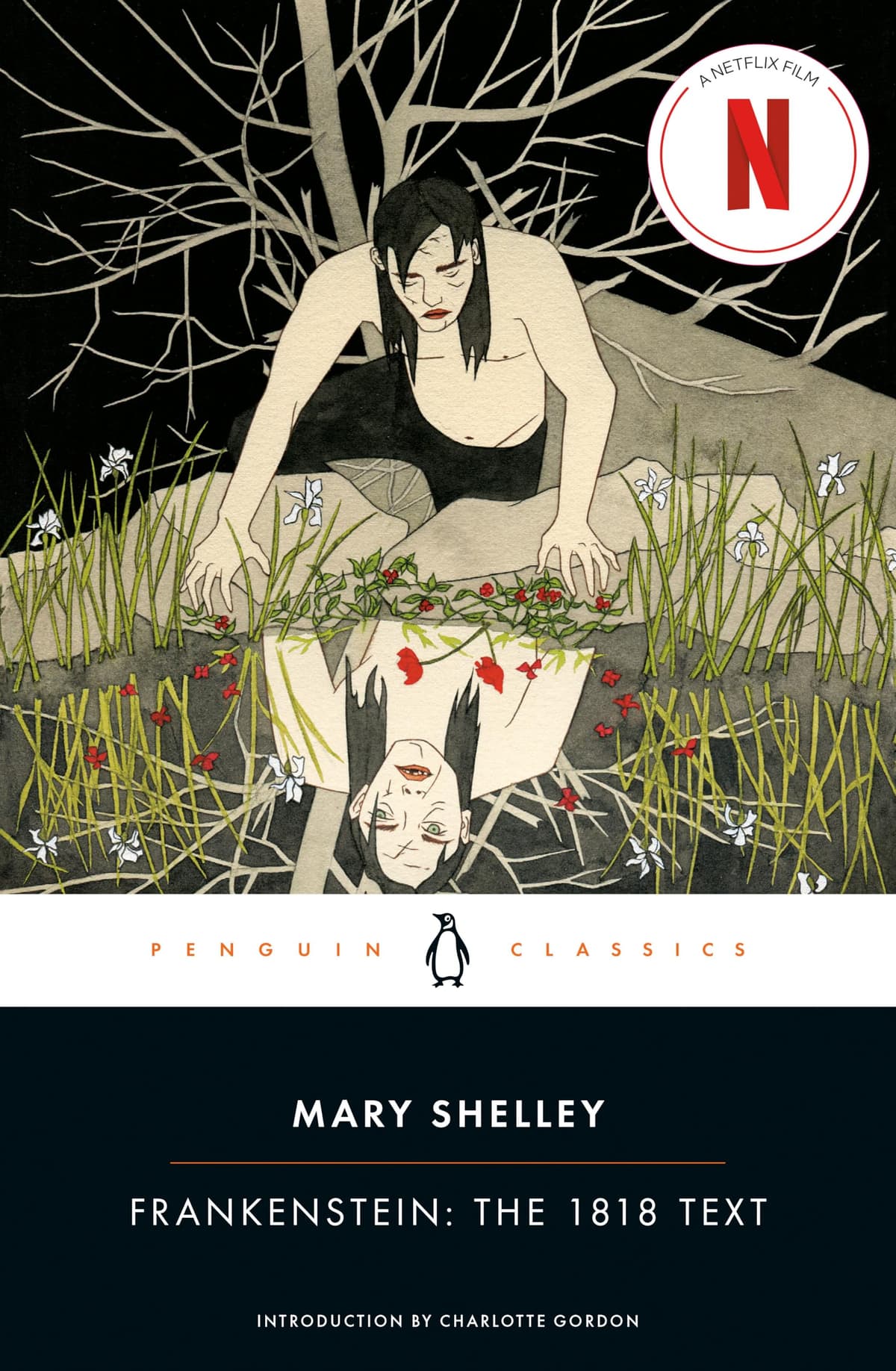 #41View Book
Frankenstein
Mary Shelley
Accessible•6-8 hours
Browse more collections