Poems of Emily Dickinson
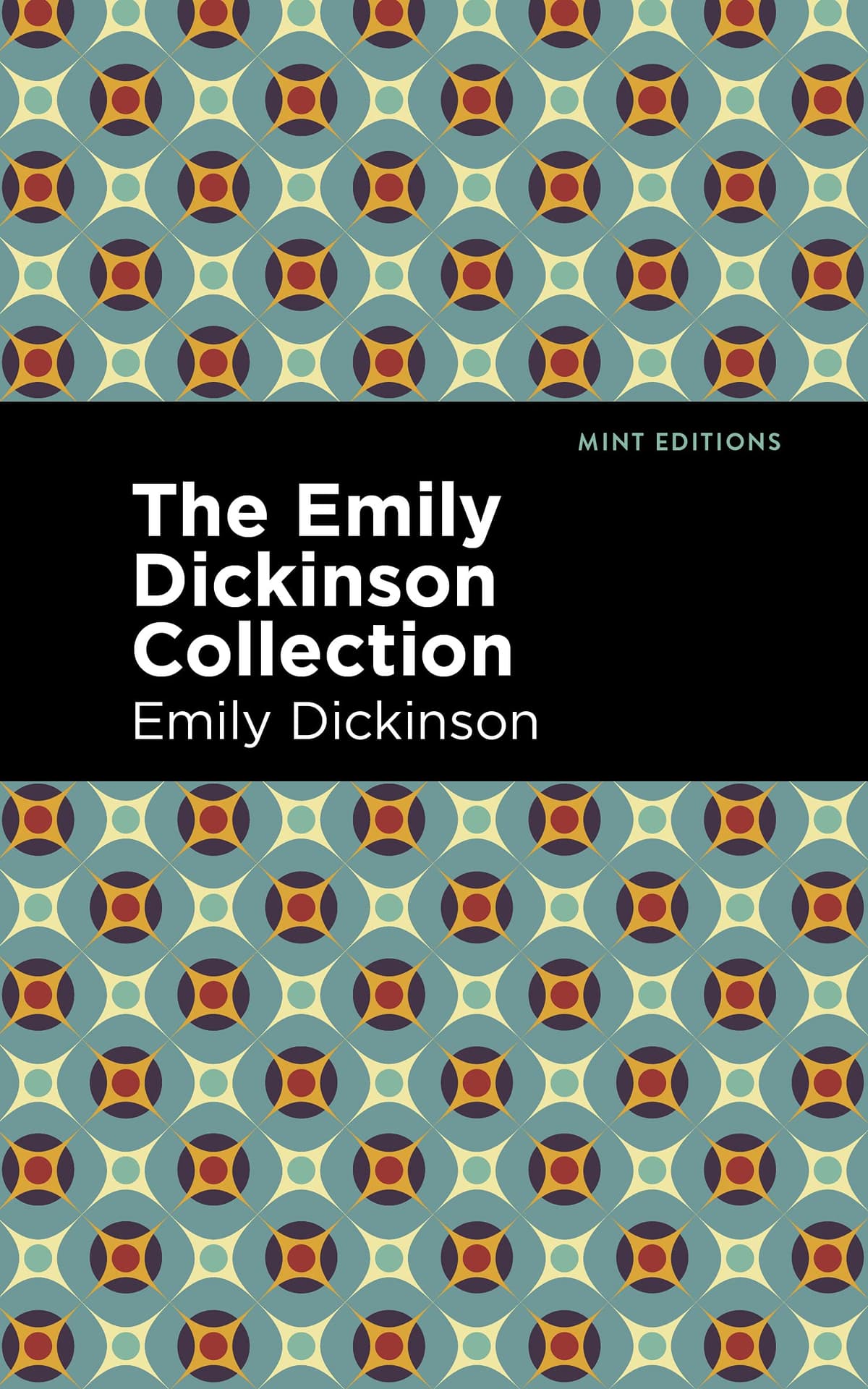
“Because I could not stop for Death — He kindly stopped for me —”
Poems of Emily Dickinson Summary
Nearly eighteen hundred poems, most of them short, many of them shattering—composed in near-total seclusion by a woman in a white dress who rarely left her family home in Amherst, Massachusetts. Emily Dickinson published fewer than a dozen poems in her lifetime; the rest were discovered after her death in 1886, stitched into hand-sewn booklets and stuffed into drawers. What the world found was one of the most original voices in the English language: compressed, electric, strange, and centuries ahead of its time.
Dickinson's poems assault the biggest subjects—death, immortality, God, nature, love, madness—with an intimacy and precision that make them feel overheard rather than declaimed. Her dashes fracture syntax into bursts of thought; her slant rhymes and eccentric capitalization create a music that belongs entirely to her. She can be playful and terrifying in the same stanza, moving from a hummingbird to the abyss without breaking stride. Poems like "Because I could not stop for Death" and "I felt a Funeral, in my Brain" have become part of the American consciousness, yet they resist domestication—each rereading reveals new depths, new ambiguities. Dickinson wrote from the margins—a woman, unmarried, reclusive—and in doing so mapped the interior life with a boldness that no poet before or since has matched. Her collected poems are not a book to be read straight through but a landscape to be explored, returned to, and inhabited for a lifetime.
Why Read Poems of Emily Dickinson?
Dickinson is the poet who makes all other poetry feel slightly verbose. Her poems arrive like telegrams from the soul—brief, urgent, impossible to ignore. You can open her collected works to any page and find something that stops you cold: a single image, a broken line, a thought so compressed it detonates in your mind hours later. No other poet offers such an extraordinary ratio of brevity to depth. She requires no special training to appreciate—only a willingness to slow down and pay attention to the extraordinary precision of every word.
What makes Dickinson essential is her absolute honesty. She stared at death, doubt, ecstasy, and despair without flinching, and she recorded what she saw with surgical precision. Her poems do not comfort; they illuminate. They take the largest questions a human being can ask—what happens when we die, what it means to believe, how it feels to love without being loved in return—and distill them into a few searing lines. Reading her changes the way you see the world—a shaft of afternoon light, a bird on a walk, the silence of a room—because she teaches you to pay the kind of attention that transforms the ordinary into the infinite.
About Emily Dickinson
Emily Dickinson (1830–1886) was born in Amherst, Massachusetts, into a prominent family—her father was a congressman, her grandfather a founder of Amherst College. She attended Mount Holyoke Female Seminary for one year before returning home, where she gradually withdrew from public life, eventually rarely leaving the family homestead. She maintained a vast correspondence and wrote nearly 1,800 poems, most of which she shared only with a small circle of trusted readers.
Dickinson's poems were published posthumously, beginning in 1890, and were heavily edited by early editors who regularized her punctuation and smoothed her unconventional forms. It was not until Thomas H. Johnson's 1955 edition that readers encountered her work as she wrote it—dashes, capitalizations, and all. She is now recognized as one of the two or three greatest American poets, her influence visible in everyone from Hart Crane to Sylvia Plath, and her radical compression of language anticipated modernist poetry by half a century.
Reading Guide
Ranked #148 among the greatest books of all time, Poems of Emily Dickinson by Emily Dickinson has earned its place in the literary canon. Originally written in English and published in 1890, this variable read from United States continues to resonate with readers today.
This book belongs to our Love & Loss and Philosophy & Faith collections, where you can discover more books that share its spirit and themes.
If you enjoy variable reads like this one, you might also like The Bible, One Thousand and One Nights, or The Complete Tales and Poems of Edgar Allan Poe.
From the Love & Loss Collection
If you enjoyed Poems of Emily Dickinson, discover more masterpieces that share its spirit.
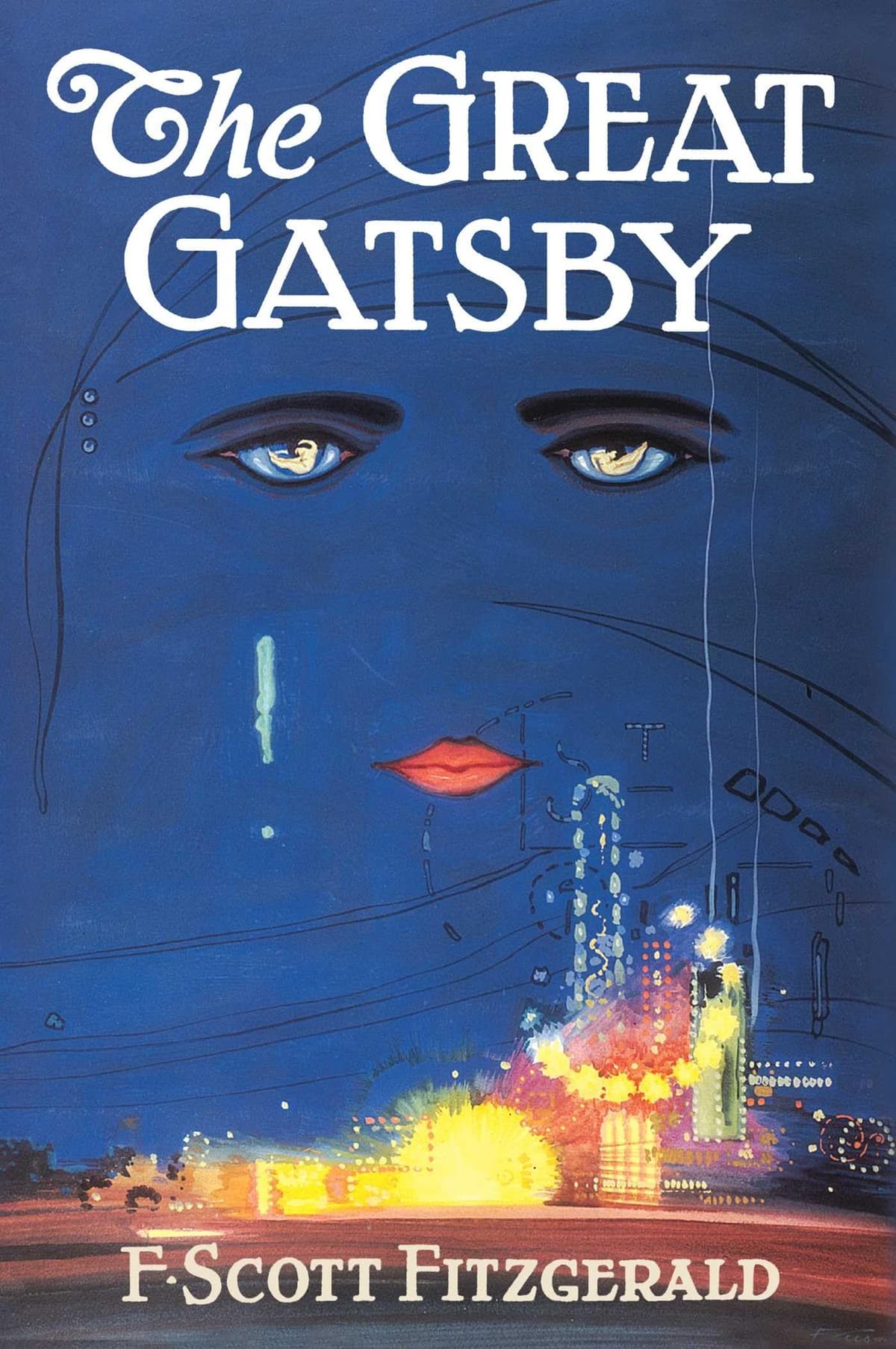 #3View Book
The Great Gatsby
F. Scott Fitzgerald
Accessible•5-6 hours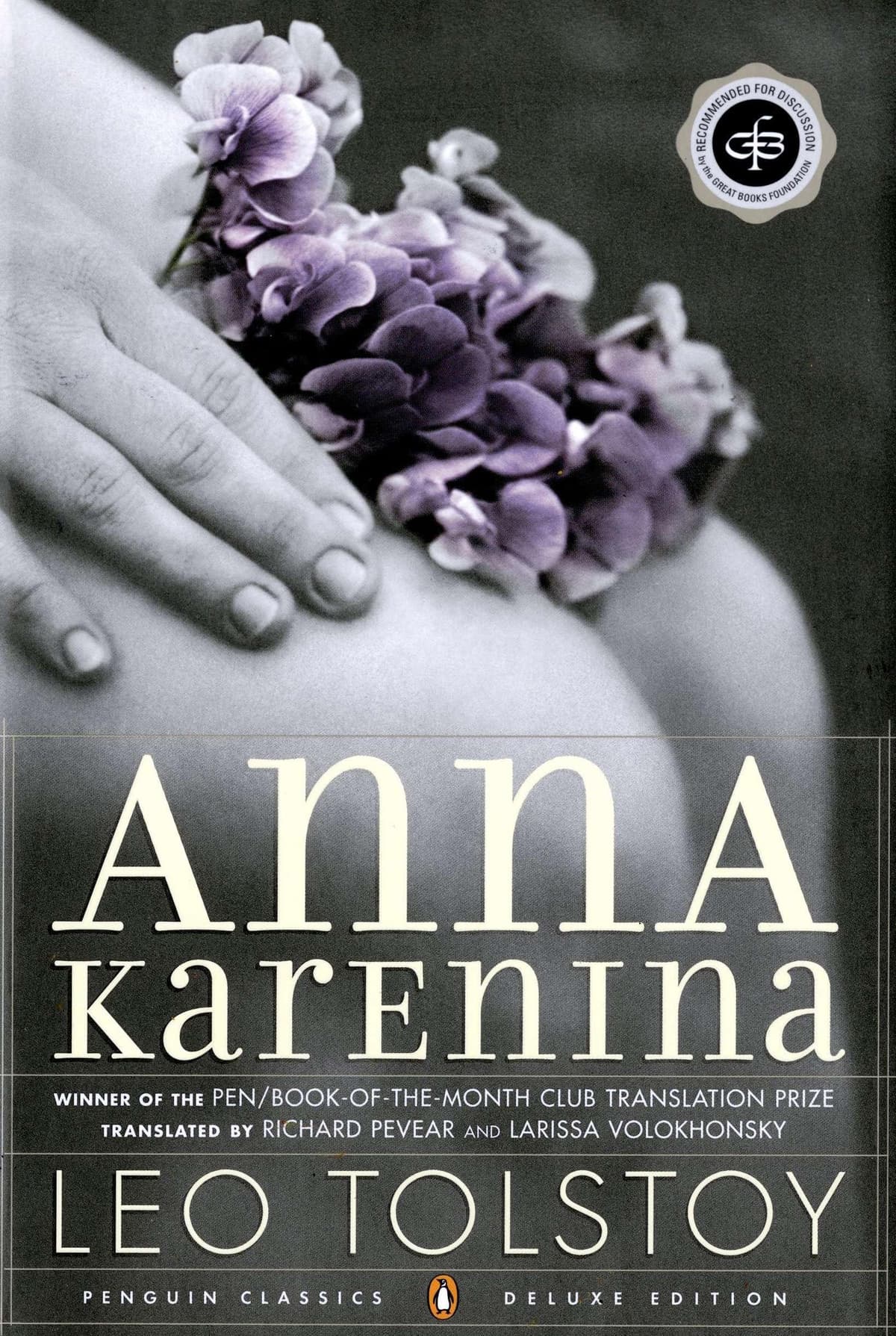 #10View Book
Anna Karenina
Leo Tolstoy
High•30-35 hours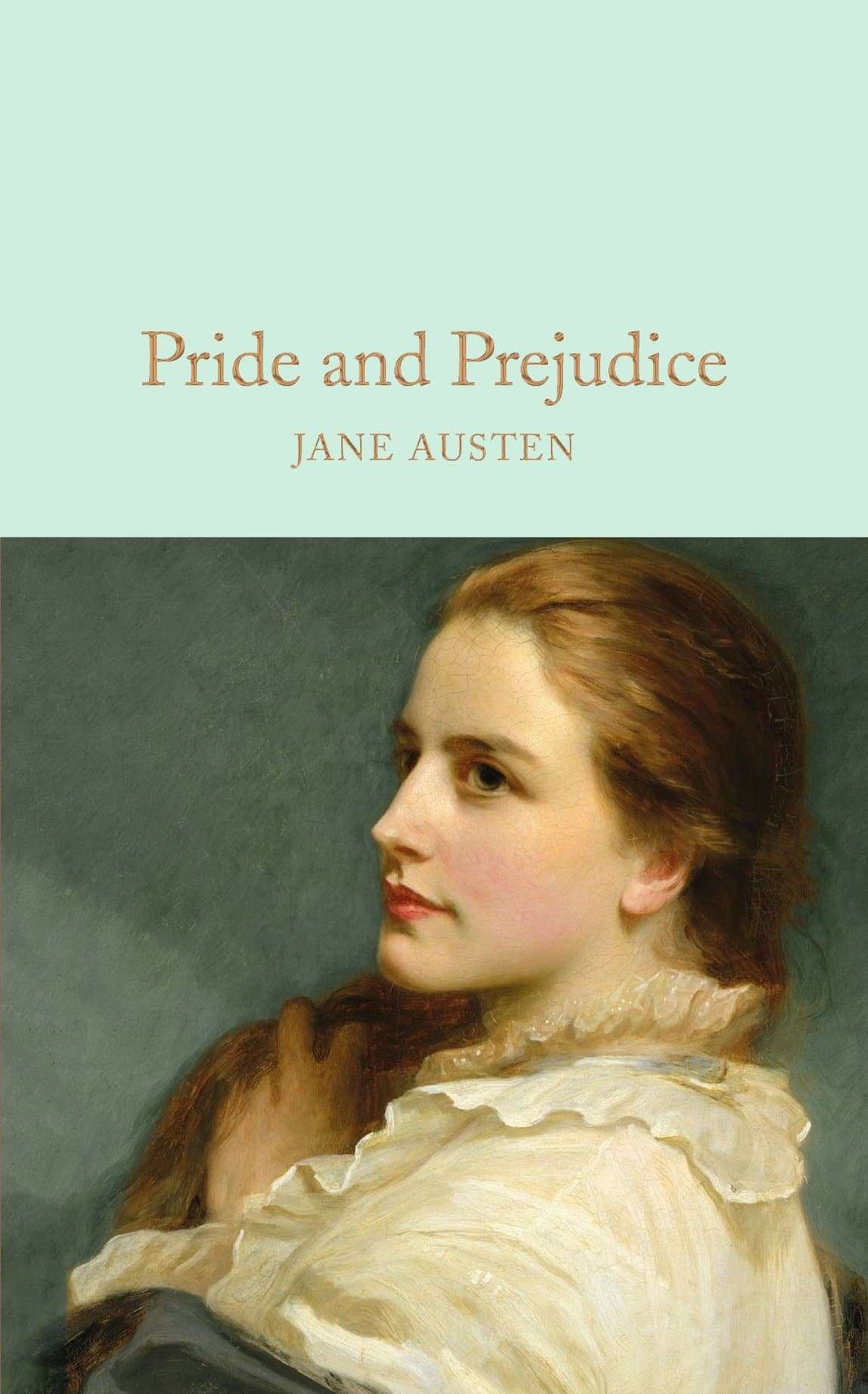 #12View Book
Pride and Prejudice
Jane Austen
Accessible•10-12 hours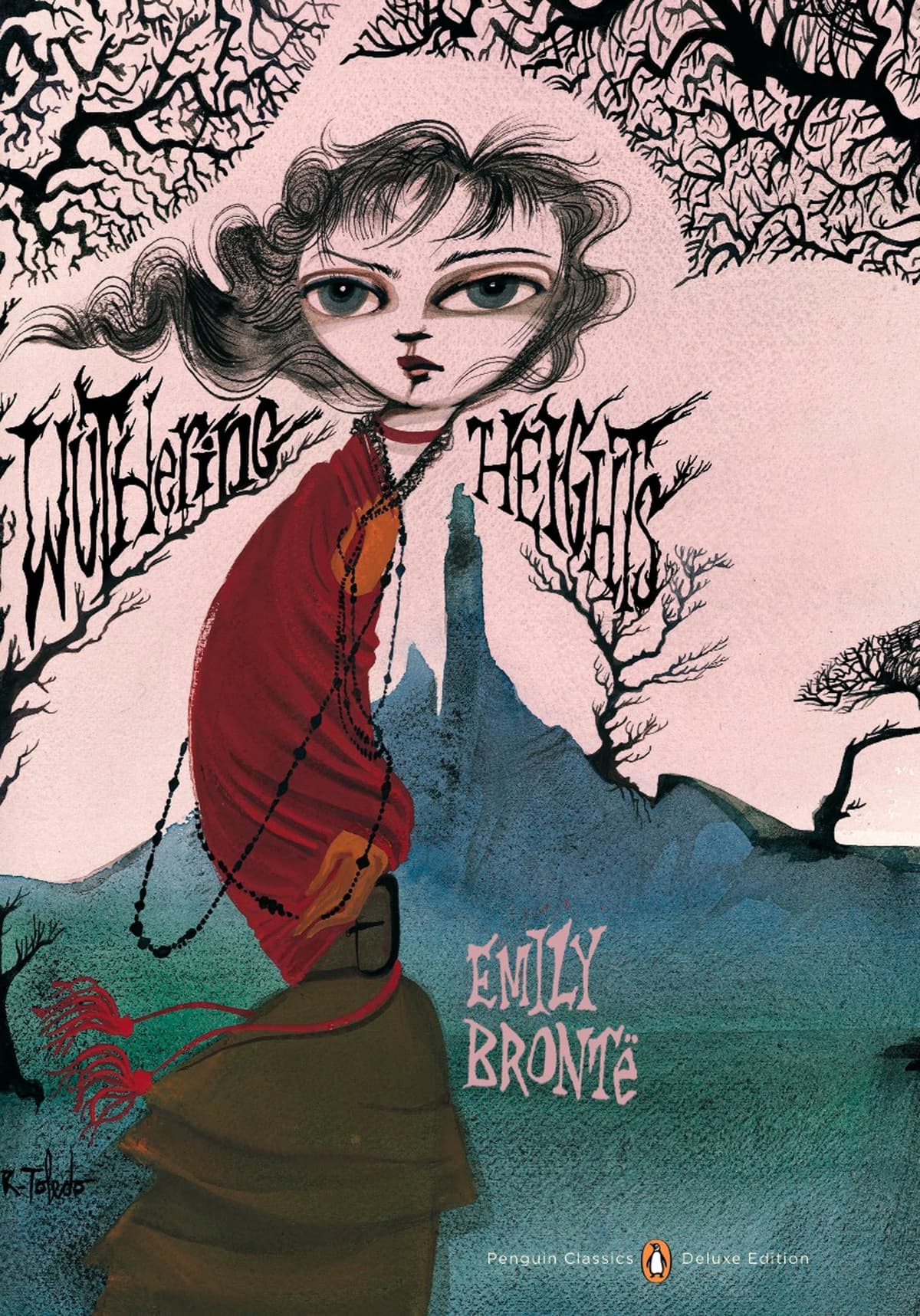 #15View Book
Wuthering Heights
Emily Brontë
Moderate•10-12 hours
Browse more collections