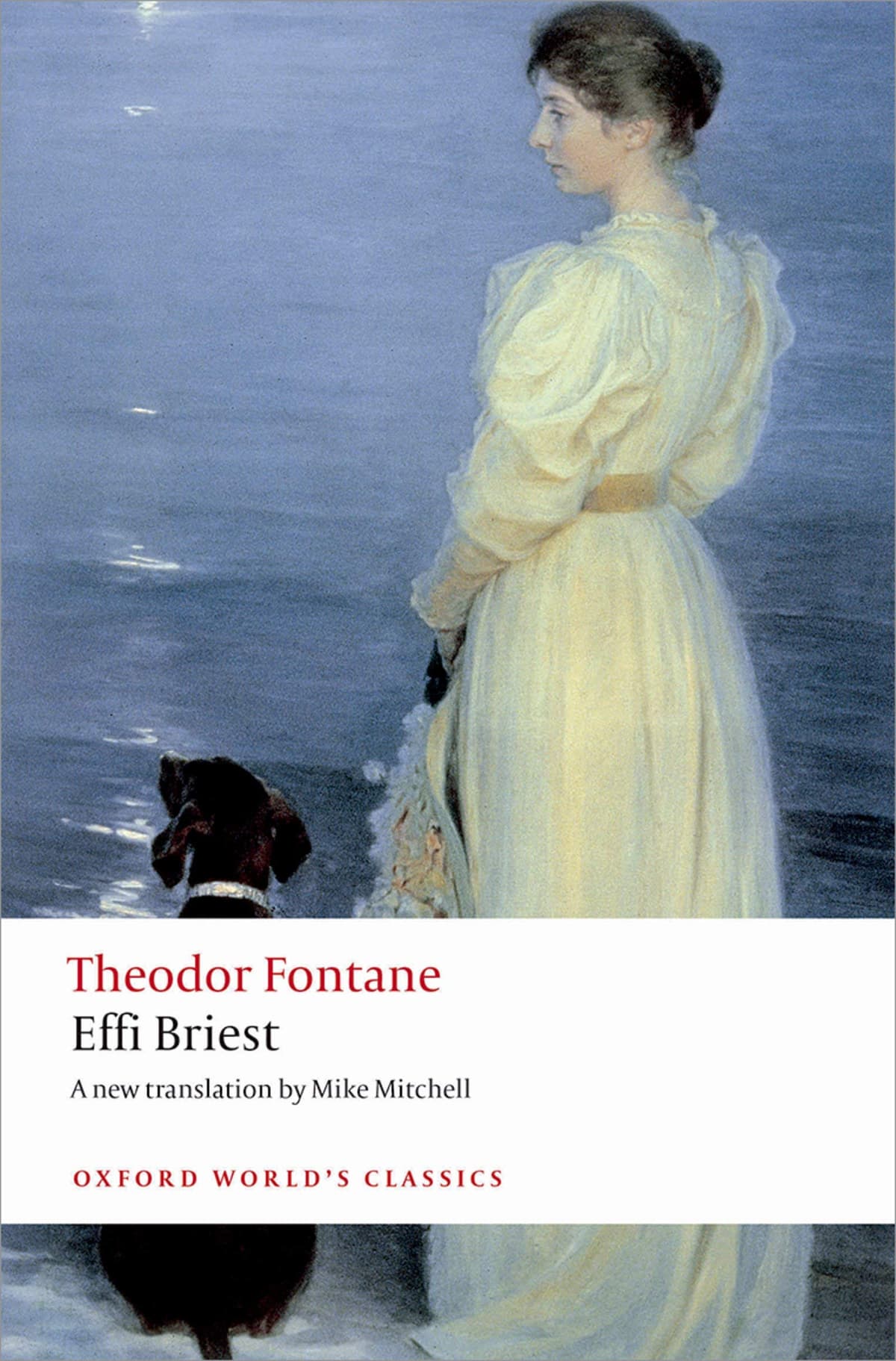
Effi Briest
“It's a vast field.”
Effi Briest Summary
Effi Briest follows the fate of a spirited, imaginative young woman of seventeen who is married off to Baron Geert von Innstetten, an ambitious Prussian civil servant twenty years her senior. Effi leaves the warmth and freedom of her childhood home in Hohen-Cremmen for Innstetten's gloomy official residence in the Baltic coastal town of Kessin, where she is isolated, bored, and vaguely frightened by rumors that the house is haunted. In her loneliness, she drifts into a brief affair with Major Crampas, a charming but morally careless cavalry officer. The affair ends when Innstetten is transferred to Berlin, and Effi settles into a seemingly contented life as a society wife and mother. Years later, Innstetten accidentally discovers old letters from Crampas, and despite feeling no personal rage, follows the rigid dictates of the Prussian honor code: he kills Crampas in a duel and divorces Effi.
Fontane's masterpiece is a study in the devastating gap between social convention and human feeling. Innstetten does not want to destroy his wife, but the code demands it; Effi's parents love their daughter but cannot defy society by taking her back; and Effi herself withers not from guilt but from the sheer cruelty of a system that punishes a youthful indiscretion with permanent exile from love and family. The novel's tone is one of quiet, devastating irony, its prose deceptively simple and conversational. Fontane observes his characters with a compassion that makes their compliance with an inhuman code all the more painful. Effi Briest stands alongside Madame Bovary and Anna Karenina as one of the great European novels of adultery, distinguished by its gentleness and its profound sadness about the distance between how people feel and how society compels them to act.
Why Read Effi Briest?
Effi Briest works on you slowly, like a chill that deepens almost imperceptibly until you realize you are shivering. Fontane's genius lies in his restraint: there are no dramatic confrontations, no operatic passions, no villains. Instead, there are decent people trapped inside a social machine that grinds them down with bureaucratic efficiency. The effect is devastating precisely because it is so quiet. Every character in this novel understands, at some level, that what they are doing is wrong, yet none of them can find the courage to break free.
What makes this novel essential reading is its uncanny relevance to any society where unwritten rules and codes of respectability matter more than individual happiness. Fontane wrote about Prussian Germany, but his themes apply wherever conformity is valued over compassion. Effi herself is one of the most sympathetically drawn heroines in European fiction: vivacious, intelligent, and ultimately powerless against a system that treats her youthful mistake as an unforgivable sin. If you have ever felt the weight of social expectation pressing against your own desires, this novel will speak to you with quiet, unforgettable power.
About Theodor Fontane
Theodor Fontane (1819-1898) was born in Neuruppin, Brandenburg, to a family of Huguenot descent. He trained as a pharmacist before turning to journalism and literature, working for decades as a war correspondent, travel writer, theater critic, and newspaper editor. His literary career developed slowly; he did not publish his first novel until he was nearly sixty, having spent his earlier years writing ballads, travel books about the Brandenburg countryside, and accounts of Prussia's wars.
Beginning with Before the Storm (1878), Fontane produced a remarkable series of novels in the final two decades of his life that established him as the master of German literary realism. His society novels, including L'Adultera, Frau Jenny Treibel, and The Stechlin, anatomize Prussian and Berlin society with an ironic detachment often compared to Jane Austen. Effi Briest (1895), his most celebrated work, is considered the finest German novel of the nineteenth century by many critics. Fontane brought to German fiction a lightness of touch, a conversational naturalness, and a compassionate irony that were largely new to the tradition. Thomas Mann acknowledged him as a crucial predecessor, and his influence on modern German literature remains profound.
Reading Guide
Ranked #325 among the greatest books of all time, Effi Briest by Theodor Fontane has earned its place in the literary canon. Originally written in German and published in 1895, this moderate read from Germany continues to resonate with readers today.
This book belongs to our Society & Satire and Love & Loss collections, where you can discover more books that share its spirit and themes.
If you enjoy moderate reads like this one, you might also like One Hundred Years of Solitude, Nineteen Eighty-Four, or Wuthering Heights.
From the Society & Satire Collection
If you enjoyed Effi Briest, discover more masterpieces that share its spirit.
 #9View Book
Don Quixote
Miguel de Cervantes
High•35-40 hours #12View Book
Pride and Prejudice
Jane Austen
Accessible•10-12 hours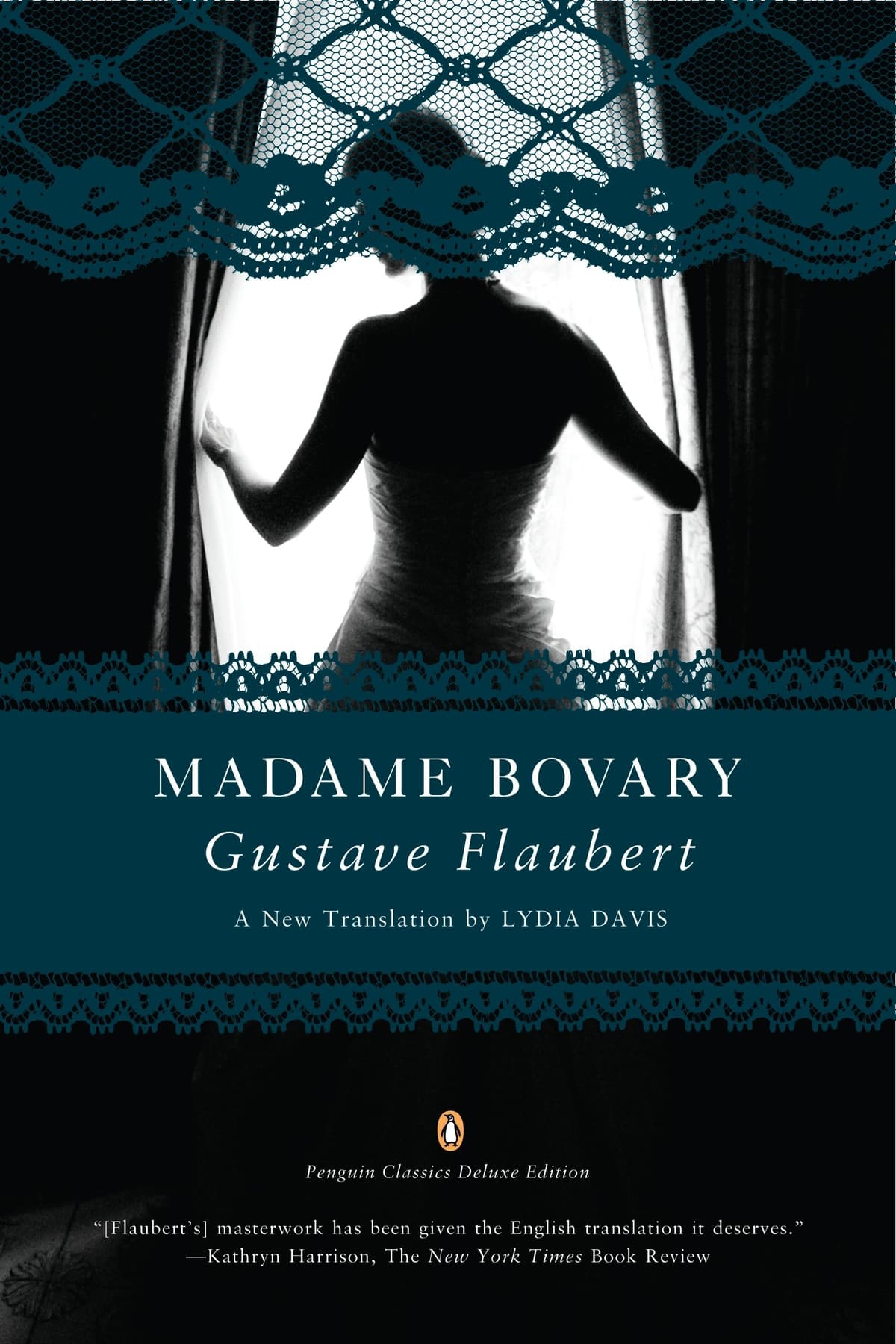 #22View Book
Madame Bovary
Gustave Flaubert
Moderate•12-15 hours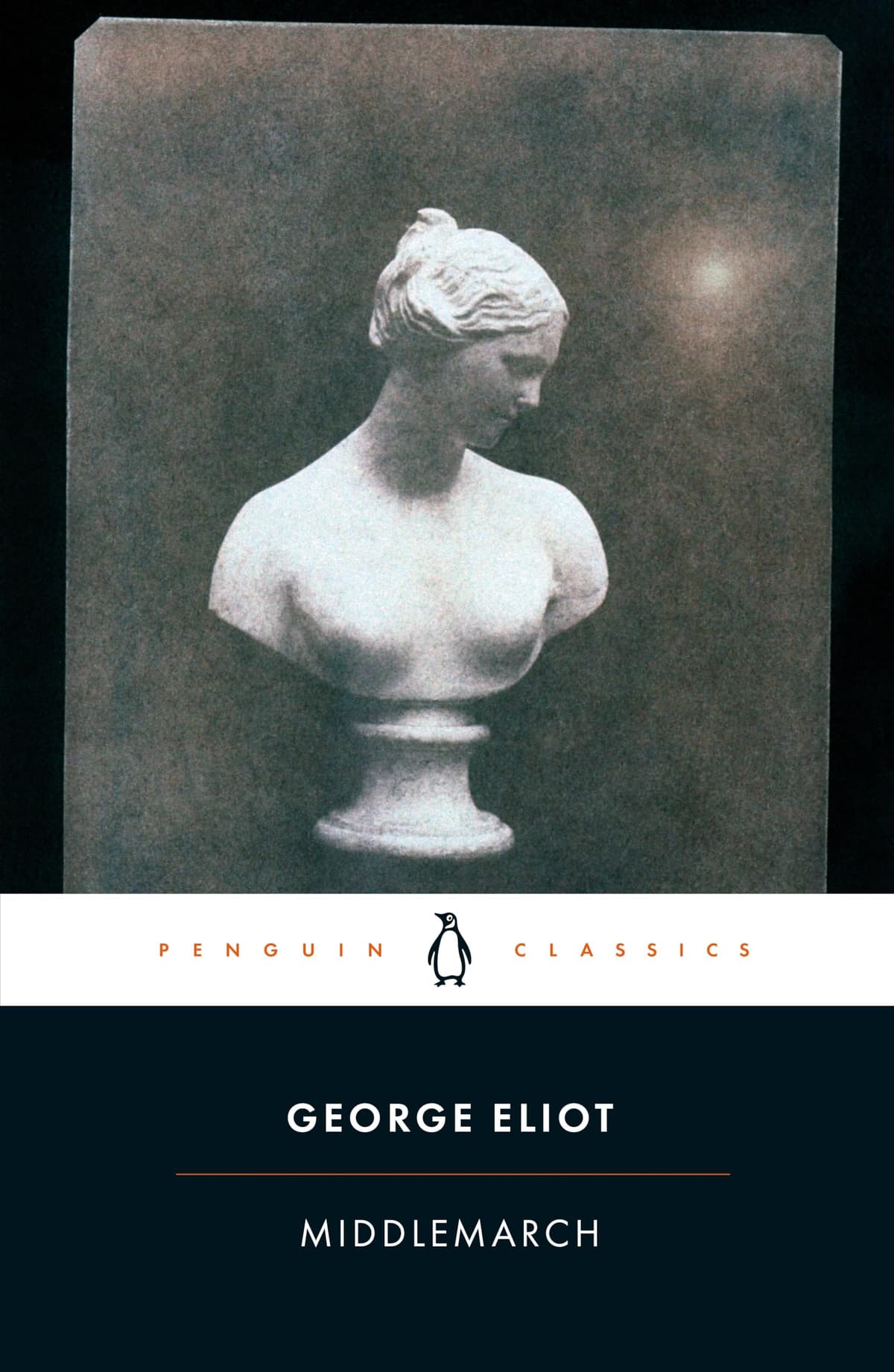 #30View Book
Middlemarch
George Eliot
High•30-35 hours
Browse more collections