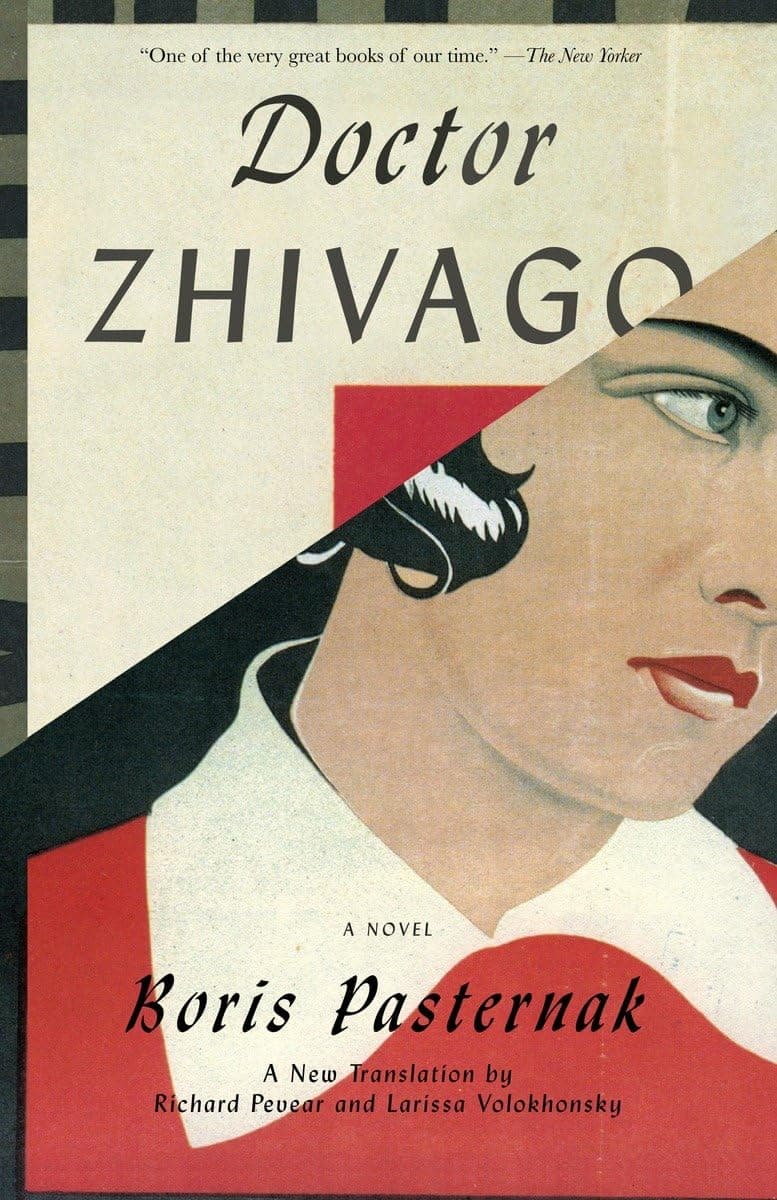
Doctor Zhivago
“Art always serves beauty, and beauty is the happiness of possessing form, and form is the organic key to existence.”
Doctor Zhivago Summary
Yuri Zhivago is a physician and poet caught in the maelstrom of the Russian Revolution. Raised among the Moscow intelligentsia, married to the gentle Tonya, he is swept by war and upheaval into the arms of Lara Antipova—a woman whose fate has been entangled with violence and betrayal since adolescence. As the old world crumbles and the new Soviet order rises with terrible certainty, Zhivago tries to hold on to what makes life worth living: beauty, love, the scratching of a pen across paper in a frozen room.
Pasternak's epic is not a political thriller but a lyric poem stretched to the scale of history. Snow blankets the Ural countryside, trains carry refugees across a ravaged landscape, and partisan warfare erupts without warning—yet at the center of it all is one man's stubborn insistence on the primacy of the individual soul. Doctor Zhivago is a novel that breathes, that aches, that insists on tenderness in an age of iron.
Why Read Doctor Zhivago?
Doctor Zhivago is one of the great love stories of the twentieth century, but it is also something rarer: a love letter to the human spirit written under the shadow of totalitarianism. Pasternak smuggled his manuscript to the West because the Soviet government forbade its publication—and he paid dearly for it, forced to decline the Nobel Prize under state pressure. The novel's very existence is an act of defiance.
What makes it irreplaceable is Pasternak's lyric vision. He was first and foremost a poet, and Doctor Zhivago reads like no other novel—its prose shimmers with the intensity of verse, its landscapes become states of the soul, and its characters move through history like figures in a painting that keeps changing with the light. It is a book about what survives when everything else is taken away.
About Boris Pasternak
Boris Pasternak (1890–1960) was one of Russia's greatest poets long before he became a novelist. Born in Moscow to an artistic family—his father was a painter, his mother a concert pianist—he studied philosophy in Germany before devoting himself to poetry. His early collections established him as a voice of startling originality, blending nature imagery with philosophical depth.
Doctor Zhivago, his only novel, was rejected for publication in the Soviet Union and smuggled to Italy, where it was published in 1957. Pasternak was awarded the Nobel Prize in Literature in 1958 but was forced by the Soviet authorities to decline it. He died two years later, broken but unbowed. The novel was not published in Russia until 1988, nearly three decades after his death.
Reading Guide
Ranked #107 among the greatest books of all time, Doctor Zhivago by Boris Pasternak has earned its place in the literary canon. Originally written in Russian and published in 1957, this moderate read from Russia continues to resonate with readers today.
This book belongs to our Russian Soul and Love & Loss collections, where you can discover more books that share its spirit and themes.
If you enjoy moderate reads like this one, you might also like One Hundred Years of Solitude, Nineteen Eighty-Four, or Wuthering Heights.
From the Russian Soul Collection
If you enjoyed Doctor Zhivago, discover more masterpieces that share its spirit.
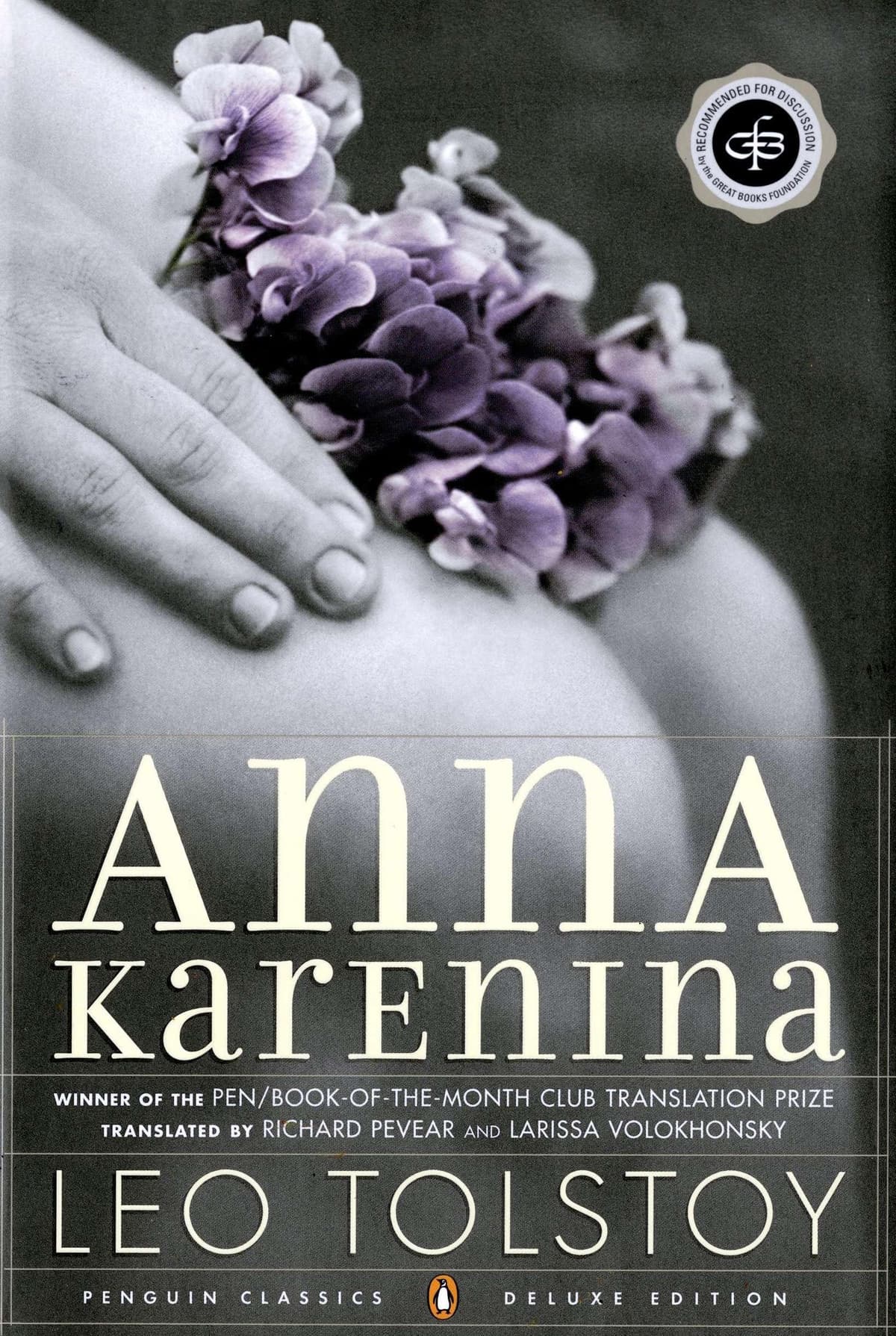 #10View Book
Anna Karenina
Leo Tolstoy
High•30-35 hours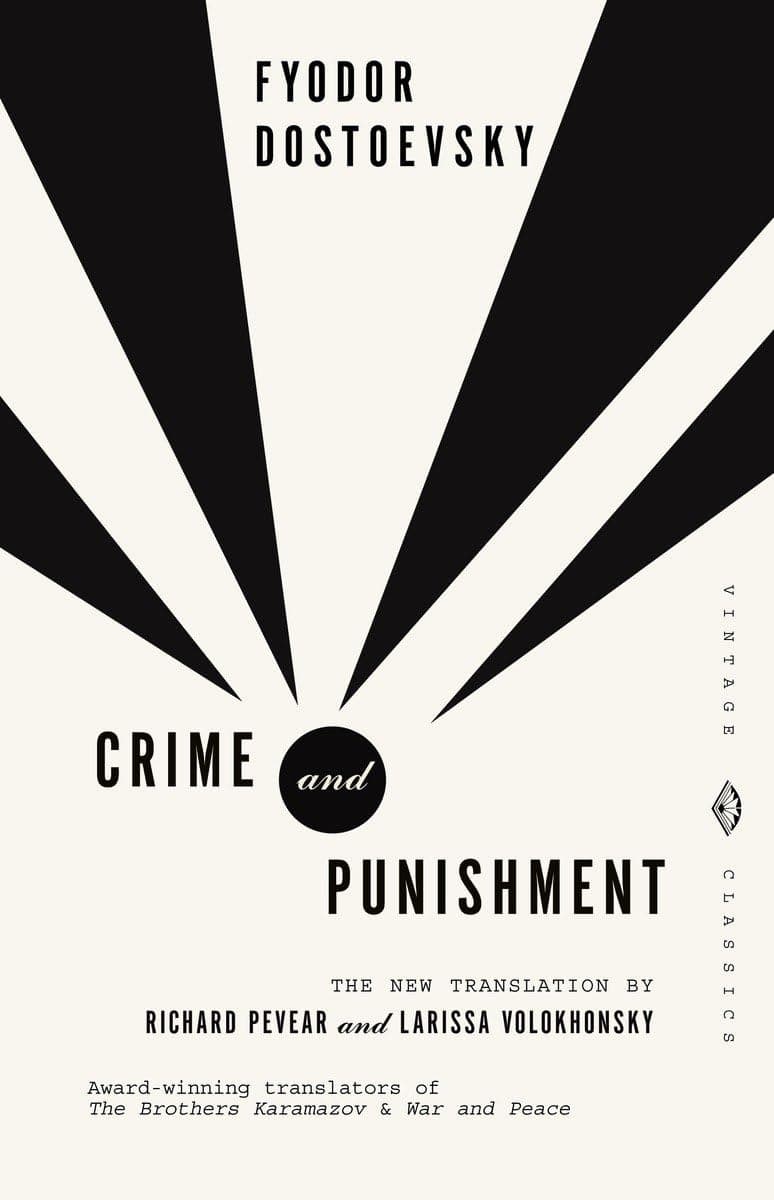 #11View Book
Crime and Punishment
Fyodor Dostoevsky
High•20-25 hours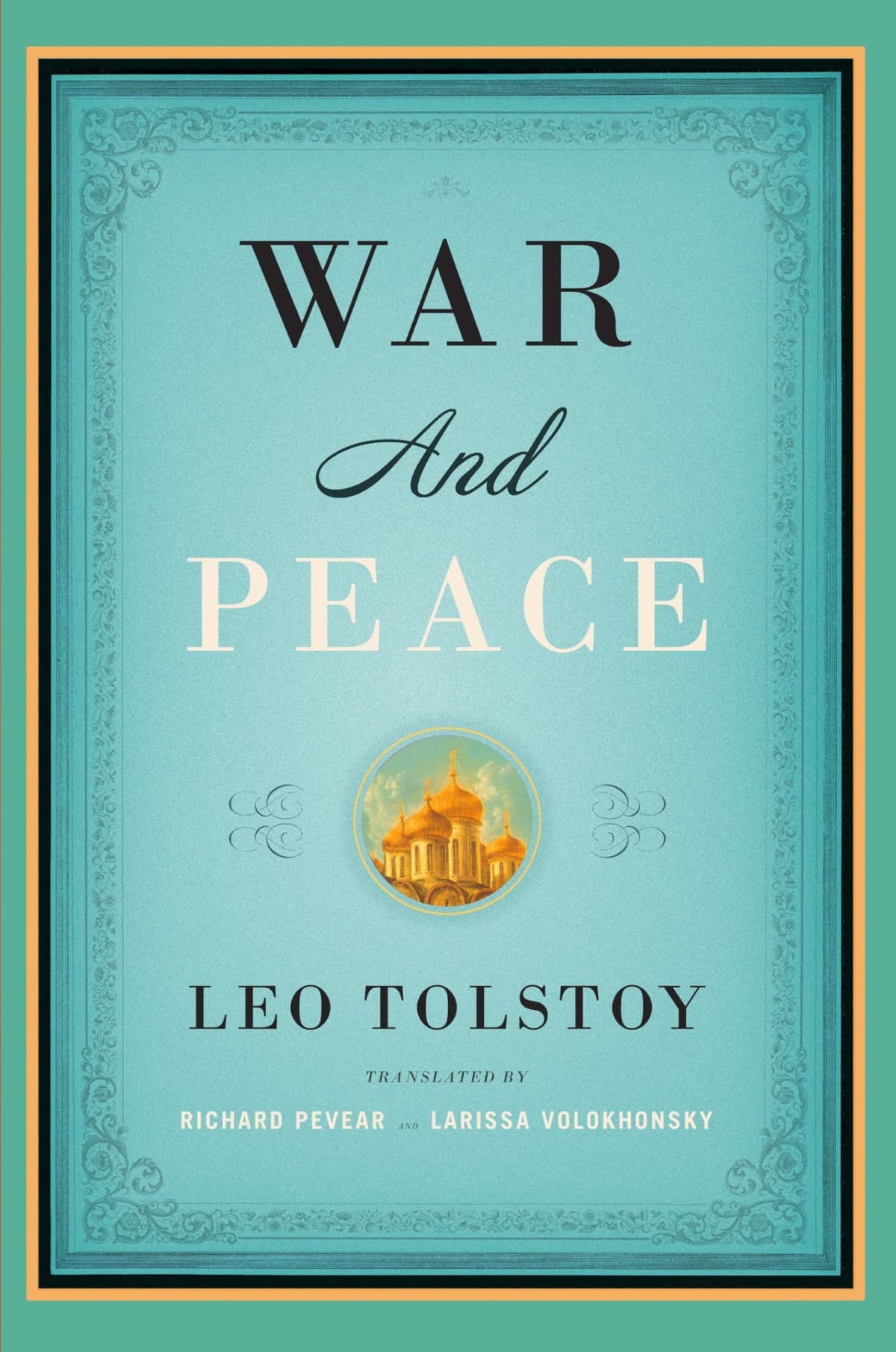 #14View Book
War and Peace
Leo Tolstoy
Very High•40-50 hours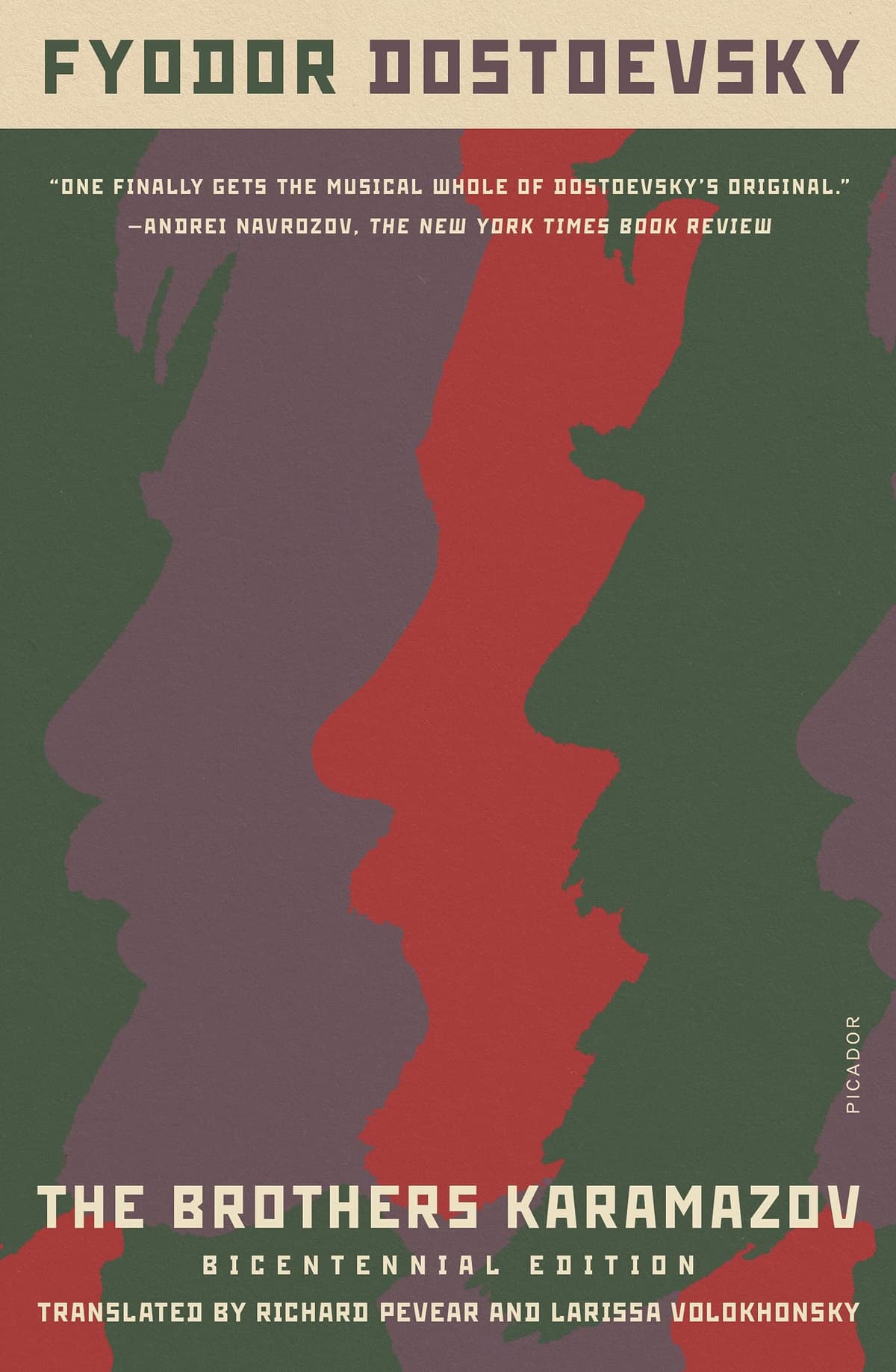 #19View Book
The Brothers Karamazov
Fyodor Dostoevsky
Very High•35-40 hours
Browse more collections