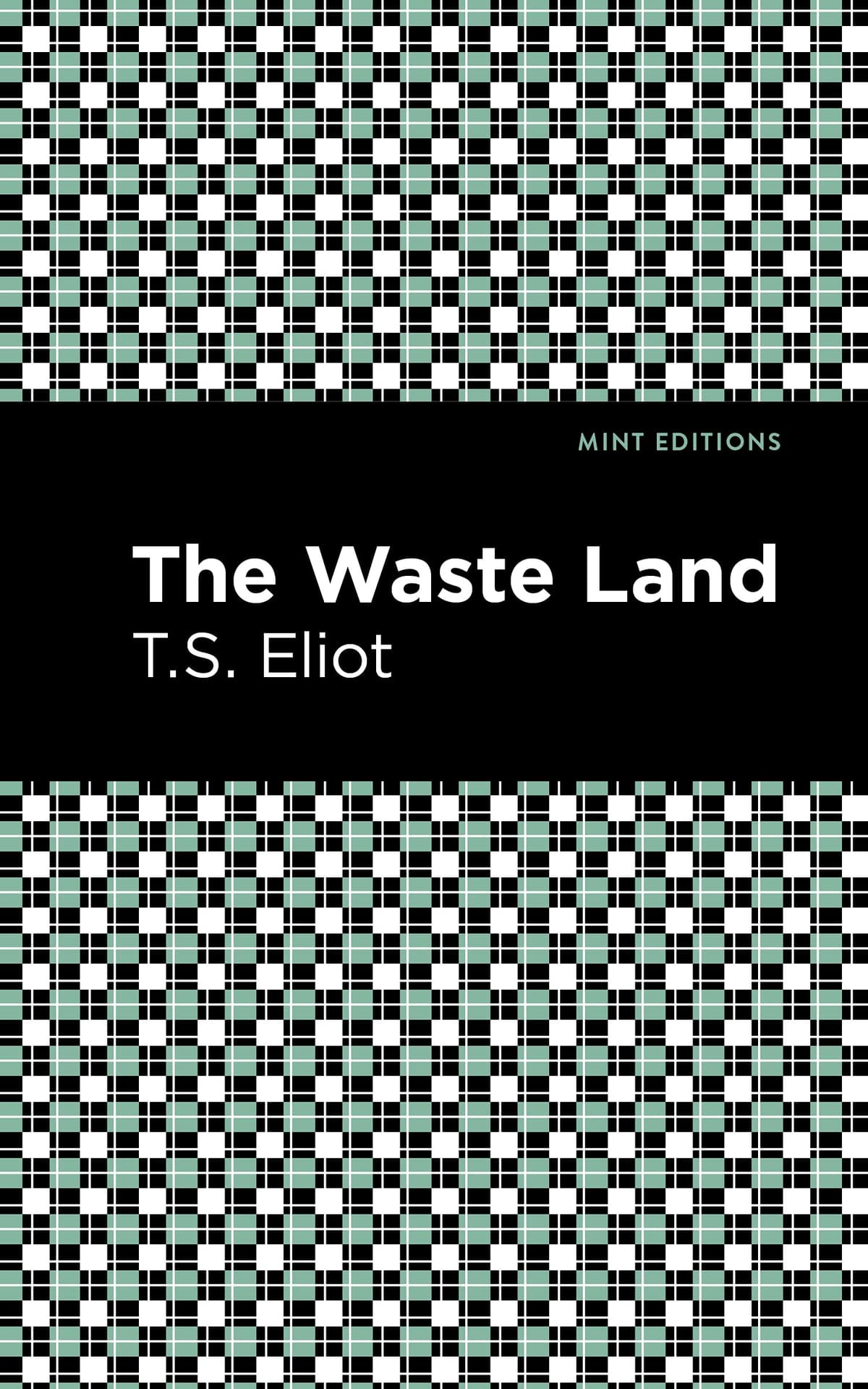
The Waste Land
“April is the cruellest month, breeding / Lilacs out of the dead land, mixing / Memory and desire, stirring / Dull roots with spring rain.”
The Waste Land Summary
April is the cruellest month. With those four words, T. S. Eliot shattered the conventions of English poetry and reassembled the fragments into something entirely new. The Waste Land is a kaleidoscopic journey through a spiritually barren modern landscape, stitching together voices from a clairvoyant's parlor, a London pub, the banks of the Thames, and the chapel perilous of Arthurian legend. It speaks in a babel of languages and literary allusions—Sanskrit, Dante, Shakespeare, Wagner—as if all of Western civilization were collapsing into a single, desperate prayer for rain.
In just over four hundred lines of verse divided into five sections, Eliot captured the psychic devastation of post-World War I Europe. The poem does not narrate so much as hallucinate: images of drowned sailors, rats in alleyways, and empty chapels flicker past like scenes glimpsed from a speeding train. It is a poem of ruins—cultural, spiritual, sexual—and the agonized question of whether anything can be built from the rubble.
Why Read The Waste Land?
No single poem has shaped modern literature more profoundly than The Waste Land. Published in 1922—the same year as Ulysses—it announced that poetry would never be the same. Eliot's technique of fragmentation, allusion, and multiple voices became the blueprint for modernist art across every medium. To read it is to experience the birth of a new way of seeing.
But The Waste Land is not merely an academic monument. Beneath its dense surface is a raw, almost unbearable emotional honesty—a mind at the edge of breakdown, searching for meaning in a world drained of it. Every generation rediscovers it and finds its own anxieties mirrored there: ecological collapse, spiritual emptiness, the noise of a culture drowning in information. It is a poem you will return to for the rest of your life, and it will be different every time.
About T. S. Eliot
T. S. Eliot (1888–1965) was born in St. Louis, Missouri, but became the most English of poets, settling in London, converting to Anglicanism, and eventually taking British citizenship. He worked as a bank clerk while writing the poetry that would remake the literary landscape. His critical essays were nearly as influential as his verse, establishing new canons of taste and coining phrases—'objective correlative,' 'dissociation of sensibility'—that generations of students would learn to wield.
Eliot received the Nobel Prize in Literature in 1948. Beyond The Waste Land, his works include "The Love Song of J. Alfred Prufrock," "Four Quartets," and the playful Old Possum's Book of Practical Cats, which became the basis for the musical Cats. He remains the towering figure of modernist poetry in the English language.
Reading Guide
Ranked #106 among the greatest books of all time, The Waste Land by T. S. Eliot has earned its place in the literary canon. Originally written in English and published in 1922, this very high read from United Kingdom continues to resonate with readers today.
This book belongs to our Modern Mind collection, where you can discover more books that share its spirit and themes.
If you enjoy very high reads like this one, you might also like The Sound and the Fury, War and Peace, or The Brothers Karamazov.
From the Modern Mind Collection
If you enjoyed The Waste Land, discover more masterpieces that share its spirit.
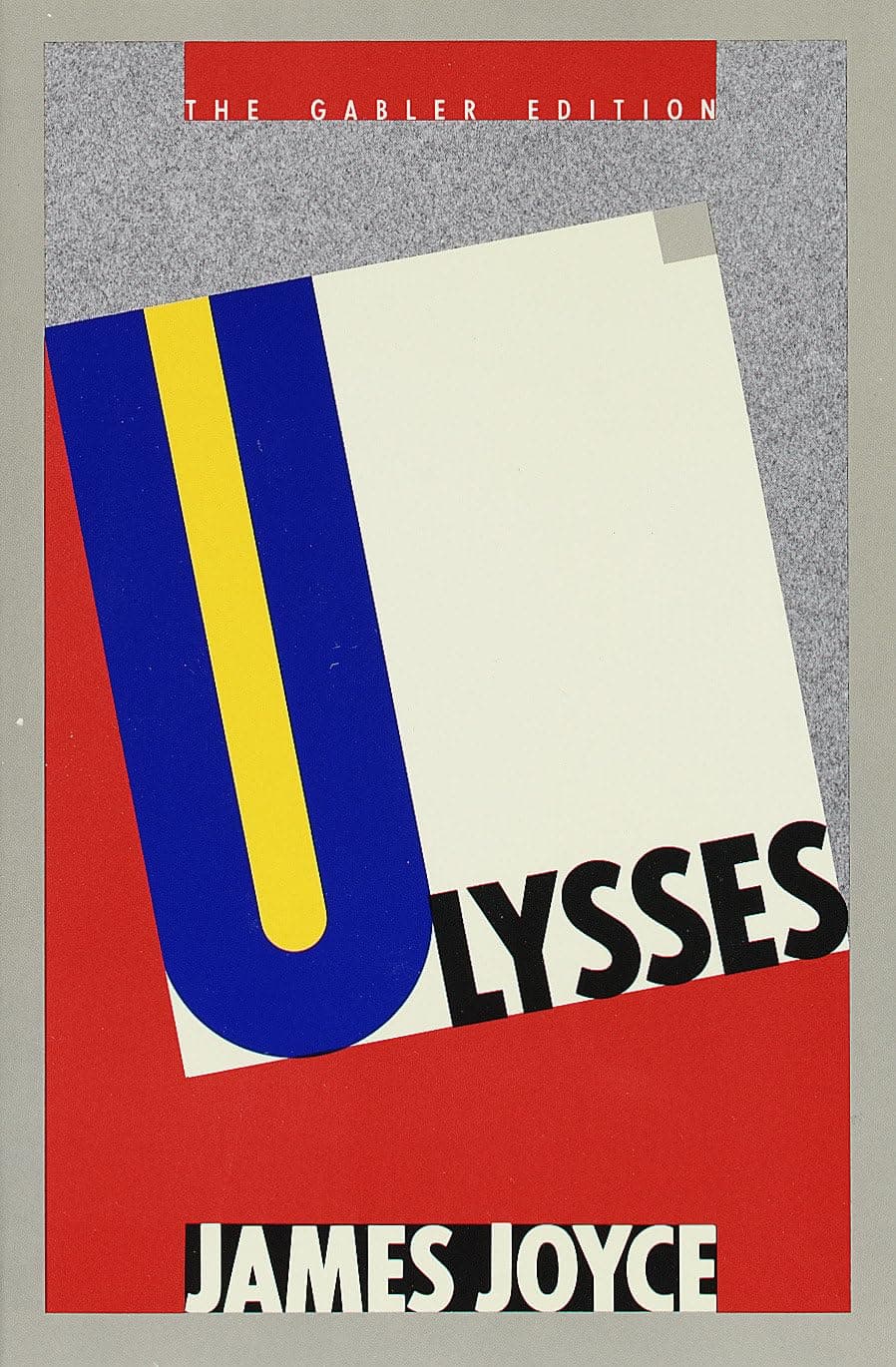 #1View Book
Ulysses
James Joyce
Challenging•35-40 hours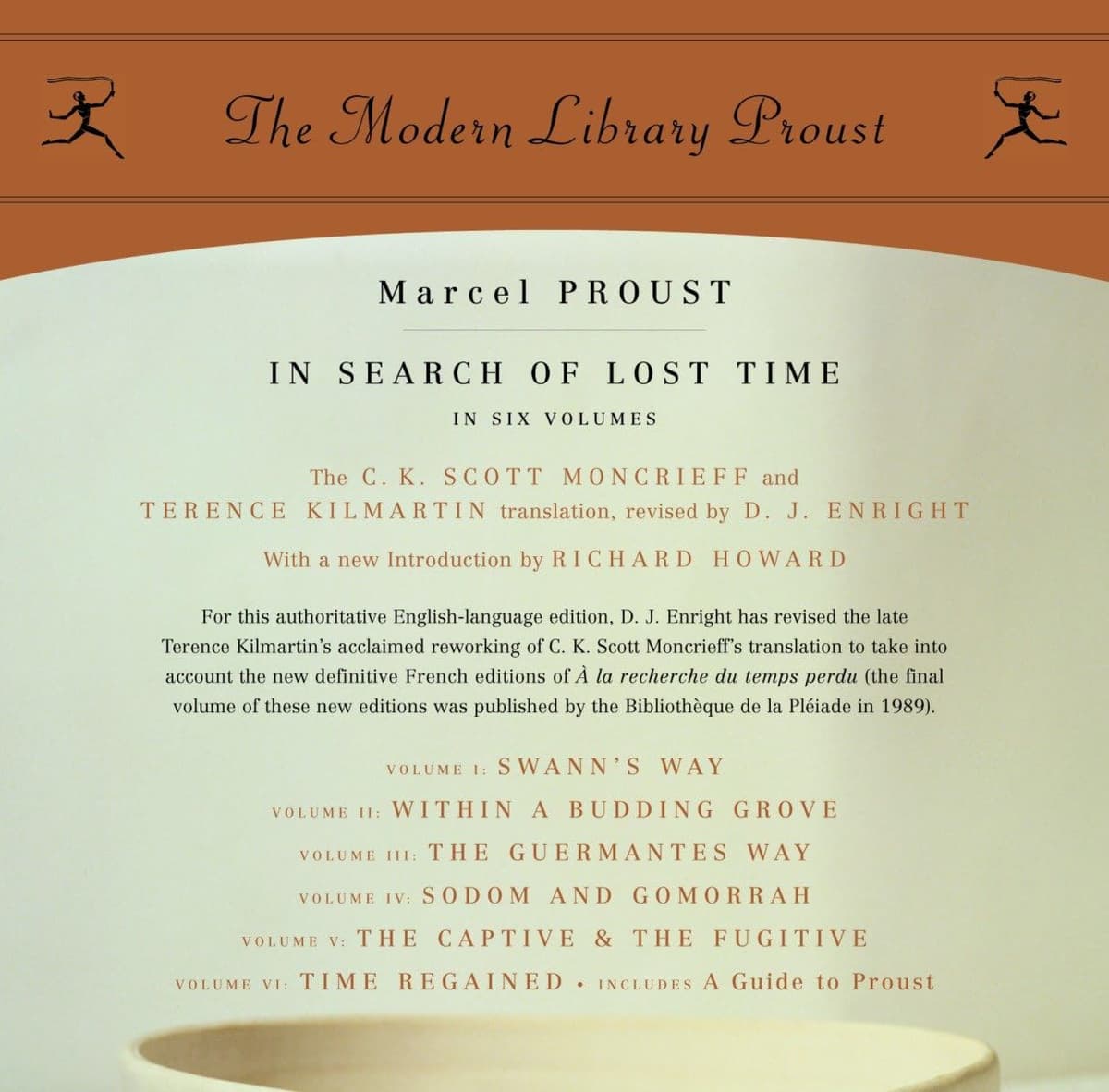 #2View Book
In Search of Lost Time
Marcel Proust
High•100+ hours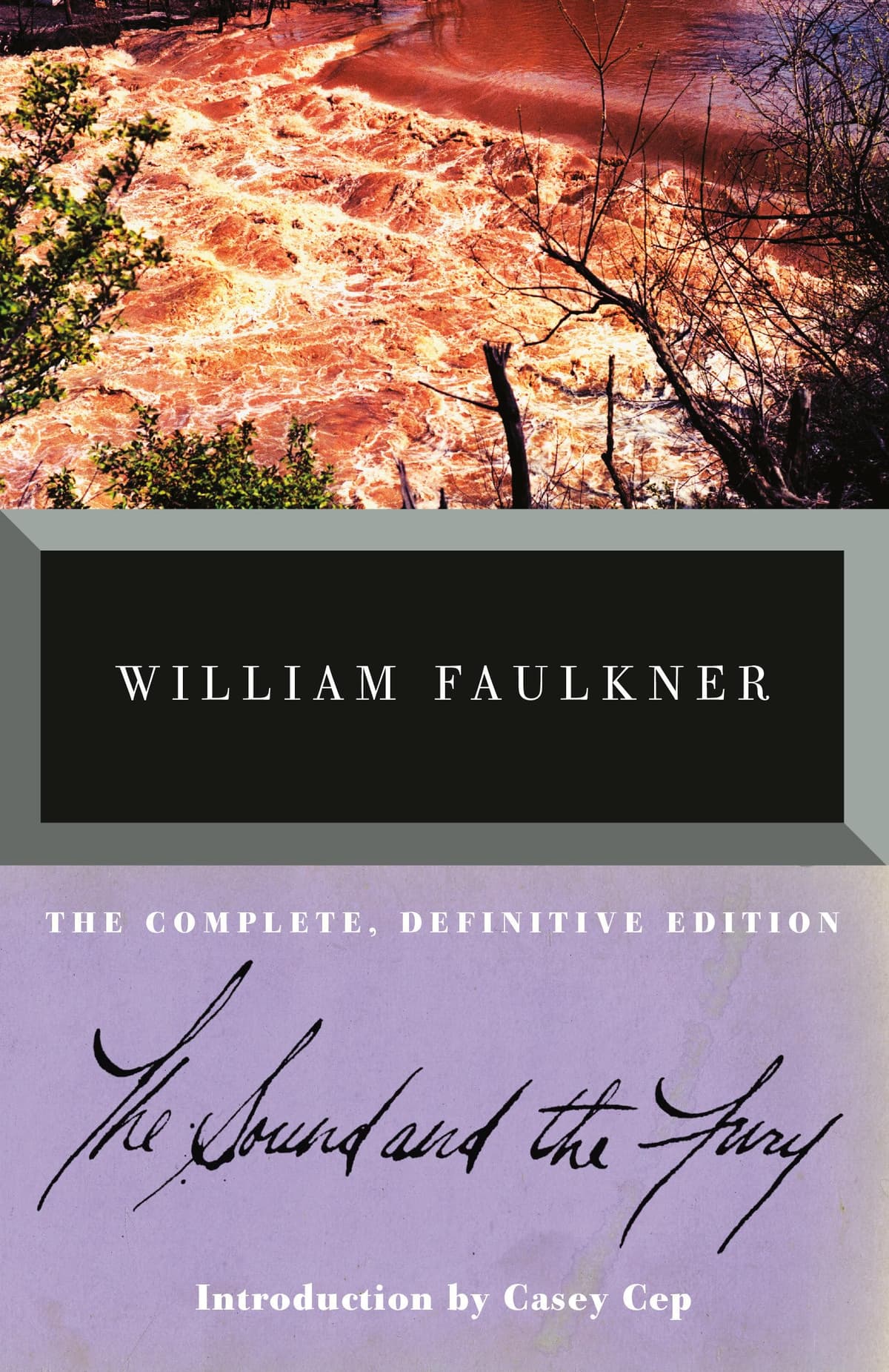 #8View Book
The Sound and the Fury
William Faulkner
Very High•12-15 hours #13View Book
Lolita
Vladimir Nabokov
Challenging•12-15 hours
Browse more collections