Winnie the Pooh
“You're braver than you believe, and stronger than you seem, and smarter than you think.”
Winnie the Pooh Summary
In the Hundred Acre Wood—a place of gentle hills, murmuring streams, and perpetual golden afternoons—a bear of very little brain embarks on a series of small adventures that contain all the wisdom and warmth the world needs. Winnie-the-Pooh, the stuffed bear who belongs to Christopher Robin, lives in a tree and thinks long thoughts about honey. His companions are unforgettable: the gloomy donkey Eeyore, forever losing his tail; the anxious, diminutive Piglet; the bouncing, irrepressible Tigger (who arrives in a later volume); the fussy, self-important Owl; and the sensible Rabbit. Together they track Woozles in the snow, rescue Piglet from a flood, and attempt to catch Heffalumps—dangers that feel immense to them and entirely charming to us.
A. A. Milne's creation is far more sophisticated than its nursery origins suggest. Beneath the simple, perfectly cadenced prose lies a gentle satire of adult pomposity—Owl's misspellings, Rabbit's bureaucratic fussiness, Eeyore's existential pessimism—and a profound meditation on childhood, friendship, and the fleeting nature of innocence. The stories capture that brief, luminous period when the world is small enough to understand and kind enough to trust. To read them is to be reminded of something essential that adulthood tries to make you forget: that the simplest pleasures—a pot of honey, a walk with a friend—are the ones that matter most.
Why Read Winnie the Pooh?
You do not outgrow Winnie-the-Pooh—you grow into it. As a child, you read these stories for the adventures, the silly songs, and the comforting presence of Christopher Robin. As an adult, you read them and your heart breaks a little, because you recognize what Milne is really writing about: the impermanence of childhood, the way innocence slips away, and the fierce, quiet love between a parent and a child. There is more emotional truth in Pooh's bewildered wisdom than in most literary novels.
Milne's prose is deceptively simple—each sentence is polished to a smooth, warm shine, like a river stone. The humor is gentle but razor-sharp, poking fun at adult pretensions through characters who are, after all, stuffed animals in a child's imagination. Reading these stories aloud—to a child or to yourself—is one of life's purest literary pleasures. They remind you that a bear of very little brain can teach you things that all the great philosophers cannot.
About A. A. Milne
A. A. Milne (1882–1956) was an English author, playwright, and poet who achieved his greatest fame through the stories he wrote for his son, Christopher Robin Milne. Born in London and educated at Westminster School and Trinity College, Cambridge, he served as an intelligence officer in World War I—an experience that left him a committed pacifist. Before Pooh, he was a successful playwright and a regular contributor to Punch magazine.
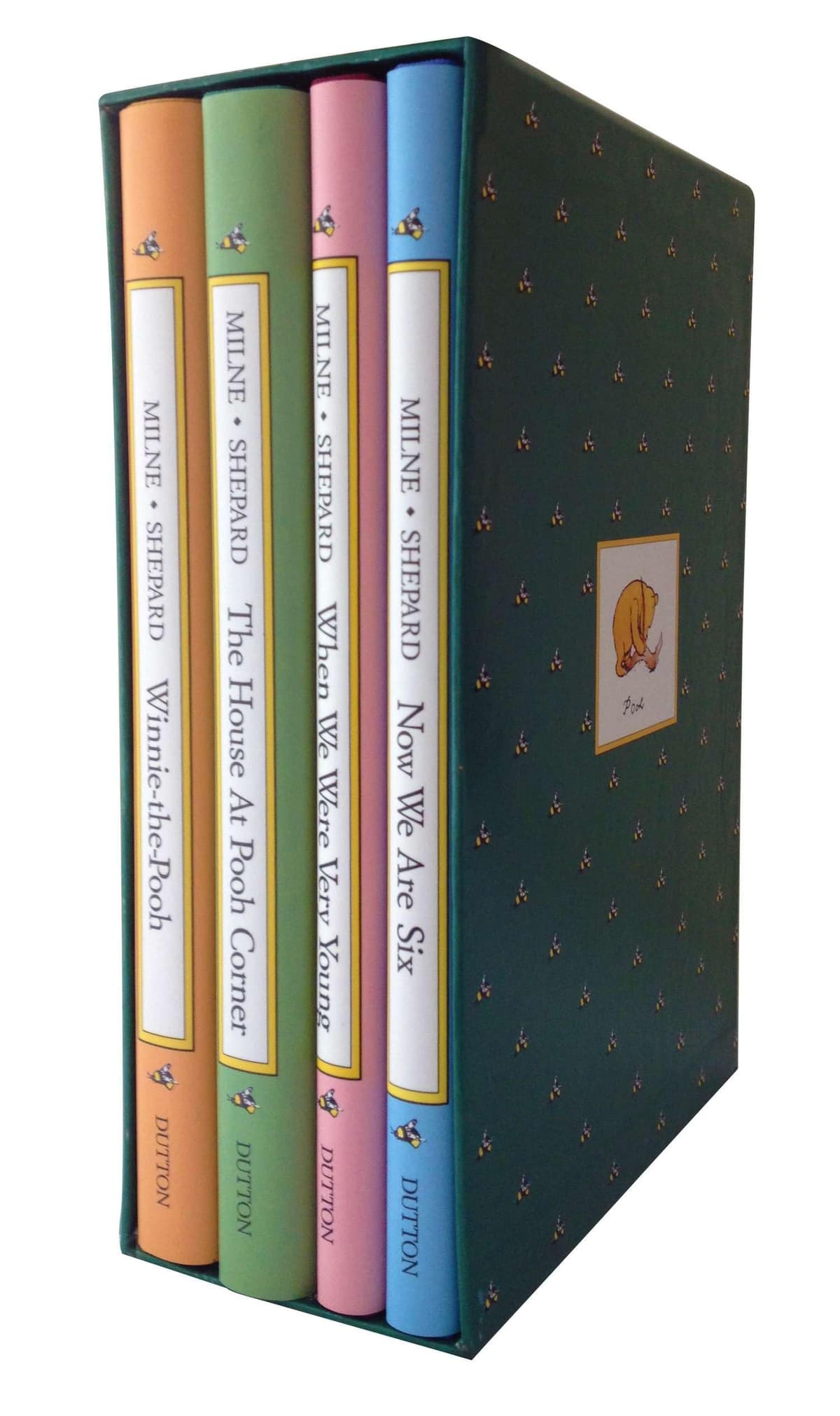
The Pooh books—Winnie-the-Pooh and The House at Pooh Corner—along with the poetry collections Now We Are Six and When We Were Very Young, were inspired by his son's stuffed animals and the landscape of Ashdown Forest in Sussex. Milne's relationship with his literary creation was complicated; he resented being known only as a children's author, and his son later wrote bitterly about the burden of growing up as the real Christopher Robin. Yet the books endure as perhaps the most beloved children's literature in the English language, translated into dozens of languages including a famous Latin edition.
Reading Guide
Ranked #160 among the greatest books of all time, Winnie the Pooh by A. A. Milne has earned its place in the literary canon. Originally written in English and published in 1926, this accessible read from United Kingdom continues to resonate with readers today.
This book belongs to our Love & Loss collection, where you can discover more books that share its spirit and themes.
If you enjoy accessible reads like this one, you might also like The Great Gatsby, The Catcher in the Rye, or Pride and Prejudice.
From the Love & Loss Collection
If you enjoyed Winnie the Pooh, discover more masterpieces that share its spirit.
 #3View Book
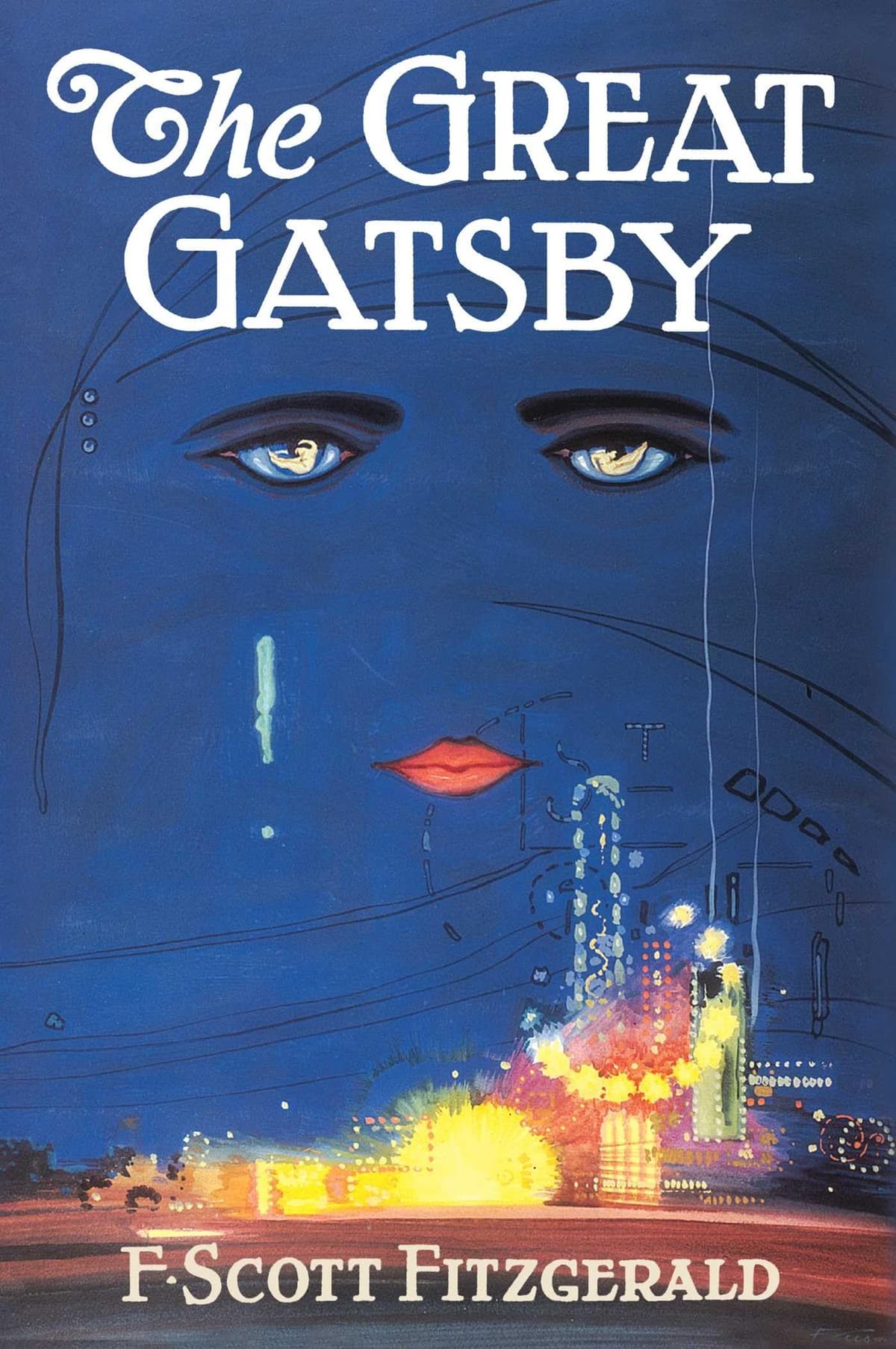
The Great Gatsby
F. Scott Fitzgerald
Accessible•5-6 hours #10View Book
Anna Karenina
Leo Tolstoy
High•30-35 hours #12View Book
Pride and Prejudice
Jane Austen
Accessible•10-12 hours #15View Book
Wuthering Heights
Emily Brontë
Moderate•10-12 hours
Browse more collections