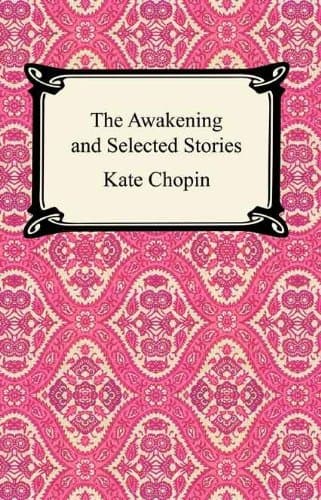
The Awakening
“The voice of the sea is seductive; never ceasing, whispering, clamoring, murmuring, inviting the soul to wander for a spell in abysses of solitude.”
The Awakening Summary
Edna Pontellier, a young Kentucky-born woman married to a prosperous Creole businessman in late nineteenth-century New Orleans, begins to chafe against the suffocating expectations of her role as wife and mother during a summer vacation at Grand Isle on the Gulf of Mexico. There she forms an intense emotional bond with the charming young Robert Lebrun, whose attentions awaken desires and ambitions she has long suppressed. As Edna learns to swim in the ocean, a literal and symbolic liberation, she experiences a profound inner transformation. Returning to New Orleans, she shocks her husband Leonce by abandoning her social obligations, taking up painting with renewed passion, and eventually moving out of the family home into a small cottage she calls "the pigeon house." She enters into a physical affair with the rakish Alcee Arobin, but it is Robert she truly wants. When Robert returns from Mexico and confesses his love but declares their situation impossible because she belongs to another man, Edna realizes that no relationship can deliver the freedom she craves.
Chopin's slim, devastating novel was a literary scandal upon publication, condemned by critics for its frank treatment of female desire and its refusal to punish its heroine with conventional morality. The book's true radicalism lies in Edna's recognition that the roles available to women in her society, devoted mother, dutiful wife, even passionate lover, are all forms of ownership. The sea, which opens and closes the novel, functions as the story's central symbol: boundless, seductive, and ultimately indifferent. Chopin writes with a sensuous lyricism that evokes the heavy warmth of the Louisiana coast, and her portrayal of Creole society is both affectionate and ruthlessly clear-eyed. Rediscovered by feminist scholars in the 1960s, The Awakening is now recognized as a masterpiece of American fiction and one of the earliest novels to explore a woman's interior life with unflinching honesty.
Why Read The Awakening?
Written in 1899 and effectively suppressed for over half a century, The Awakening reads today with a startling immediacy that makes its long neglect seem almost incomprehensible. Chopin achieved something extraordinary: a novel that captures the precise moment when a woman begins to see the walls of her life for what they are, rendered in prose as warm and languid as the Gulf Coast summer that sets the story in motion. In barely two hundred pages, she creates a portrait of psychological awakening so convincing that Edna Pontellier's restlessness feels as contemporary as any modern narrative of self-discovery.
You will find in these pages a story that refuses easy answers. Chopin does not sentimentalize Edna or simplify her choices, and the novel's devastating conclusion has provoked debate for over a century. Reading it, you confront fundamental questions about freedom, selfhood, and the price of authenticity that remain as urgent now as they were in the Gilded Age. You also experience one of the most beautifully written short novels in the American canon, with prose that captures the textures of Creole New Orleans, the sensuality of the sea, and the quiet violence of a society that demands women sacrifice themselves on the altar of motherhood and marriage.
About Kate Chopin
Kate Chopin (1850-1904) was born Katherine O'Flaherty in St. Louis, Missouri, to an Irish immigrant father and a French Creole mother. After her father's death when she was five, she was raised in a household of strong women, including her great-grandmother, who told her stories in French. She married Oscar Chopin in 1870 and lived in New Orleans and rural Louisiana, experiences that would provide the rich settings for her fiction. After Oscar's death in 1882 left her with six children and significant debt, she returned to St. Louis and began writing to support her family.
Chopin published two story collections, Bayou Folk and A Night in Acadie, which earned her recognition as a gifted regional writer. The Awakening, her second novel, was met with such hostile reviews upon its 1899 publication that Chopin largely stopped writing, and she died just five years later of a cerebral hemorrhage. Her reputation underwent a dramatic reassessment beginning in the 1960s when scholars recognized The Awakening as a pioneering work of feminist literature. Today she is celebrated as one of the most important American authors of the nineteenth century, a writer who brought psychological depth and moral complexity to the depiction of women's lives decades before such candor became acceptable.
Reading Guide
Ranked #257 among the greatest books of all time, The Awakening by Kate Chopin has earned its place in the literary canon. Originally written in English and published in 1899, this accessible read from United States continues to resonate with readers today.
This book belongs to our Love & Loss and American Spirit collections, where you can discover more books that share its spirit and themes.
If you enjoy accessible reads like this one, you might also like The Great Gatsby, The Catcher in the Rye, or Pride and Prejudice.
From the Love & Loss Collection
If you enjoyed The Awakening, discover more masterpieces that share its spirit.
 #3View Book
The Great Gatsby
F. Scott Fitzgerald
Accessible•5-6 hours #10View Book
Anna Karenina
Leo Tolstoy
High•30-35 hours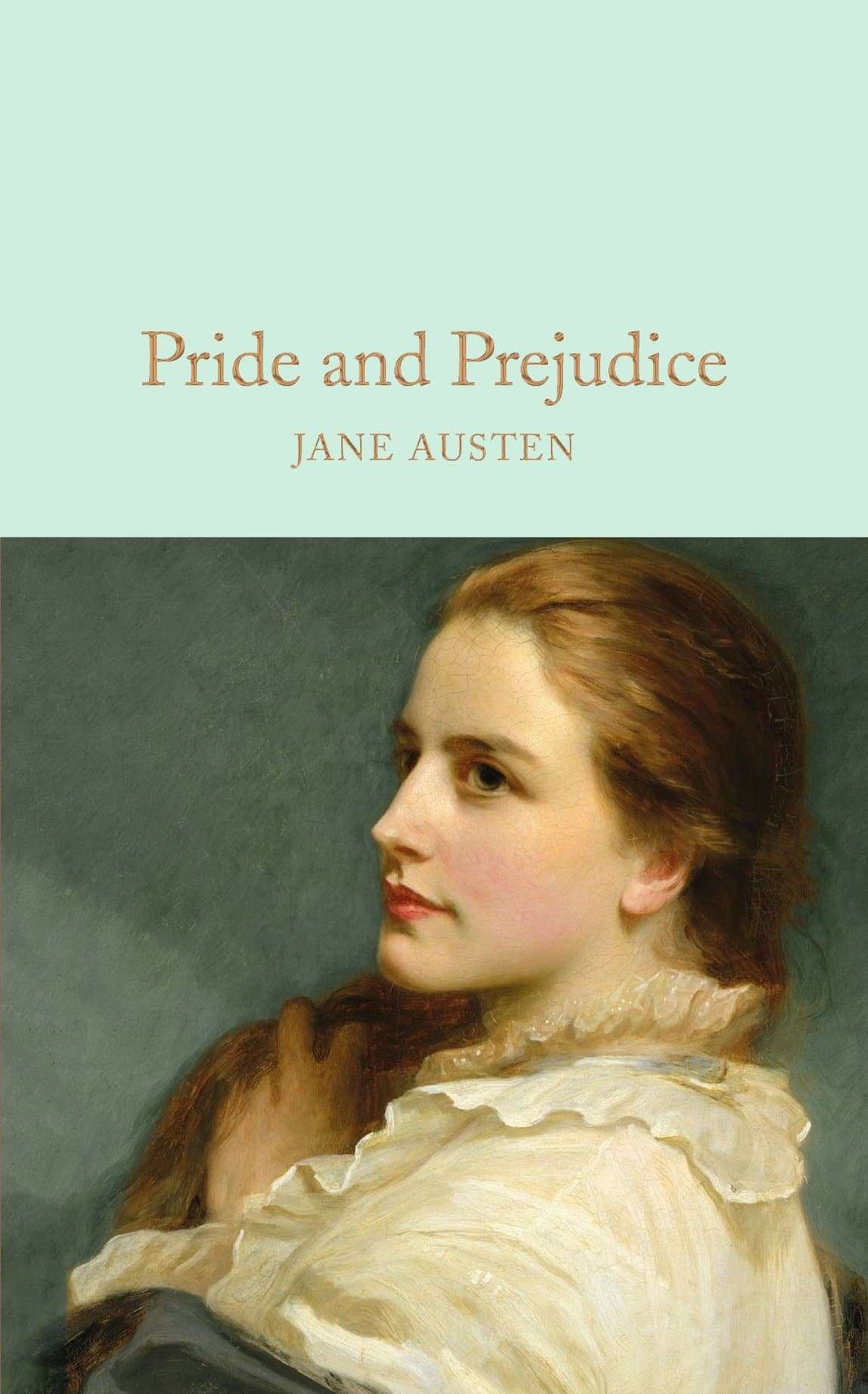 #12View Book
Pride and Prejudice
Jane Austen
Accessible•10-12 hours #15View Book
Wuthering Heights
Emily Brontë
Moderate•10-12 hours
Browse more collections