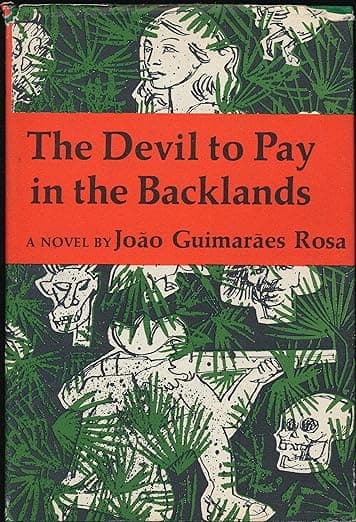
The Devil to Pay in the Backlands
“The devil doesn't exist... and yet I say he does. What exists is man in his humanity.”
The Devil to Pay in the Backlands Summary
In the vast, lawless backlands of Brazil's sertao, the former jagunco Riobaldo narrates the story of his life to an unnamed educated listener in a single, unbroken monologue that stretches across hundreds of pages. Riobaldo recounts his youth among the roving bands of outlaws who fight feudal wars across the arid interior, his rise to leadership of a jagunco band, and above all his consuming, ambiguous love for his fellow warrior Diadorim, a beautiful and fearless fighter whose true identity remains a devastating secret until the novel's climax. The narrative spirals and doubles back on itself as Riobaldo obsessively revisits the question of whether he once made a pact with the devil at the crossroads of Veredas Mortas, a moment of metaphysical crisis that haunts every subsequent event. Battles erupt with visceral intensity, the landscape shifts between parched desert and lush river valleys, and the cast of jaguncos, mystics, and backland settlers forms a teeming human panorama.
Guimaraes Rosa's masterwork is one of the most ambitious novels ever written in any language, a book that reinvents Portuguese prose from the ground up by fusing regional dialect, archaic forms, neologisms, and poetic rhythm into a narrative voice of extraordinary power. The novel operates simultaneously as a Faustian parable, an epic of the Brazilian interior, a love story that dissolves the boundaries of gender, and a philosophical meditation on the nature of evil. Riobaldo's central question, does the devil exist or is evil simply a dimension of the human heart, reverberates through every episode and encounter. Often compared to Joyce's Ulysses for its linguistic ambition and to the great works of magical realism for its blending of the supernatural and the quotidian, The Devil to Pay in the Backlands stands as one of the supreme achievements of twentieth-century literature and the greatest novel to emerge from Brazil.
Why Read The Devil to Pay in the Backlands?
There are novels that depict a world, and then there are novels that create one entirely. The Devil to Pay in the Backlands belongs to the second, rarer category. Guimaraes Rosa forged a new literary language to capture the Brazilian sertao, a landscape of extremes where the sacred and the violent coexist in every breath, and the result is a reading experience unlike anything else in world literature. Riobaldo's voice, once it takes hold of you, is hypnotic: circling, digressing, philosophizing, then suddenly erupting into scenes of breathtaking action or tenderness. The novel demands patience and surrender, but it repays both many times over.
You will encounter in these pages a story that operates on every level at once: as adventure, as love story, as theological inquiry, and as an exploration of what it means to narrate a life. The relationship between Riobaldo and Diadorim is one of the most complex and moving in all of fiction, and the novel's treatment of good and evil resists every simplification. Reading it, you gain not only a profound understanding of Brazil's interior landscape and culture but also a renewed sense of what the novel as a form can accomplish when a writer of genius pushes it to its absolute limits.
About João Guimarães Rosa
João Guimarães Rosa (1908-1967) was born in Cordisburgo, a small town in the Brazilian state of Minas Gerais, the sertao region that would become the great subject of his fiction. He studied medicine and practiced as a country doctor before entering the Brazilian diplomatic service, which took him to Germany, France, and Colombia. His first collection of stories, Sagarana, published in 1946, announced an entirely new voice in Brazilian literature. The Devil to Pay in the Backlands, published in 1956, confirmed him as one of the towering figures of twentieth-century fiction.
Guimaraes Rosa's literary achievement rests on his radical transformation of the Portuguese language, drawing on the speech patterns of the sertao's cowboys and backland settlers while incorporating neologisms, archaisms, and syntactic innovations that create a prose of unmatched density and musicality. He is frequently compared to James Joyce for his linguistic ambition and to Dante for the scope of his moral vision. He died of a heart attack in 1967, just three days after being inducted into the Brazilian Academy of Letters. His influence on Latin American and world literature continues to grow, and The Devil to Pay in the Backlands is increasingly recognized as one of the greatest novels of the twentieth century.
Reading Guide
Ranked #258 among the greatest books of all time, The Devil to Pay in the Backlands by João Guimarães Rosa has earned its place in the literary canon. Originally written in Portuguese and published in 1956, this very high read from Brazil continues to resonate with readers today.
This book belongs to our Magical Realism and Epics collections, where you can discover more books that share its spirit and themes.
If you enjoy very high reads like this one, you might also like The Sound and the Fury, War and Peace, or The Brothers Karamazov.
From the Magical Realism Collection
If you enjoyed The Devil to Pay in the Backlands, discover more masterpieces that share its spirit.
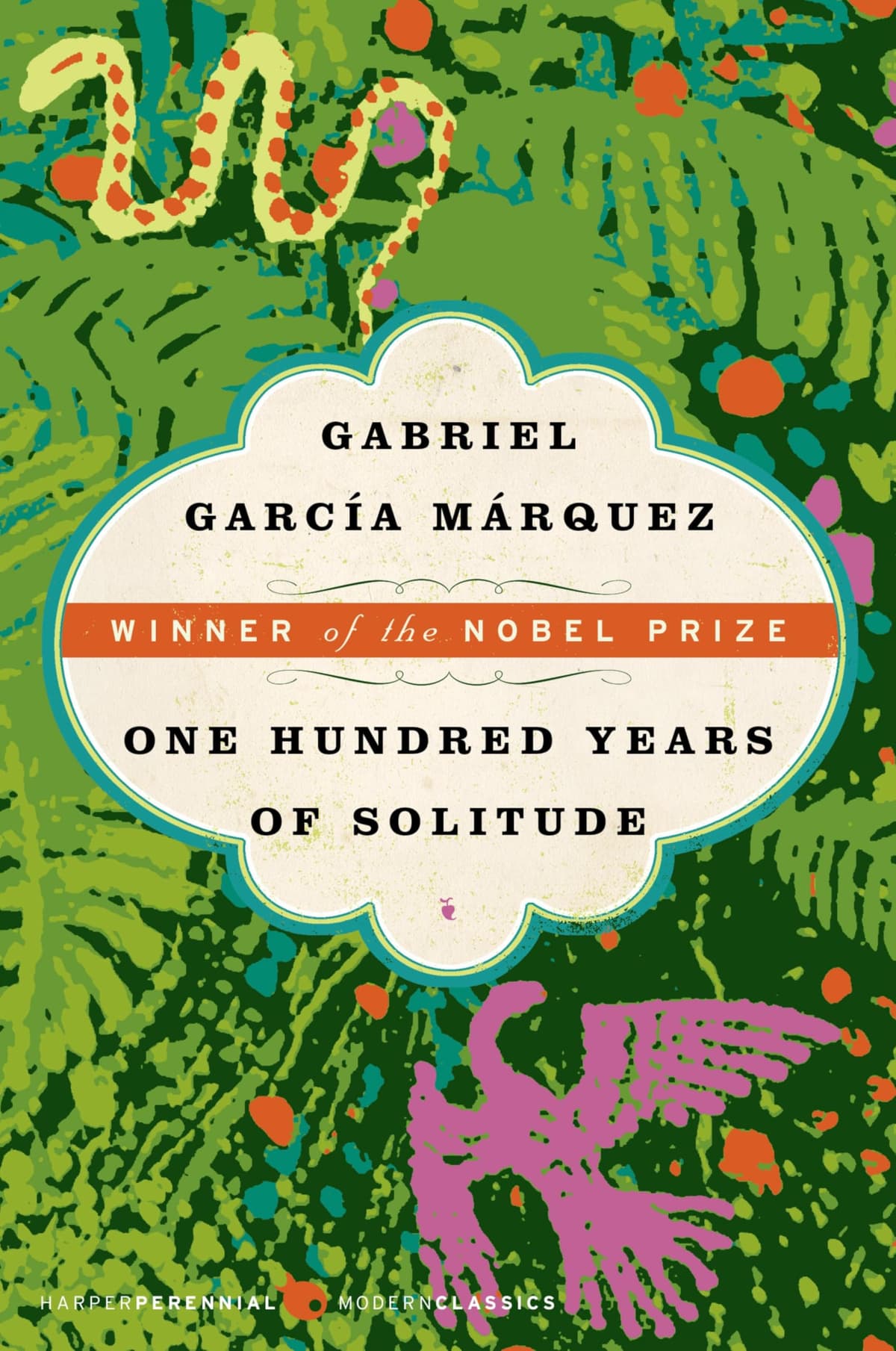 #5View Book
One Hundred Years of Solitude
Gabriel García Márquez
Moderate•15-20 hours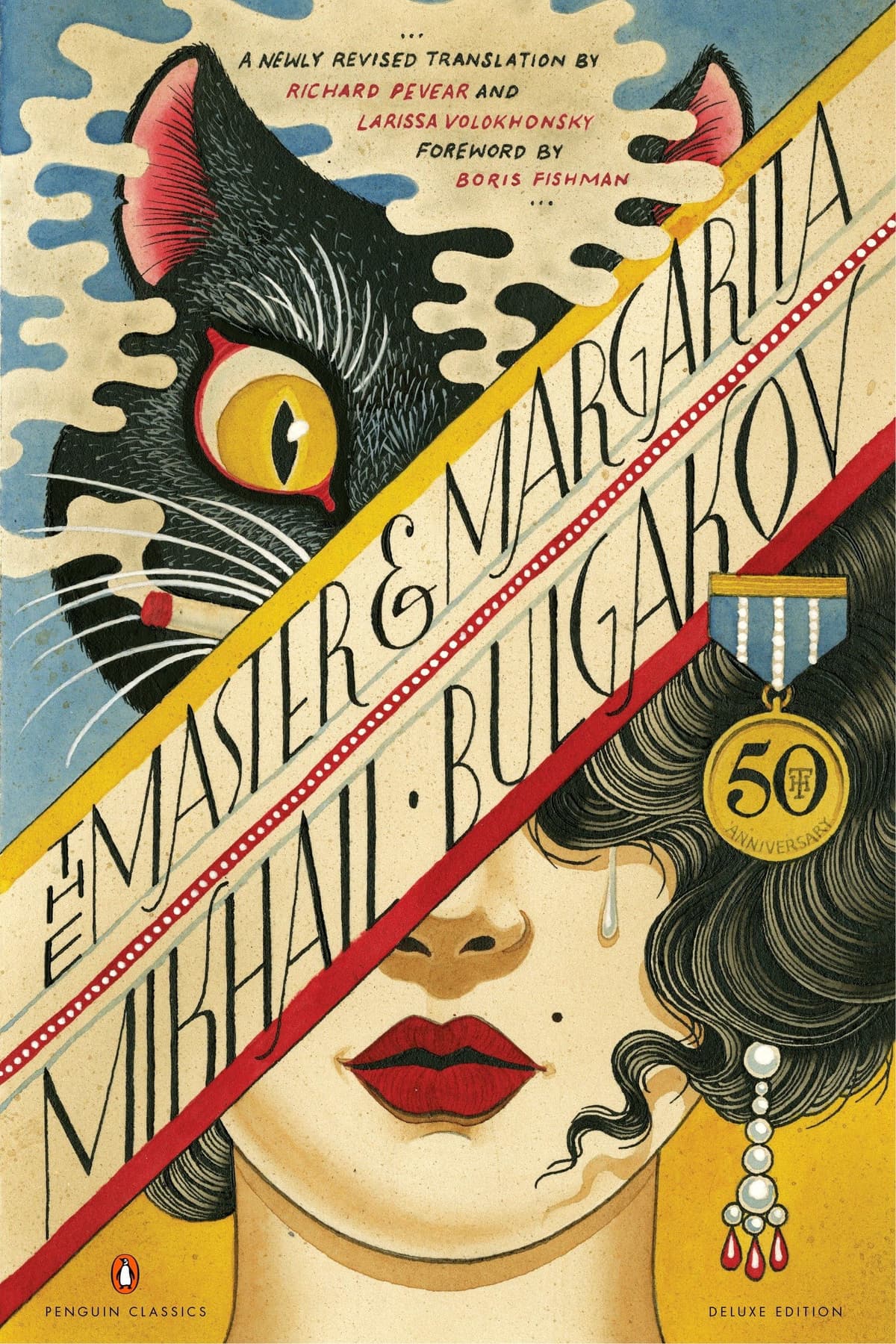 #34View Book
The Master and Margarita
Mikhail Bulgakov
Moderate•12-15 hours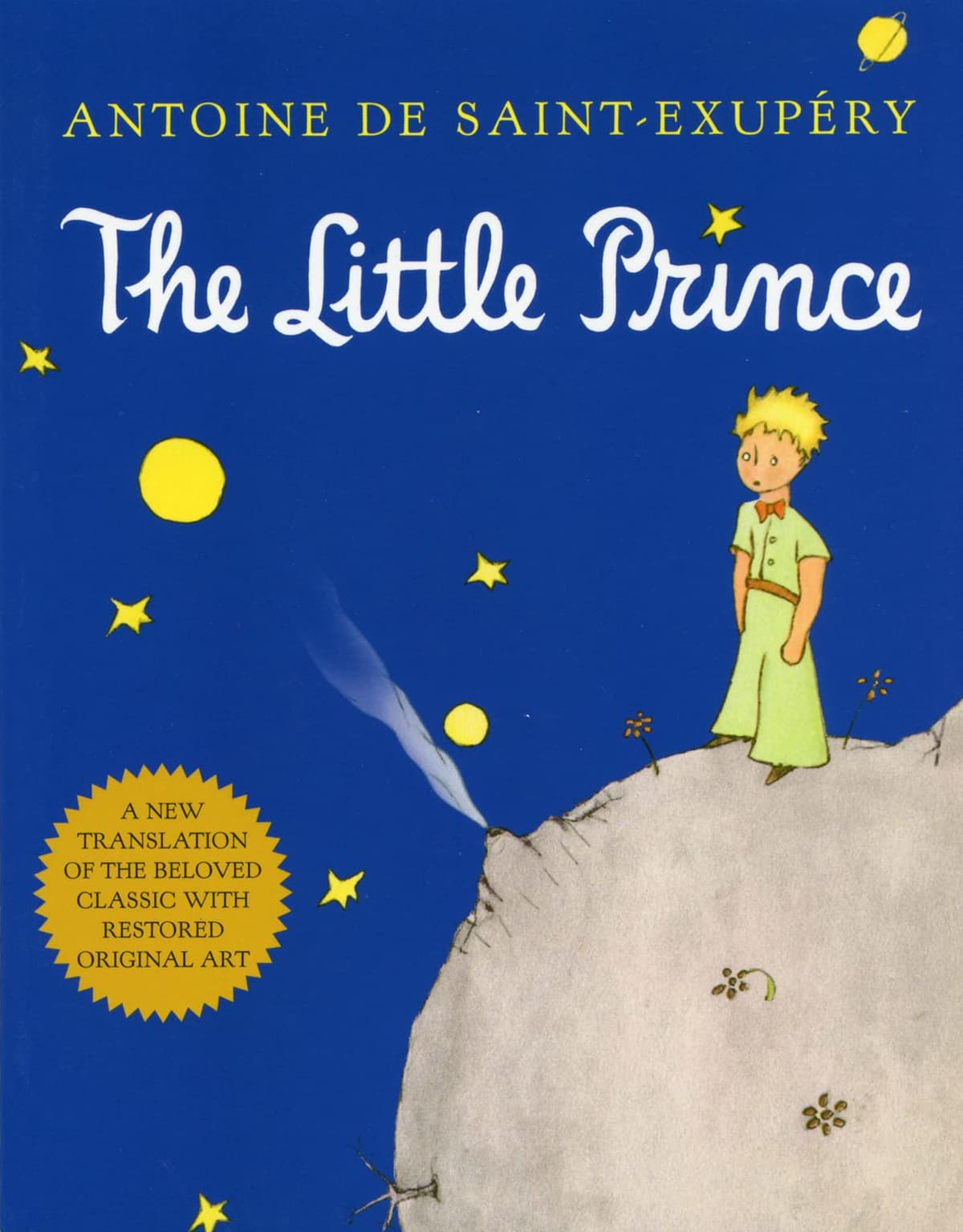 #43View Book
The Little Prince
Antoine de Saint-Exupéry
Accessible•1-2 hours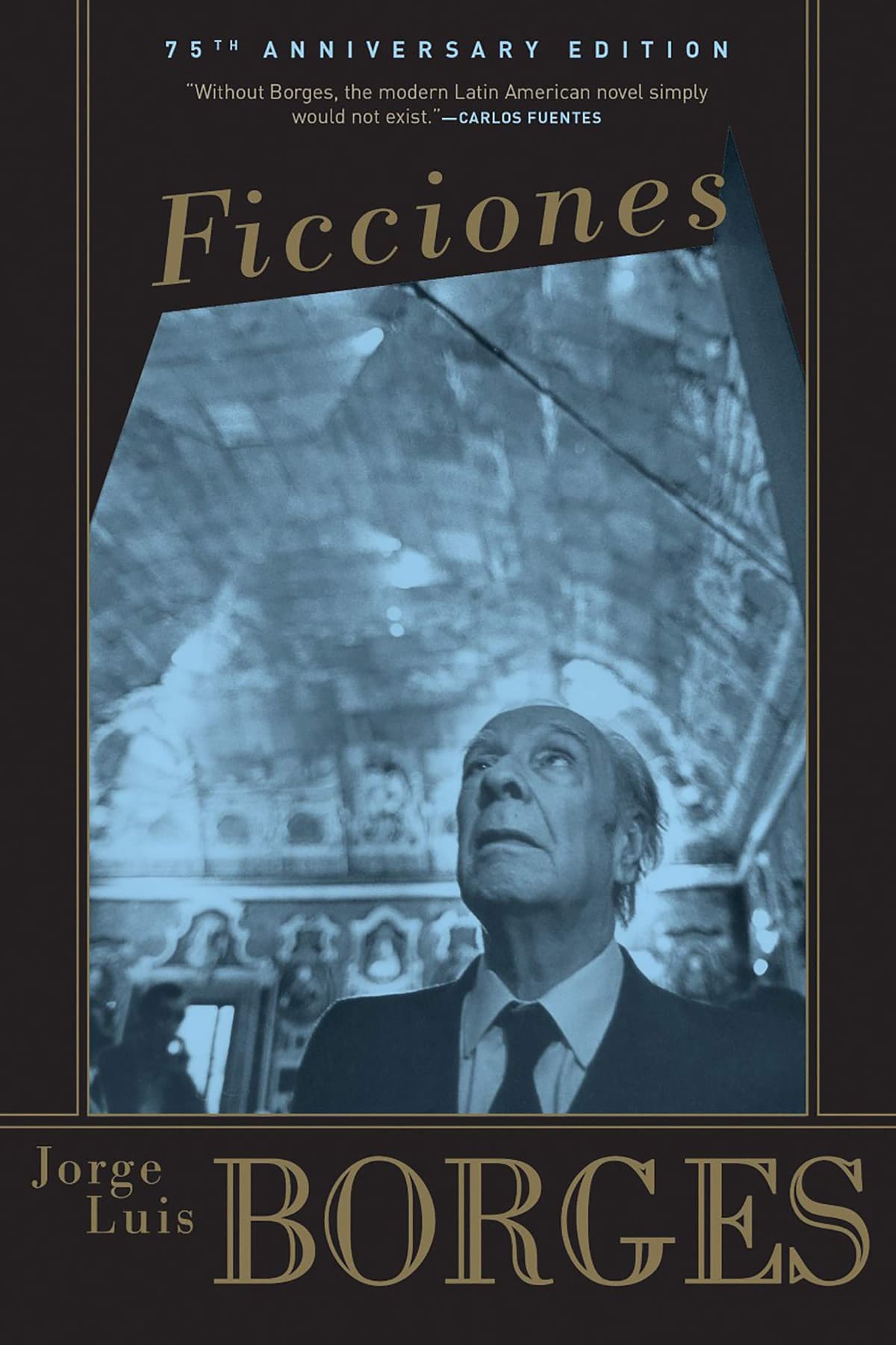 #45View Book
Fictions
Jorge Luis Borges
Challenging•6-8 hours
Browse more collections