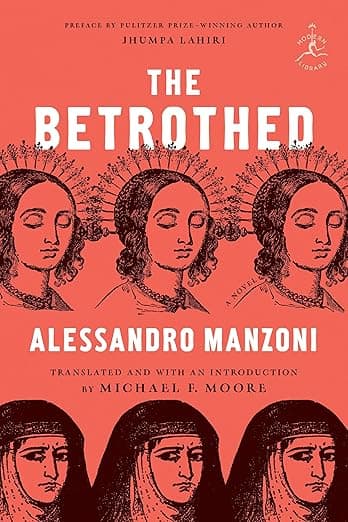
The Betrothed
“One of the greatest consolations of this life is friendship; and one of the consolations of friendship is having someone to whom you can entrust a secret.”
The Betrothed Summary
In seventeenth-century Lombardy under Spanish rule, the humble silk weaver Renzo Tramaglino and his beloved Lucia Mondella are about to marry when the local tyrant Don Rodrigo, who desires Lucia for himself, threatens the timid parish priest Don Abbondio into refusing to perform the ceremony. The young couple is separated and driven from their village: Renzo flees to Milan, where he stumbles into bread riots and narrowly escapes arrest, while Lucia takes refuge in a convent, only to be kidnapped on Don Rodrigo's orders by the fearsome bandit known as the Unnamed. In a pivotal scene, the Unnamed undergoes a dramatic spiritual conversion after encountering Lucia's innocent faith, and he releases her under the protection of the saintly Cardinal Borromeo. Meanwhile, war, famine, and the devastating plague of 1630 sweep through Lombardy, and Manzoni devotes extended passages to depicting the epidemic's horrific toll on Milan. Renzo survives the plague and searches the city's lazaretto for Lucia, finding her alive. Don Rodrigo perishes in the pestilence, and the lovers are at last united in marriage.
Alessandro Manzoni's masterpiece is the foundational novel of modern Italian literature, a work whose influence on the Italian language and national consciousness is comparable to what Cervantes achieved for Spanish or Dickens for English. The Betrothed interweaves an intimate love story with a panoramic depiction of historical forces, religious faith, and social injustice under foreign occupation. Manzoni's portrayal of the plague remains one of the most vivid accounts of epidemic in all literature. The novel's moral vision, rooted in Catholic faith yet sharply critical of institutional corruption, argues that Providence guides human affairs even through catastrophe. Its humor, compassion, and narrative sweep have made it Italy's most widely read novel for nearly two centuries.
Why Read The Betrothed?
The Betrothed is the Italian national novel, a book that helped shape the modern Italian language itself and remains essential to understanding Italian culture and identity. Manzoni combines the sweep of a historical epic with the intimacy of a love story, creating a narrative that moves seamlessly between humble cottage and cardinal's palace, between individual suffering and collective catastrophe. His depiction of the 1630 plague is among the most harrowing and meticulously researched accounts of epidemic ever written, and it gained renewed relevance during recent global health crises.
Reading this novel immerses you in one of literature's richest fictional worlds. Manzoni populates his story with unforgettable characters, from the cowardly Don Abbondio to the terrifying yet redeemable Unnamed, and his narrative voice balances irony with deep compassion. The novel rewards patient reading with its panoramic social vision, its exploration of how ordinary people endure under tyranny, and its conviction that moral courage can emerge in the most unlikely circumstances. For anyone interested in the great tradition of the European historical novel, The Betrothed is indispensable, standing alongside War and Peace as one of the genre's supreme achievements.
About Alessandro Manzoni
Alessandro Manzoni (1785-1873) was born in Milan to an aristocratic family; his maternal grandfather was the Enlightenment philosopher Cesare Beccaria, author of On Crimes and Punishments. After a youth spent in Paris among intellectuals, Manzoni experienced a profound religious conversion to Catholicism in 1810 that shaped all his subsequent work. He published poetry, hymns, and two notable historical tragedies before devoting himself to the novel that would define his legacy.
The Betrothed was first published in 1827 and extensively revised in 1840-42, with Manzoni famously rewriting the prose to conform to Florentine Tuscan, thereby helping to standardize the modern Italian language. The novel became the cornerstone of Italian literary culture and a central text in Italian education. Manzoni's influence extends beyond literature into the formation of Italian national identity during the Risorgimento. Giuseppe Verdi composed his Requiem in Manzoni's honor upon the author's death. Though Manzoni produced relatively little fiction, his single novel's impact on Italian culture is immeasurable, and he is universally regarded as one of the most important figures in Italian literary history.
Reading Guide
Ranked #272 among the greatest books of all time, The Betrothed by Alessandro Manzoni has earned its place in the literary canon. Originally written in Italian and published in 1827, this moderate read from Italy continues to resonate with readers today.
This book belongs to our Love & Loss and Philosophy & Faith collections, where you can discover more books that share its spirit and themes.
If you enjoy moderate reads like this one, you might also like One Hundred Years of Solitude, Nineteen Eighty-Four, or Wuthering Heights.
From the Love & Loss Collection
If you enjoyed The Betrothed, discover more masterpieces that share its spirit.
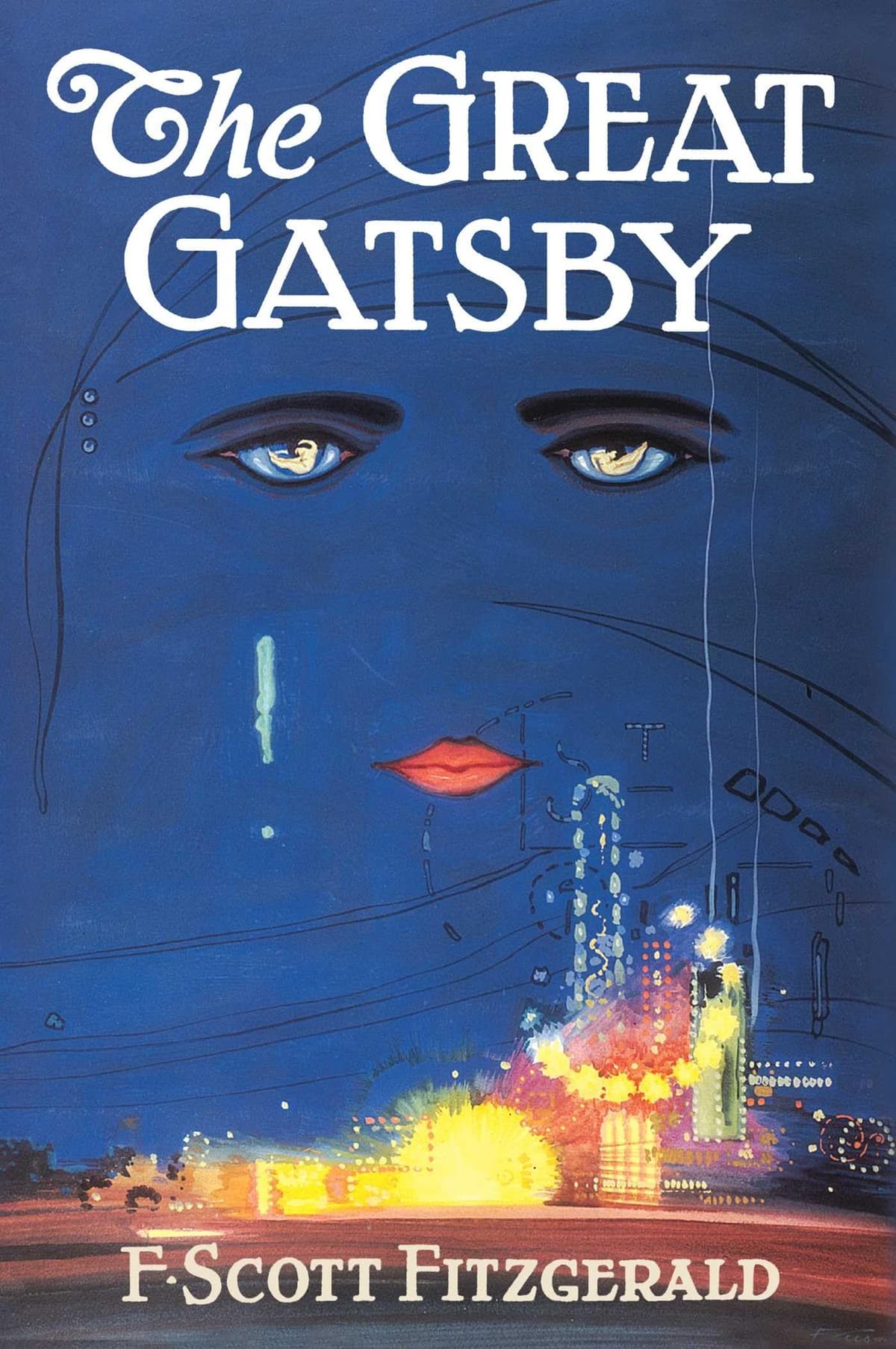 #3View Book
The Great Gatsby
F. Scott Fitzgerald
Accessible•5-6 hours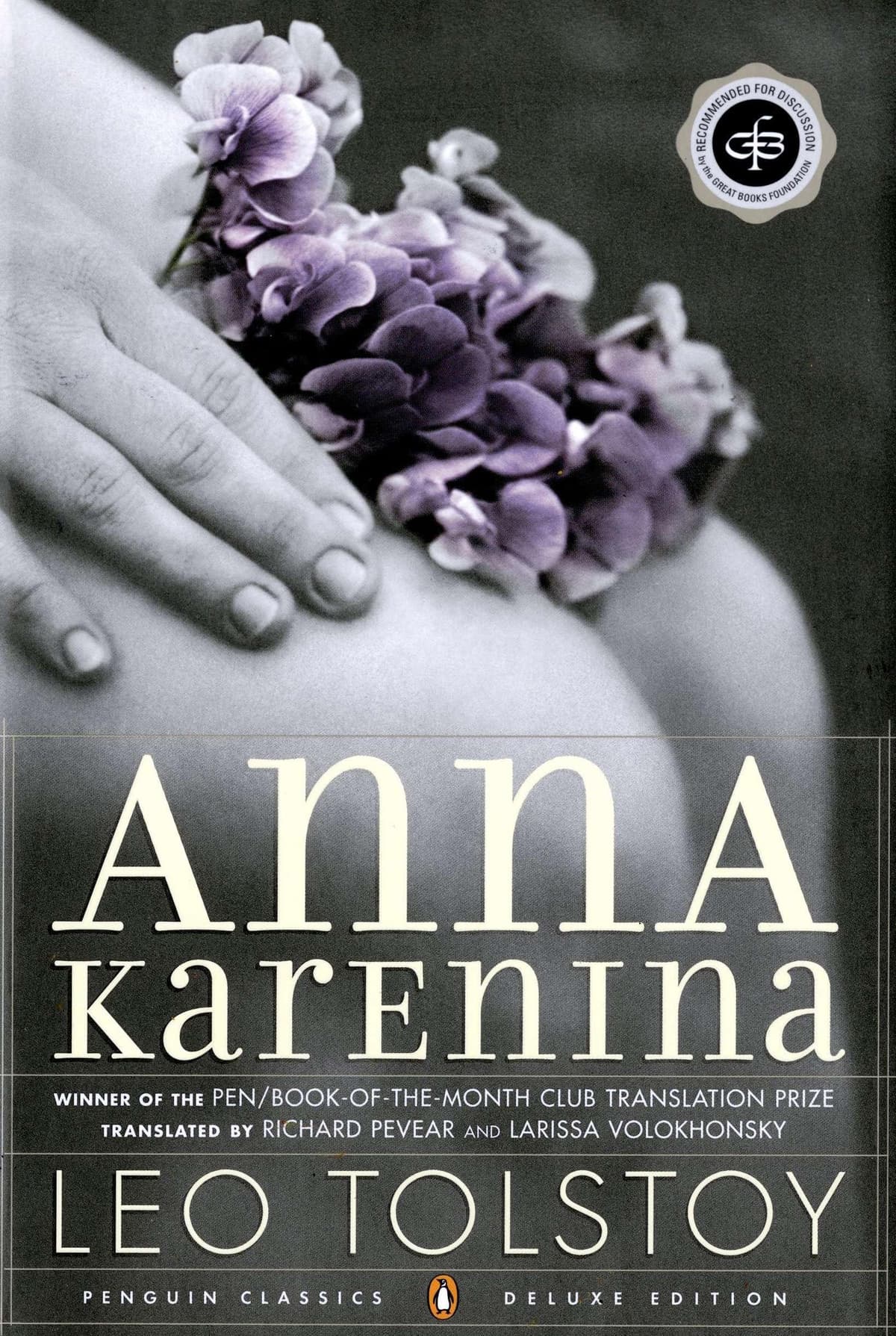 #10View Book
Anna Karenina
Leo Tolstoy
High•30-35 hours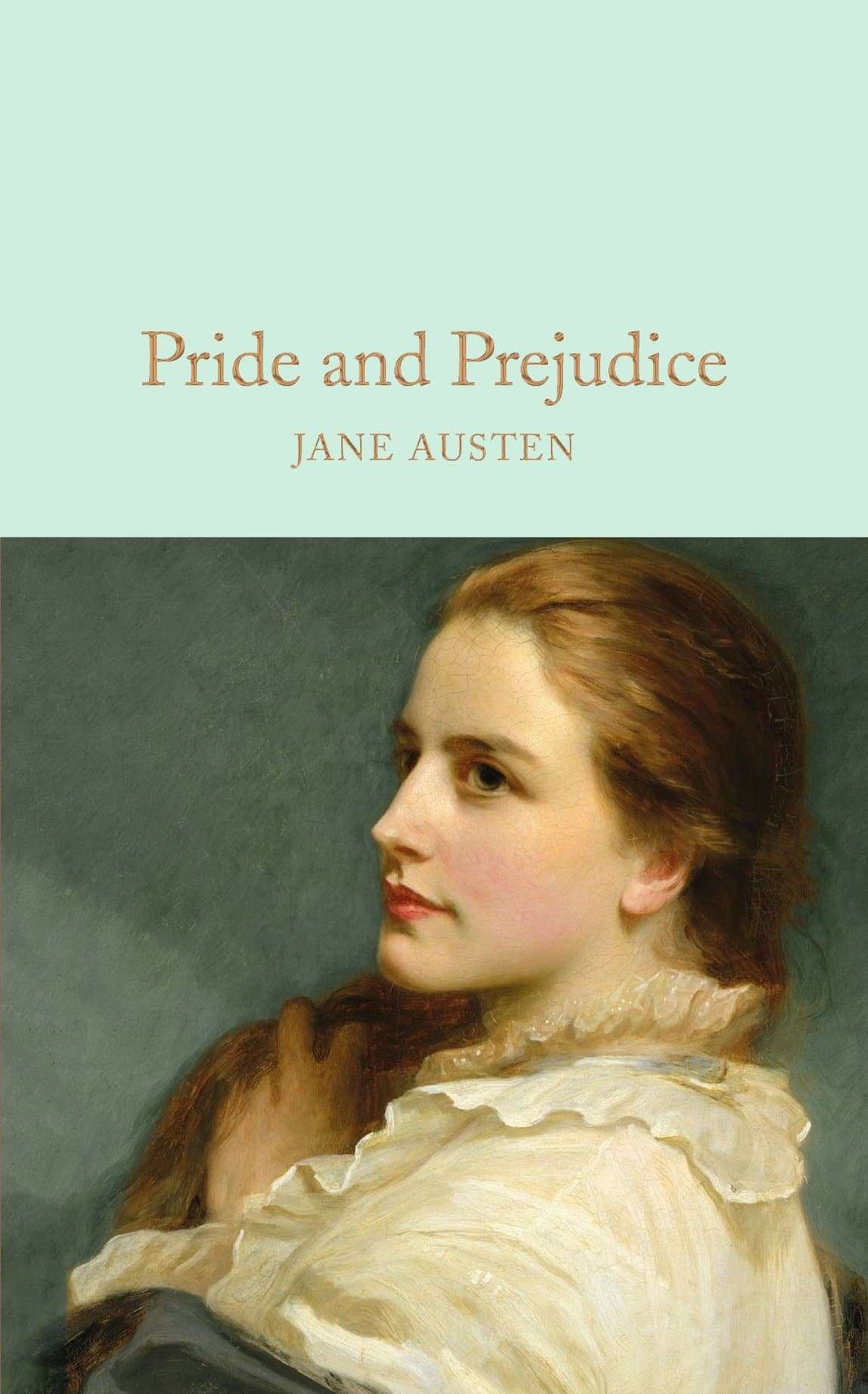 #12View Book
Pride and Prejudice
Jane Austen
Accessible•10-12 hours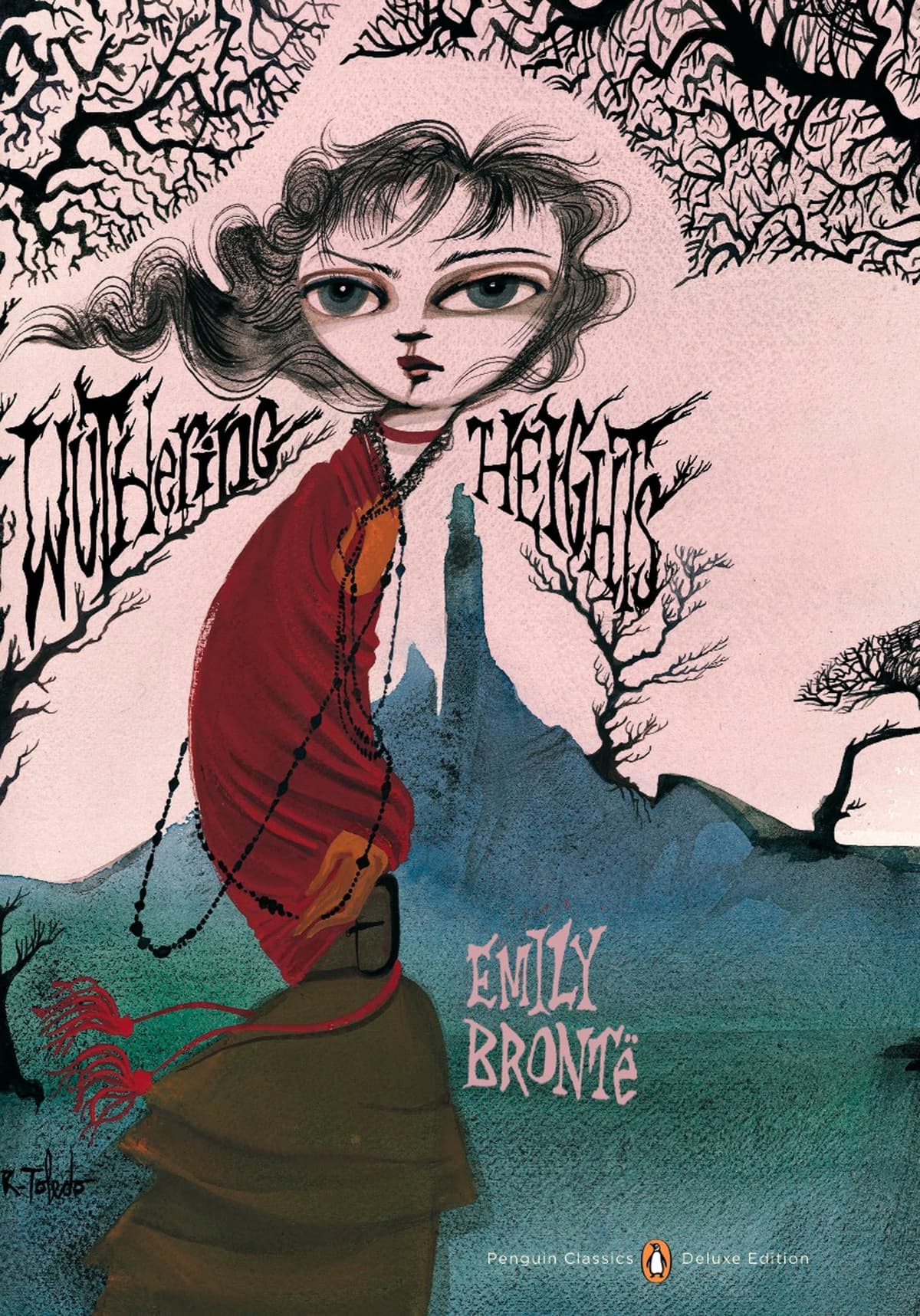 #15View Book
Wuthering Heights
Emily Brontë
Moderate•10-12 hours
Browse more collections