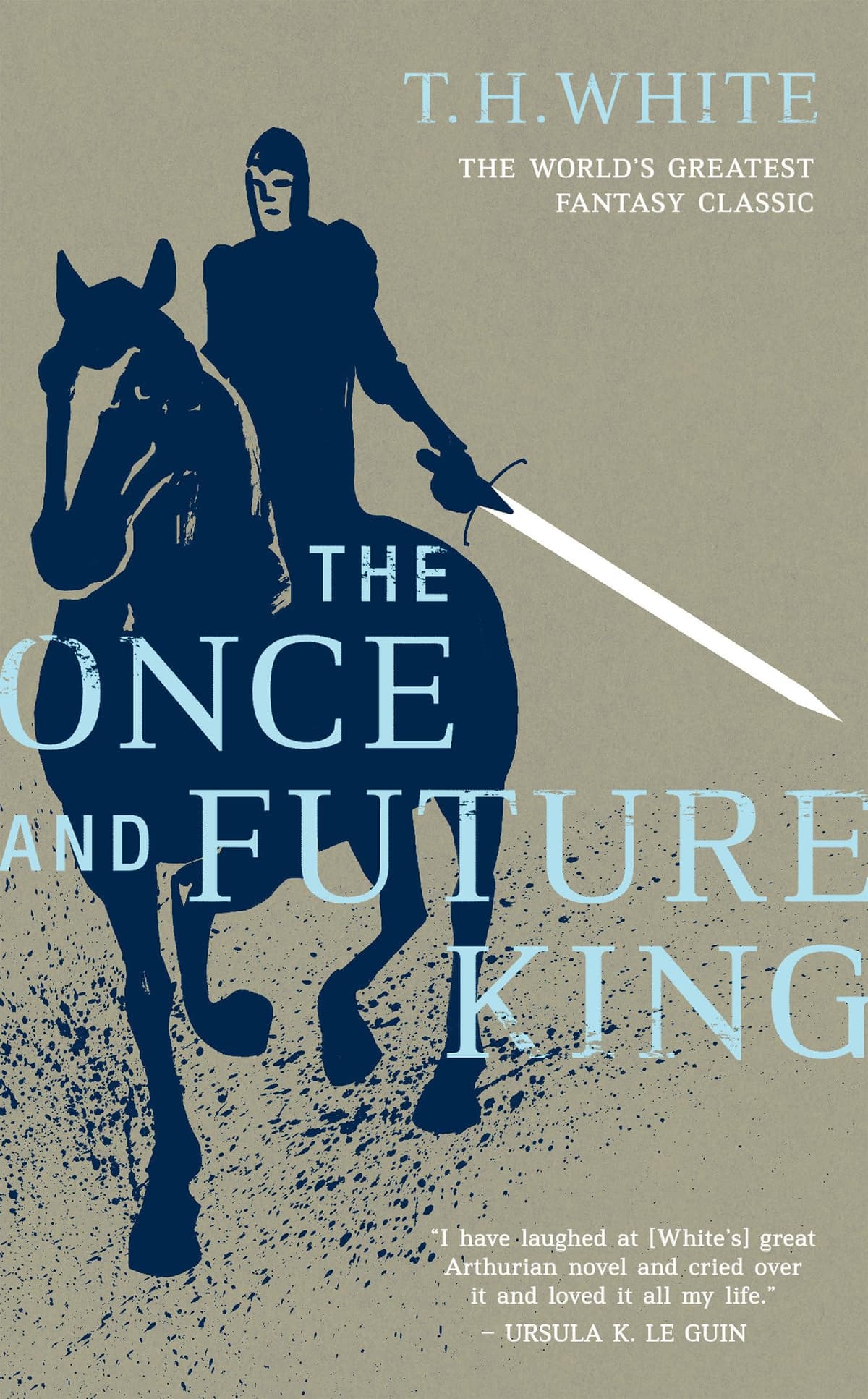
The Once and Future King
“The best thing for being sad is to learn something.”
The Once and Future King Summary
The Once and Future King reimagines the legend of King Arthur from his childhood as a neglected boy called the Wart through to his final, disillusioned night before the Battle of Camlann. In The Sword in the Stone, the young Wart is educated by the eccentric wizard Merlyn, who transforms him into various animals to teach lessons about power, governance, and nature. After pulling Excalibur from the stone and becoming King of England, Arthur, guided by Merlyn's teachings, establishes the Round Table as an attempt to channel the violent instincts of his knights toward justice through the concept of might used only in service of right. In The Queen of Air and Darkness, the seeds of destruction are sown when Arthur unwittingly fathers Mordred with his half-sister Morgause. The Ill-Made Knight follows Lancelot, Arthur's greatest champion, whose adulterous love for Queen Guenever creates an impossible triangle that slowly tears the kingdom apart. In The Candle in the Wind, Mordred exploits the affair to destroy the Round Table, and Arthur, old and weary, faces the collapse of everything he built. On the eve of his final battle, he entrusts his ideals to a young page named Tom, sending him away to preserve the story.
T. H. White's tetralogy is the twentieth century's most influential retelling of the Arthurian legends, a work that transforms medieval romance into a searching meditation on war, civilization, and the tragic limits of idealism. White writes with an anachronistic wit that places modern psychology alongside medieval pageantry, creating a tone that shifts fluidly from comedy to heartbreak. The novel's political concerns are deeply rooted in White's experience of the 1930s and 1940s, and Arthur's struggle to replace the law of force with the force of law reads as an allegory for the failures of European civilization. Yet the book's emotional power transcends allegory, delivering one of literature's most moving portraits of a good man destroyed by the very human frailties he sought to overcome.
Why Read The Once and Future King?
The Once and Future King is far more than a fantasy novel or a children's story, though it contains elements of both. White transforms the familiar Arthurian legends into a profound and often heartbreaking exploration of whether civilization can ever truly overcome humanity's appetite for violence. The book's early sections are filled with inventive humor and magical charm, but as Arthur ages and his ideals collide with human weakness, the narrative deepens into genuine tragedy. White's ability to make you care about characters whose fates have been fixed for centuries is a remarkable literary achievement.
Reading this novel gives you the definitive modern interpretation of the Arthur story, the version that inspired Camelot, Disney's The Sword in the Stone, and countless subsequent retellings. White's prose moves effortlessly between whimsy and wisdom, between slapstick comedy and devastating emotional insight. His Lancelot is one of fiction's great tortured heroes, his Guenever is complex and sympathetic rather than simply villainous, and his Arthur embodies the eternal hope that reason and goodness might someday prevail over brute force. The novel speaks to anyone who has ever believed in an ideal while knowing it might fail.
About T. H. White
Terence Hanbury White (1906-1964) was born in Bombay, British India, and endured a difficult childhood marked by his parents' unhappy marriage. He was educated at Cheltenham College and Queens' College, Cambridge, and worked as a schoolmaster before devoting himself to writing. He began The Sword in the Stone in 1937 while living in a gamekeeper's cottage in Buckinghamshire, immersing himself in falconry, fishing, and the study of Thomas Malory's Le Morte d'Arthur.
The four books that compose The Once and Future King were published separately between 1938 and 1958, with the complete tetralogy appearing in 1958. A fifth book, The Book of Merlyn, was published posthumously in 1977. White's retelling of the Arthurian legends became one of the most beloved and influential works of twentieth-century fantasy, inspiring the Broadway musical Camelot and Walt Disney's animated film The Sword in the Stone. White lived his later years on the Channel Island of Alderney, where he continued to write and pursue his passions for natural history and medieval scholarship. His achievement in making the Matter of Britain speak to modern concerns about war, power, and justice ensures his place among the great imaginative writers of his century.
Reading Guide
Ranked #273 among the greatest books of all time, The Once and Future King by T. H. White has earned its place in the literary canon. Originally written in English and published in 1958, this moderate read from United Kingdom continues to resonate with readers today.
This book belongs to our Epics and Speculative Futures collections, where you can discover more books that share its spirit and themes.
If you enjoy moderate reads like this one, you might also like One Hundred Years of Solitude, Nineteen Eighty-Four, or Wuthering Heights.
From the Epics Collection
If you enjoyed The Once and Future King, discover more masterpieces that share its spirit.
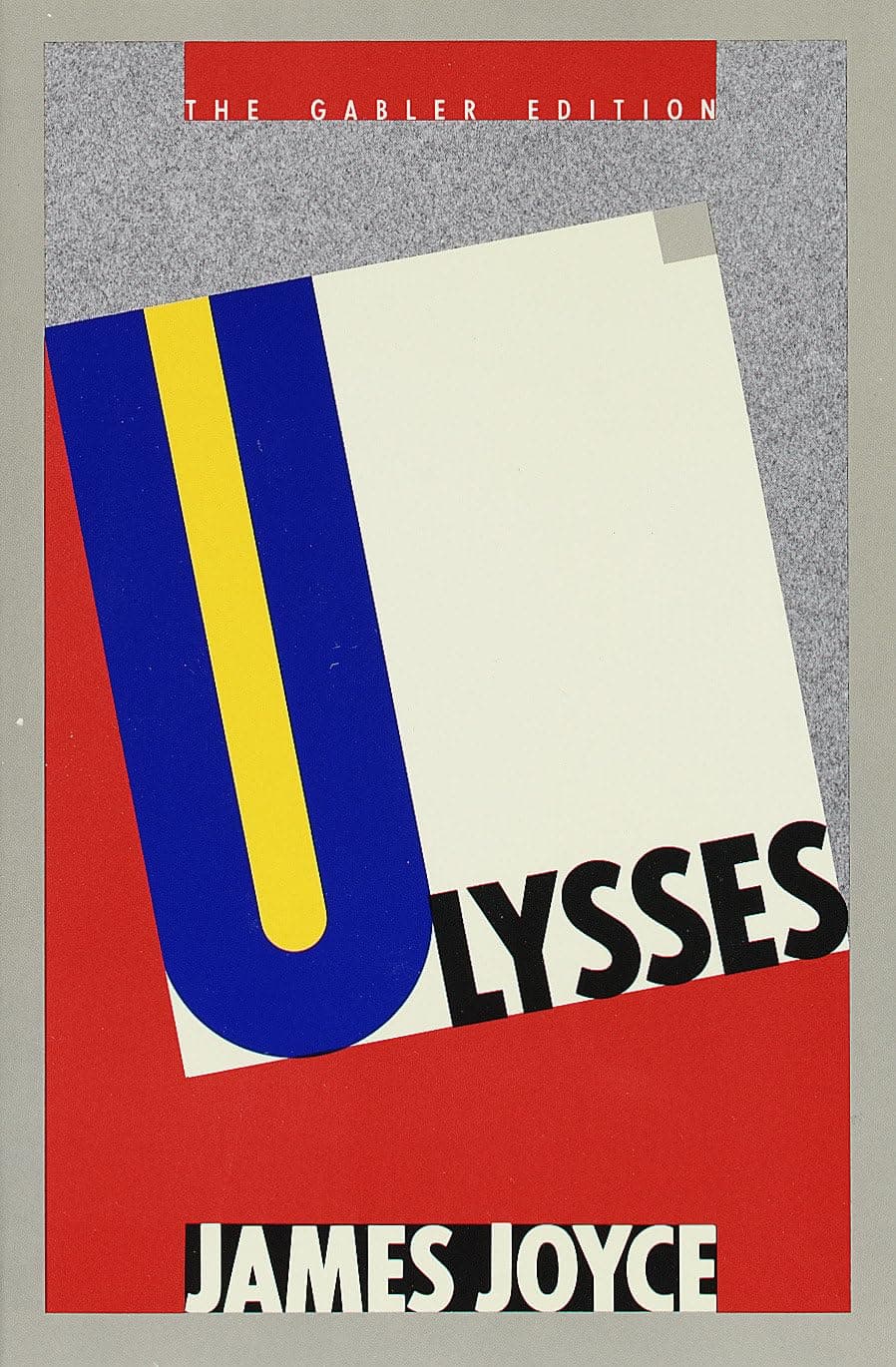 #1View Book
Ulysses
James Joyce
Challenging•35-40 hours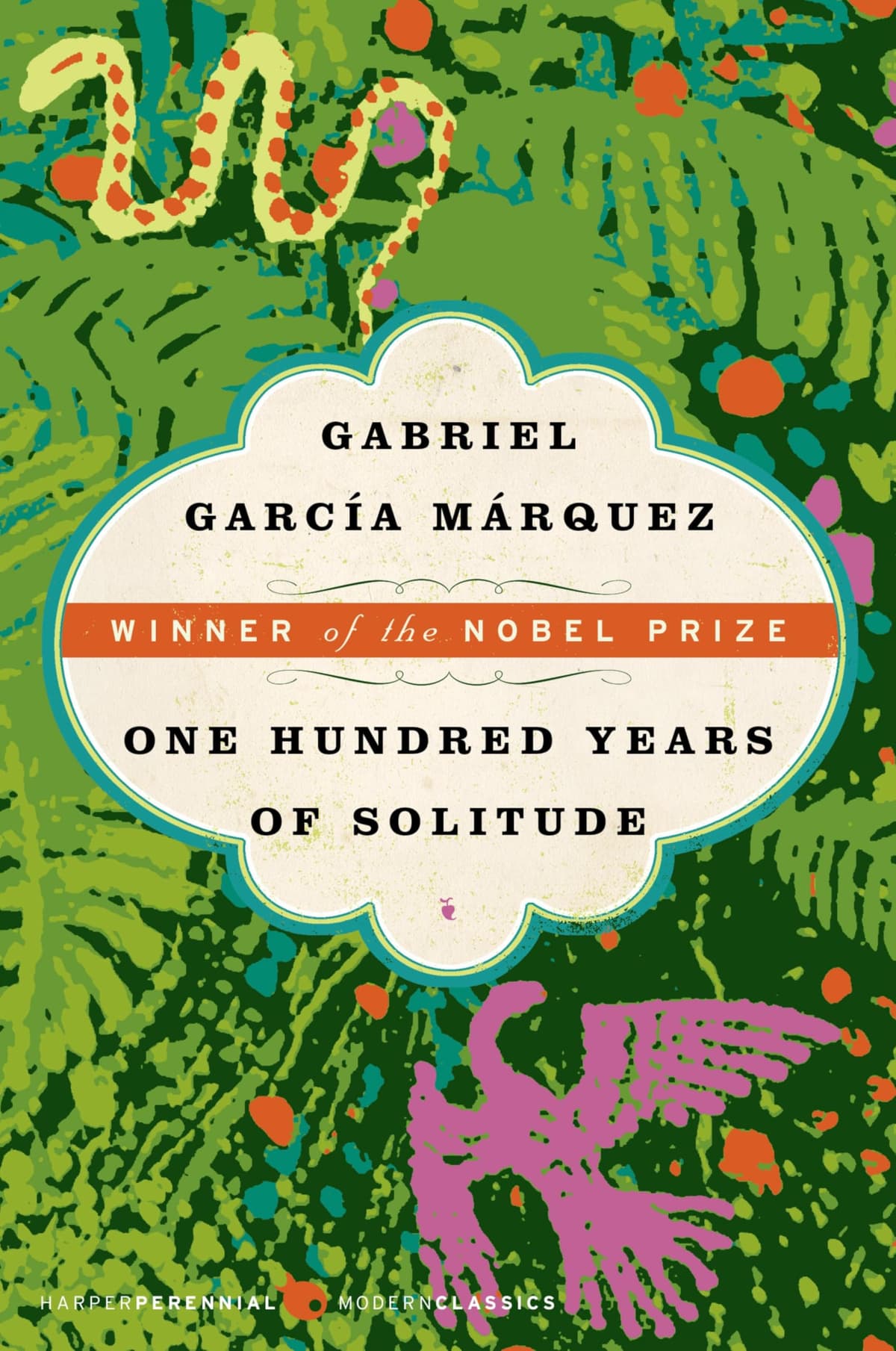 #5View Book
One Hundred Years of Solitude
Gabriel García Márquez
Moderate•15-20 hours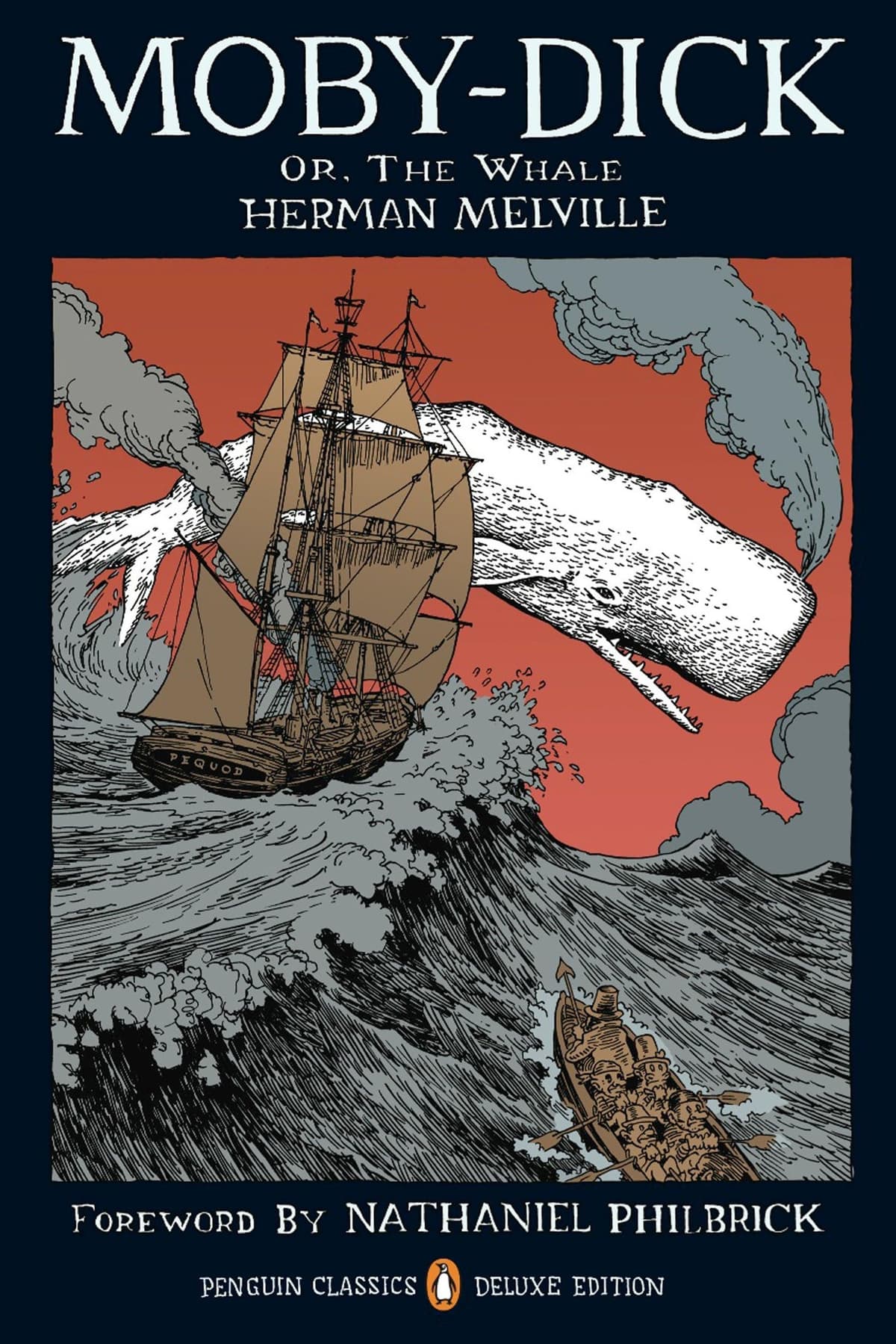 #7View Book
Moby-Dick
Herman Melville
Challenging•20-25 hours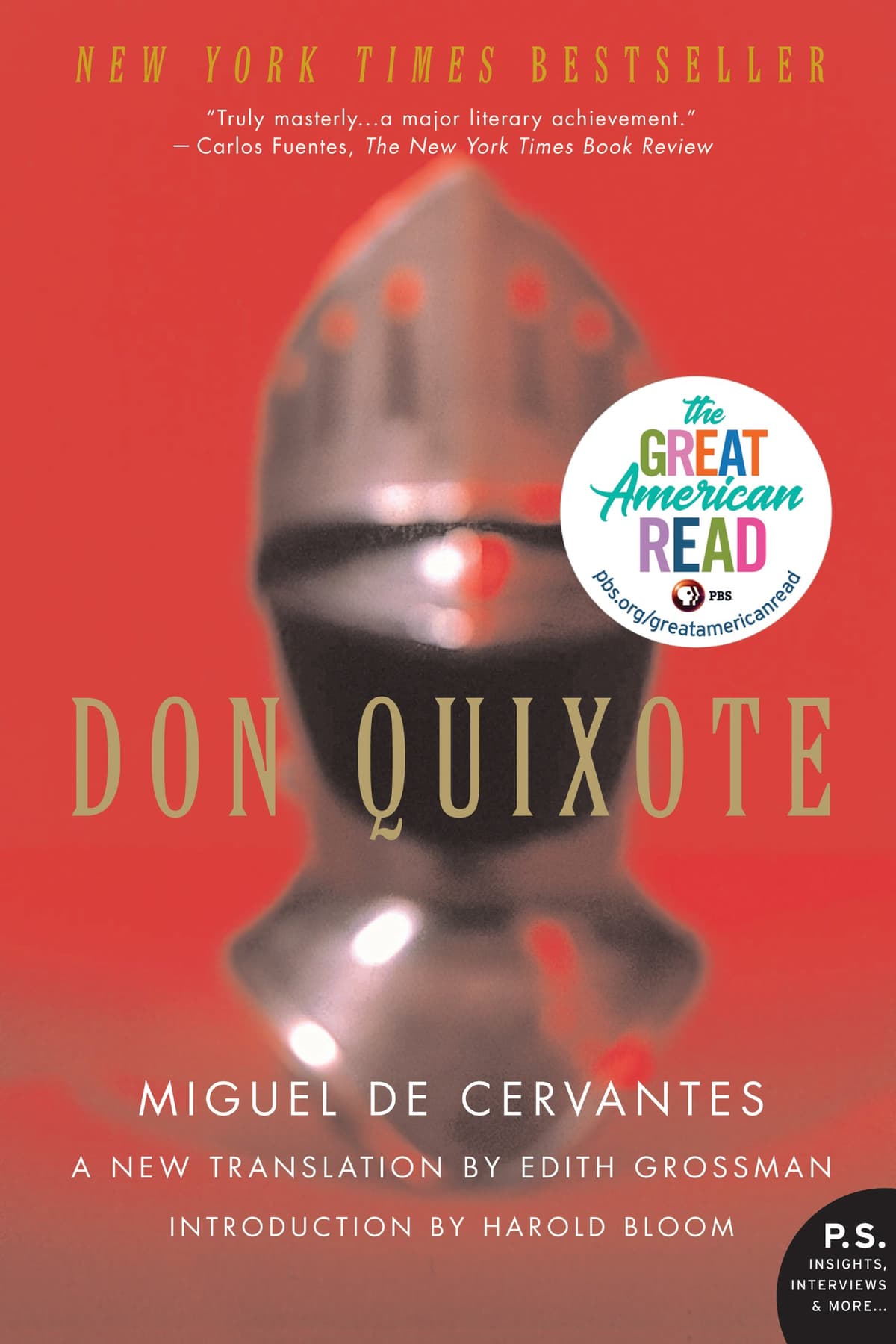 #9View Book
Don Quixote
Miguel de Cervantes
High•35-40 hours
Browse more collections