Disgrace
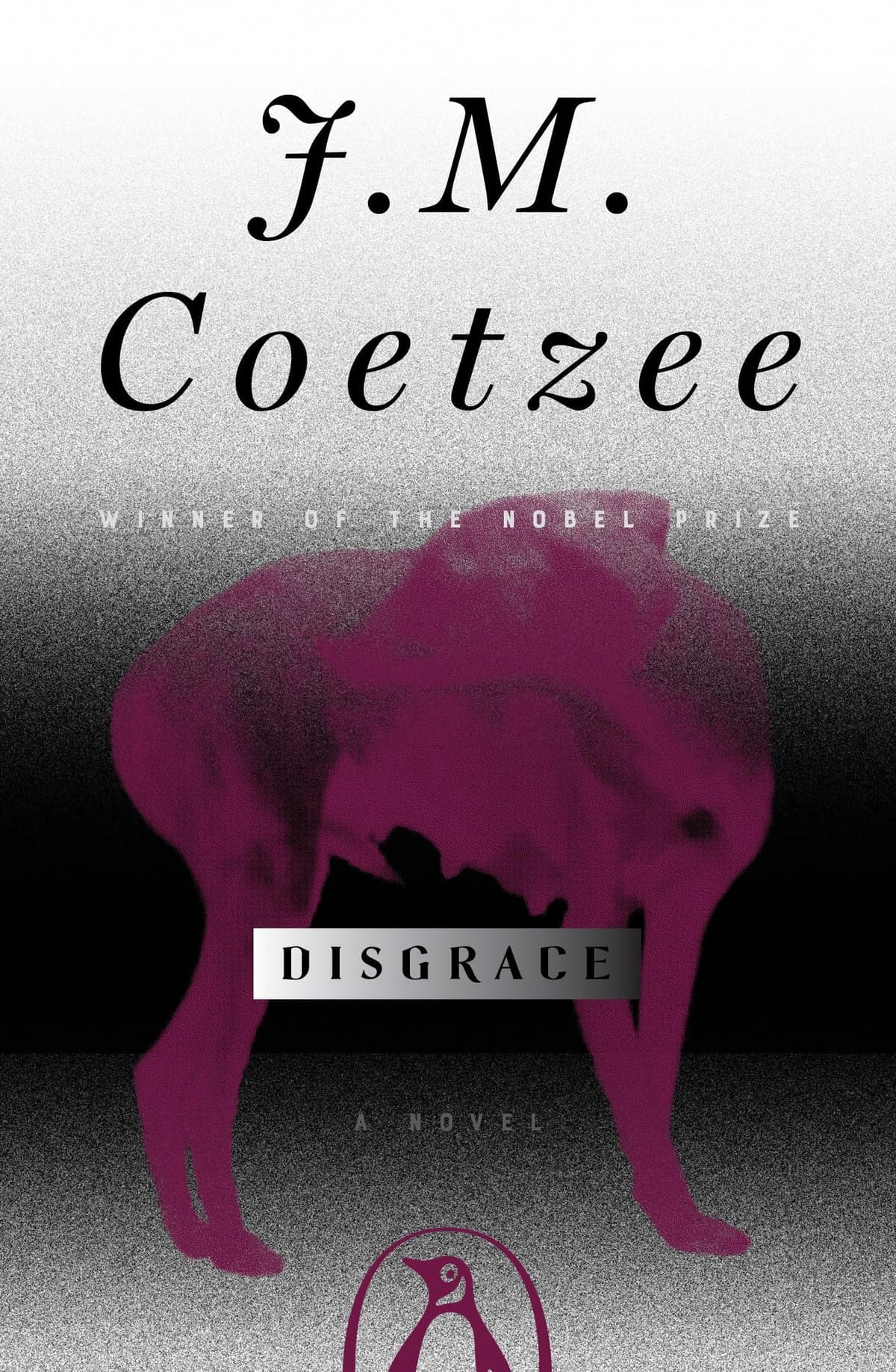
“One gets used to things getting used to things is one of the things one gets used to.”
Disgrace Summary
David Lurie, a twice-divorced fifty-two-year-old professor of communications at a Cape Town university, begins an affair with Melanie Isaacs, one of his students. When the relationship is reported, Lurie refuses to apologize or undergo counseling before a disciplinary committee, insisting on his right to desire and viewing the proceedings as a witch trial. He resigns in disgrace and retreats to the rural Eastern Cape farm of his daughter Lucy, who lives alone growing flowers and running a kennel for boarding dogs. Their tentative reconnection is shattered when three black men attack the farm, raping Lucy and shooting the dogs while Lurie is locked in a bathroom and set on fire. In the aftermath, Lucy refuses to press charges or leave the farm, accepting a humiliating arrangement to place herself under the protection of her neighbor Petrus, who may have connections to the attackers. Lurie, unable to comprehend his daughter's choices, begins volunteering at an animal clinic run by Bev Shaw, helping to euthanize unwanted dogs, a task that gradually becomes a form of penance and spiritual reckoning.
J. M. Coetzee's Booker Prize-winning novel is a devastating examination of power, guilt, and transformation in post-apartheid South Africa. The narrative refuses easy moral positions, presenting Lurie's sexual exploitation alongside the brutal assault on Lucy without drawing false equivalences or offering comfortable resolutions. Coetzee explores how the legacy of colonial violence reverberates through personal relationships, and how disgrace, both public and private, might paradoxically open pathways to humility. The novel's spare, precise prose intensifies its emotional impact, and its treatment of animals as figures of vulnerability and shared suffering adds an unexpected dimension of ethical complexity. Disgrace remains one of the most important and controversial novels of the late twentieth century.
Why Read Disgrace?
Disgrace is one of those rare novels that refuses to let its reader remain comfortable for a single page. Coetzee writes with a surgical precision that strips away every possible refuge of sentimentality, forcing you to confront questions about power, guilt, race, and gender that have no satisfying answers. David Lurie is neither hero nor villain but something more unsettling: a recognizable human being whose intelligence coexists with moral blindness, and whose journey toward something resembling humility is neither redemptive nor complete. The novel's refusal to offer resolution is its greatest strength.
Reading Disgrace gives you an unflinching portrait of a society in painful transition, where the personal and political are inextricably entangled. Coetzee's spare prose creates an atmosphere of relentless moral scrutiny, and his willingness to leave the novel's central questions unanswered, particularly Lucy's baffling choice to remain on the farm, trusts the reader's intelligence in ways that most fiction does not. The scenes at the animal clinic, where Lurie tends to dying dogs with unexpected tenderness, achieve a quiet power that complicates everything that has come before. This is essential reading for anyone who believes literature should challenge rather than console.
About J. M. Coetzee
John Maxwell Coetzee (born 1940) grew up in Cape Town, South Africa, in an Afrikaner family that spoke English at home. He studied mathematics and English at the University of Cape Town, earned a PhD in linguistics from the University of Texas at Austin, and spent several years working as a computer programmer in London before returning to academia. He taught literature at the University of Cape Town for decades before emigrating to Australia in 2002.
Coetzee is one of the most honored novelists of the modern era. He won the Booker Prize twice, for Life and Times of Michael K in 1983 and Disgrace in 1999, making him the only author to achieve this distinction at the time. He was awarded the Nobel Prize in Literature in 2003 for novels that in innumerable guises portray the surprising involvement of the outsider. His other major works include Waiting for the Barbarians, Foe, The Master of Petersburg, and the fictionalized memoirs Boyhood and Youth. Coetzee's fiction is distinguished by its formal rigor, ethical complexity, and refusal of narrative consolation, qualities that have established him as one of the most important writers of the late twentieth and early twenty-first centuries.
Reading Guide
Ranked #274 among the greatest books of all time, Disgrace by J. M. Coetzee has earned its place in the literary canon. Originally written in English and published in 1999, this moderate read from South Africa continues to resonate with readers today.
This book belongs to our Modern Mind and Society & Satire collections, where you can discover more books that share its spirit and themes.
If you enjoy moderate reads like this one, you might also like One Hundred Years of Solitude, Nineteen Eighty-Four, or Wuthering Heights.
From the Modern Mind Collection
If you enjoyed Disgrace, discover more masterpieces that share its spirit.
 #1View Book
Ulysses
James Joyce
Challenging•35-40 hours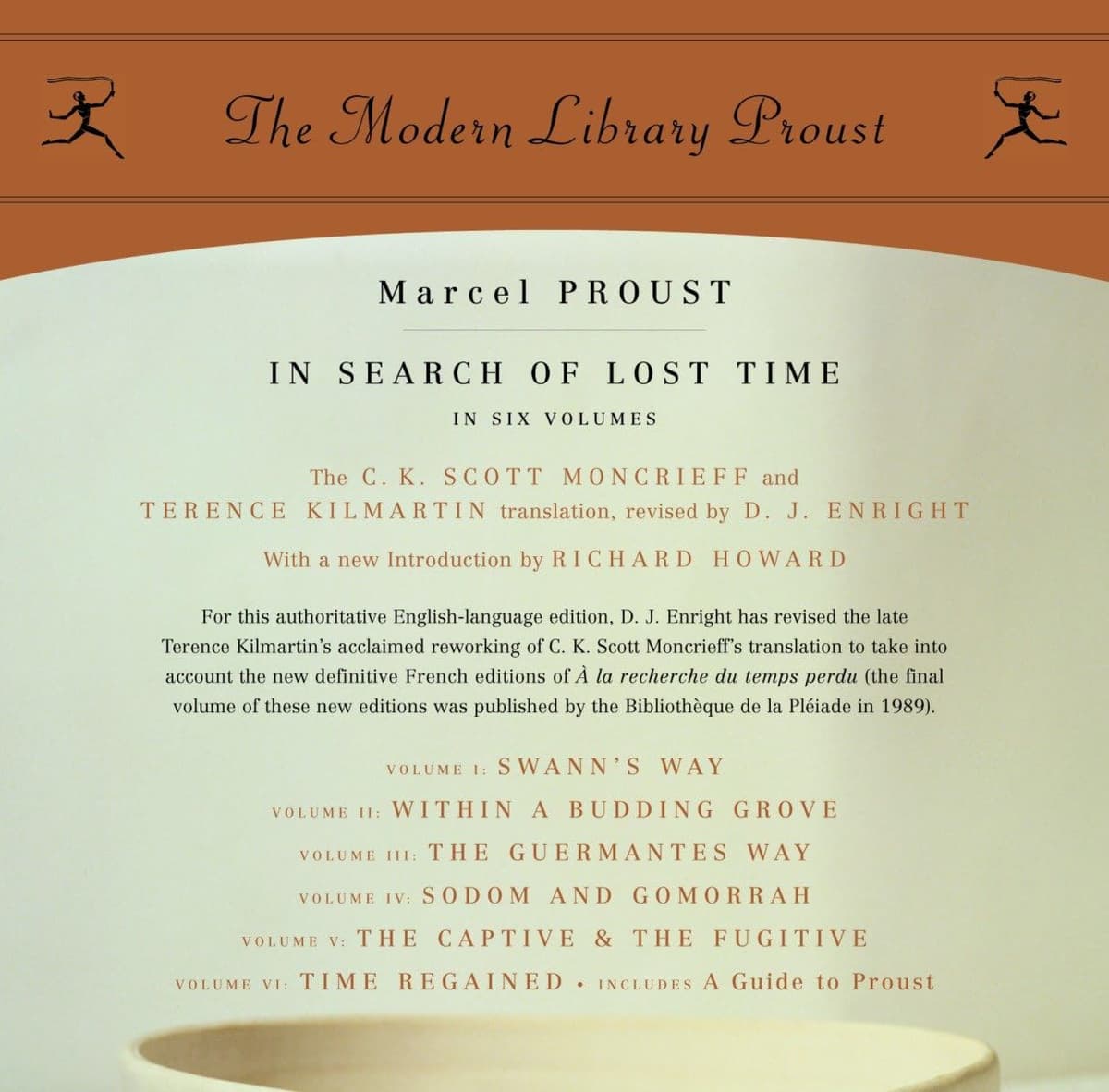 #2View Book
In Search of Lost Time
Marcel Proust
High•100+ hours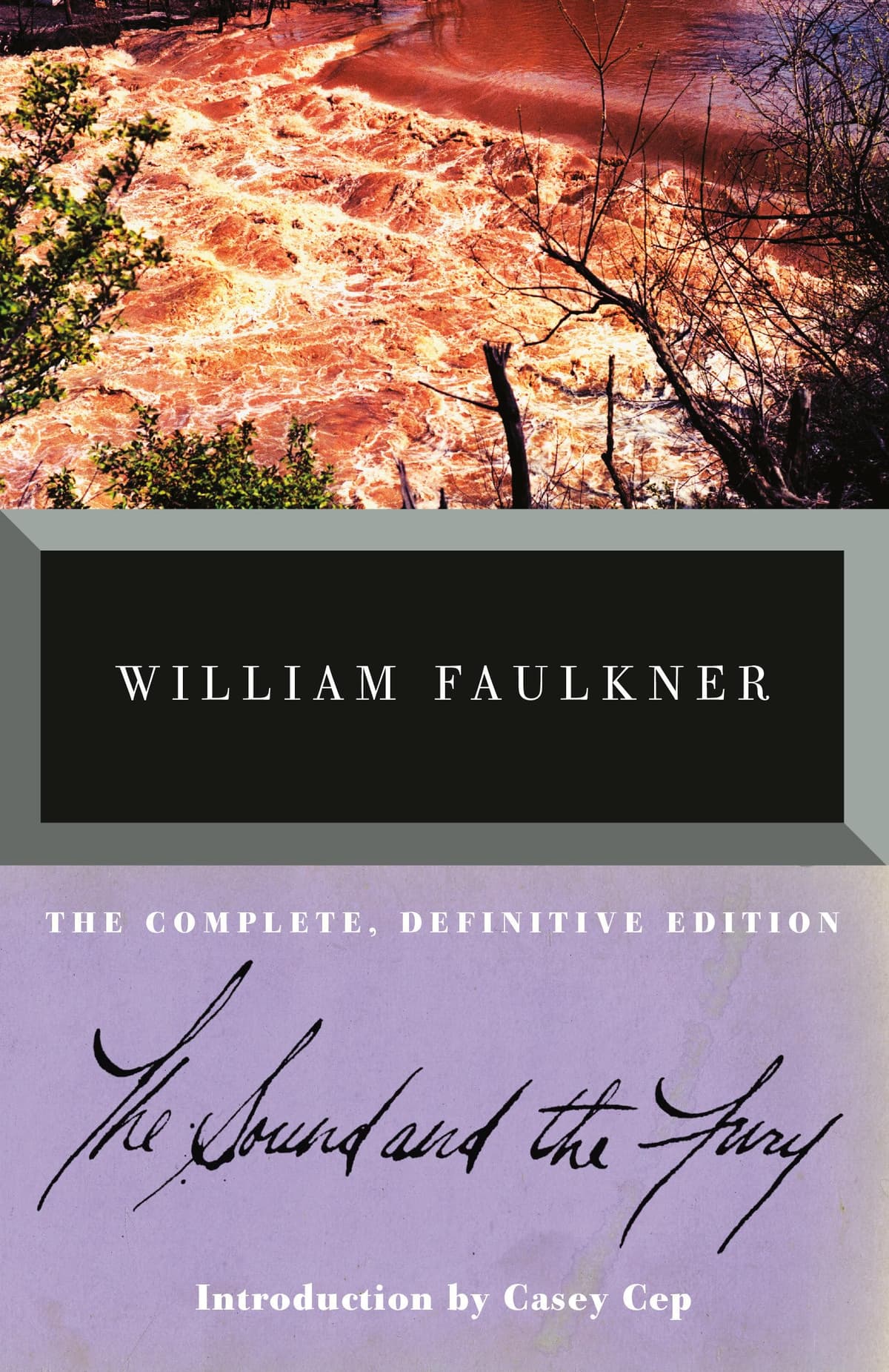 #8View Book
The Sound and the Fury
William Faulkner
Very High•12-15 hours #13View Book
Lolita
Vladimir Nabokov
Challenging•12-15 hours
Browse more collections