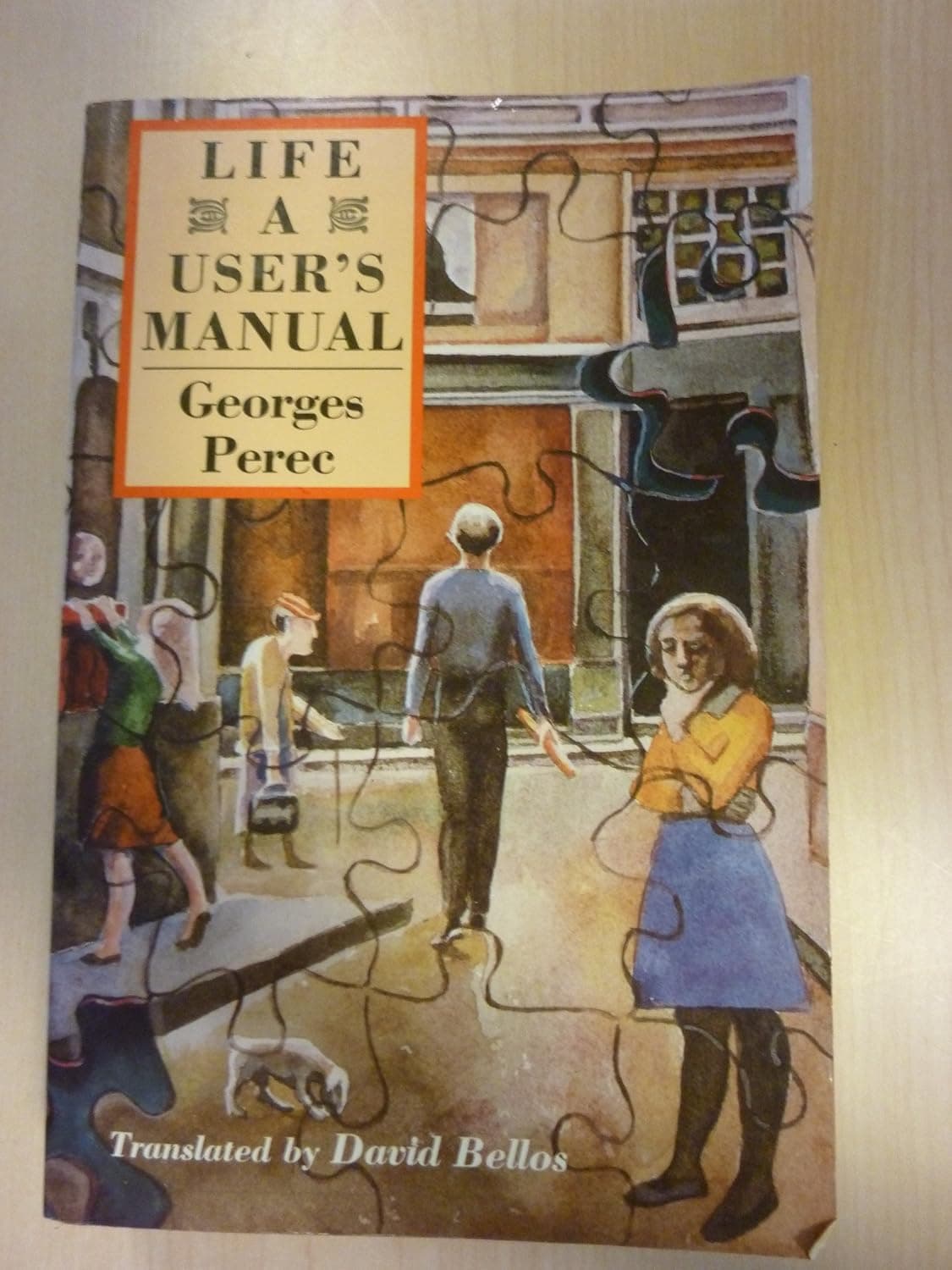
Life, a User's Manual
“The eye follows the paths that have been laid out for it in the work.”
Life, a User's Manual Summary
Life, a User's Manual takes place at a single frozen moment, around eight o'clock in the evening on June 23, 1975, in a Parisian apartment building at 11 rue Simon-Crubellier. Moving through the building's rooms like a knight's tour on a chessboard, Georges Perec describes the lives, possessions, histories, and obsessions of the building's current and former inhabitants across nearly a hundred chapters. The central narrative thread follows Percival Bartlebooth, a wealthy Englishman who devises an elaborate life plan: he spends ten years learning to paint watercolors, then twenty years traveling the world painting five hundred seaport scenes, which he sends home to a craftsman named Gaspard Winckler to be made into jigsaw puzzles. Bartlebooth then spends the next twenty years reassembling the puzzles, after which the completed images are to be chemically treated to remove the paint, returning them to blank paper. This grand project of creation, destruction, and nullification fails at the very end: Bartlebooth dies with one puzzle piece remaining, and the empty space is shaped like a W while the piece he holds is shaped like an X.
Perec's magnum opus is one of the supreme achievements of postmodern fiction, a novel that transforms a single building into a microcosm of human experience. Behind its encyclopedic surface lies an intricate system of mathematical and literary constraints drawn from the Oulipo movement, of which Perec was a key member. The novel contains stories within stories, lists within lists, and allusions to dozens of literary works, yet it never feels merely cerebral. Perec's compassion for his characters, their failed ambitions, their cherished objects, their quiet desperations, gives the novel its emotional depth. Life, a User's Manual is simultaneously a meditation on the nature of storytelling, a portrait of Parisian life across decades, and a profound reflection on the human compulsion to impose pattern on the chaos of existence.
Why Read Life, a User's Manual?
Life, a User's Manual is one of the most ambitious and inventive novels of the twentieth century, a book that contains within its pages enough stories, characters, and ideas for an entire library. Perec transforms the simple premise of describing an apartment building into an exploration of how human beings fill their lives with projects, collections, passions, and obsessions that ultimately define who they are. The novel's structure, based on complex mathematical constraints invisible to the casual reader, produces a reading experience that feels simultaneously ordered and infinitely surprising.
Engaging with this novel rewards you with a work of astonishing range and hidden depth. Each chapter opens a new world, from forgers to puzzle-makers, from archaeologists to trapeze artists, and Perec's prose moves between comedy, tragedy, and wonder with seamless grace. The central story of Bartlebooth's doomed puzzle project is one of literature's great parables about the relationship between art and futility. Yet the novel's deepest pleasure lies in its celebration of the ordinary: the objects people accumulate, the rooms they inhabit, the stories they tell themselves about their lives. For any reader who loves fiction that combines intellectual ambition with genuine human warmth, this is an essential and inexhaustible masterpiece.
About Georges Perec
Georges Perec (1936-1982) was born in Paris to Polish Jewish immigrants. His father died fighting in the French army in 1940, and his mother was deported to Auschwitz, where she perished. Raised by an aunt and uncle, Perec grew up with a profound sense of absence that permeated his literary work. He studied sociology at the Sorbonne, worked as a research librarian, and joined the Oulipo (Ouvroir de litterature potentielle), a group of writers and mathematicians dedicated to creating literature through formal constraints.
Perec's body of work is remarkably diverse in both form and subject. His novel A Void is written entirely without the letter E, while its companion The Exeter Text uses no vowel other than E. W, or the Memory of Childhood interweaves autobiography with a fictional dystopia to address his wartime losses. Things: A Story of the Sixties examined consumer culture, and Species of Spaces explored the phenomenology of everyday environments. Life, a User's Manual, published in 1978, is universally considered his masterpiece and won the Prix Medicis. Perec died of lung cancer at the age of forty-five, leaving behind a body of work that profoundly influenced experimental fiction worldwide. His combination of formal virtuosity, emotional depth, and ludic invention makes him one of the most original and important writers of the twentieth century.
Reading Guide
Ranked #275 among the greatest books of all time, Life, a User's Manual by Georges Perec has earned its place in the literary canon. Originally written in French and published in 1978, this challenging read from France continues to resonate with readers today.
This book belongs to our Modern Mind collection, where you can discover more books that share its spirit and themes.
If you enjoy challenging reads like this one, you might also like Ulysses, Moby-Dick, or Lolita.
From the Modern Mind Collection
If you enjoyed Life, a User's Manual, discover more masterpieces that share its spirit.
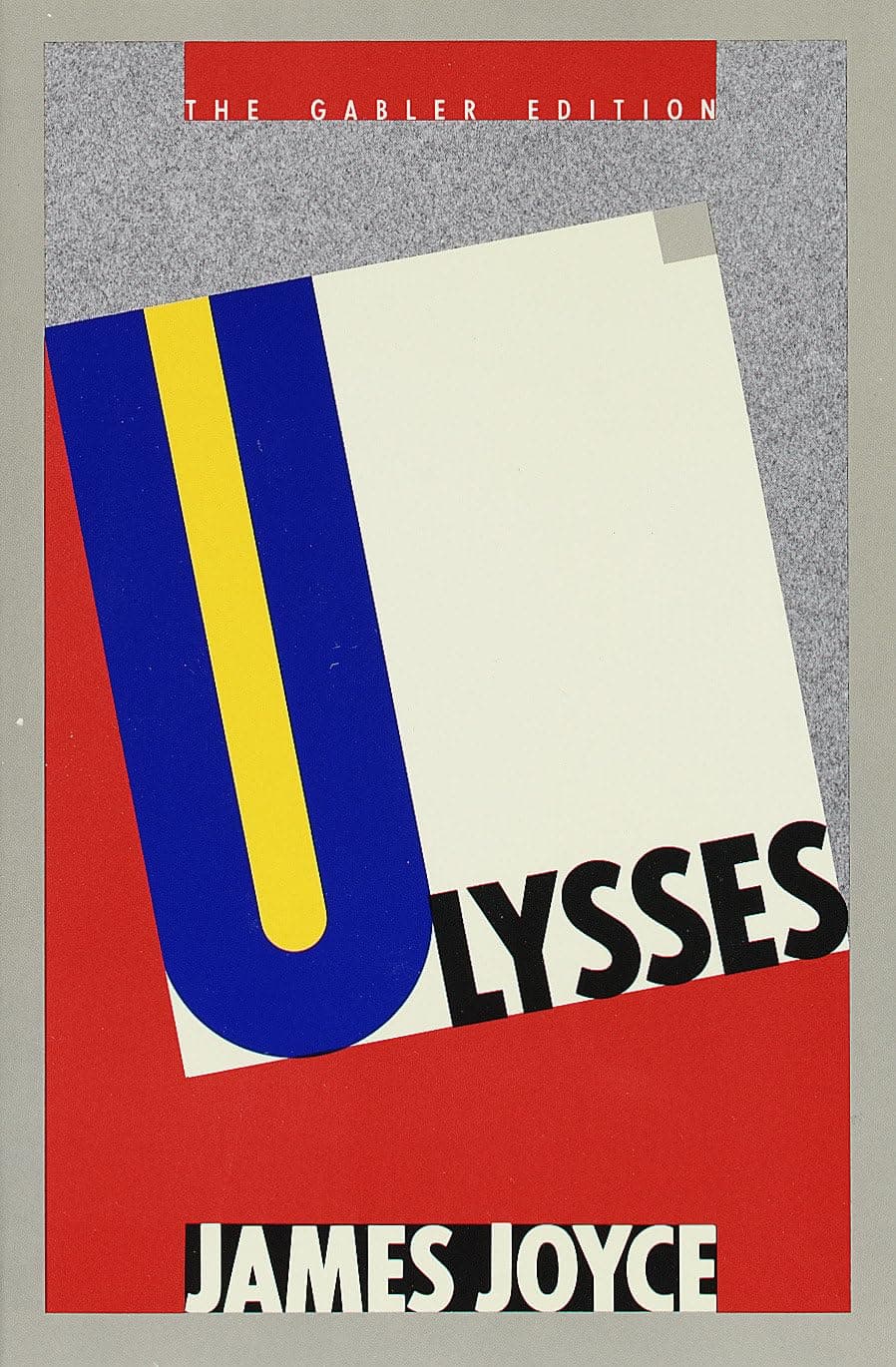 #1View Book
Ulysses
James Joyce
Challenging•35-40 hours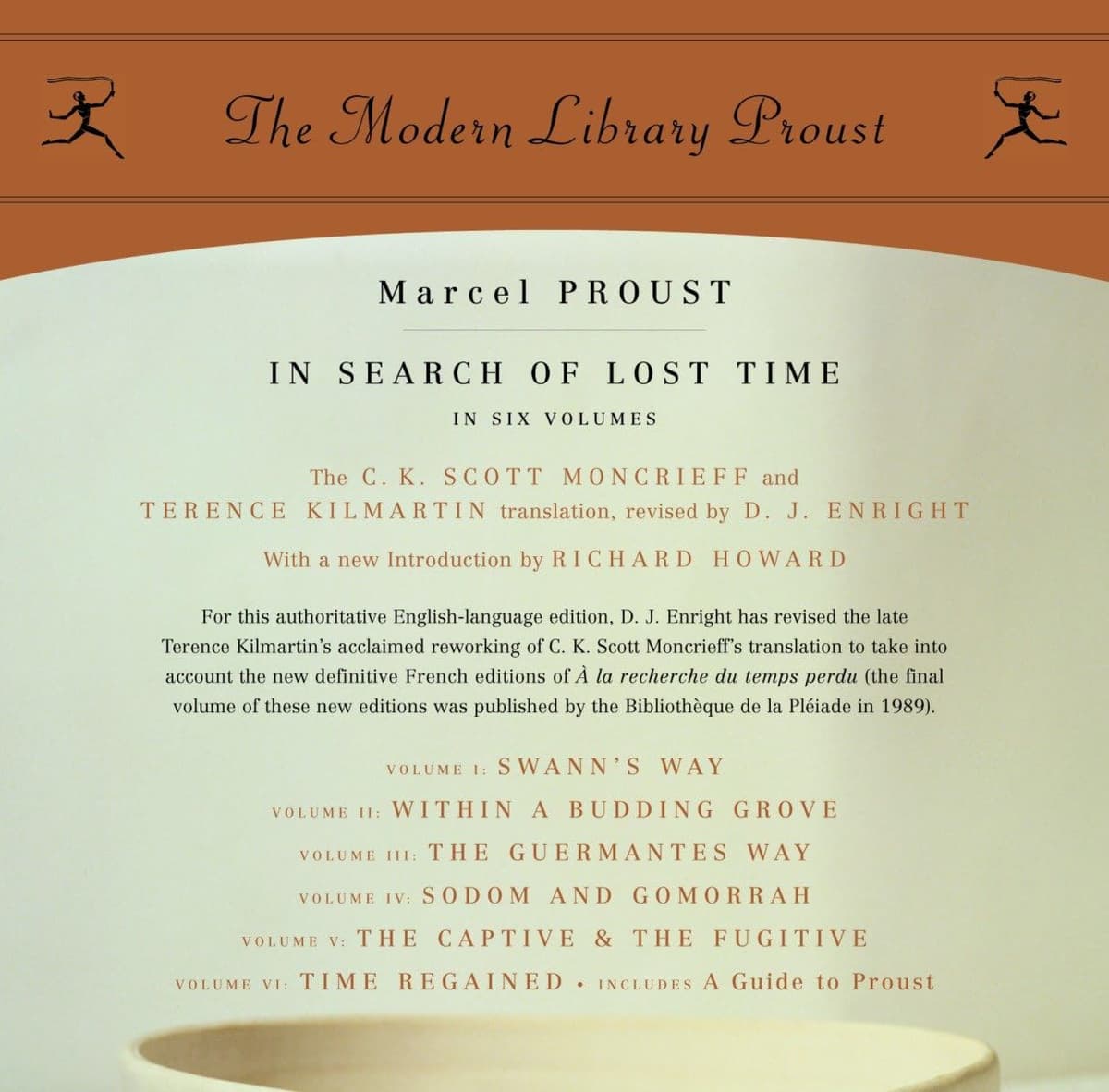 #2View Book
In Search of Lost Time
Marcel Proust
High•100+ hours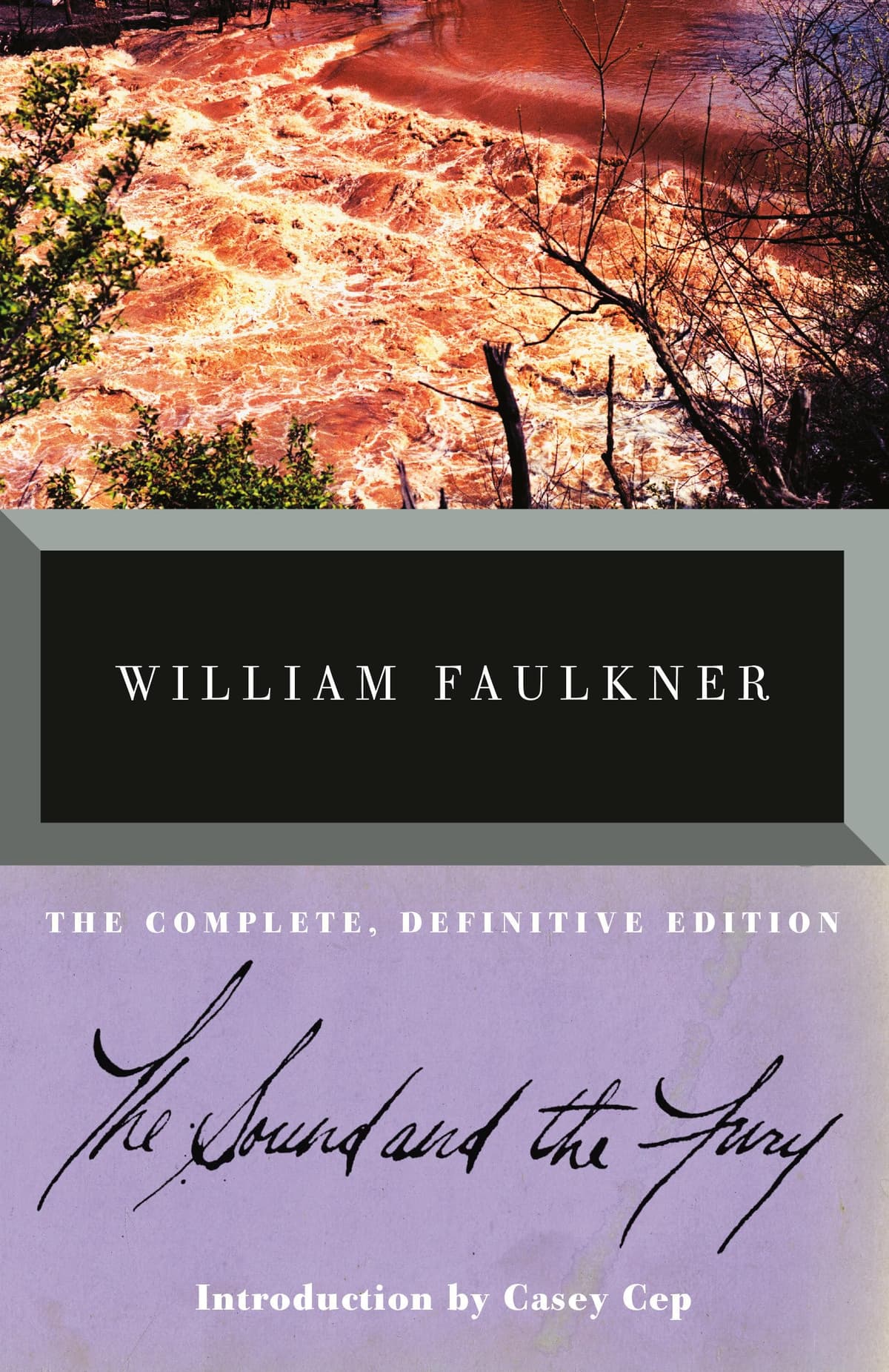 #8View Book
The Sound and the Fury
William Faulkner
Very High•12-15 hours #13View Book
Lolita
Vladimir Nabokov
Challenging•12-15 hours
Browse more collections