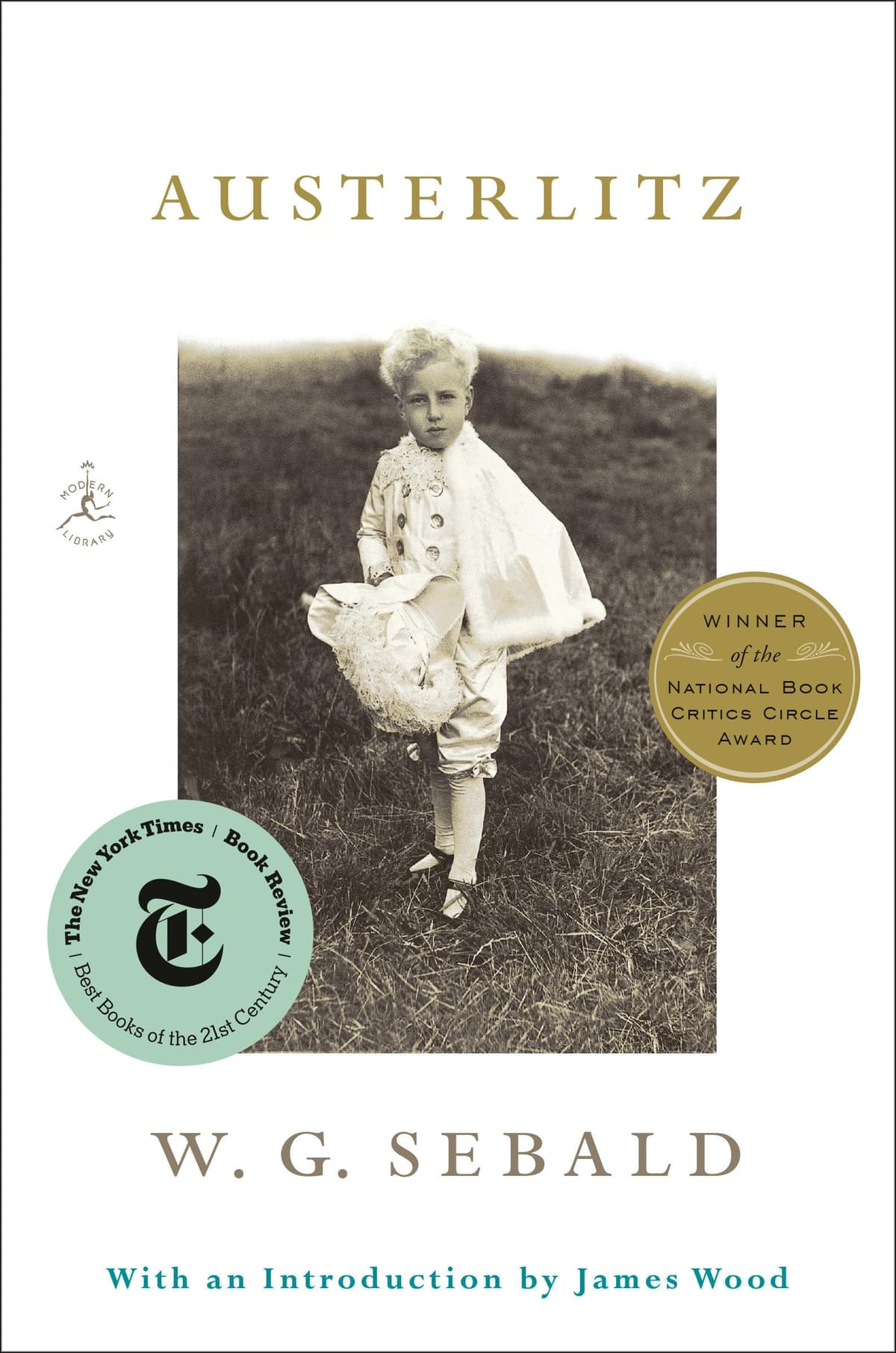
Austerlitz
“It does not seem to me that we understand the laws governing the return of the past, but I feel more and more as if time did not exist at all, only various spaces interlocking according to the rules of a higher form of stereometry, between which the living and the dead can move back and forth as they like.”
Austerlitz Summary
A nameless narrator encounters Jacques Austerlitz, a reclusive architectural historian, in various European locations over the course of several decades. Their conversations meander through train stations, fortresses, and libraries as Austerlitz gradually reveals a devastating secret: he was one of the Kindertransport children, sent from Prague to Britain in 1939 to escape the Nazi persecution of Jews. Raised by a stern Welsh Calvinist minister and his wife under the name Dafydd Elias, Austerlitz has no memory of his early childhood until, in middle age, fragments begin to surface. He embarks on a haunted pilgrimage through Europe, traveling to Prague to find traces of his mother Agata, who perished in the Theresienstadt concentration camp, and searching for any record of his father Maximilian, who disappeared into occupied Paris. Through crumbling archives, faded photographs, and half-remembered places, Austerlitz attempts to reconstruct a past that history has tried to erase.
Sebald's final novel is a meditation on memory, trauma, and the architecture of forgetting. The book moves in long, sinuous sentences that blur the boundaries between fiction, memoir, history, and essay, creating a hypnotic prose rhythm unlike anything else in modern literature. Austerlitz's obsession with railway stations, fortifications, and institutional buildings becomes a metaphor for the structures civilization builds to contain and conceal its darkest impulses. The novel interrogates how individuals and societies process catastrophic loss, suggesting that the past is never truly buried but persists in landscapes, buildings, and the unconscious mind. Accompanied by enigmatic black-and-white photographs that seem to offer evidence yet ultimately deepen the mystery, Austerlitz stands as one of the most profound literary responses to the Holocaust and a masterwork of late twentieth-century European fiction.
Why Read Austerlitz?
Few novels capture the weight of historical trauma with the delicacy and power of Austerlitz. Sebald's prose moves like a slow, hypnotic current, carrying you through train stations, libraries, and forgotten archives until the buried past rises to the surface with devastating force. If you have ever sensed that buildings, photographs, or landscapes hold memories of their own, this novel will confirm that intuition in ways that are both intellectually thrilling and emotionally shattering.
Reading Austerlitz is an experience unlike any other in contemporary literature. The novel dissolves the boundaries between fiction and history, between personal memory and collective catastrophe, creating a form that feels entirely new. It asks what it means to recover an identity that has been systematically erased, and whether the act of remembering can ever be complete. For anyone drawn to the intersections of history, architecture, photography, and the workings of memory, this is an essential and unforgettable work that will change how you see the world around you.
About W. G. Sebald
Winfried Georg Sebald was born in 1944 in Wertach im Allgau, a small town in the Bavarian Alps, and grew up in postwar Germany amid a national silence about the Nazi era that would profoundly shape his literary vision. He studied German literature in Freiburg and French-speaking Switzerland before moving to England in 1966, eventually settling at the University of East Anglia in Norwich, where he taught European literature for over three decades. His major prose works, including The Emigrants, The Rings of Saturn, Vertigo, and Austerlitz, were all published in the final decade of his life.
Sebald's writing defies conventional genre classification, weaving together fiction, memoir, travelogue, history, and essay into a distinctive hybrid form punctuated by uncaptioned black-and-white photographs. His long, labyrinthine sentences and melancholic voice made him one of the most celebrated and original writers of the late twentieth century, earning comparisons to Borges, Proust, and Kafka. He was widely regarded as a leading candidate for the Nobel Prize in Literature when he died in a car accident in December 2001, just weeks after the publication of Austerlitz. His influence on contemporary literature has been immense, inspiring a generation of writers to explore the intersections of memory, history, and documentary evidence.
Reading Guide
Ranked #276 among the greatest books of all time, Austerlitz by W. G. Sebald has earned its place in the literary canon. Originally written in German and published in 2001, this challenging read from Germany continues to resonate with readers today.
This book belongs to our Modern Mind collection, where you can discover more books that share its spirit and themes.
If you enjoy challenging reads like this one, you might also like Ulysses, Moby-Dick, or Lolita.
From the Modern Mind Collection
If you enjoyed Austerlitz, discover more masterpieces that share its spirit.
 #1View Book
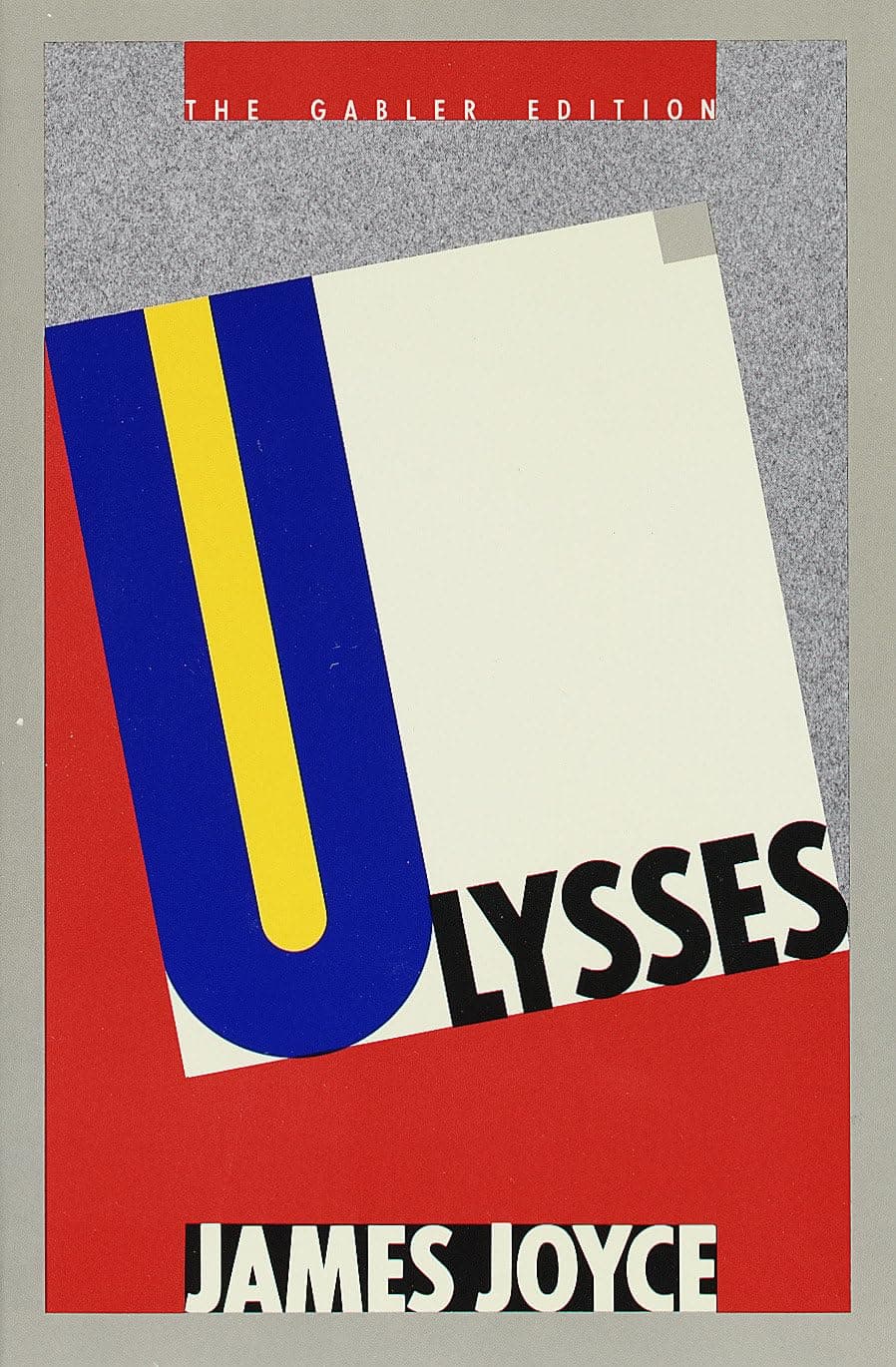
Ulysses
James Joyce
Challenging•35-40 hours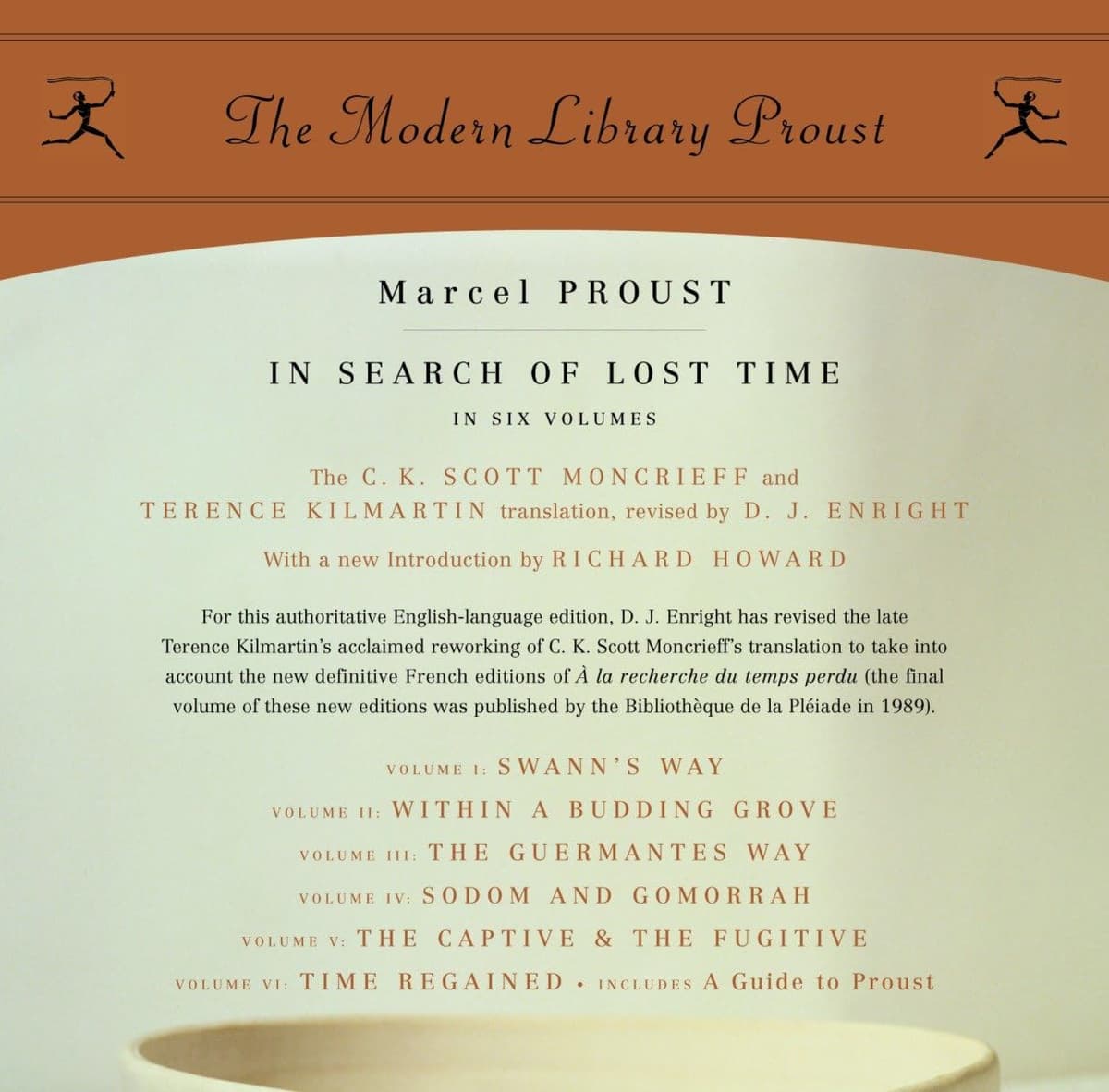 #2View Book
In Search of Lost Time
Marcel Proust
High•100+ hours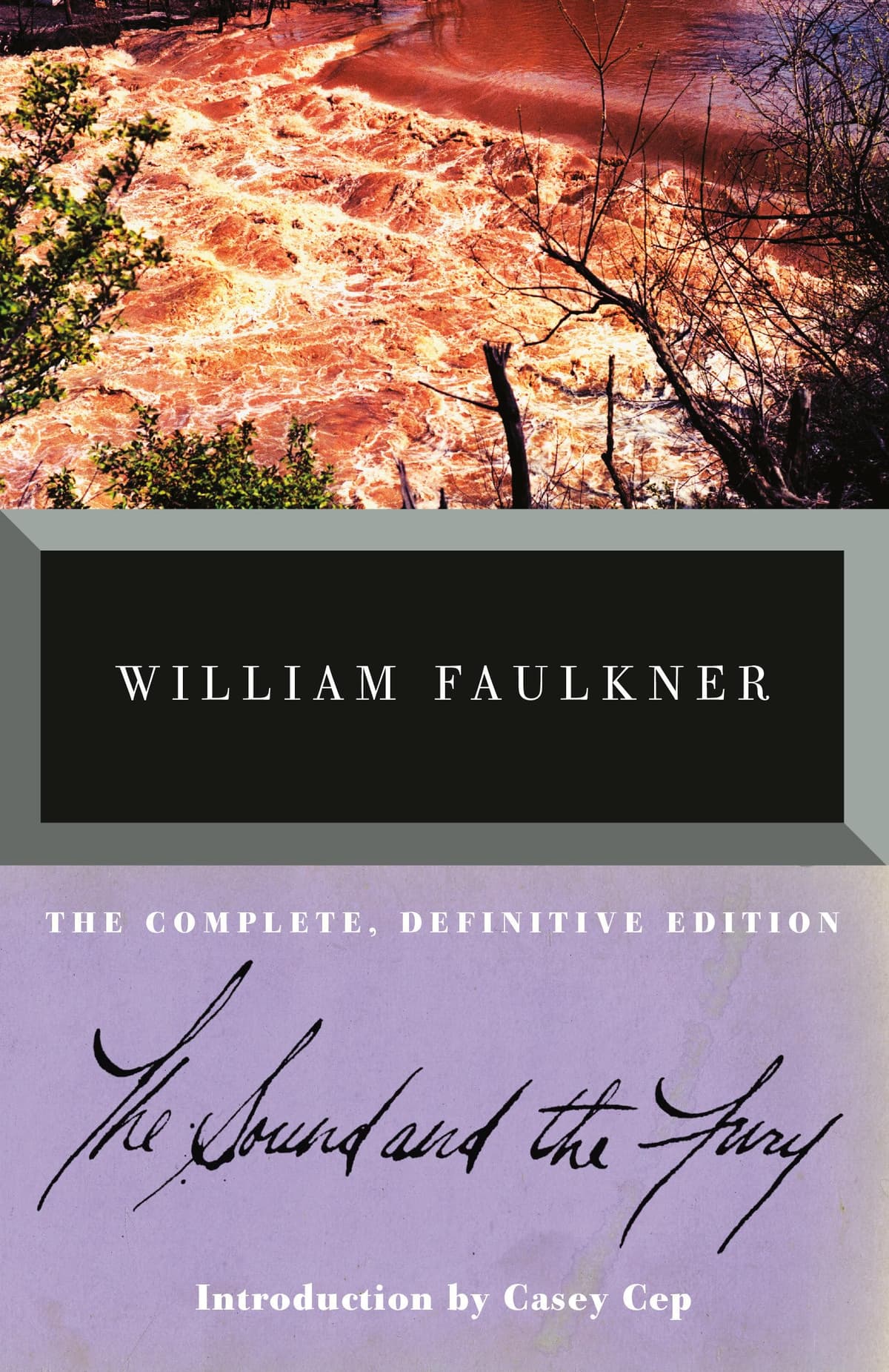 #8View Book
The Sound and the Fury
William Faulkner
Very High•12-15 hours #13View Book
Lolita
Vladimir Nabokov
Challenging•12-15 hours
Browse more collections