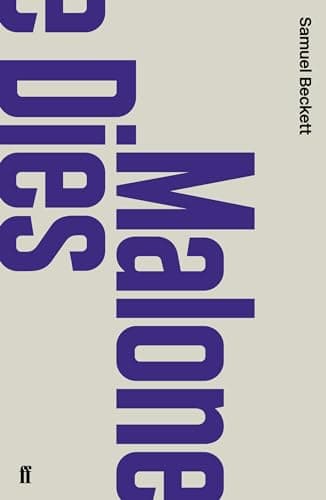
Malone Dies
“Let me say before I go any further that I forgive nobody. I wish them all an atrocious life and then the fires and ice of hell.”
Malone Dies Summary
Malone, an old man confined to a bed in a bare room, possibly in an asylum, waits to die. To pass the time, he resolves to tell himself stories and to take an inventory of his meager possessions: a pencil stub, an exercise book, a stick he uses to drag objects toward him. His narratives follow a character named Saposcat, later renamed Macmann, through a series of bleak, darkly comic episodes involving farm life, institutional confinement, and an absurd sexual relationship with an attendant named Moll. But Malone's stories constantly collapse and restart as his mind wanders, his pencil fails, and the boundary between narrator and character dissolves. The inventory of possessions is never completed. As the novel progresses, Malone's grip on consciousness loosens, his sentences fragment, and the fictional Macmann's world merges with Malone's own. The text ends in mid-sentence, mid-thought, with Lemuel, a caretaker in Macmann's story, striking blows with a hatchet as the narrative disintegrates into isolated words and silence.
The second novel in Samuel Beckett's postwar trilogy, Malone Dies strips fiction to its barest elements: a voice, a pencil, and the dwindling time before death. Beckett dismantles the conventions of narrative with surgical precision, exposing the futility of storytelling even as he demonstrates its compulsive necessity. The novel asks whether consciousness can observe its own extinction, and whether the stories we tell ourselves provide genuine comfort or merely postpone the confrontation with nothingness. Written originally in French as Malone meurt, it represents Beckett at his most uncompromising, fusing black humor with metaphysical despair in prose that oscillates between lucid beauty and deliberate incoherence. Malone Dies is both a profound meditation on mortality and a radical experiment in what fiction can be when stripped of plot, character, and resolution.
Why Read Malone Dies?
Malone Dies is one of the most uncompromising novels ever written, and its relentless paring away of narrative convention produces an experience unlike anything else in literature. Beckett's prose is simultaneously devastating and darkly funny, achieving a tone that no other writer has successfully replicated. The novel dares to stage the dissolution of consciousness itself, and the result is a work that forces readers to confront mortality not as an abstract concept but as a lived, moment-by-moment reality. If you have ever wondered what happens to the mind as it approaches its end, Beckett offers an answer that is terrifying, oddly tender, and completely unforgettable.
Engaging with this novel reshapes your understanding of what fiction can accomplish. Beckett strips the novel form of its familiar comforts, characters you can root for, plots that resolve, meanings that reassure, and discovers in that emptiness a strange, austere beauty. Reading Malone Dies teaches you to appreciate silence, fragment, and uncertainty as literary values equal to coherence and closure. It stands as the central pillar of Beckett's prose trilogy, more controlled than Molloy and more accessible than The Unnamable, making it the ideal entry point into one of the twentieth century's most important literary achievements.
About Samuel Beckett
Samuel Barclay Beckett (1906-1989) was born in Foxrock, a suburb of Dublin, into a prosperous Protestant family. He studied French and Italian at Trinity College Dublin, lectured briefly at the Ecole Normale Superieure in Paris, and settled permanently in France in 1937. During World War II, he joined the French Resistance and was forced into hiding after his cell was betrayed. After the war, he entered what he called a "siege in the room," an extraordinary creative period in which he wrote, in French, the trilogy of novels (Molloy, Malone Dies, The Unnamable) and the play Waiting for Godot.
Beckett was awarded the Nobel Prize in Literature in 1969 for a body of work that, in the committee's words, had transmuted the destitution of modern humanity into literary art. He wrote in both French and English, often translating his own works between the two languages. His plays, particularly Waiting for Godot, Endgame, and Krapp's Last Tape, revolutionized world theater by stripping drama to its existential essentials. His prose fiction pursued an even more radical minimalism, culminating in late works of extraordinary compression. Beckett remains one of the defining figures of twentieth-century literature, an artist who found in silence, failure, and the attempt to express the inexpressible a paradoxical form of eloquence.
Reading Guide
Ranked #271 among the greatest books of all time, Malone Dies by Samuel Beckett has earned its place in the literary canon. Originally written in French and published in 1951, this high read from Ireland continues to resonate with readers today.
This book belongs to our Modern Mind and Gothic & Dark collections, where you can discover more books that share its spirit and themes.
If you enjoy high reads like this one, you might also like In Search of Lost Time, Don Quixote, or Anna Karenina.
From the Modern Mind Collection
If you enjoyed Malone Dies, discover more masterpieces that share its spirit.
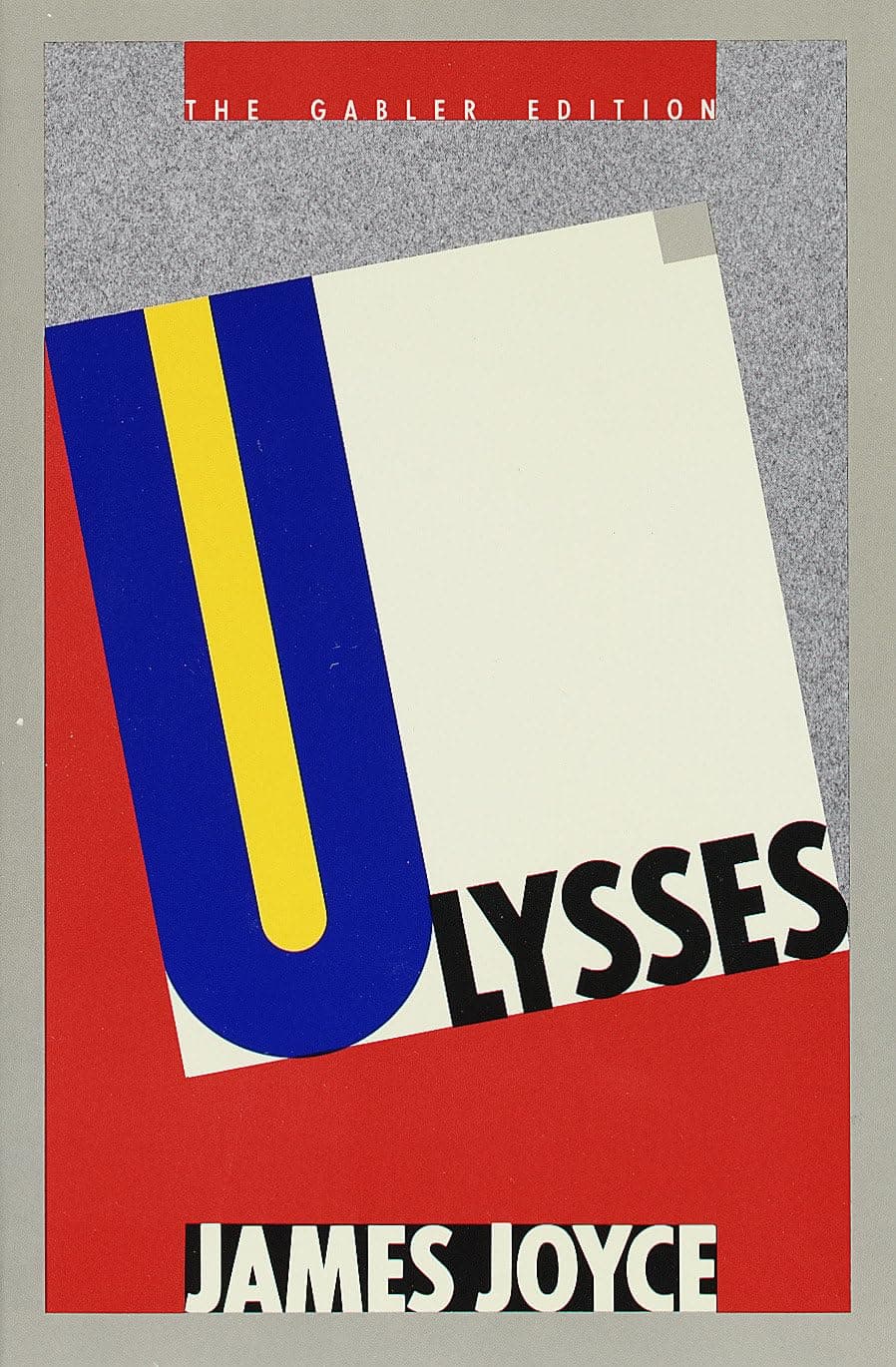 #1View Book
Ulysses
James Joyce
Challenging•35-40 hours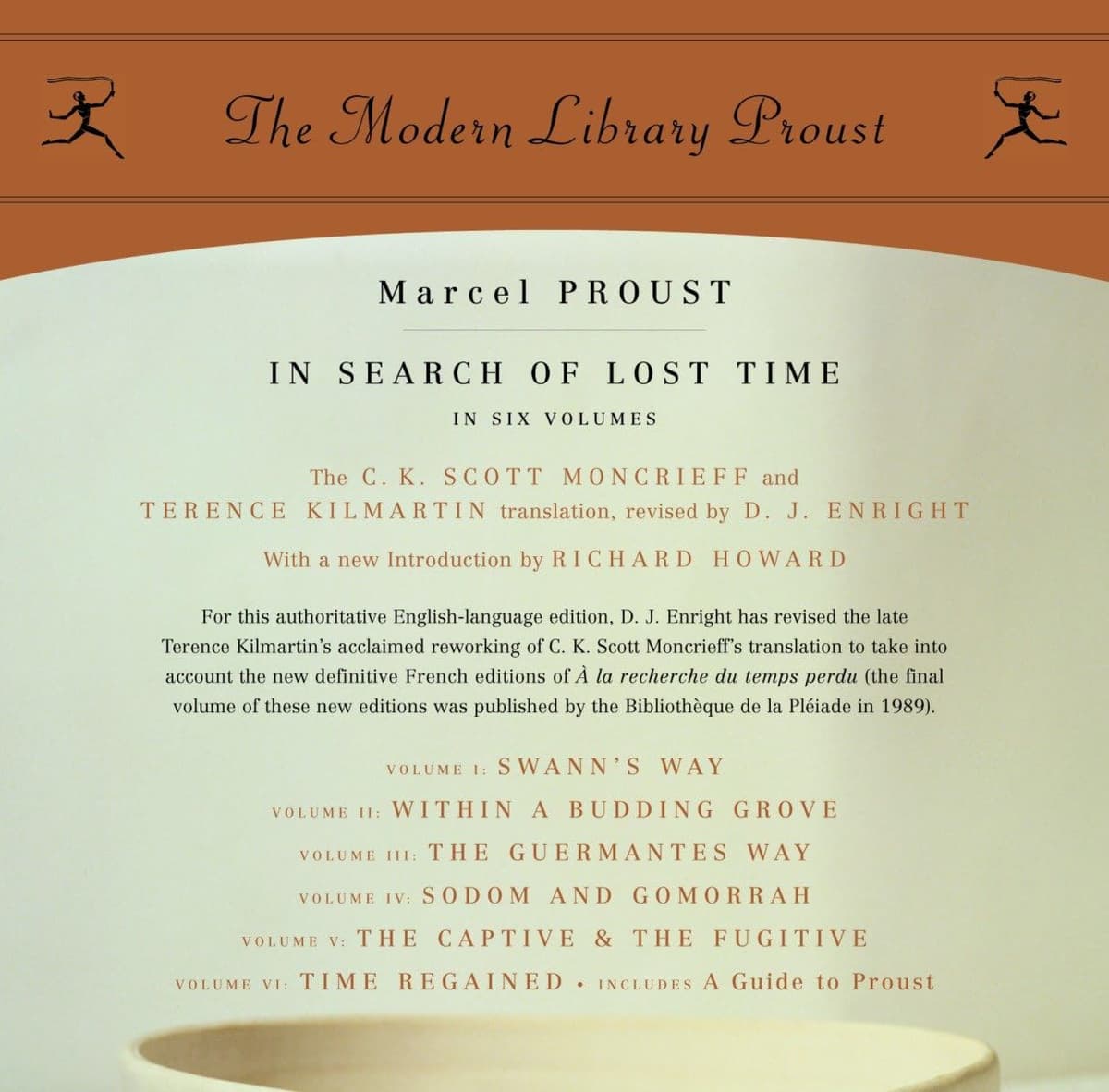 #2View Book
In Search of Lost Time
Marcel Proust
High•100+ hours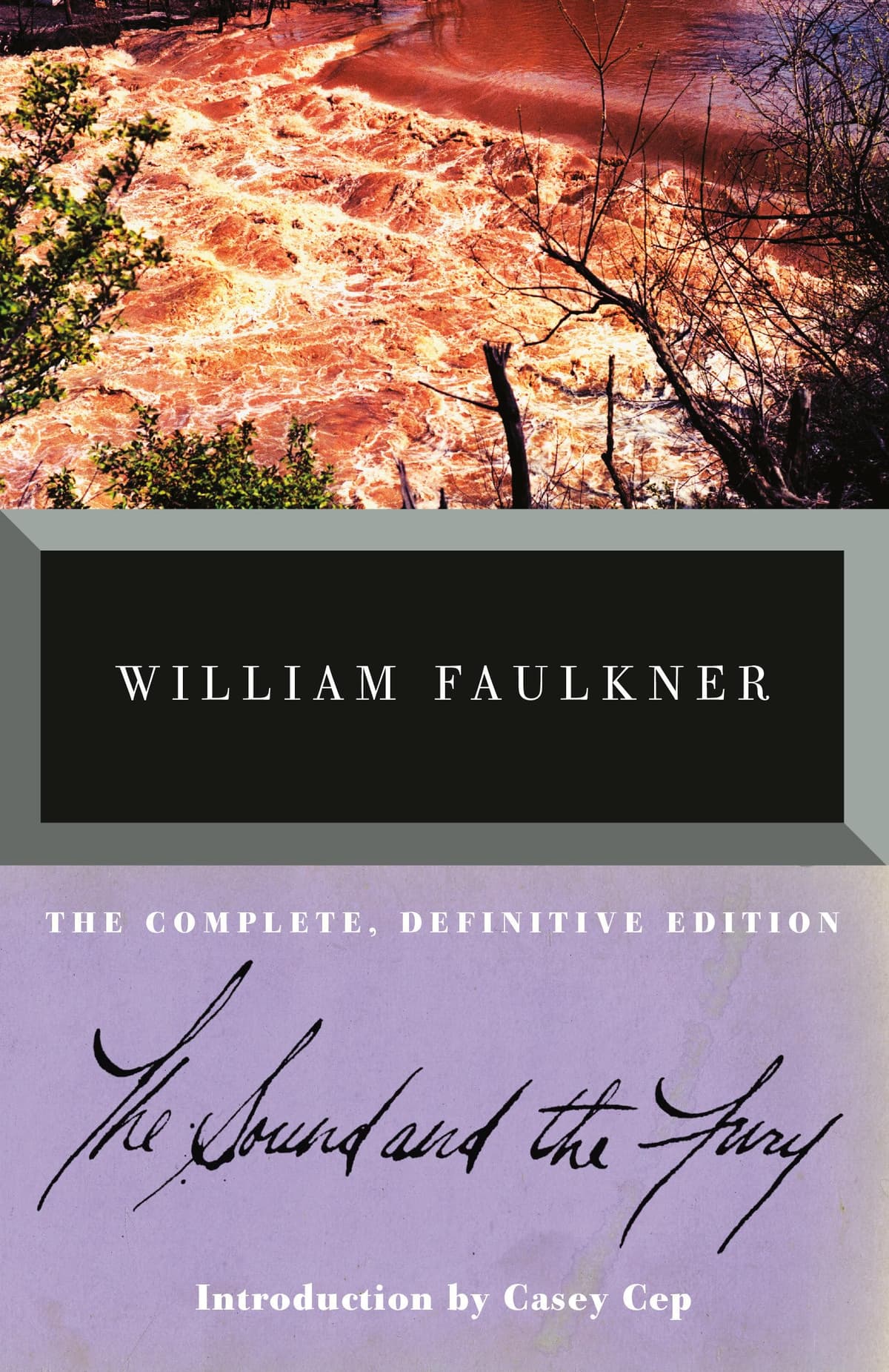 #8View Book
The Sound and the Fury
William Faulkner
Very High•12-15 hours #13View Book
Lolita
Vladimir Nabokov
Challenging•12-15 hours
Browse more collections