Embers
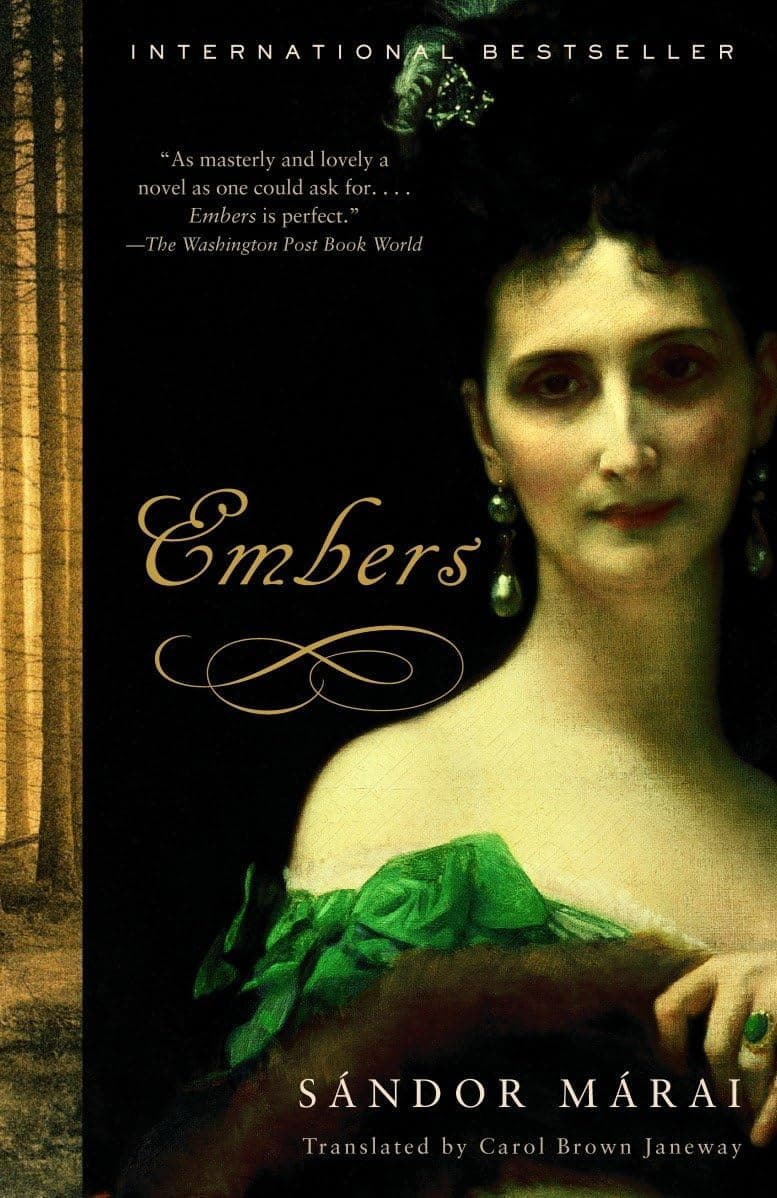
“Every relationship between two people is a vast and complex wilderness.”
Embers Summary
In a remote Hungarian castle at the edge of a primeval forest, an aging general named Henrik has waited forty-one years for this night. His former best friend Konrad, once closer to him than a brother, has finally returned after decades of unexplained absence. Over the course of a single evening, as candles burn low and an ancient servant moves silently through the rooms, Henrik confronts Konrad with the questions that have consumed his life: Was there a betrayal? Did Konrad and Henrik's wife share a secret love? And on that long-ago hunting trip, when Konrad aimed his rifle, was it truly pointed at a deer? The novel unfolds almost entirely as Henrik's monologue, a torrent of memory, accusation, and philosophical reflection that peels back layer after layer of a friendship forged in youth and destroyed by passion.
Márai's Embers is a masterpiece of psychological fiction, a novel that explores how a single unresolved moment can calcify into a lifetime of obsession. The book operates with the formal precision of a chamber piece: two old men, one castle, one night, and decades of silence finally broken. Márai examines the nature of friendship with the same seriousness that other novelists reserve for romantic love, asking whether the bonds formed in youth are the truest we ever know and what happens when those bonds are severed by desire and betrayal. Written on the eve of Hungary's destruction in World War II, the novel also functions as an elegy for a vanished world of aristocratic honor and European civilization. Its prose style is deliberate, hypnotic, and relentless, building tension not through action but through the accumulating weight of memory and the devastating precision of long-deferred truth.
Why Read Embers?
If you are drawn to novels that achieve their power through restraint rather than spectacle, Embers will mesmerize you. Márai constructs an entire world from the simplest of premises: two old men, a castle, a night of reckoning. As Henrik speaks, you will find yourself drawn into a web of memory and suspicion so finely spun that every sentence tightens the tension. This is a book about what it means to carry an unanswered question for an entire lifetime, and reading it, you will recognize something uncomfortably true about the way unresolved pain can become the organizing principle of an existence. Few novels capture the psychology of obsession with such devastating clarity.
You should also read Embers because it is one of the great rediscoveries of modern literature. Márai was virtually unknown in the English-speaking world until this novel was translated in 2001, and its appearance was a revelation. Here was a writer of the first rank who could stand alongside Thomas Mann and Stefan Zweig, a chronicler of Old Europe's twilight who understood that civilization is held together by codes of honor that are as fragile as they are necessary. The novel's exploration of friendship, loyalty, and the corrosive power of secrets feels timeless, and its portrait of aging and loneliness is among the most unflinching in all of fiction.
About Sándor Márai
Sándor Márai was born in 1900 in Kassa, then part of the Austro-Hungarian Empire, into a prosperous bourgeois family of Saxon origin. He studied journalism in Leipzig and Berlin, lived in Paris and Florence, and returned to Hungary to become one of the most celebrated writers of his generation. His novels, plays, and essays made him a household name in pre-war Hungary, and he was widely regarded as the country's finest prose stylist. When the Communists came to power after World War II, Márai's works were banned and his name was erased from Hungarian literary history. He emigrated in 1948, living in Italy, New York, and finally San Diego, where he spent his last decades in near-total obscurity, writing prolifically in a language almost no one around him could read.
Márai's posthumous rediscovery in the late 1990s and early 2000s ranks among the most dramatic literary resurrections of the modern era. When Embers was translated into English and other languages, critics hailed him as a lost master of European fiction, a writer who combined the psychological penetration of Dostoevsky with the formal elegance of the Viennese tradition. His work has since been translated into dozens of languages and has found millions of readers worldwide. Márai's life and career embody the tragedies of twentieth-century Central Europe: the destruction of a cosmopolitan civilization by fascism and communism, and the exile of an entire literary culture. He took his own life in 1989, just months before the fall of the Berlin Wall that might have restored him to his homeland.
Reading Guide
Ranked #456 among the greatest books of all time, Embers by Sándor Márai has earned its place in the literary canon. Originally written in Hungarian and published in 1942, this moderate read from Hungary continues to resonate with readers today.
This book belongs to our Love & Loss collection, where you can discover more books that share its spirit and themes.
If you enjoy moderate reads like this one, you might also like One Hundred Years of Solitude, Nineteen Eighty-Four, or Wuthering Heights.
From the Love & Loss Collection
If you enjoyed Embers, discover more masterpieces that share its spirit.
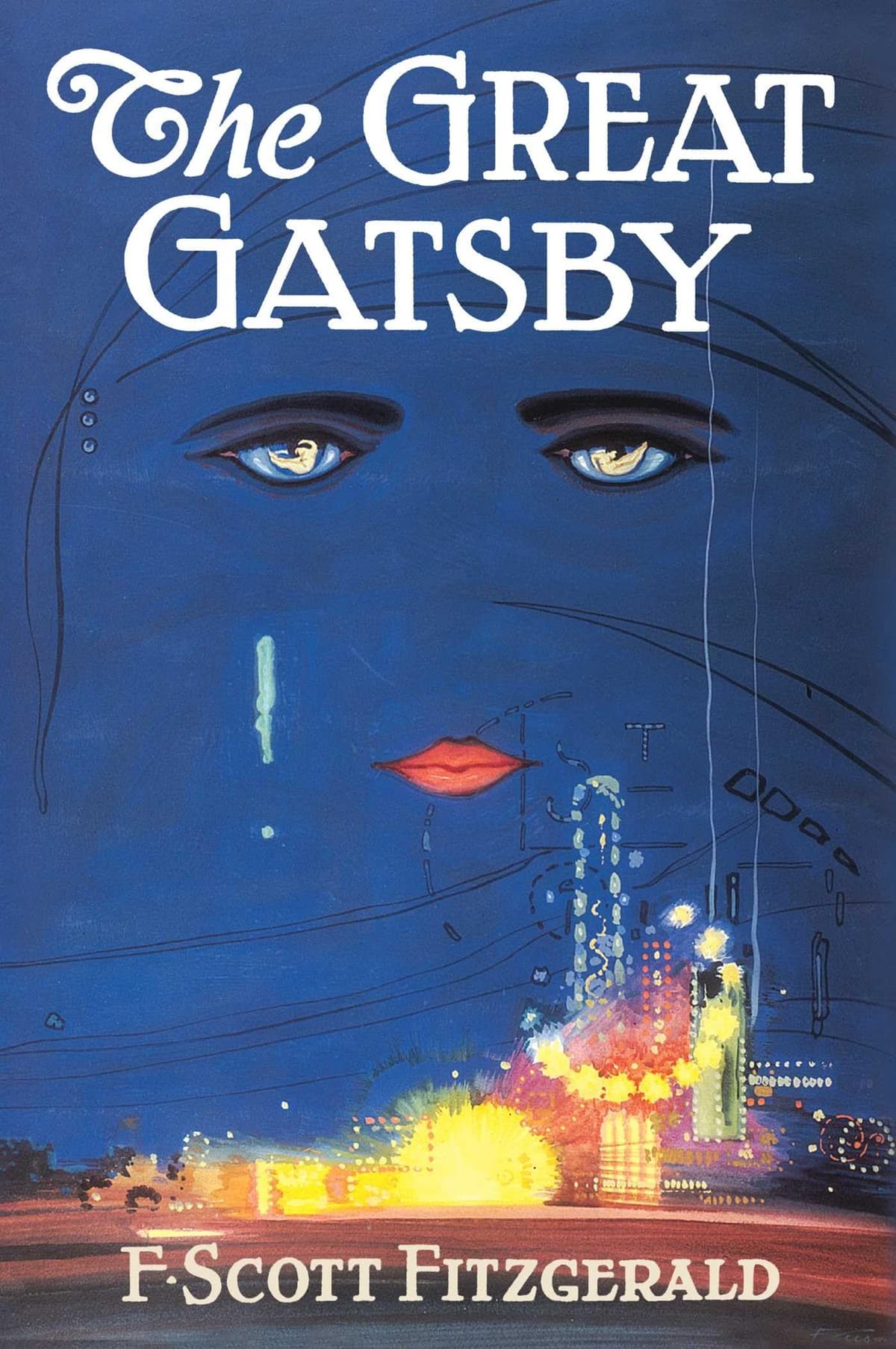 #3View Book
The Great Gatsby
F. Scott Fitzgerald
Accessible•5-6 hours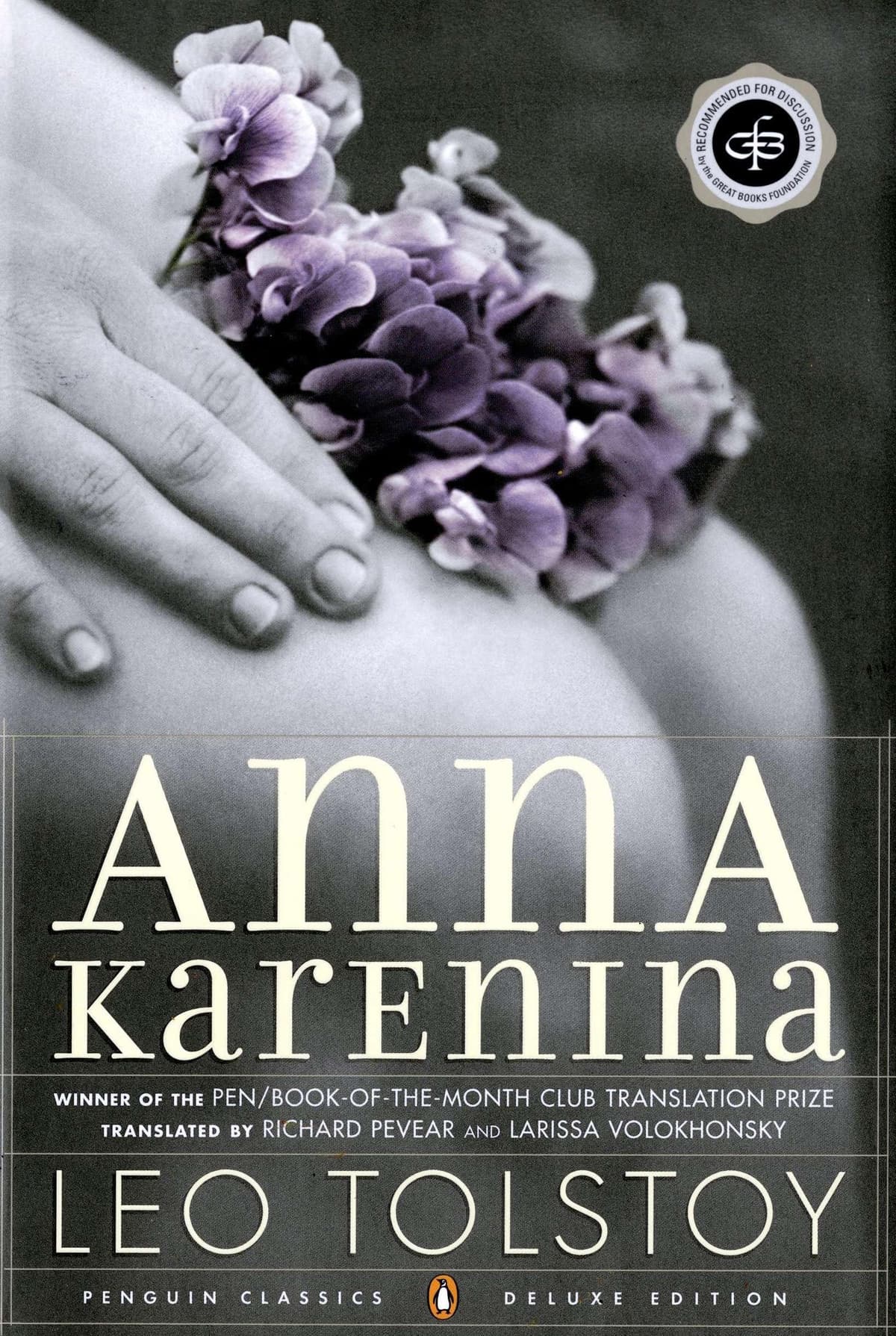 #10View Book
Anna Karenina
Leo Tolstoy
High•30-35 hours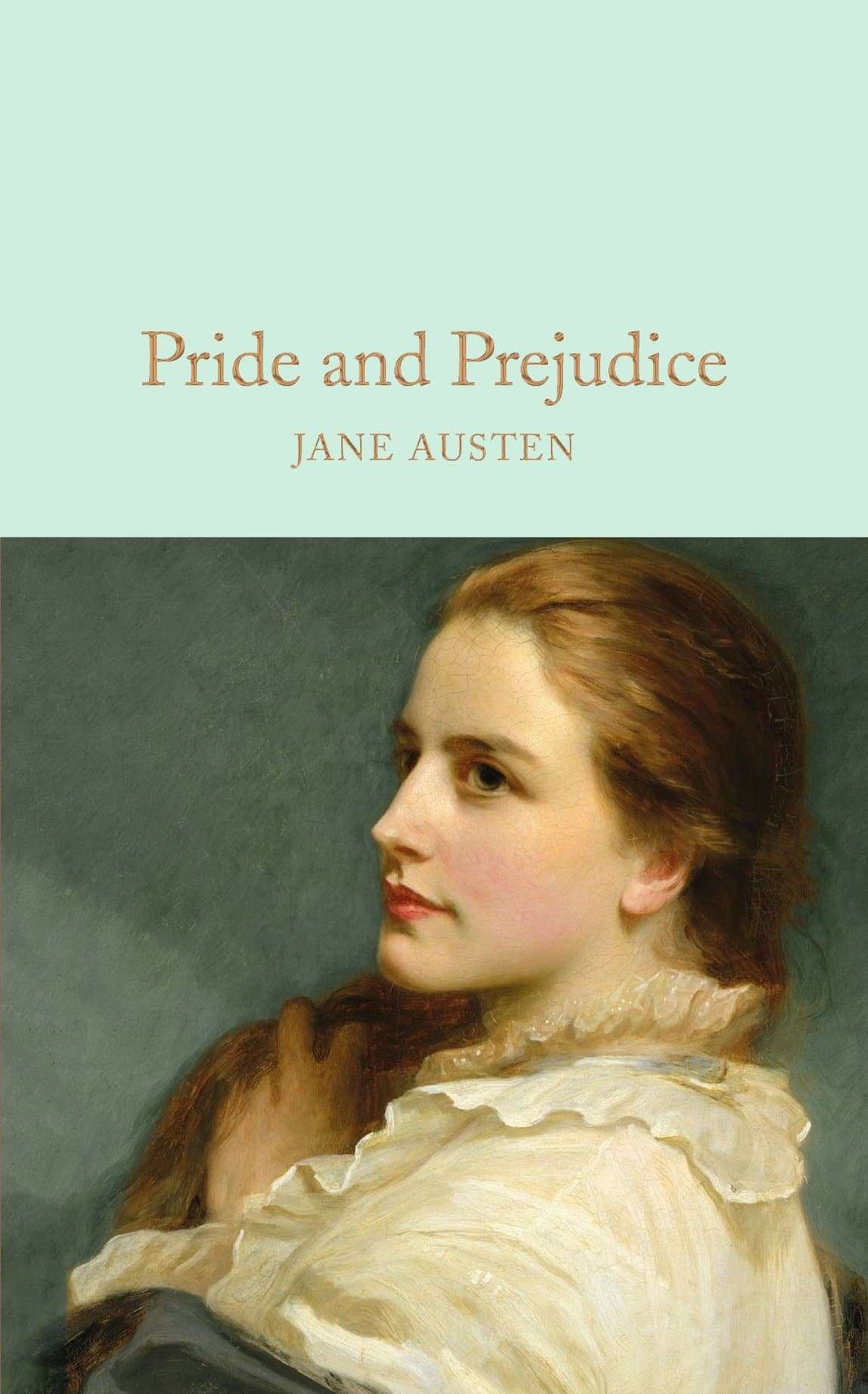 #12View Book
Pride and Prejudice
Jane Austen
Accessible•10-12 hours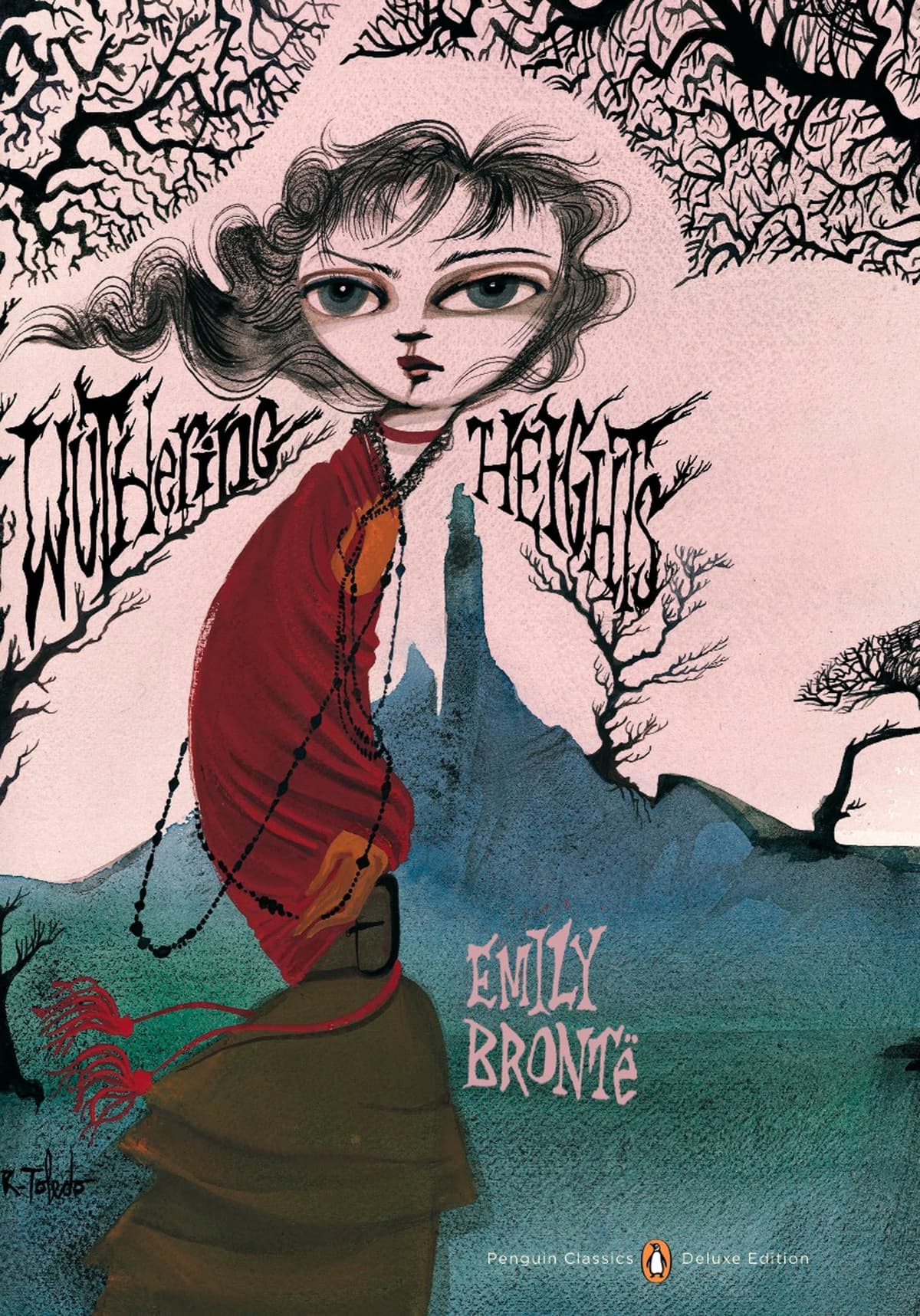 #15View Book
Wuthering Heights
Emily Brontë
Moderate•10-12 hours
Browse more collections