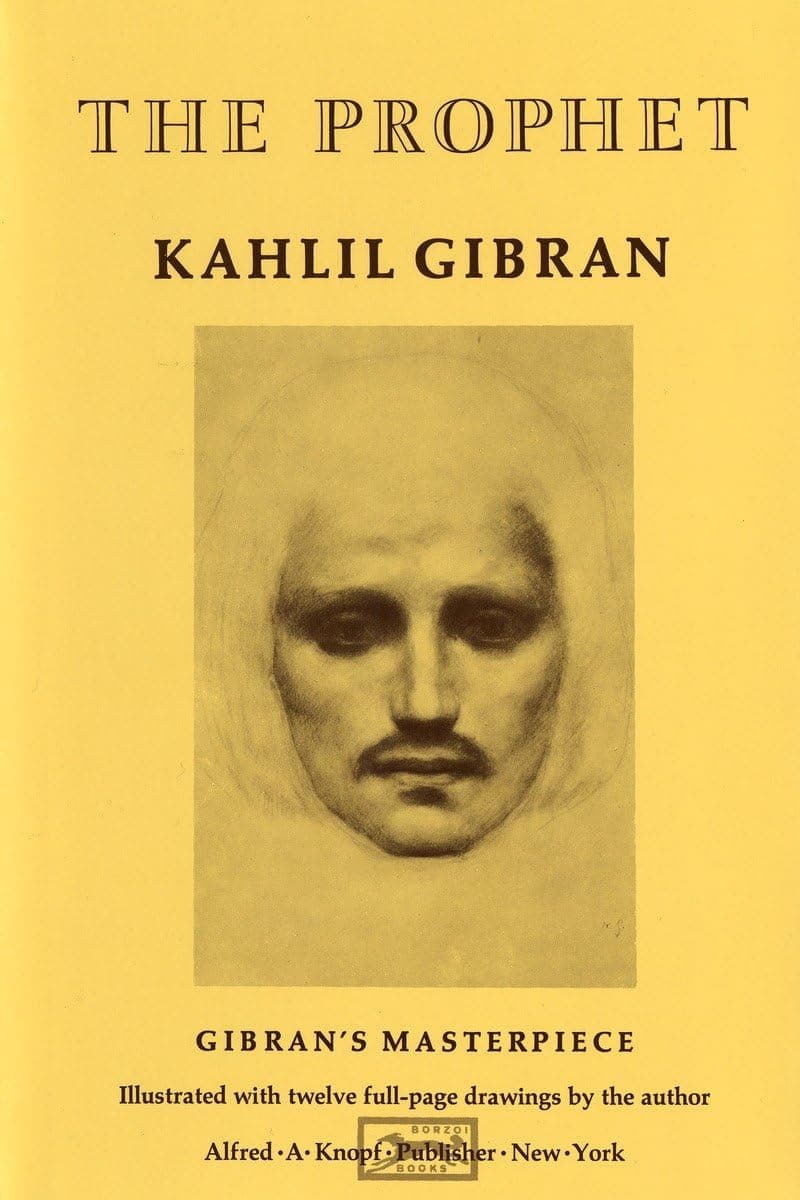
The Prophet
“Your children are not your children. They are the sons and daughters of Life's longing for itself.”
The Prophet Summary
The Prophet follows Almustafa, a wise man who has lived twelve years in the city of Orphalese, as he prepares to board a ship that will carry him home. Before he departs, the people of the city gather around him, and one by one they ask him to speak on the great subjects of human existence. In twenty-six poetic essays, Almustafa offers his reflections on love, marriage, children, work, joy and sorrow, freedom, pain, friendship, beauty, death, and more. Each meditation unfolds like a parable drawn from nature and the rhythms of daily life, rendered in language that moves between the earthly and the transcendent. The people listen with reverence, and when his ship finally arrives, Almustafa departs with the promise that he will return.
Gibran's masterwork occupies a singular place in world literature, standing at the crossroads of Eastern mysticism and Western Romantic tradition. The book draws on Sufi spirituality, the parables of the New Testament, the philosophy of Nietzsche, and the visionary poetry of William Blake to create something entirely its own. Its genius lies in its radical accessibility: Gibran distills the most profound questions of existence into language so luminous and direct that it has been read at weddings, funerals, and moments of personal crisis for over a century. The Prophet resists easy categorization, belonging as much to the tradition of wisdom literature as to modern poetry. Its enduring popularity speaks to a universal hunger for meaning articulated without dogma, offering spiritual counsel that transcends any single religious tradition while honoring the sacred dimension of ordinary human experience.
Why Read The Prophet?
If you have ever stood at one of life's great thresholds and wished for words equal to the moment, The Prophet is the book you need. Gibran writes about love, grief, children, work, and death with a clarity that feels almost supernatural, as though he has distilled centuries of human wisdom into sentences you can carry in your pocket. Whether you are preparing for a wedding, mourning a loss, or simply trying to understand what it means to live well, these pages offer counsel that is at once ancient and startlingly immediate. There is a reason this slim volume has sold over one hundred million copies: it speaks to something elemental in us.
You should also read The Prophet because it is one of the great stylistic achievements of the twentieth century. Gibran forged a voice that blends the cadences of the King James Bible with the imagery of Sufi mysticism, creating prose poetry of extraordinary beauty. Each essay is brief enough to read in minutes but rich enough to contemplate for years. It is the rare book that belongs equally on a nightstand, a lectern, and a mountaintop. Reading it, you will find lines that seem to articulate thoughts you have always felt but never been able to express, and that is Gibran's most remarkable gift: making the universal feel intensely personal.
About Kahlil Gibran
Kahlil Gibran was born in 1883 in the mountain village of Bsharri in Ottoman-ruled Lebanon. His family emigrated to Boston when he was twelve, and he grew up navigating two cultures, two languages, and two artistic traditions. He studied art in Paris, became a painter of considerable reputation, and began publishing Arabic-language essays and stories that made him a literary celebrity in the Arab world. In 1923, writing in English, he published The Prophet, which became one of the best-selling books of the twentieth century. Gibran lived most of his adult life in New York City, where he was the center of a vibrant circle of artists and intellectuals, though he was plagued by poor health and alcoholism. He died in 1931 at the age of forty-eight.
Gibran's legacy is vast and multifaceted. He is the third best-selling poet in history, behind Shakespeare and Lao Tzu, and The Prophet has been translated into over one hundred languages. His influence extends far beyond literature: his aphorisms have entered common parlance, his ideas about love and freedom shaped the counterculture of the 1960s, and his paintings hang in major museums worldwide. In the Arab world, he is revered as a pioneer of modern Arabic literature who helped liberate prose from classical formalism. Gibran demonstrated that a writer could belong to multiple traditions simultaneously, and his work remains a bridge between East and West, the mystical and the modern.
Reading Guide
Ranked #455 among the greatest books of all time, The Prophet by Kahlil Gibran has earned its place in the literary canon. Originally written in English and published in 1923, this accessible read from Lebanon continues to resonate with readers today.
This book belongs to our Philosophy & Faith collection, where you can discover more books that share its spirit and themes.
If you enjoy accessible reads like this one, you might also like The Great Gatsby, The Catcher in the Rye, or Pride and Prejudice.
From the Philosophy & Faith Collection
If you enjoyed The Prophet, discover more masterpieces that share its spirit.
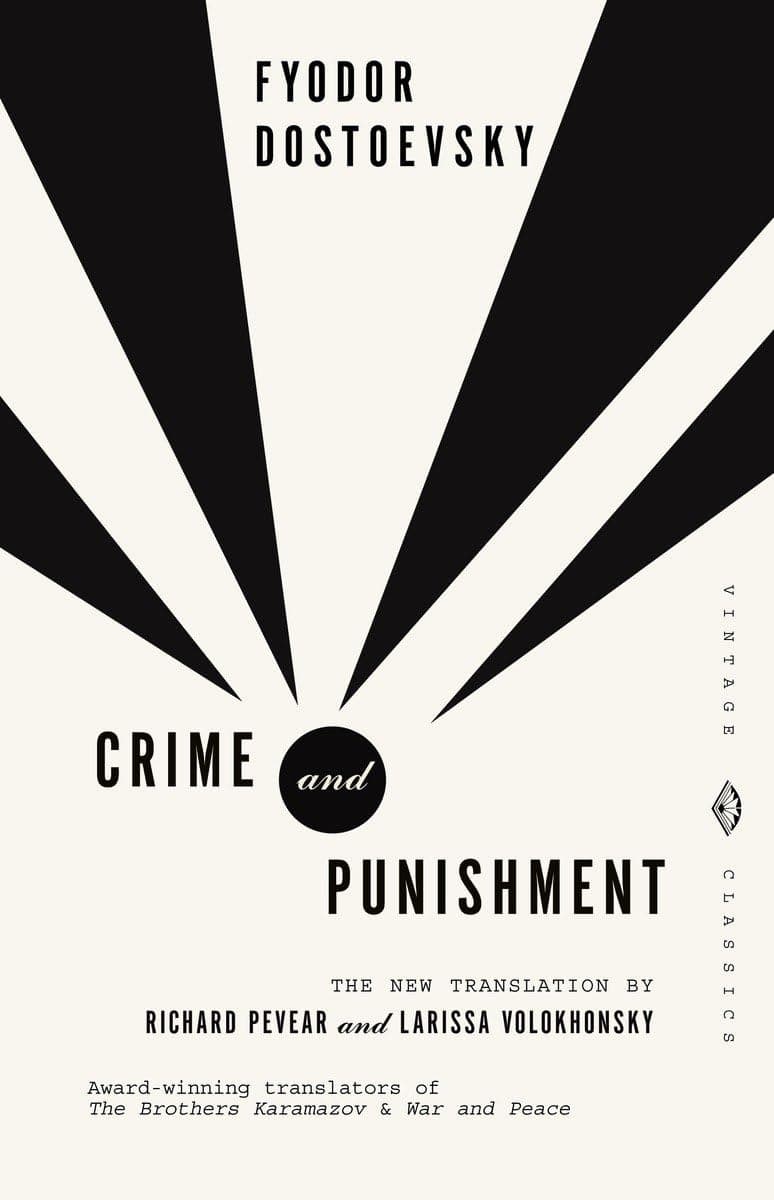 #11View Book
Crime and Punishment
Fyodor Dostoevsky
High•20-25 hours #18View Book
The Bible
Various
Variable•60-80 hours #19View Book
The Brothers Karamazov
Fyodor Dostoevsky
Very High•35-40 hours #21View Book
The Stranger
Albert Camus
Moderate•3-4 hours
Browse more collections