The Man Who Loved Children
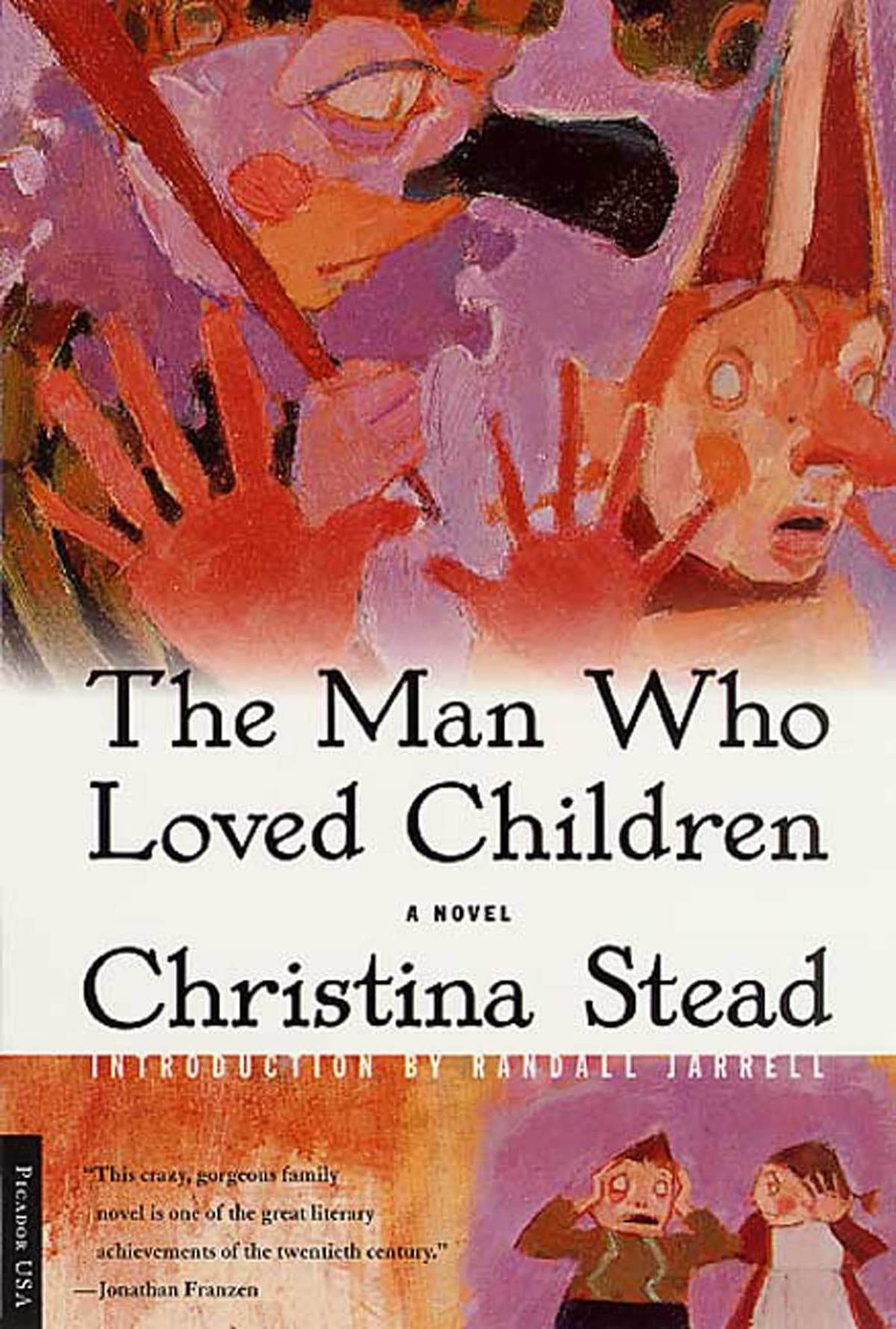
“Everyone has a father, or had one, and everyone could be a father; but who has had a father like Sam Pollit?”
The Man Who Loved Children Summary
Sam Pollit is a man in love with himself and with the idea of himself as a benevolent father, a great man, a friend to all children and all peoples. He is, in truth, a monstrous narcissist whose boundless self-regard consumes the oxygen in every room and every relationship. His wife Henny is his opposite in every way: where Sam floats on clouds of idealism and self-congratulation, Henny is trapped in the grinding reality of debt, exhaustion, and a marriage that has become a prison of mutual loathing. Between them stand their six children, chief among them Louisa, Sam's daughter from his first marriage, who at eleven is old enough to see both parents clearly and young enough to be destroyed by what she sees. The household is a war zone, with Sam and Henny conducting their battle through the children, through money, through an endless stream of bitter words that Christina Stead transcribes with the unflinching accuracy of a court reporter. The novel chronicles the intensification of this domestic catastrophe over the course of a year, as financial ruin, Sam's deluded political ambitions, and Henny's desperate isolation push the family toward an act of violence that Louisa, in her confused and terrible wisdom, decides is the only way out.
The Man Who Loved Children is one of the great hidden masterpieces of twentieth-century fiction, a novel that was almost completely forgotten after its initial publication in 1940 until Randall Jarrell championed its reissue in 1965 with an introduction that ranks among the finest pieces of literary criticism ever written. Stead's achievement is the creation of Sam Pollit, one of the most terrifyingly realized characters in all of literature, a man whose love for his children is a form of tyranny, whose idealism is a weapon, and whose cheerful, relentless monologues are instruments of psychological domination. The novel's vision of family life as a power struggle conducted through language is unsurpassed. Stead understood that the family is not a refuge from the political world but a microcosm of it, a site where love and cruelty, dependence and resistance, idealism and exploitation exist in their most concentrated and inescapable forms.
Why Read The Man Who Loved Children?
The Man Who Loved Children is one of those books that readers who have found it press upon friends with evangelical urgency, because to read it is to feel that an essential truth about family life has been spoken aloud for the first time. Christina Stead understood something about the dynamics of power within families that most novelists are too polite or too frightened to articulate: that love can be a form of tyranny, that idealism can be a weapon, and that children are the prisoners of their parents' wars. If you grew up in a difficult household, this novel will shock you with its recognition. If you did not, it will show you a world that is no less real for being unfamiliar.
Sam Pollit is one of the most extraordinary characters in fiction, a man whose monstrousness is inseparable from his charm, whose love for his children is genuine and devastating, and whose voice, once heard, is impossible to forget. Stead gives you hundreds of pages of his talk, his baby talk, his sermonizing, his wheedling, his bullying, and the cumulative effect is suffocating and mesmerizing in equal measure. This is not an easy book, but it is an essential one, a novel that tells the truth about the most fundamental of human institutions with a ferocity and a brilliance that justify every page of its considerable length.
About Christina Stead
Christina Ellen Stead was born in 1902 in Rockdale, a suburb of Sydney, Australia. Her mother died when she was an infant, and she was raised by her father, a naturalist and marine biologist whose larger-than-life personality and domineering love provided the raw material for Sam Pollit. She left Australia in 1928, lived in London, Paris, and New York, and spent most of her adult life in Europe and America with her partner, the Marxist writer and banker William Blake. Her early novels, including Seven Poor Men of Sydney and The Beauties and Furies, established her as a writer of fierce intelligence and uncompromising vision.
The Man Who Loved Children, published in 1940, was a commercial failure and went out of print, a fate that seemed to confirm Stead's growing invisibility in the literary world. It was not until 1965, when the poet and critic Randall Jarrell wrote a passionate introduction for a new edition, calling it one of the great novels of the twentieth century, that the book found its audience. Stead returned to Australia in 1974 after decades of exile and received belated recognition, including the inaugural Patrick White Award. She died in 1983. Her reputation has continued to grow, and The Man Who Loved Children is now widely regarded as one of the most powerful novels about family ever written, a work of savage insight and extraordinary linguistic virtuosity that belongs in the company of the greatest fiction of the modern era.
Reading Guide
Ranked #454 among the greatest books of all time, The Man Who Loved Children by Christina Stead has earned its place in the literary canon. Originally written in English and published in 1940, this challenging read from Australia continues to resonate with readers today.
This book belongs to our Love & Loss collection, where you can discover more books that share its spirit and themes.
If you enjoy challenging reads like this one, you might also like Ulysses, Moby-Dick, or Lolita.
From the Love & Loss Collection
If you enjoyed The Man Who Loved Children, discover more masterpieces that share its spirit.
 #3View Book
The Great Gatsby
F. Scott Fitzgerald
Accessible•5-6 hours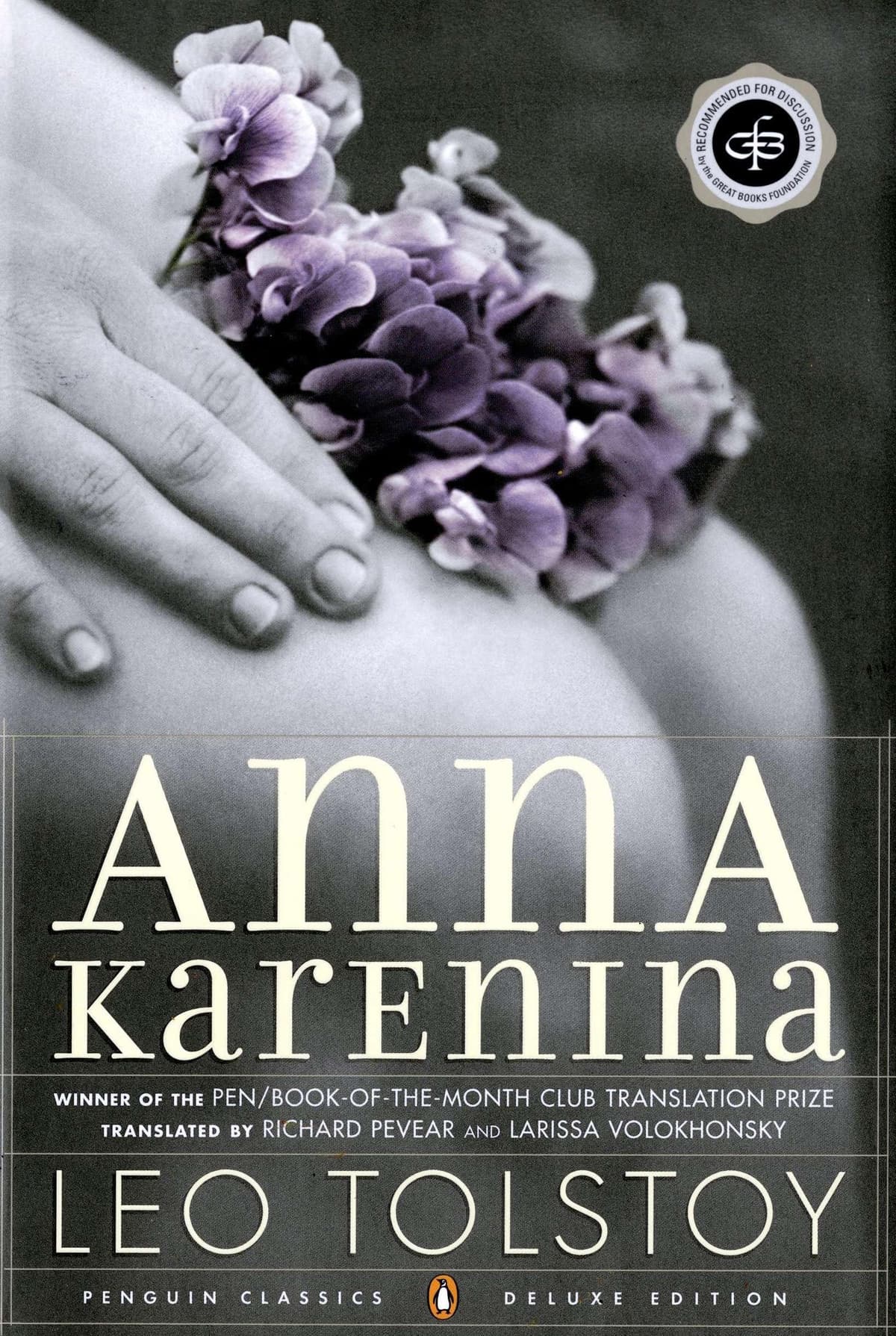 #10View Book
Anna Karenina
Leo Tolstoy
High•30-35 hours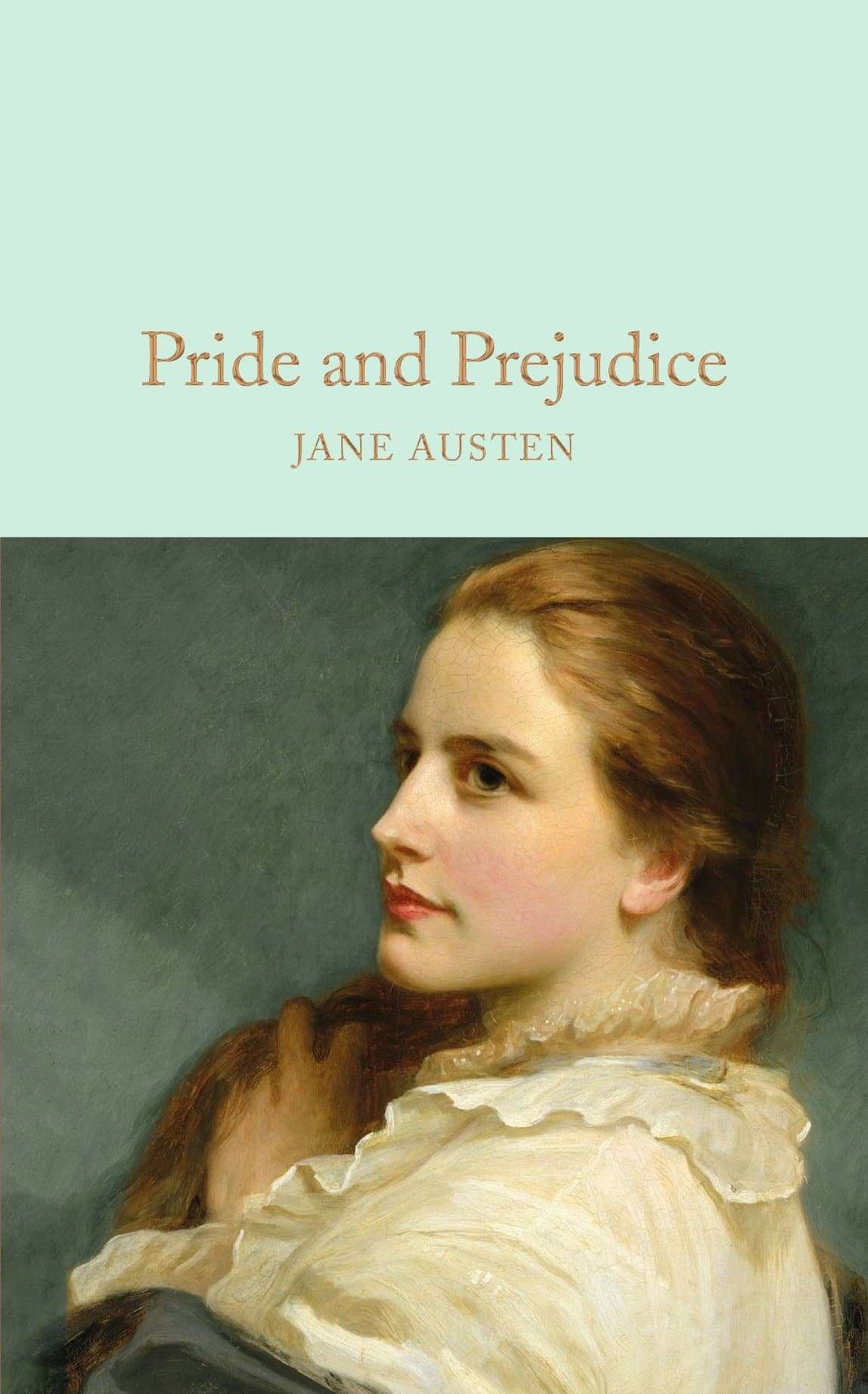 #12View Book
Pride and Prejudice
Jane Austen
Accessible•10-12 hours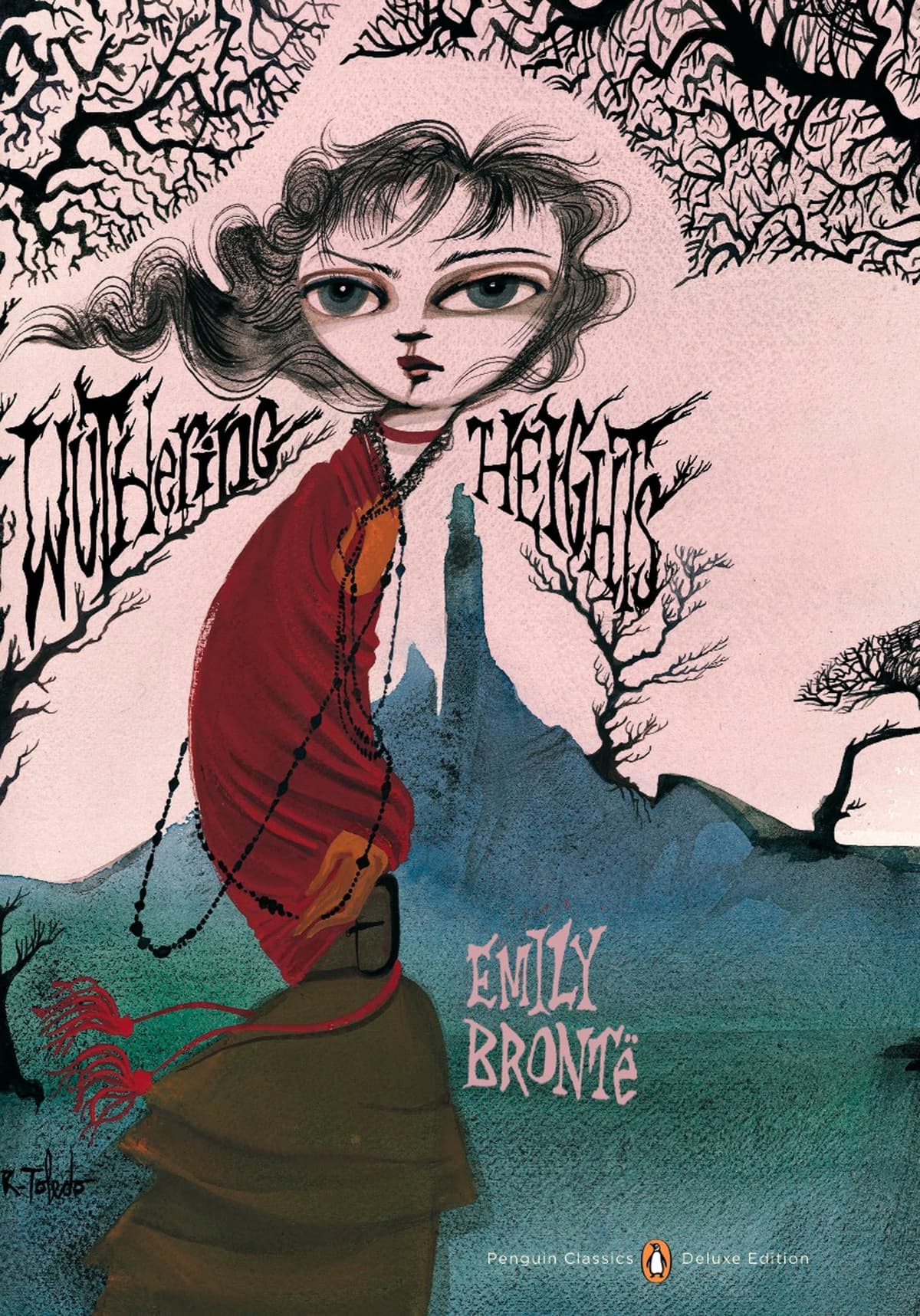 #15View Book
Wuthering Heights
Emily Brontë
Moderate•10-12 hours
Browse more collections