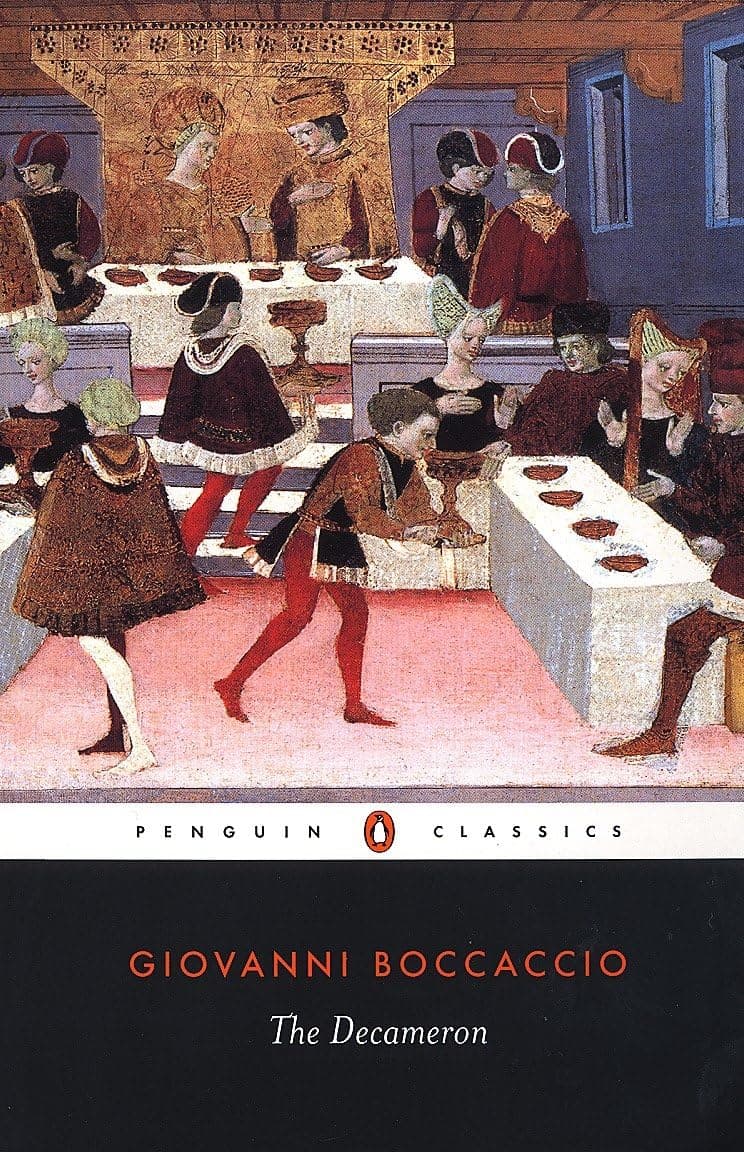
A Sentimental Education
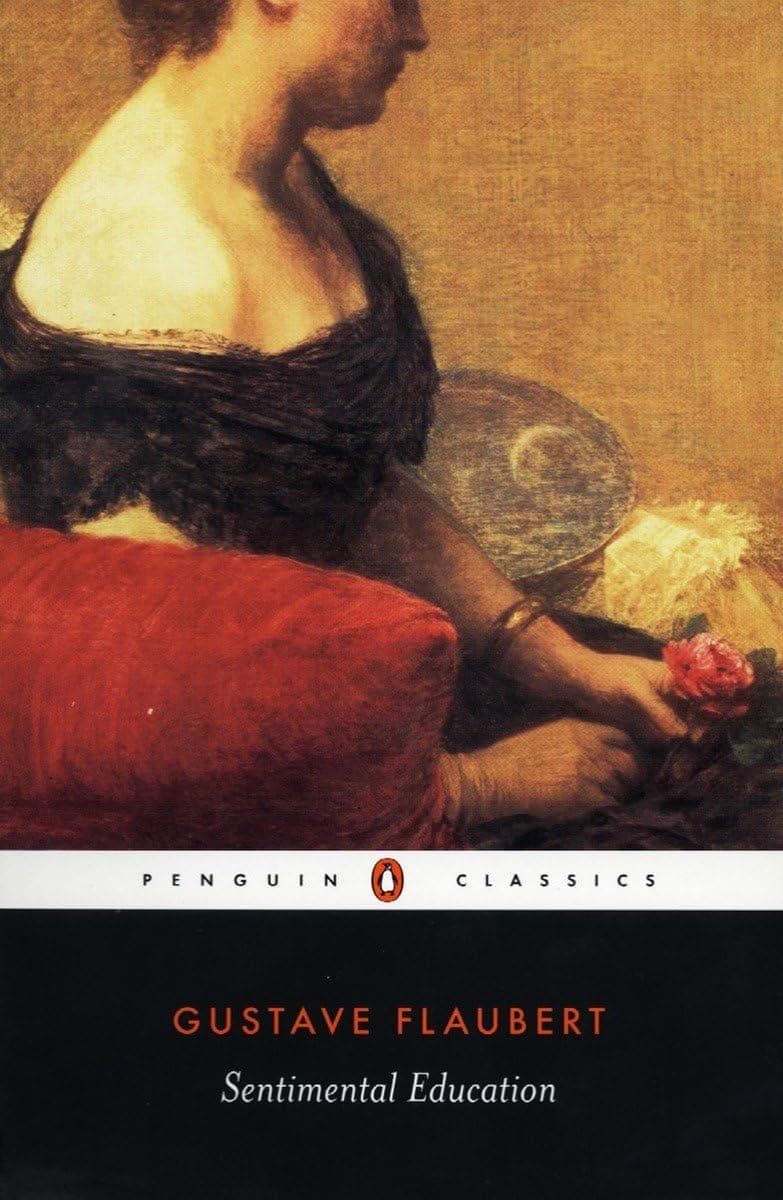
“He loved her without reservation, without hope, unconditionally.”
A Sentimental Education Summary
Frédéric Moreau is eighteen years old when he first sees Madame Arnoux on a steamboat on the Seine, and in that instant his life acquires its single, defining obsession. He follows her to Paris, befriends her husband, and spends the next two decades circling her like a moth around a flame—never quite possessing, never quite letting go. Around his private fixation, history erupts: the Revolution of 1848, the fall of the July Monarchy, the rise and collapse of the Second Republic, barricades in the streets and blood on the cobblestones.
Flaubert called this 'the moral history of the men of my generation,' and it is the most merciless portrait of wasted potential ever written. Frédéric drifts through love affairs, political enthusiasms, artistic ambitions, and financial schemes, committing fully to none of them. The novel's genius lies in its relentless irony: Flaubert charts his hero's sentimental education with surgical precision, revealing that the education consists entirely of learning nothing at all.
Why Read A Sentimental Education?
A Sentimental Education is the novel that novelists revere. Flaubert's prose is so precisely calibrated that every sentence carries the weight of a verdict. Where Madame Bovary dissected the romantic illusions of a provincial woman, this novel performs the same operation on an entire generation of Parisian men—their political posturing, their half-hearted ambitions, their inability to distinguish between passion and vanity. It is one of the most devastating depictions of mediocrity in all of literature.
And yet it is not a cold book. Flaubert's irony is tinged with melancholy, and the final pages—in which Frédéric and his old friend Deslauriers look back on their youth and agree that the best thing that ever happened to them was something that never happened at all—rank among the most heartbreaking in fiction. A Sentimental Education taught Proust, Joyce, and every subsequent novelist how to use the passage of time as the true subject of a novel.
About Gustave Flaubert
Gustave Flaubert (1821–1880) spent five years writing Madame Bovary and was prosecuted for obscenity upon its publication in 1857. The trial made him famous, and the novel made him immortal. Born in Rouen to a family of doctors, Flaubert devoted his life to the pursuit of le mot juste—the perfect word—and his agonizing compositional process became legendary. He could spend a week on a single page.
Flaubert's influence on the modern novel is immeasurable. He pioneered the style indirect libre—free indirect discourse—that allowed the narrator to inhabit a character's consciousness without quotation marks. His insistence on authorial objectivity and stylistic perfection shaped generations of writers from Maupassant (his protégé) to Joyce, Proust, and Nabokov. He remains the patron saint of literary craft.
Reading Guide
Ranked #125 among the greatest books of all time, A Sentimental Education by Gustave Flaubert has earned its place in the literary canon. Originally written in French and published in 1869, this moderate read from France continues to resonate with readers today.
This book belongs to our Love & Loss and Society & Satire collections, where you can discover more books that share its spirit and themes.
If you enjoy moderate reads like this one, you might also like One Hundred Years of Solitude, Nineteen Eighty-Four, or Wuthering Heights.
From the Love & Loss Collection
If you enjoyed A Sentimental Education, discover more masterpieces that share its spirit.
 #3View Book
The Great Gatsby
F. Scott Fitzgerald
Accessible•5-6 hours #10View Book
Anna Karenina
Leo Tolstoy
High•30-35 hours #12View Book
Pride and Prejudice
Jane Austen
Accessible•10-12 hours #15View Book
Wuthering Heights
Emily Brontë
Moderate•10-12 hours
Browse more collections