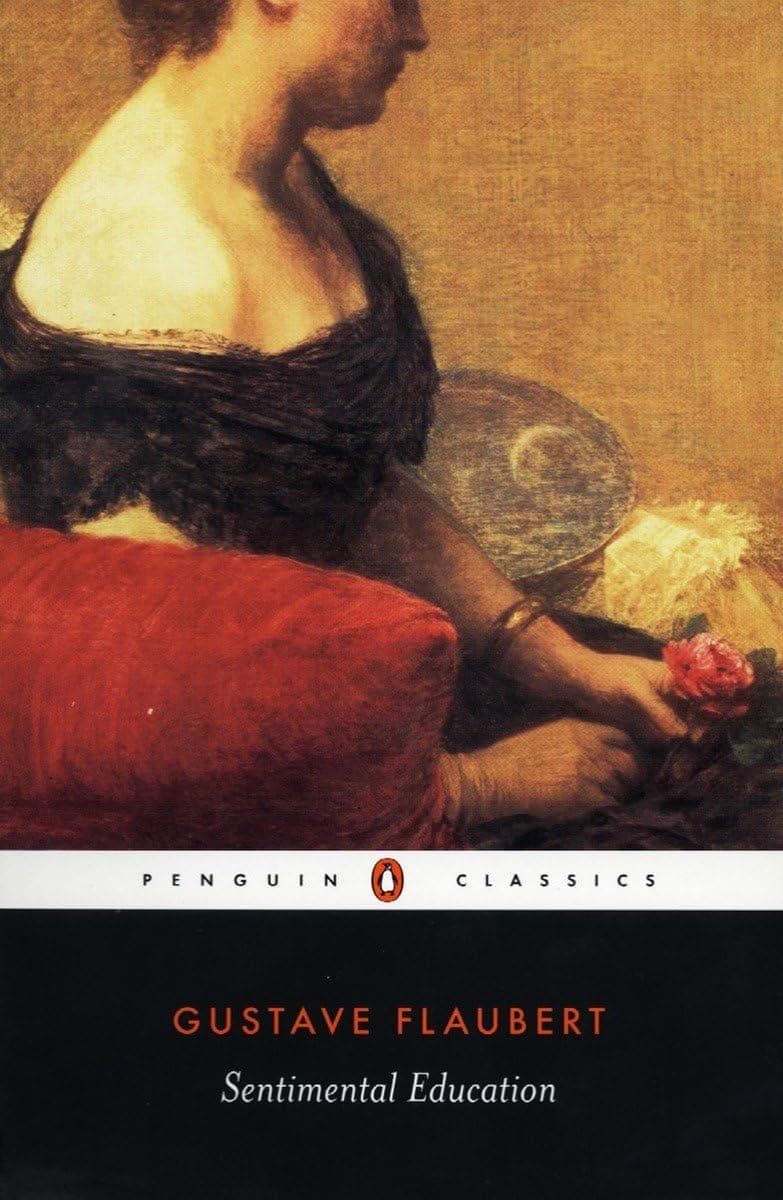
Tom Jones
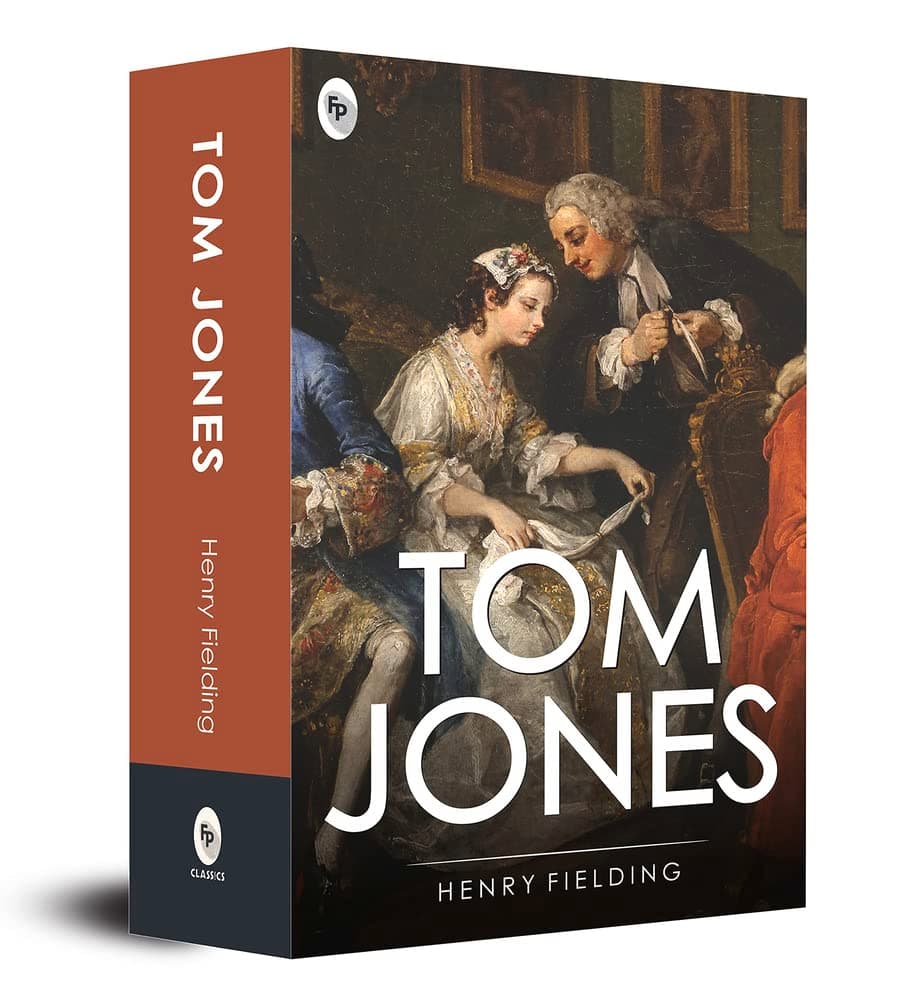
“It is not death, but dying, which is terrible.”
Tom Jones Summary
A baby is found in the bed of the wealthy, kind-hearted Squire Allworthy, and raised as a foundling under the name Tom Jones. Tom grows into a generous, impulsive, irresistibly charming young man whose principal flaw is an inability to resist temptation—particularly of the female variety. When the scheming Blifil, Allworthy's legitimate nephew, engineers Tom's banishment, our hero takes to the open road, pursued by mishaps, romantic entanglements, and a cast of rogues, hypocrites, and fortune-hunters, all while desperately in love with the beautiful Sophia Western.
Fielding called his novel a 'comic epic poem in prose,' and the description is perfect. Tom Jones is a vast, rollicking, gloriously plotted picaresque that moves from the Somerset countryside to the bawdy streets of London with the energy of a stagecoach at full gallop. But Fielding is also a sharp moralist beneath the comedy—his narrator interrupts the action with witty essays on human nature, hypocrisy, and the art of fiction itself, making this one of the first novels to be fully conscious of its own form.
Why Read Tom Jones?
Tom Jones is one of the great joyous experiences in literature. Fielding writes with a gusto and generosity of spirit that is impossible to resist—his hero sins cheerfully, repents sincerely, and stumbles into more trouble before breakfast than most characters encounter in a lifetime. The plot is a marvel of construction, with every subplot and coincidence snapping into place with the precision of a Swiss watch, building to a series of revelations that rival the best detective fiction.
But the novel's real achievement is its philosophy. Fielding draws a crucial distinction between goodness of heart and mere propriety. Tom is flawed—reckless, lustful, imprudent—but he is genuinely good. Blifil is outwardly virtuous and inwardly rotten. Fielding insists that warmth, honesty, and compassion matter more than rigid moral codes, and he makes this argument with such infectious wit that you cannot help but agree. It is the foundational comic novel in English, and it has never been surpassed.
About Henry Fielding
Henry Fielding (1707–1754) was a playwright, magistrate, and one of the founders of the English novel. After a successful career in satirical theater was cut short by government censorship, he turned to prose fiction and produced Joseph Andrews, Tom Jones, and Amelia—works that established the novel as a serious literary form in England.
Fielding's rivalry with Samuel Richardson, whose morally earnest Pamela he brilliantly parodied, helped define the two poles of English fiction: the sentimental and the comic. As a magistrate, Fielding co-founded the Bow Street Runners, London's first professional police force. He died in Lisbon at forty-seven, worn out by work and illness, but Tom Jones alone secured his immortality. Coleridge called it one of the three most perfect plots ever planned.
Reading Guide
Ranked #124 among the greatest books of all time, Tom Jones by Henry Fielding has earned its place in the literary canon. Originally written in English and published in 1749, this moderate read from United Kingdom continues to resonate with readers today.
This book belongs to our Society & Satire and Epics collections, where you can discover more books that share its spirit and themes.
If you enjoy moderate reads like this one, you might also like One Hundred Years of Solitude, Nineteen Eighty-Four, or Wuthering Heights.
From the Society & Satire Collection
If you enjoyed Tom Jones, discover more masterpieces that share its spirit.
 #9View Book
Don Quixote
Miguel de Cervantes
High•35-40 hours #12View Book
Pride and Prejudice
Jane Austen
Accessible•10-12 hours #22View Book
Madame Bovary
Gustave Flaubert
Moderate•12-15 hours #30View Book
Middlemarch
George Eliot
High•30-35 hours
Browse more collections