Look Homeward, Angel
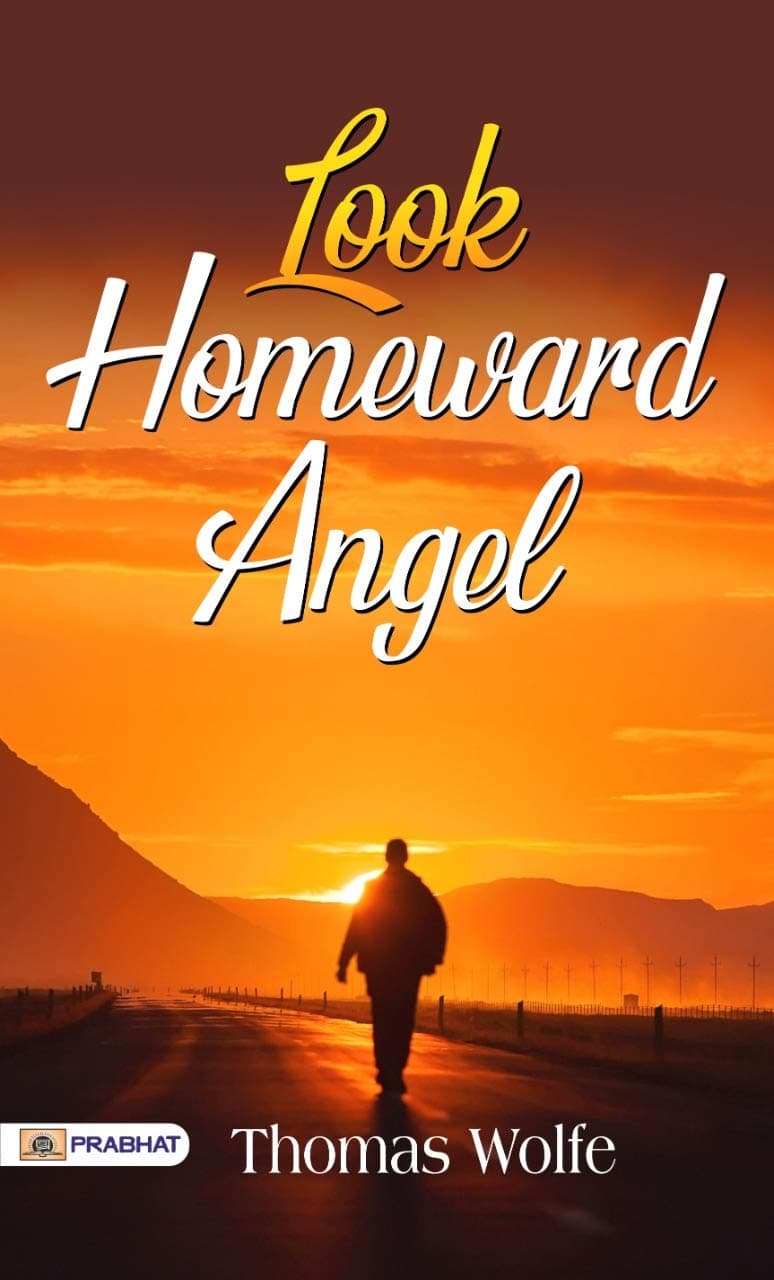
“O lost, and by the wind grieved, ghost, come back again.”
Look Homeward, Angel Summary
In the mountain town of Altamont, Catawba—a thinly veiled portrait of Asheville, North Carolina—Eugene Gant grows up in the sprawling, chaotic household of his father, W. O. Gant, a stonecutter and magnificent drunk given to Shakespearean tirades, and his mother, Eliza, a grasping, penny-pinching boardinghouse keeper whose hunger for real estate is as insatiable as her husband's thirst. Eugene is the youngest of a large, volatile family—each sibling vivid and damaged in their own way—and the novel follows him from birth through childhood, adolescence, and his years at the state university, where he discovers literature and the fierce, inarticulate longing to become something more than his origins allow. The death of his beloved brother Ben, described in a passage of shattering lyrical intensity, marks the novel's emotional climax and Eugene's passage into the solitude of adulthood.
Thomas Wolfe's autobiographical first novel is an act of total recall—a book that attempts to capture every sensation, every fleeting impression, every moment of beauty and anguish in a young man's awakening consciousness. The prose is volcanic: long, surging, rhythmically intoxicating sentences that pile image upon image in a style closer to music than to conventional fiction. It is excessive, undisciplined, and sometimes overwrought—and it is also magnificent, possessed of an emotional power that more restrained novels rarely achieve. Look Homeward, Angel is the great American novel of youth, hunger, and the desperate need to escape the place that made you.
Why Read Look Homeward, Angel?
If you have ever felt too large for the life you were given—if you have ever burned with the desire to devour the world, to see everything, feel everything, become everything—then Look Homeward, Angel will speak to you with the force of a prophecy. Wolfe wrote with an emotional intensity that most writers would not dare attempt, and the result is a novel that captures the raw, aching hunger of youth as no other book in American literature has done. His prose will sweep you up in its rhythms and leave you breathless.
The novel endures because that hunger—for experience, for beauty, for escape, for meaning—is universal and timeless. Eugene Gant's Altamont may be a specific place, but his longing belongs to every young person who has ever stood at the edge of their hometown and felt the pull of the wider world. Wolfe reminds us what it felt like before compromise set in, before ambition was tempered by reality. To read him is to be young again, if only for the time it takes to turn these pages.
About Thomas Wolfe
Thomas Wolfe (1900–1938) was an American novelist born in Asheville, North Carolina, a place he would immortalize—and scandalize—in his fiction. He studied at the University of North Carolina and earned a master's degree from Harvard, where he wrote plays before turning to the novel. Look Homeward, Angel, published in 1929 with the editorial guidance of the legendary Maxwell Perkins at Scribner's, drew so transparently on Wolfe's own family and community that he was effectively exiled from Asheville for years.
Wolfe wrote with a manic, all-consuming energy, producing manuscripts of staggering length that required heroic editorial intervention. His other major works—Of Time and the River, The Web and the Rock, and You Can't Go Home Again—were published with the help of Perkins and later Edward Aswell at Harper's. He died of tuberculosis of the brain at thirty-seven, leaving behind a body of work that influenced writers from Jack Kerouac to Philip Roth. William Faulkner ranked him first among his contemporaries, praising his willingness to risk failure in pursuit of greatness.
Reading Guide
Ranked #245 among the greatest books of all time, Look Homeward, Angel by Thomas Wolfe has earned its place in the literary canon. Originally written in English and published in 1929, this challenging read from United States continues to resonate with readers today.
This book belongs to our American Spirit and Love & Loss collections, where you can discover more books that share its spirit and themes.
If you enjoy challenging reads like this one, you might also like Ulysses, Moby-Dick, or Lolita.
From the American Spirit Collection
If you enjoyed Look Homeward, Angel, discover more masterpieces that share its spirit.
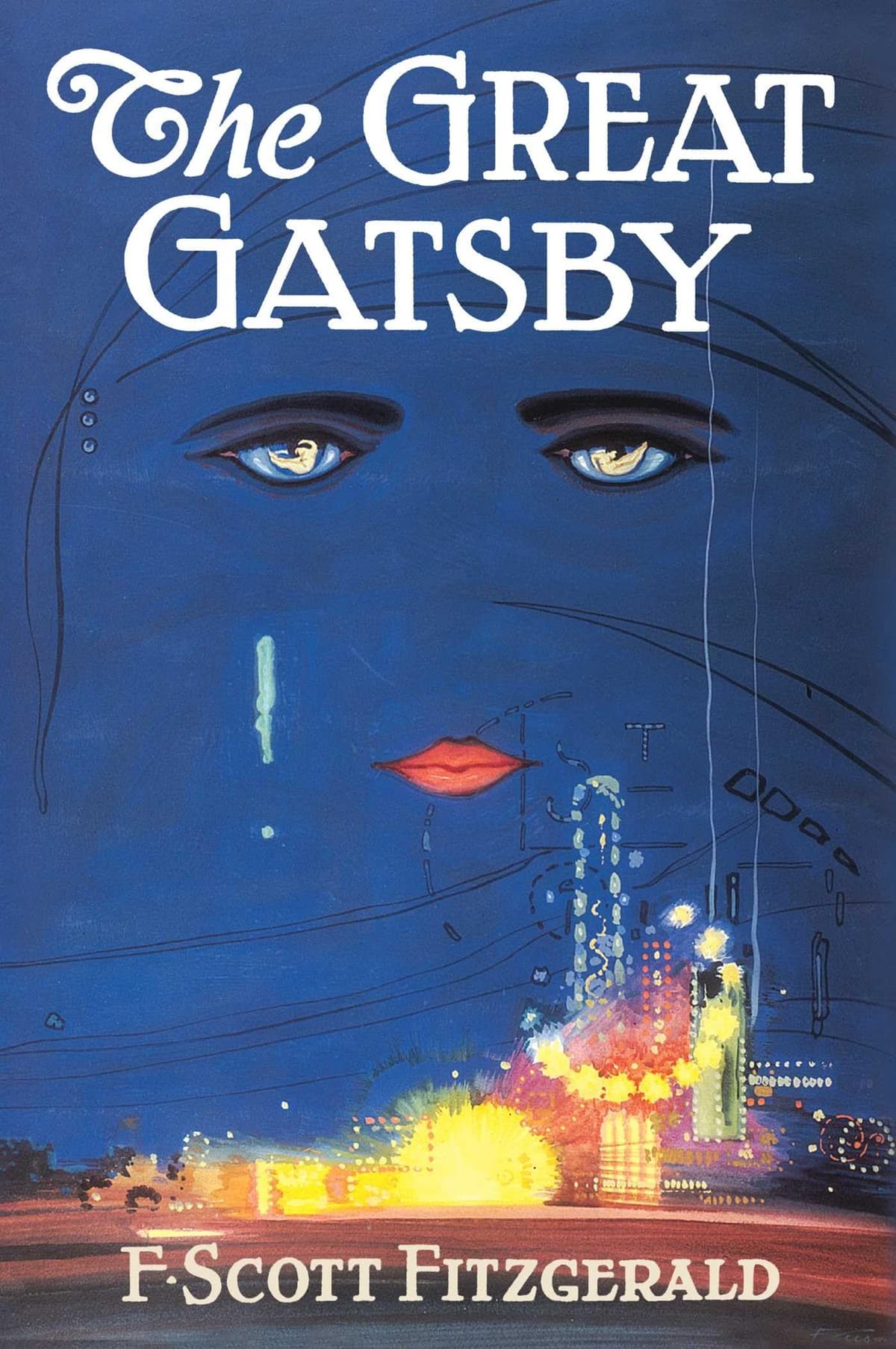 #3View Book
The Great Gatsby
F. Scott Fitzgerald
Accessible•5-6 hours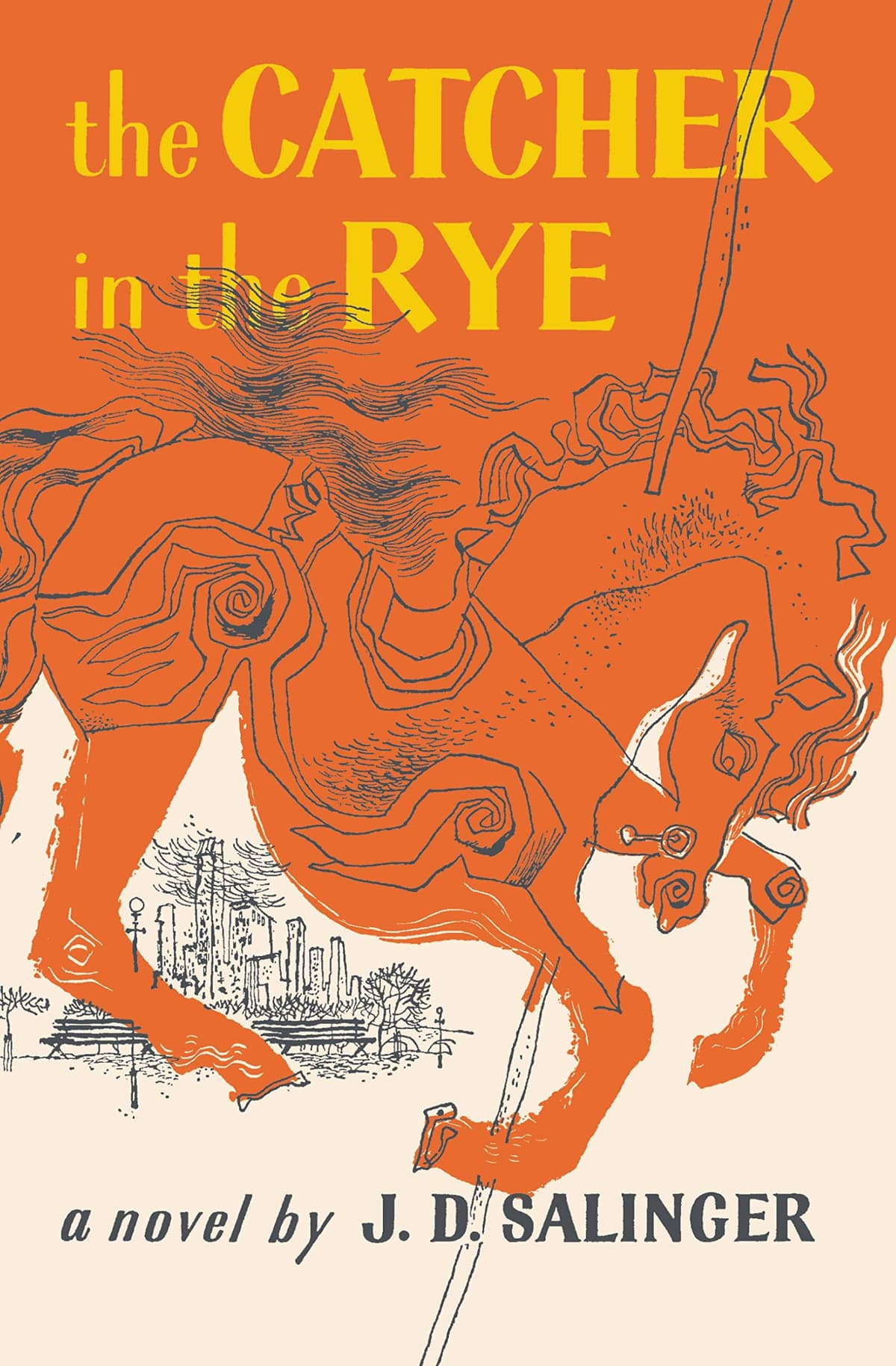 #4View Book
The Catcher in the Rye
J. D. Salinger
Accessible•6-8 hours #13View Book
Lolita
Vladimir Nabokov
Challenging•12-15 hours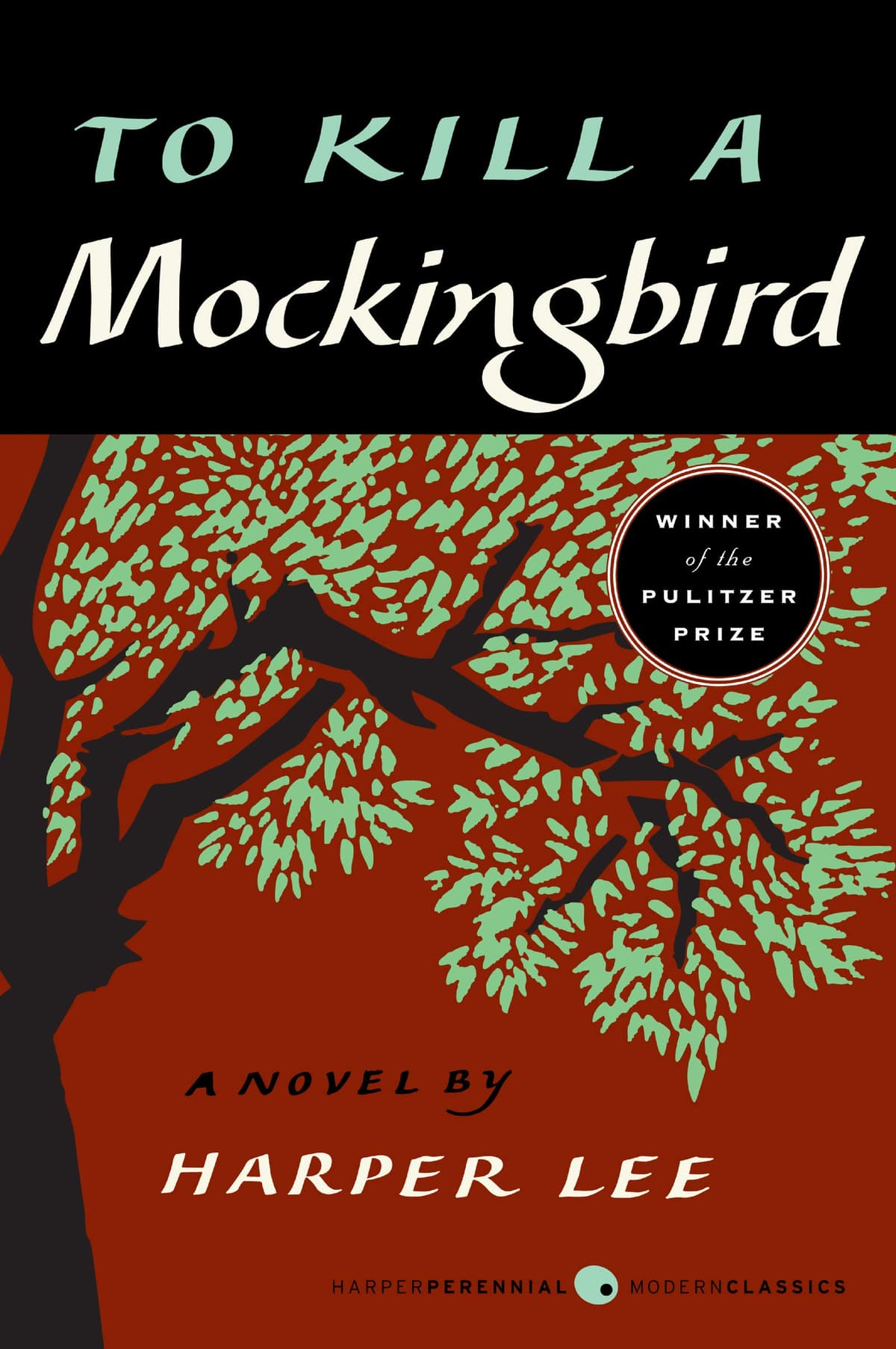 #17View Book
To Kill a Mockingbird
Harper Lee
Accessible•8-10 hours
Browse more collections