Atonement
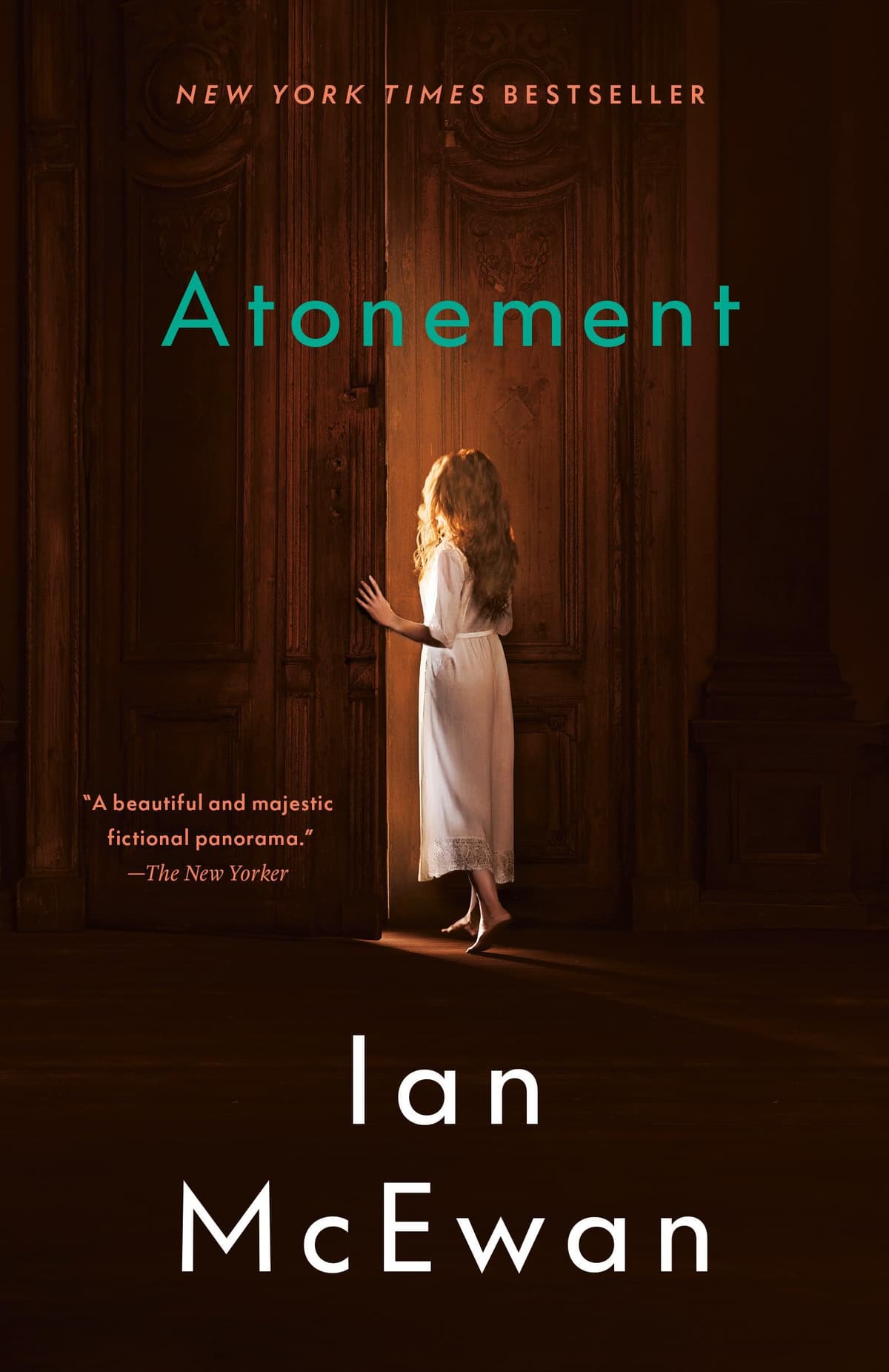
“How can a novelist achieve atonement when, with her absolute power of deciding outcomes, she is also God?”
Atonement Summary
On a sweltering summer day in 1935, thirteen-year-old Briony Tallis witnesses a charged encounter between her older sister Cecilia and Robbie Turner, the housekeeper's son, at the fountain of the Tallis family estate in Surrey. Later that evening, Briony intercepts a private, sexually explicit letter Robbie has written to Cecilia, and her overactive literary imagination transforms him into a dangerous predator. When her young cousin Lola is assaulted in the garden during a chaotic family dinner, Briony identifies Robbie as the attacker despite the darkness and her uncertainty, a false accusation that sends an innocent man to prison and tears the lovers apart. The novel follows Robbie through the horrors of the Dunkirk retreat in 1940, Cecilia into wartime nursing, and Briony herself into the same nursing profession as a form of penance, each character carrying wounds both visible and invisible through the devastation of World War II.
Ian McEwan's masterwork is a profound meditation on guilt, the destructive power of storytelling, and the limits of atonement. The novel operates as a devastating examination of how a single lie, shaped by a child's incomplete understanding and class prejudice, can irrevocably destroy lives. McEwan layers the narrative with metafictional complexity, as Briony grows into a novelist who spends her life rewriting the events of that fateful day, raising unsettling questions about whether fiction can ever truly repair what has been broken. The famous twist in the novel's coda forces readers to reconsider everything they have read, blurring the line between authorial control and moral responsibility. Atonement stands as one of the finest novels of the twenty-first century, a work that interrogates the very act of narrative creation while delivering a heartbreaking love story set against the backdrop of England's most turbulent era.
Why Read Atonement?
Few novels so masterfully unite the intimate and the epic as Atonement, a book that begins with the misunderstandings of an English country house and expands into the vast theater of World War II. McEwan writes with surgical precision, constructing scenes of such sensory richness that the oppressive heat of a 1935 summer day or the nightmarish chaos of the Dunkirk beaches become unforgettable experiences. The novel's structure is itself a feat of literary architecture, shifting perspectives and time periods while maintaining an emotional intensity that builds to one of the most devastating conclusions in modern fiction.
Reading Atonement, you will encounter a story that challenges your assumptions about truth, memory, and the stories we tell ourselves. You will feel the weight of Briony's guilt and the tragedy of Robbie and Cecilia's stolen future, and you will be forced to confront uncomfortable questions about whether art can serve as a form of redemption or merely another kind of deception. This is a novel that rewards rereading, revealing new layers of meaning each time, and it will permanently alter how you think about the relationship between fiction and moral responsibility.
About Ian McEwan
Ian McEwan (born 1948) is one of the most acclaimed British novelists of his generation. Born in Aldershot, Hampshire, he grew up in a military family, spending parts of his childhood in Singapore, Libya, and Germany before returning to England. He studied at the University of Sussex and later earned an M.A. in creative writing from the University of East Anglia under the mentorship of Malcolm Bradbury. His early short story collections, including First Love, Last Rites (1975), earned him the nickname "Ian Macabre" for their disturbing explorations of human darkness.
McEwan's career has been marked by both critical acclaim and commercial success. He won the Booker Prize for Amsterdam (1998) and has been shortlisted for the award multiple times, including for Atonement, which many consider his finest work. His novels are distinguished by their meticulous research, psychological acuity, and moral seriousness, ranging from the intimate domestic thriller of Enduring Love to the historical sweep of Atonement. McEwan is widely regarded as a master of the contemporary English novel, a writer who combines the narrative precision of the realist tradition with a modernist awareness of fiction's power and limitations.
Reading Guide
Ranked #246 among the greatest books of all time, Atonement by Ian McEwan has earned its place in the literary canon. Originally written in English and published in 2001, this moderate read from United Kingdom continues to resonate with readers today.
This book belongs to our Love & Loss collection, where you can discover more books that share its spirit and themes.
If you enjoy moderate reads like this one, you might also like One Hundred Years of Solitude, Nineteen Eighty-Four, or Wuthering Heights.
From the Love & Loss Collection
If you enjoyed Atonement, discover more masterpieces that share its spirit.
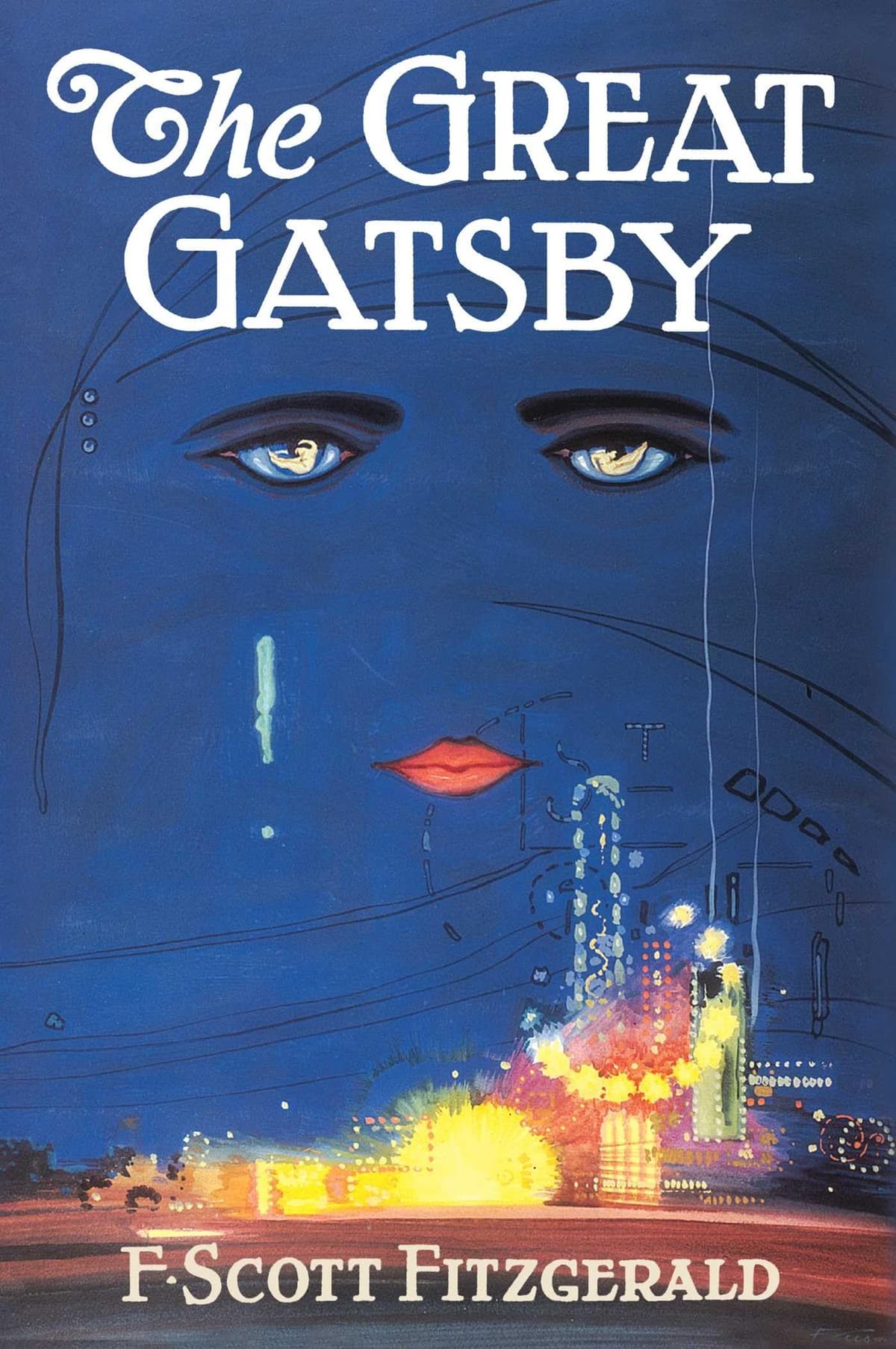 #3View Book
The Great Gatsby
F. Scott Fitzgerald
Accessible•5-6 hours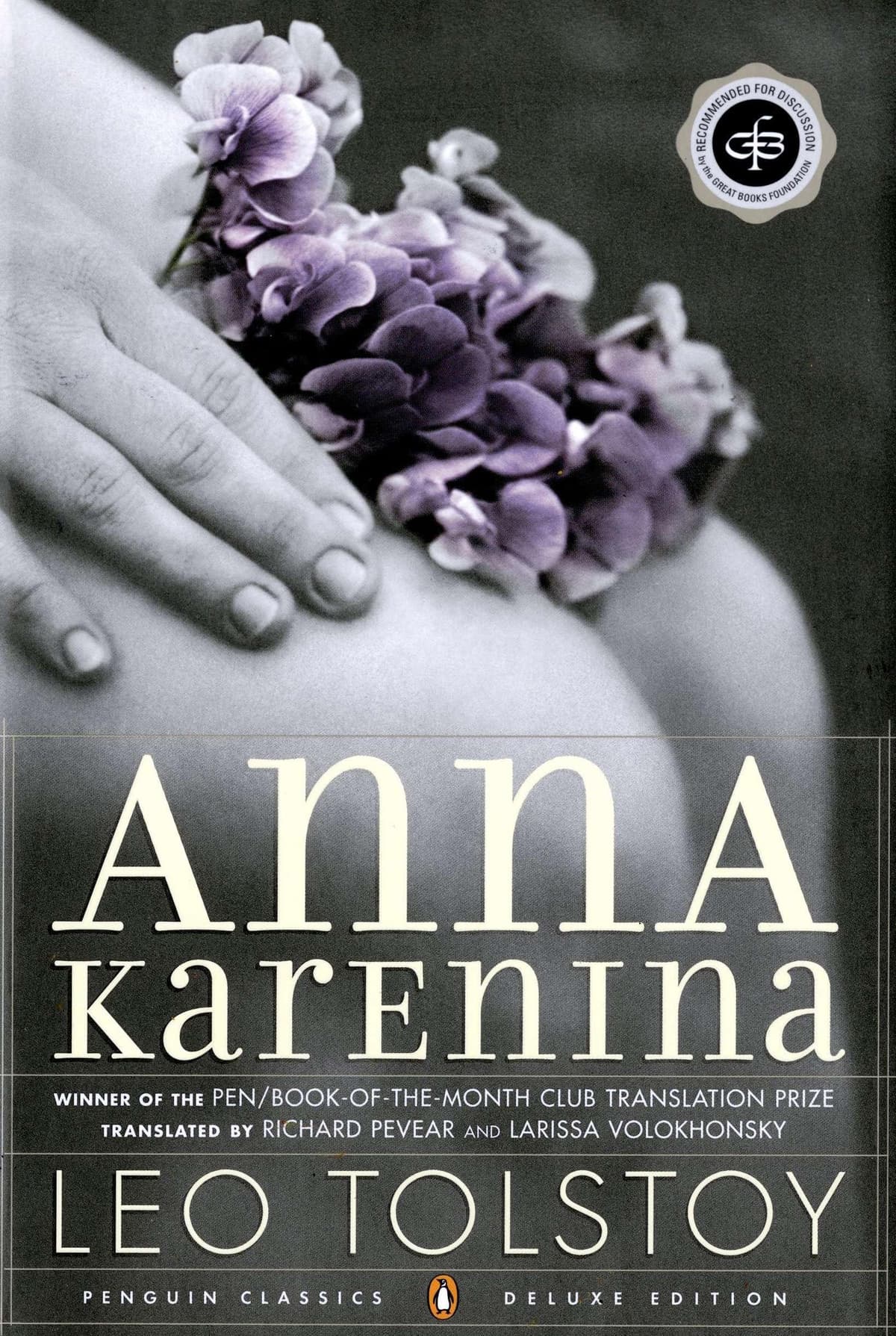 #10View Book
Anna Karenina
Leo Tolstoy
High•30-35 hours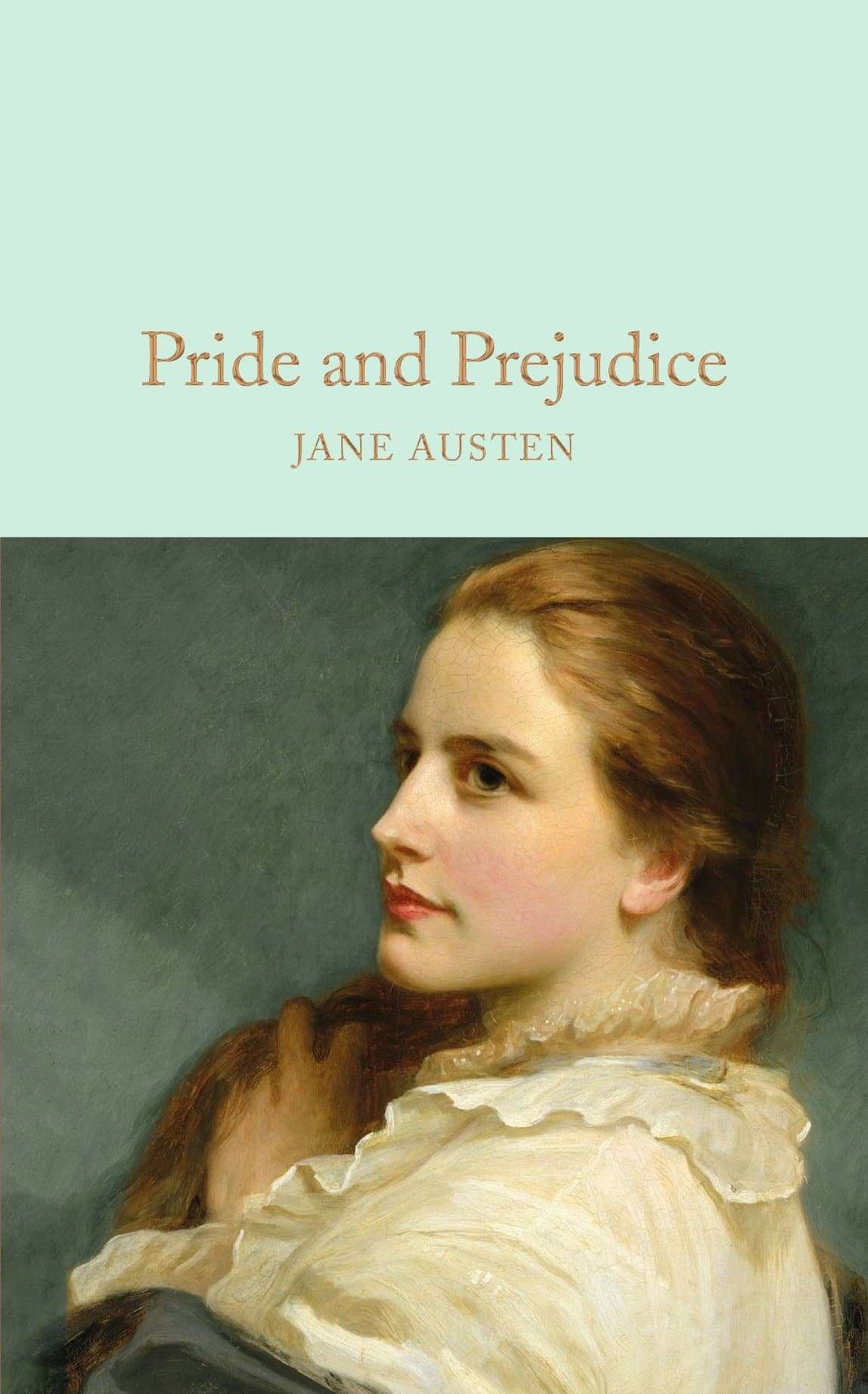 #12View Book
Pride and Prejudice
Jane Austen
Accessible•10-12 hours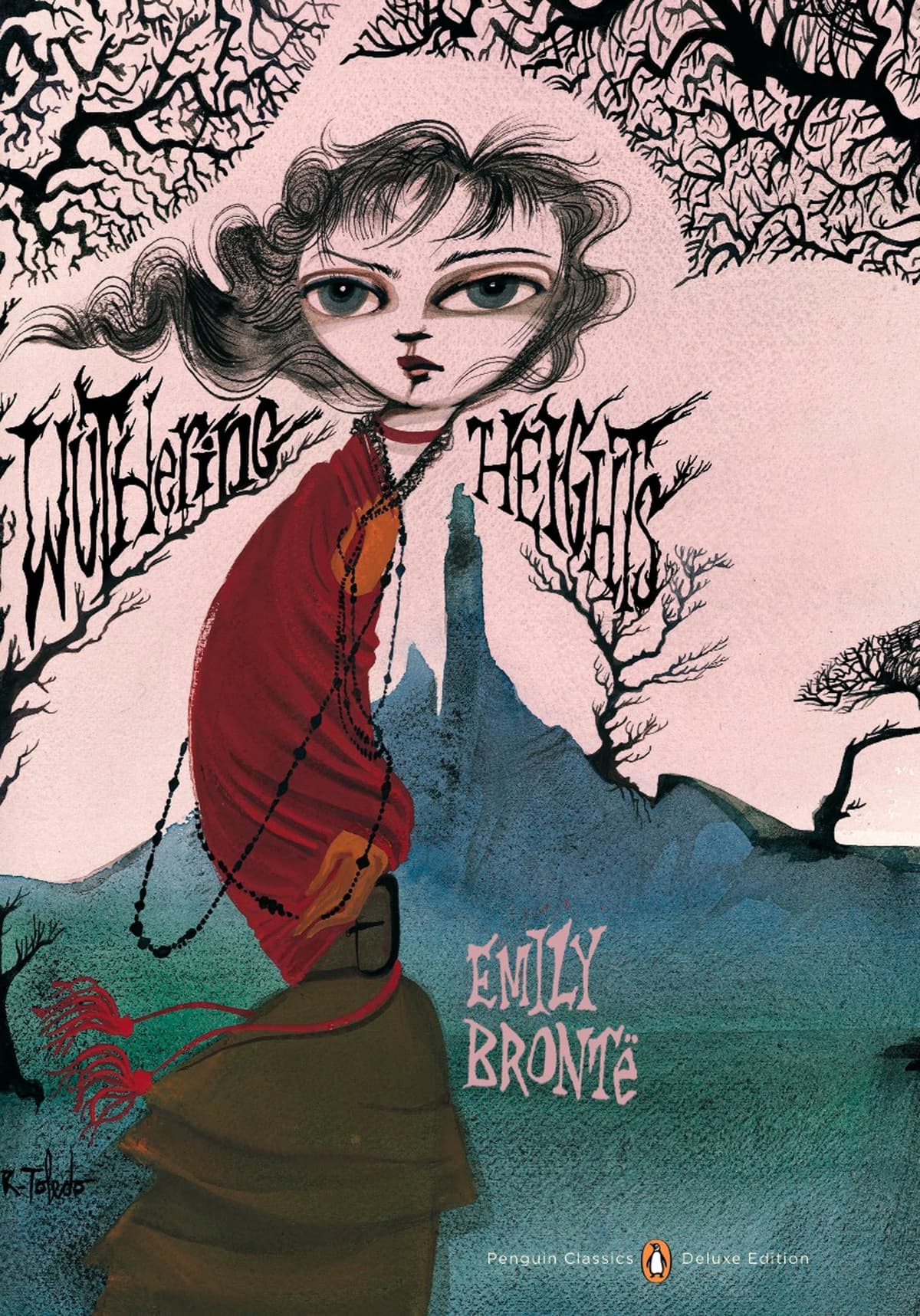 #15View Book
Wuthering Heights
Emily Brontë
Moderate•10-12 hours
Browse more collections