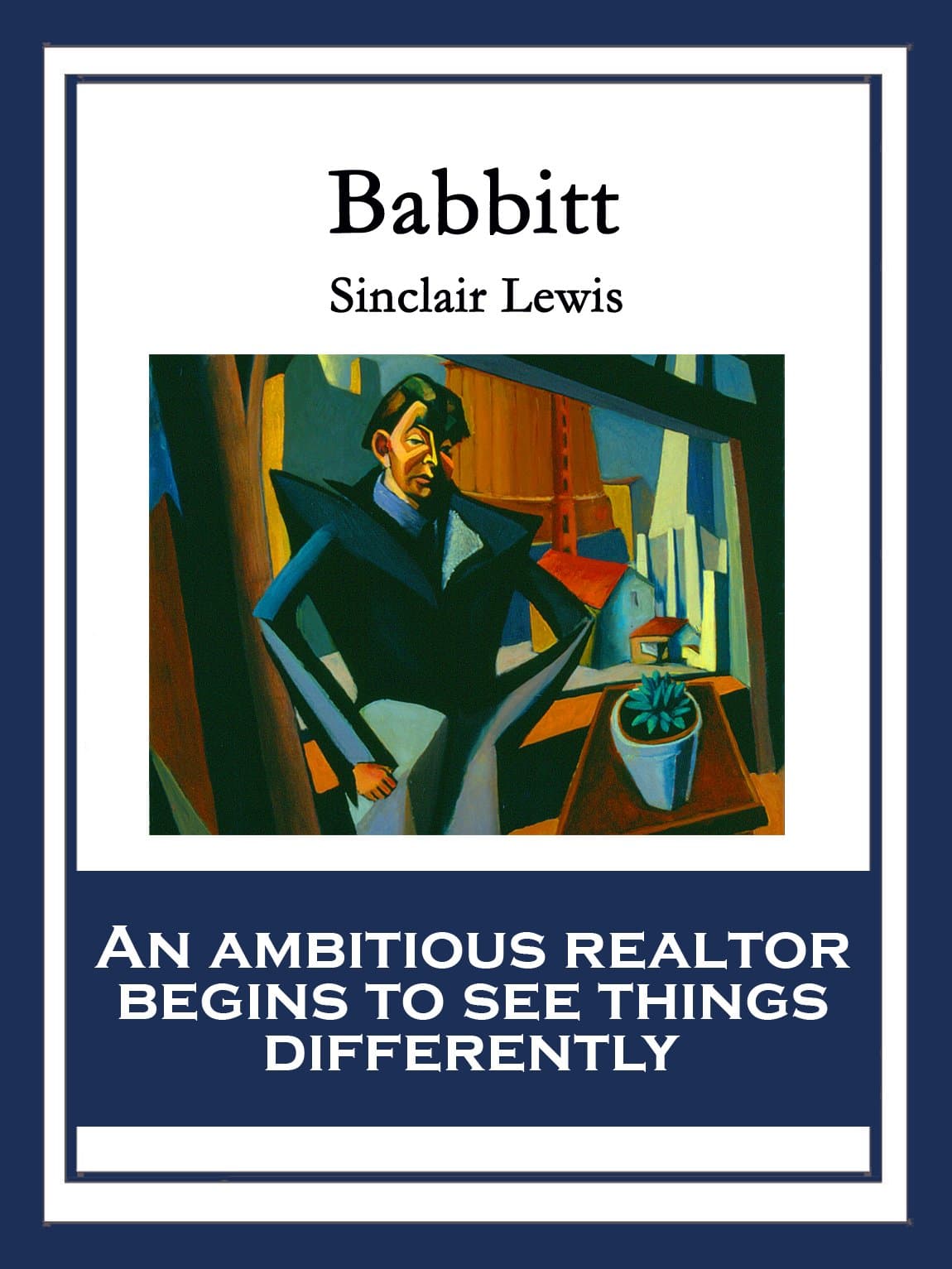
Babbitt
“His motor car was poetry and tragedy, love and heroism. The office was his pirate ship but the car his perilous excursion ashore.”
Babbitt Summary
George F. Babbitt is a forty-six-year-old real estate broker living in the fictional Midwestern city of Zenith, a prosperous, aggressively modern metropolis that embodies every cliche of 1920s American boosterism. Babbitt is a model citizen on the surface: a member of the Elks Club and the Boosters' Club, a loyal Republican, a churchgoer, and a proud owner of the latest automobile and household gadgets. Yet beneath this shell of conformity, Babbitt is gnawed by a vague, persistent dissatisfaction. He dreams of a fairy girl who represents an escape from his stifling routine. When his best friend Paul Riesling shoots his wife and goes to prison, Babbitt is shaken into a brief rebellion, flirting with liberalism, taking up with a bohemian crowd, and even beginning an affair with the alluring Tanis Judique. But the forces of social conformity prove overwhelming, and Babbitt eventually crawls back into the fold, his rebellion crushed by business pressure and community ostracism.
Sinclair Lewis's biting satire remains one of the sharpest anatomies of American middle-class conformity ever written. The novel coined the word "Babbitt" as a term for a smug, materialistic businessman, and its portrait of a culture obsessed with status symbols, real estate deals, and empty civic enthusiasm feels astonishingly contemporary. Lewis dissects Babbitt not with contempt but with a complicated sympathy, recognizing that his character is both a product and a victim of the society he inhabits. The novel exposes the spiritual emptiness at the heart of American prosperity, showing how the relentless pressure to conform can extinguish even the faintest spark of individuality. Babbitt's final, heartbreaking encouragement to his son to break free carries the novel's essential message about the cost of living an unexamined life.
Why Read Babbitt?
Sinclair Lewis created in George Babbitt one of the most enduring characters in American literature, a man so perfectly representative of his class and era that his name became a dictionary word. Written in 1922, the novel's portrait of a society drowning in materialism, boosterism, and performative civic pride reads as though it could have been written yesterday. Lewis's ear for the language of self-promotion and empty enthusiasm is pitch-perfect, and his depiction of the subtle social coercion that keeps Babbitt in line remains a chilling study of how conformity operates.
Reading Babbitt, you will recognize aspects of contemporary culture with startling clarity, from the worship of property values to the hollow networking of professional clubs. You will also find yourself unexpectedly moved by Babbitt himself, a man who senses that something vital is missing from his life but lacks the courage or the vocabulary to name it. Lewis's great achievement is making you feel both the comedy and the tragedy of a life lived entirely on the surface, and his novel will leave you questioning the invisible social pressures that shape your own choices.
About Sinclair Lewis
Sinclair Lewis (1885-1951) was born in Sauk Centre, Minnesota, a small town that would serve as the model for the fictional Gopher Prairie of his novel Main Street. After graduating from Yale in 1908, he worked as a journalist and editor before achieving literary fame with Main Street (1920), which became a sensation for its unflinching portrait of small-town American life. Babbitt followed in 1922, cementing his reputation as America's foremost social satirist.
In 1930, Lewis became the first American to win the Nobel Prize in Literature, honored for his vigorous and graphic art of description and his ability to create new types of characters. His major works, including Arrowsmith (1925), Elmer Gantry (1927), and Dodsworth (1929), form a panoramic critique of American institutions from medicine to religion to marriage. Though his later work declined in power, his best novels remain essential documents of American life between the wars. Lewis died in Rome in 1951, largely estranged from the literary establishment, but his influence on American social fiction endures.
Reading Guide
Ranked #247 among the greatest books of all time, Babbitt by Sinclair Lewis has earned its place in the literary canon. Originally written in English and published in 1922, this moderate read from United States continues to resonate with readers today.
This book belongs to our American Spirit and Society & Satire collections, where you can discover more books that share its spirit and themes.
If you enjoy moderate reads like this one, you might also like One Hundred Years of Solitude, Nineteen Eighty-Four, or Wuthering Heights.
From the American Spirit Collection
If you enjoyed Babbitt, discover more masterpieces that share its spirit.
 #3View Book
The Great Gatsby
F. Scott Fitzgerald
Accessible•5-6 hours #4View Book
The Catcher in the Rye
J. D. Salinger
Accessible•6-8 hours #13View Book
Lolita
Vladimir Nabokov
Challenging•12-15 hours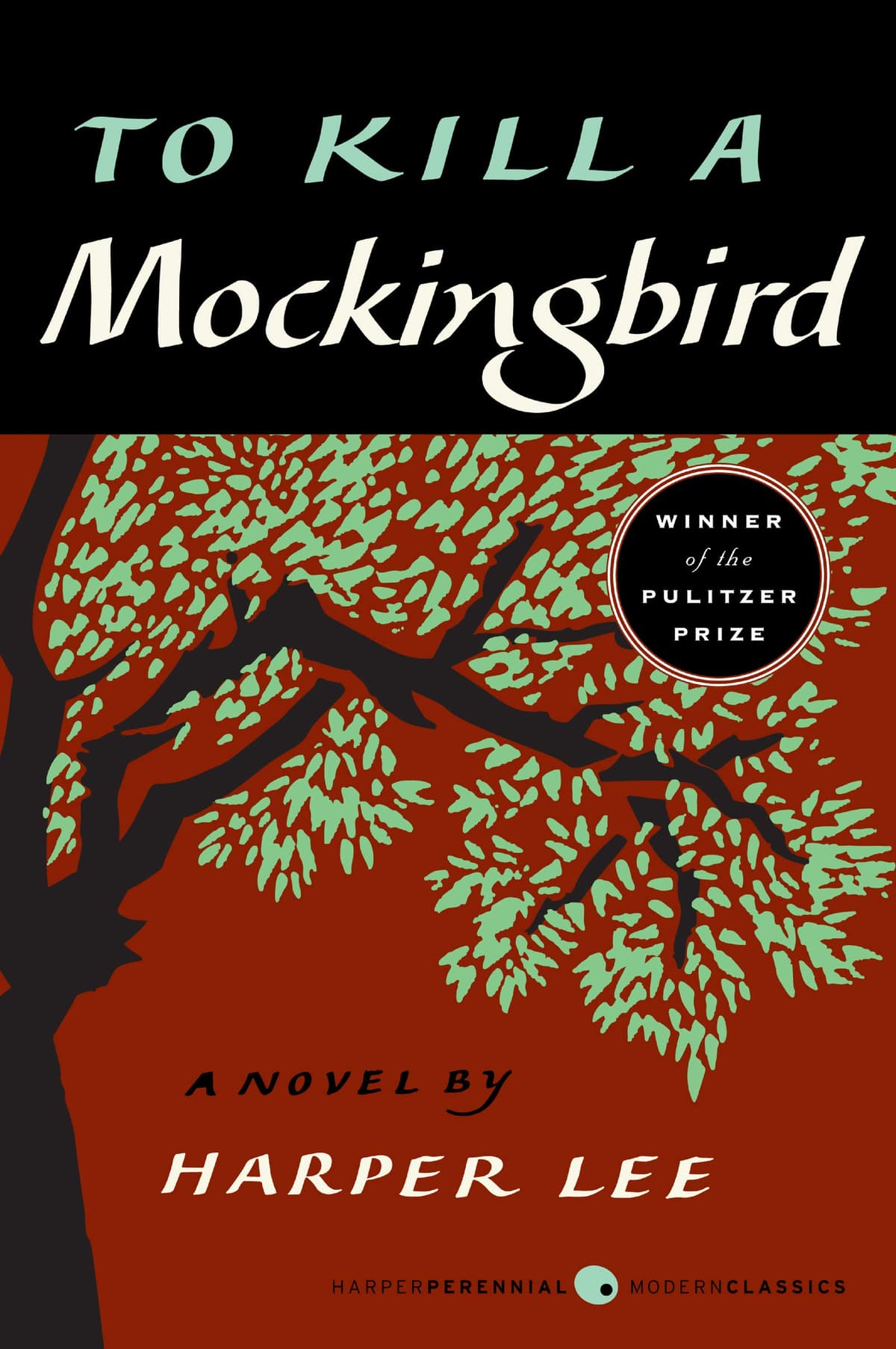 #17View Book
To Kill a Mockingbird
Harper Lee
Accessible•8-10 hours
Browse more collections