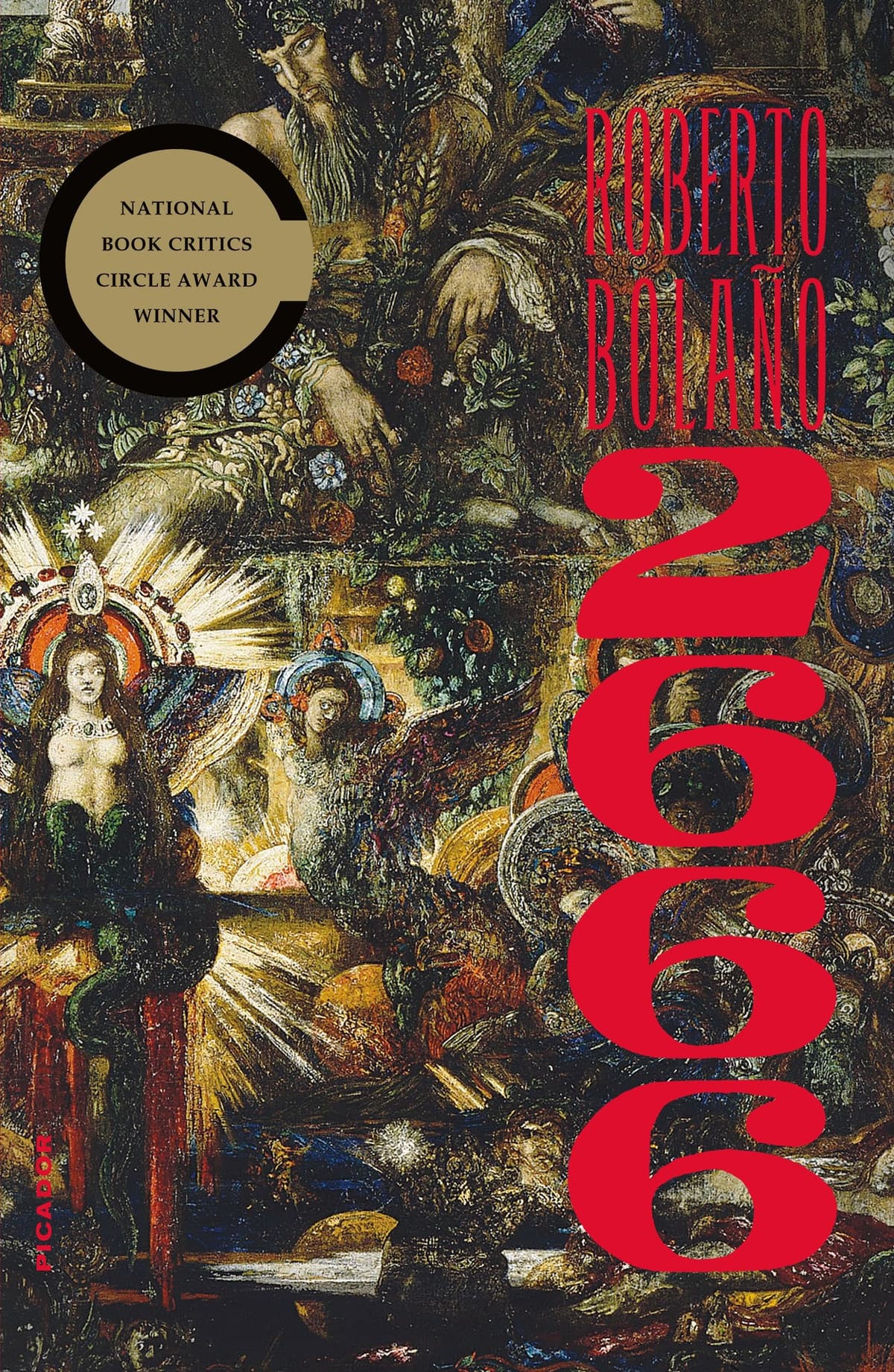
2666
“No one pays attention to these killings, but the secret of the world is hidden in them.”
2666 Summary
Roberto Bolano's posthumous colossus is divided into five loosely connected parts that circle, with increasing dread, around the black hole of Santa Teresa—a fictionalized Ciudad Juarez where hundreds of women are being murdered with impunity. In "The Part About the Critics," four European literary scholars pursue the trail of the reclusive German novelist Benno von Archimboldi across continents, their academic obsession shading into something darker. "The Part About Amalfitano" follows a Chilean philosophy professor losing his mind in the desert city, hanging a geometry textbook on a clothesline as if testing the wind. "The Part About Fate" sends an African-American journalist to cover a boxing match in Santa Teresa, where he stumbles into the orbit of the killings. "The Part About the Crimes" is the novel's harrowing center—a forensic, almost bureaucratic catalogue of murdered women that accumulates with the relentless force of an indictment. Finally, "The Part About Archimboldi" reveals the mysterious novelist's life, from the Eastern Front of World War II to his enigmatic connection to Santa Teresa.
Bolano's masterwork is a novel about evil—not the theatrical evil of villains, but the systemic, banal, bureaucratic evil that allows atrocity to become routine. It is also a novel about literature's helplessness and necessity in the face of that evil, about the compulsion to keep reading, keep searching, keep naming the dead even when no justice will come. Sprawling, terrifying, blackly funny, and heartsick, 2666 is the great apocalyptic novel of the twenty-first century.
Why Read 2666?
2666 is not a comfortable book—it is a descent into the abyss that modern civilization has tried to wallpaper over. Bolano forces you to look at what we would rather ignore: the systematic murder of powerless women, the indifference of institutions, the way evil thrives not through dramatic villainy but through bureaucratic neglect. The catalogue of the dead in "The Part About the Crimes" is one of the most difficult and necessary passages in contemporary literature—an act of witness that refuses to let these women disappear into statistics.
Yet for all its darkness, the novel is shot through with a wild, searching intelligence that makes it compulsively readable. Bolano moves between continents, centuries, and genres with the freedom of a writer who knows he is racing against death—he completed the manuscript shortly before dying of liver failure at fifty. The result is a novel that feels like a last testament, an attempt to contain the entire horror and beauty of the modern world between two covers. It will change the way you think about what fiction can do.
About Roberto Bolaño
Roberto Bolano (1953–2003) was a Chilean novelist and poet who spent much of his life in exile and is now regarded as the most important Latin American writer of his generation. Born in Santiago, he moved to Mexico City as a teenager, co-founded the avant-garde Infrarealist poetry movement, and lived a vagabond existence across Latin America and Europe before settling in Blanes, a small town on the coast of Catalonia, Spain.
Bolano came to fiction relatively late, driven in part by the need to provide for his family and by the knowledge that liver disease would cut his life short. In a furious final decade, he produced an extraordinary body of work—including The Savage Detectives, By Night in Chile, Distant Star, and the posthumous 2666—that reinvented Latin American literature, breaking decisively with the magical realist tradition to confront the political violence and literary obsessions of his time. He died at fifty, leaving behind a literary legacy that continues to grow in stature and influence.
Reading Guide
Ranked #244 among the greatest books of all time, 2666 by Roberto Bolaño has earned its place in the literary canon. Originally written in Spanish and published in 2004, this high read from Chile continues to resonate with readers today.
This book belongs to our Epics and Gothic & Dark collections, where you can discover more books that share its spirit and themes.
If you enjoy high reads like this one, you might also like In Search of Lost Time, Don Quixote, or Anna Karenina.
From the Epics Collection
If you enjoyed 2666, discover more masterpieces that share its spirit.
 #1View Book
Ulysses
James Joyce
Challenging•35-40 hours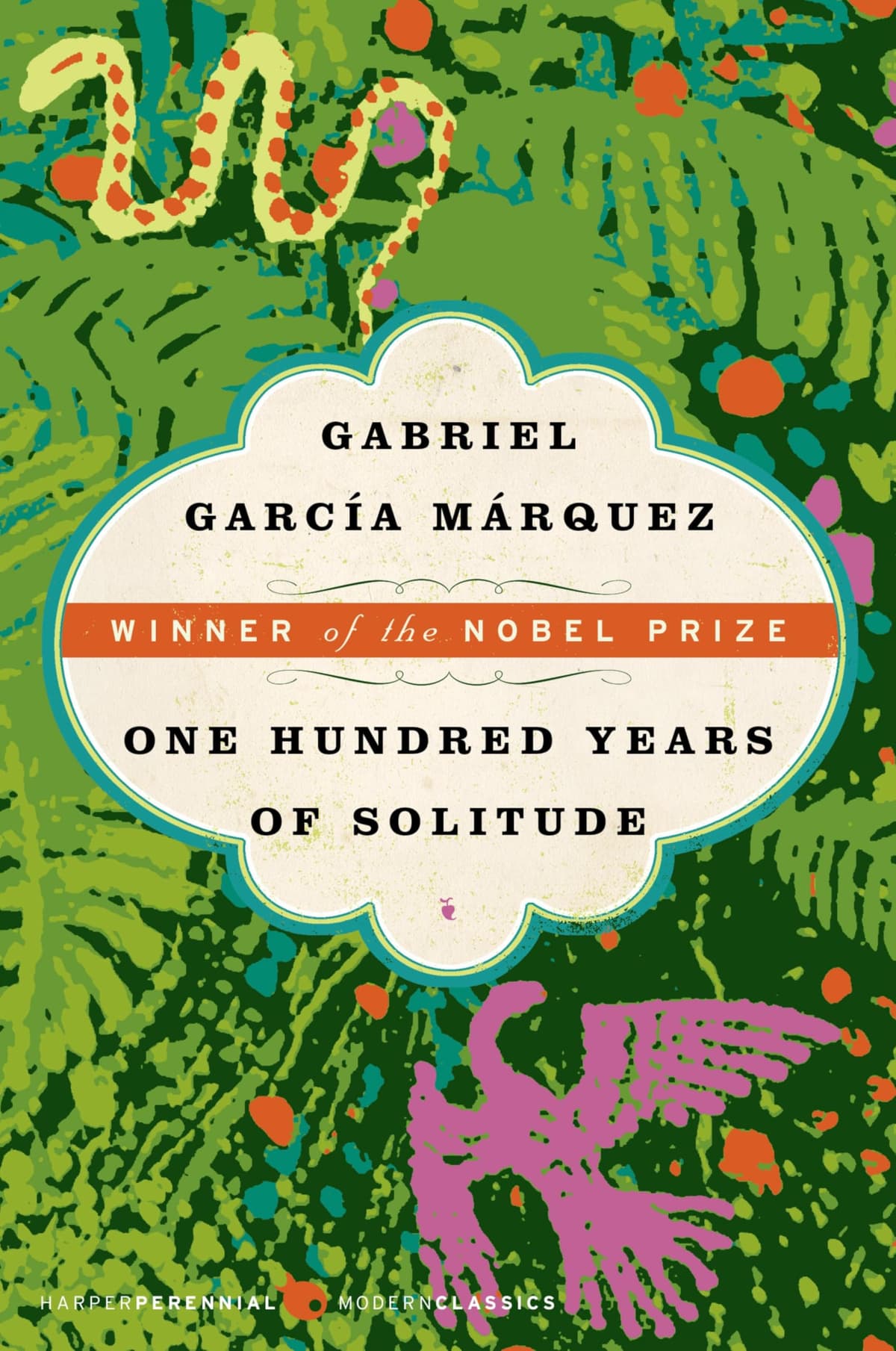 #5View Book
One Hundred Years of Solitude
Gabriel García Márquez
Moderate•15-20 hours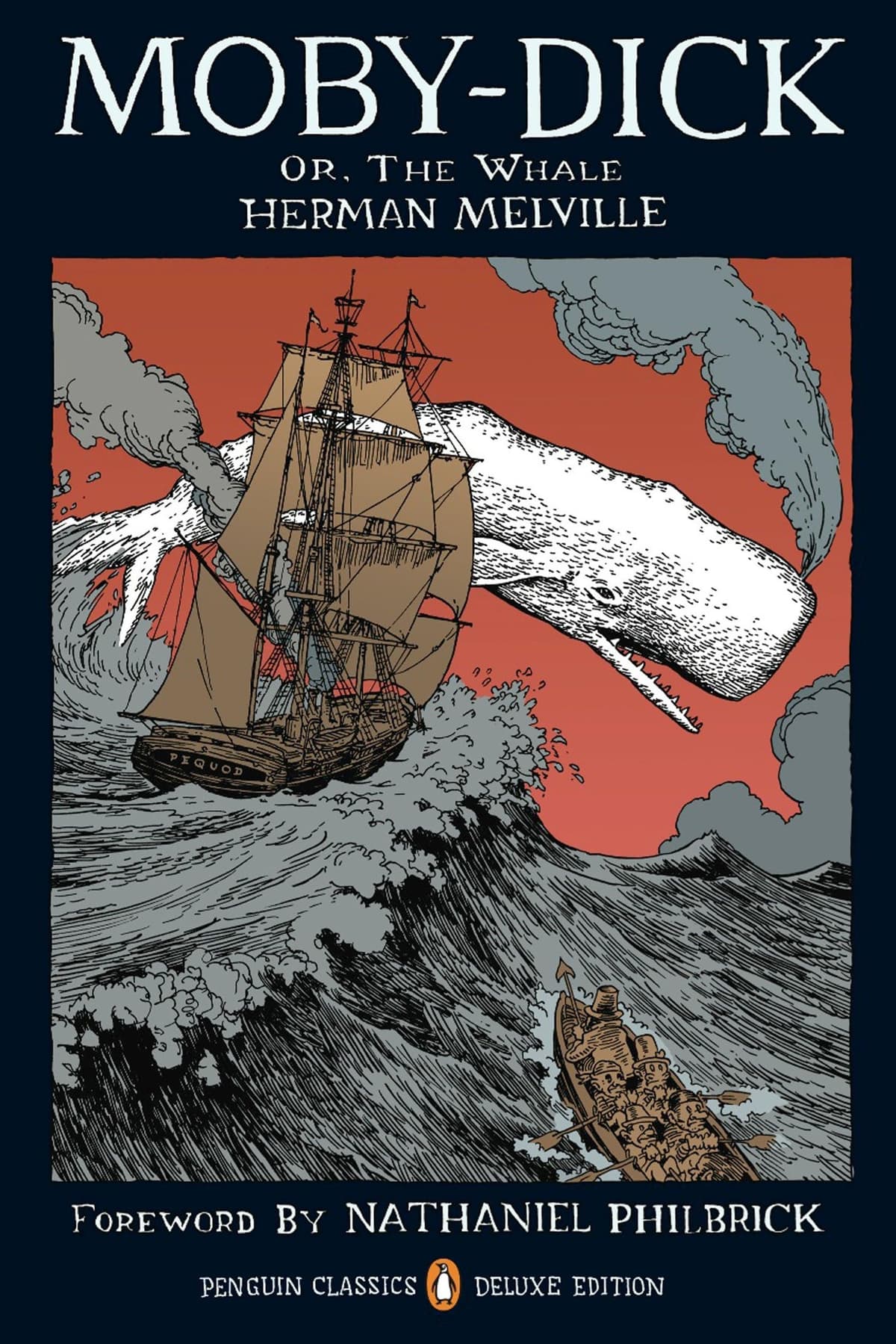 #7View Book
Moby-Dick
Herman Melville
Challenging•20-25 hours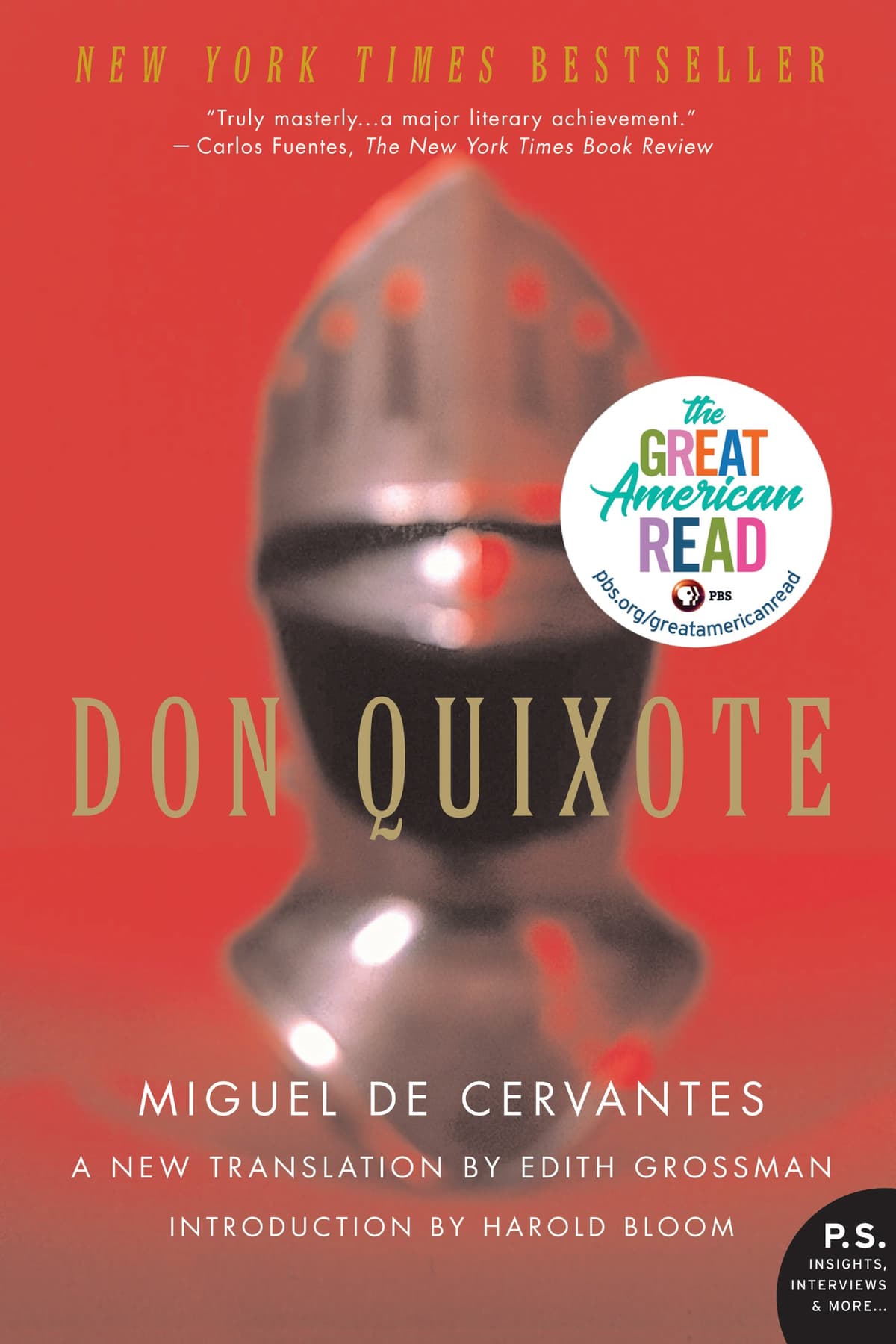 #9View Book
Don Quixote
Miguel de Cervantes
High•35-40 hours
Browse more collections