The Leopard
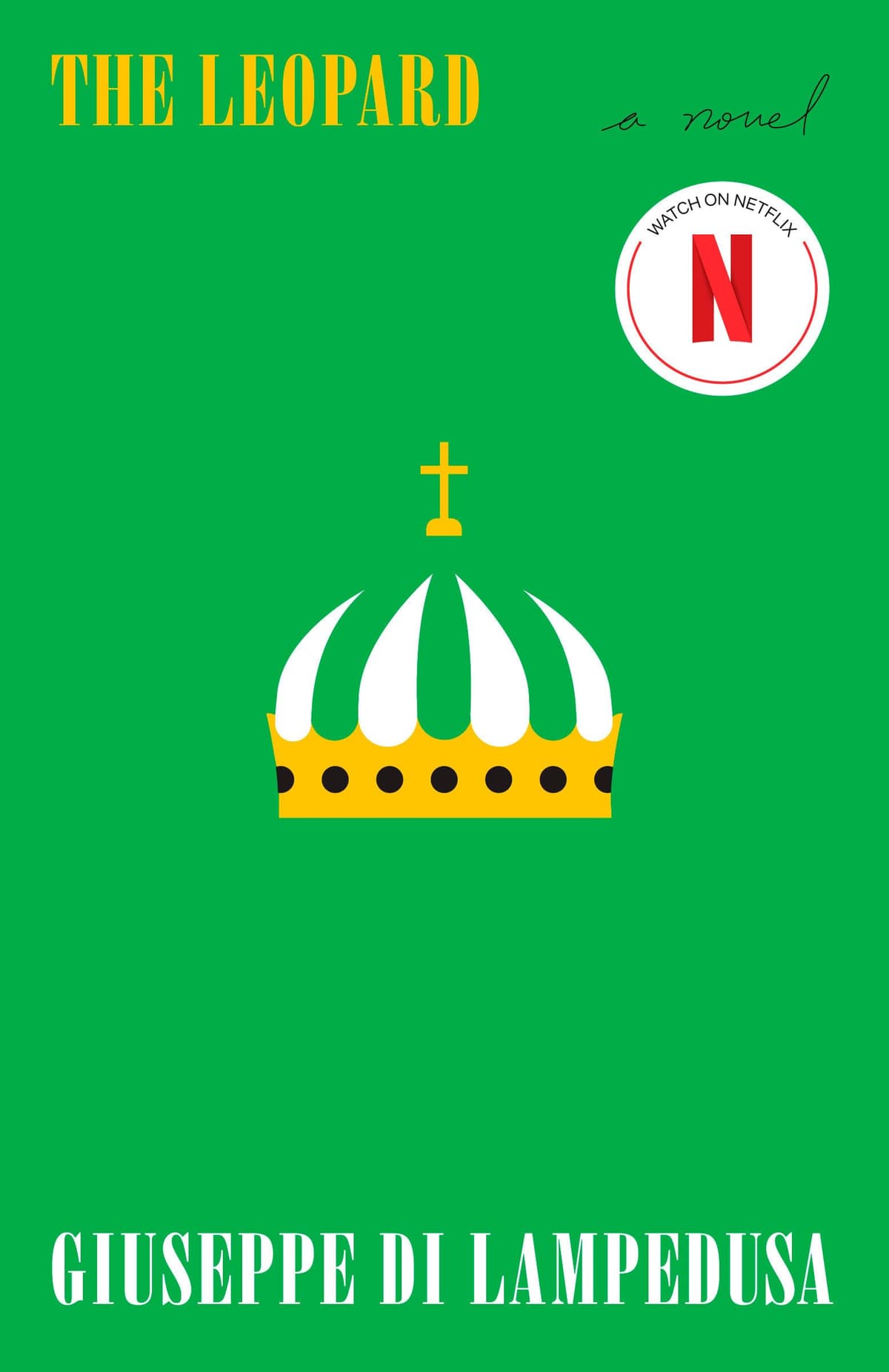
“If we want things to stay as they are, things will have to change.”
The Leopard Summary
Sicily, 1860. Garibaldi's red-shirted volunteers have landed, and the ancient feudal order is crumbling. Don Fabrizio Corbera, Prince of Salina—a towering, sensual, melancholy aristocrat who studies the stars and understands the mathematics of decline—watches as everything his family has built over centuries dissolves into the new Italy. His favorite nephew, Tancredi, joins the revolution with the cheerful pragmatism of youth: 'If we want things to stay as they are, things will have to change.'
Lampedusa's only novel is a meditation on mortality written in prose of sunlit, autumnal beauty. Each chapter advances through time—a ball, a dinner, a death—as the Prince confronts the extinction of his class with a dignity that never tips into self-pity. The Leopard is not a political novel but a sensory one: you can feel the Sicilian heat, taste the elaborate dinners, smell the jasmine and decay. It is a requiem for a world, composed by a man who was himself the last of his line.
Why Read The Leopard?
The Leopard is one of those rare novels where every sentence feels inevitable, as though the book had always existed and was simply waiting to be discovered. Lampedusa, a Sicilian prince who had never published a word, wrote it in the last years of his life, knowing he was dying. That knowledge saturates every page with a tenderness and lucidity that is almost unbearable.
Don Fabrizio is among the most fully realized characters in European fiction—intelligent enough to understand his own obsolescence, proud enough to face it without illusion, and human enough to mourn. The novel's famous dictum, that everything must change so that everything can remain the same, has become a universal truth about political revolutions. But The Leopard is finally a book about time itself—about the stars the Prince studies, which will outlast every dynasty and every revolution.
About Giuseppe Tomasi di Lampedusa
Giuseppe Tomasi di Lampedusa (1896–1957) was the last Prince of Lampedusa, a Sicilian aristocrat who spent most of his life reading voraciously in the great libraries of Europe and writing almost nothing. He began The Leopard in his late fifties, drawing on his own family's history—the model for Don Fabrizio was his great-grandfather—and completed it shortly before his death from lung cancer.
The manuscript was rejected by two publishers during his lifetime. It was published posthumously in 1958 and became an immediate sensation, winning Italy's most prestigious literary prize and selling millions of copies. Lampedusa never knew that his single novel would become one of the greatest works of twentieth-century European fiction—a fate as poignant as any in his book.
Reading Guide
Ranked #59 among the greatest books of all time, The Leopard by Giuseppe Tomasi di Lampedusa has earned its place in the literary canon. Originally written in Italian and published in 1958, this moderate read from Italy continues to resonate with readers today.
This book belongs to our Society & Satire and Love & Loss collections, where you can discover more books that share its spirit and themes.
If you enjoy moderate reads like this one, you might also like One Hundred Years of Solitude, Nineteen Eighty-Four, or Wuthering Heights.
From the Society & Satire Collection
If you enjoyed The Leopard, discover more masterpieces that share its spirit.
 #9View Book
Don Quixote
Miguel de Cervantes
High•35-40 hours #12View Book
Pride and Prejudice
Jane Austen
Accessible•10-12 hours #22View Book
Madame Bovary
Gustave Flaubert
Moderate•12-15 hours #30View Book
Middlemarch
George Eliot
High•30-35 hours
Browse more collections