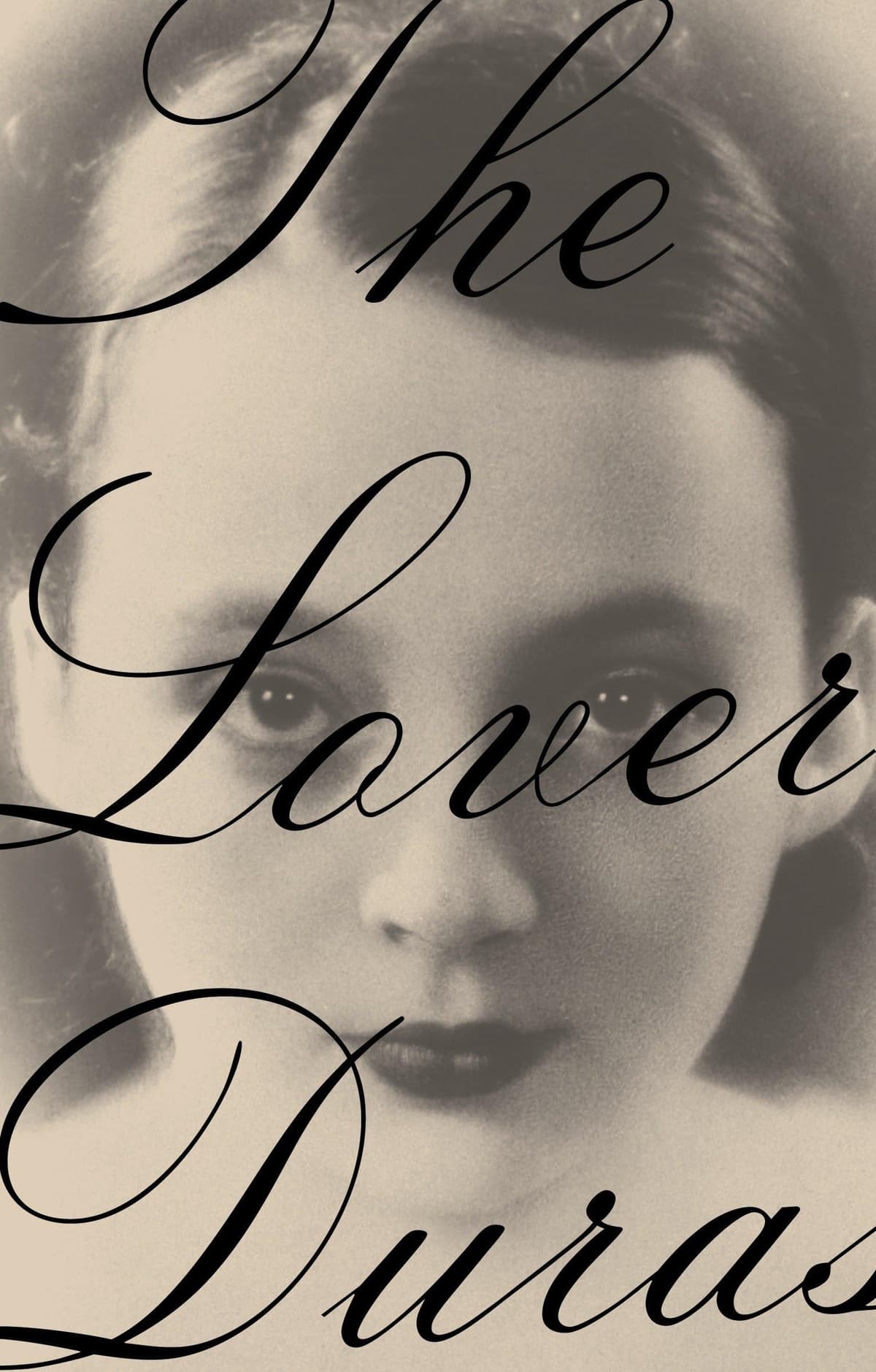
The Lover
“Very early in my life it was too late.”
The Lover Summary
The Lover is a slim, incandescent novel drawn from Marguerite Duras' own adolescence in French Indochina during the late 1920s. The narrator, a fifteen-year-old French girl from a destitute colonial family, crosses the Mekong River on a ferry and meets a wealthy twenty-seven-year-old Chinese man who becomes her lover. Their relationship, conducted in his bachelor apartment in Cholon, the Chinese quarter of Saigon, is at once passionate and transactional: she is drawn to his tenderness and his wealth, he to her youth and her otherness. Her family—a bitter, violent mother crushed by poverty, a sadistic older brother, a fragile younger one—tacitly accepts the arrangement for the money it brings. The affair exists in a space outside conventional morality, shaped by colonial power dynamics, racial taboo, economic desperation, and genuine desire. When the girl eventually leaves for France, the Chinese lover weeps; she realizes, years later, that she loved him.
Duras' prose style in The Lover is revolutionary: fragmentary, circling, moving between past and present with the logic of memory rather than chronology. Sentences accumulate like waves, returning to the same images—the ferry crossing, the girl's gold shoes, the lover's trembling hands—with each repetition deepening their meaning. The novel explores the intersection of desire, poverty, race, and colonial power with an honesty that refuses to moralize or sentimentalize. Duras strips away the protective layers of convention to expose the raw mechanics of how people use and need each other. Winner of the Prix Goncourt in 1984, The Lover is both an exquisite work of literary art and a searing examination of the ways in which love is shaped by the inequalities that surround it.
Why Read The Lover?
The Lover accomplishes in barely a hundred pages what most novels cannot achieve in five hundred. Duras' prose is hypnotic—spare yet sensuous, circling back to key images and moments with the obsessive precision of memory itself. Reading it feels less like following a plot than entering a state of consciousness, one in which the boundaries between desire and loneliness, exploitation and tenderness, youth and age dissolve into something raw and irreducible. The famous opening—the narrator describing her aged face—is one of the most arresting beginnings in modern fiction.
This novel cuts through every comfortable assumption about love, power, and identity. The affair at its center cannot be reduced to romance or exploitation; it is both and neither, shaped by forces—colonialism, poverty, race, family dysfunction—that the characters can barely articulate. Duras refuses to judge or explain, trusting the reader to sit with ambiguity and feel the full weight of what is lost and what is gained when human beings reach across the chasms that divide them. The Lover is essential reading for anyone interested in the possibilities of prose, the complexity of desire, or the ways memory transforms experience into art.
About Marguerite Duras
Marguerite Duras was born Marguerite Donnadieu in 1914 in Gia Dinh, near Saigon, in French Indochina (now Vietnam). Her childhood in the colony—marked by her father's early death, her mother's failed land investment, and the family's descent into poverty—provided the material she would revisit throughout her career. She moved to France at eighteen to study law and political science, and began publishing novels in the 1940s. Her prolific output eventually encompassed more than forty novels, numerous plays, and several films, including the screenplay for Alain Resnais' landmark film Hiroshima Mon Amour.
Duras was a central figure in twentieth-century French literature, associated with but never fully belonging to the nouveau roman movement. Her distinctive style—repetitive, incantatory, pared to essentials—grew more radical with each decade, culminating in the autobiographical works of the 1980s. The Lover, published when she was seventy, became an international bestseller and won the Prix Goncourt, bringing her work to a vast new audience. Her personal life was marked by passionate affairs, alcoholism, political activism in the French Resistance, and an uncompromising artistic vision. She died in 1996 in Paris. Duras' influence extends across literature, cinema, and feminist thought, and her exploration of desire, memory, and the limits of language continues to inspire writers and filmmakers worldwide.
Reading Guide
Ranked #305 among the greatest books of all time, The Lover by Marguerite Duras has earned its place in the literary canon. Originally written in French and published in 1984, this moderate read from France continues to resonate with readers today.
This book belongs to our Love & Loss collection, where you can discover more books that share its spirit and themes.
If you enjoy moderate reads like this one, you might also like One Hundred Years of Solitude, Nineteen Eighty-Four, or Wuthering Heights.
From the Love & Loss Collection
If you enjoyed The Lover, discover more masterpieces that share its spirit.
 #3View Book
The Great Gatsby
F. Scott Fitzgerald
Accessible•5-6 hours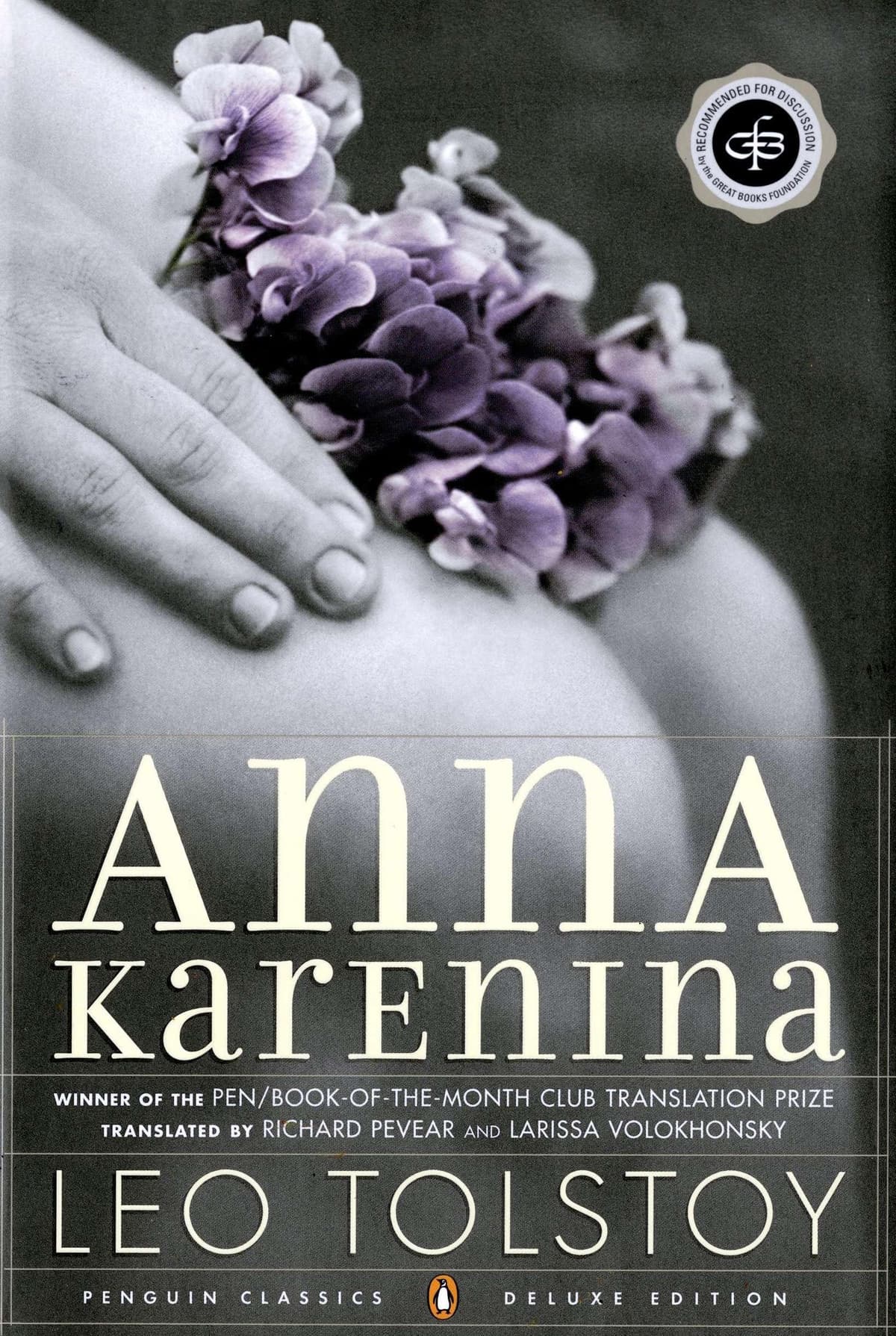 #10View Book
Anna Karenina
Leo Tolstoy
High•30-35 hours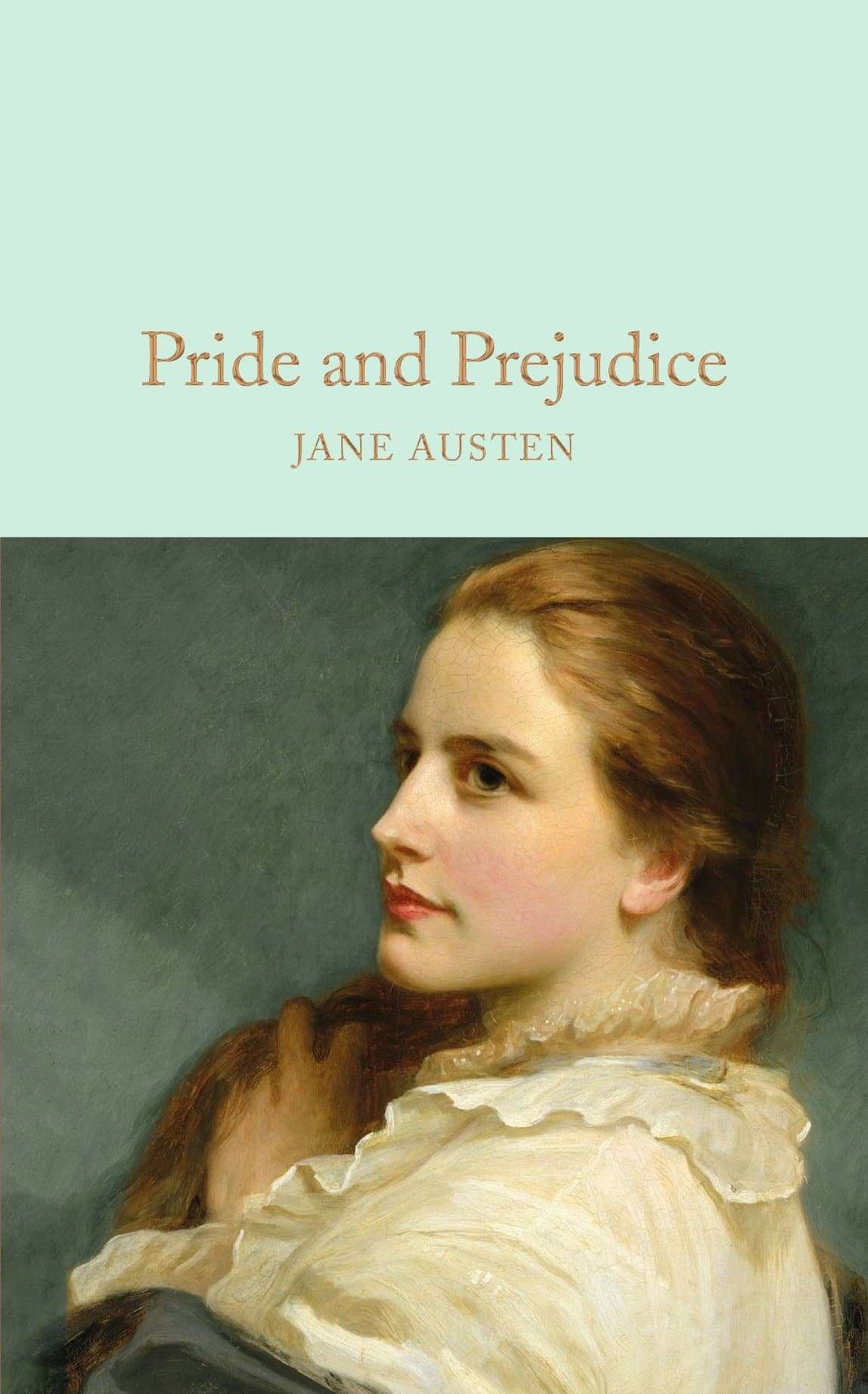 #12View Book
Pride and Prejudice
Jane Austen
Accessible•10-12 hours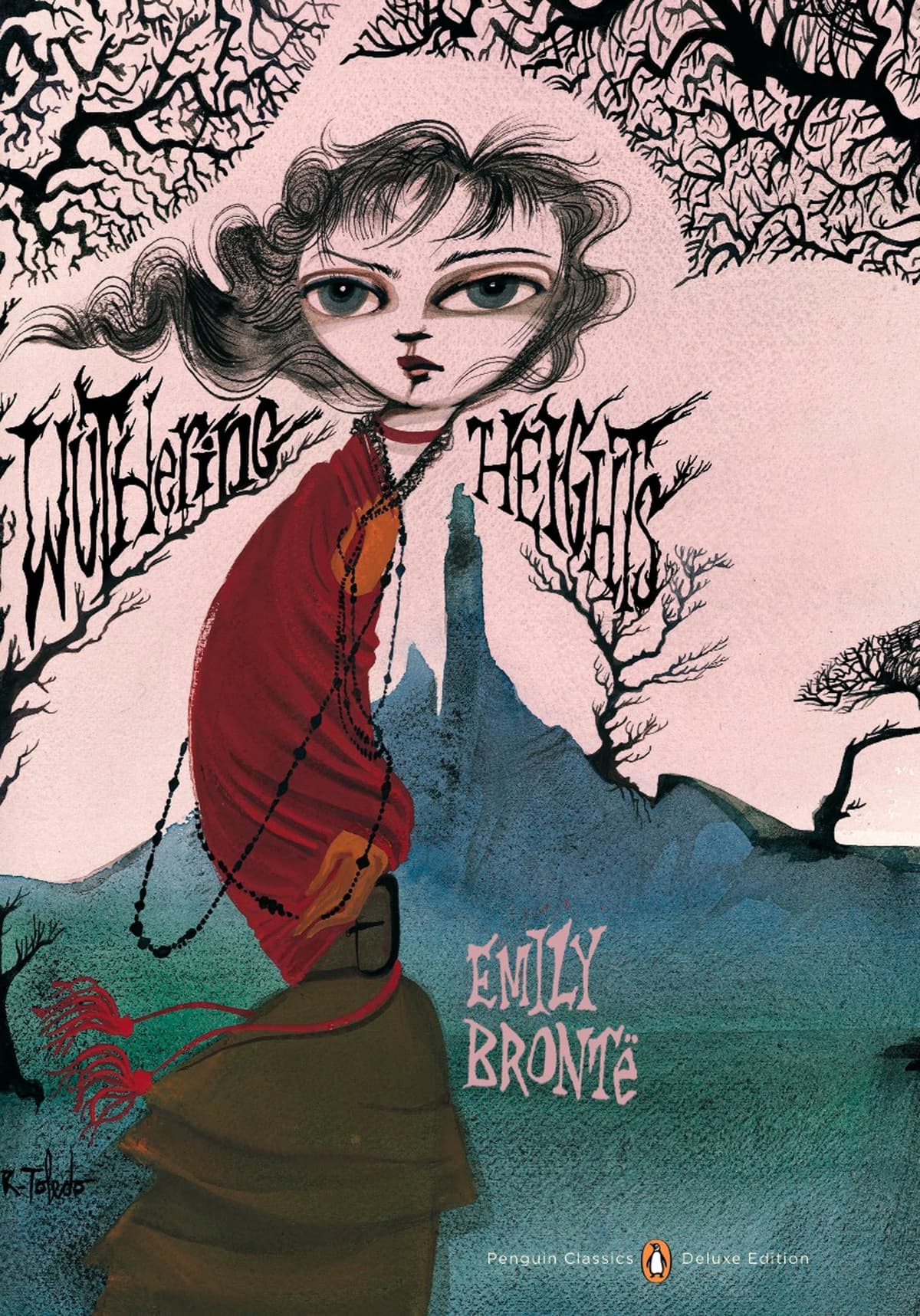 #15View Book
Wuthering Heights
Emily Brontë
Moderate•10-12 hours
Browse more collections