Pensées
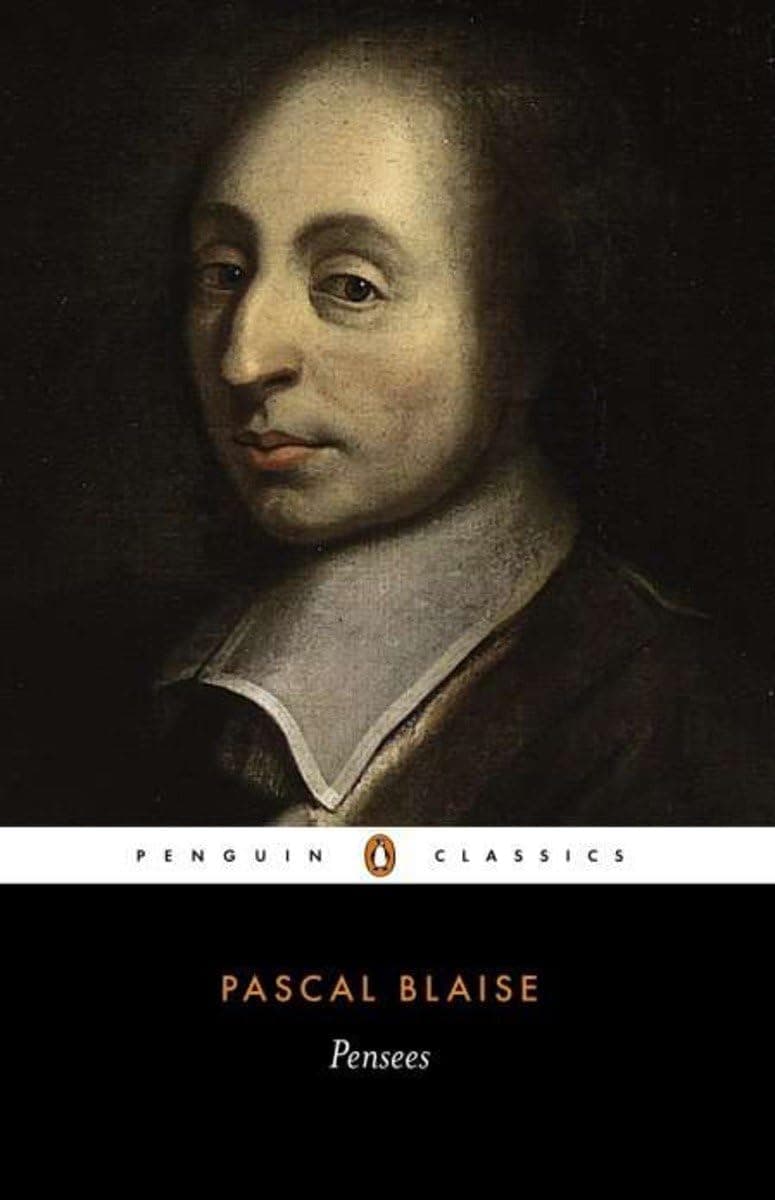
“The heart has its reasons, which reason does not know.”
Pensées Summary
Pensees is a collection of fragmentary notes and aphorisms that Blaise Pascal intended to develop into a comprehensive defense of the Christian faith. The work moves restlessly between observations on human nature, the limits of reason, and the case for religious belief. Pascal dissects the contradictions of the human condition -- our capacity for greatness paired with our wretchedness, our hunger for certainty in a universe that refuses to yield it. At the center of the work stands Pascal's famous Wager, a pragmatic argument for belief in God that treats faith as a rational gamble rather than a leap of pure emotion. The fragments range from piercing psychological observations to sustained meditations on justice, custom, and the nature of persuasion, creating a mosaic that feels startlingly modern in its restless, searching quality.
The enduring power of Pensees lies in its refusal to offer easy consolation. Pascal acknowledges the terrifying silence of infinite spaces, the absurdity of human diversions, and the inadequacy of philosophy to address our deepest anxieties -- yet he argues that these very inadequacies point toward a transcendent answer. The work stands as one of the great monuments of French prose, its aphoristic brilliance rivaling La Rochefoucauld and Montaigne. Pascal's psychological acuity anticipates existentialism, and his analysis of how custom and habit shape belief prefigures modern sociology. As both a work of religious apologetics and a profound inquiry into the human condition, Pensees remains indispensable for anyone grappling with questions of faith, reason, and the meaning of existence.
Why Read Pensées?
Few books cut as directly to the core of what it means to be human. Pascal writes with the precision of a mathematician and the passion of a mystic, producing fragments that lodge in your mind like splinters. His observations on boredom, distraction, and the ways we flee from confronting our own mortality feel as relevant in the age of smartphones as they did in seventeenth-century France. Whether you are a person of faith or a committed skeptic, Pascal's unflinching honesty about the limits of reason will challenge your assumptions.
Reading Pensees is an encounter with one of the most brilliant minds in Western history operating at the intersection of science, philosophy, and theology. The fragmentary nature of the work -- Pascal died before completing his grand project -- gives it a raw, unfinished energy that polished treatises lack. Each pensee is a world in miniature, inviting you to pause, reflect, and argue back. This is philosophy not as an academic exercise but as a matter of life and death, written by a man who understood both the power of mathematical proof and its ultimate insufficiency before the deepest questions.
About Blaise Pascal
Blaise Pascal (1623-1662) was a French mathematician, physicist, inventor, and theologian whose genius manifested across an extraordinary range of disciplines. A child prodigy who wrote a treatise on conic sections at sixteen, Pascal made foundational contributions to probability theory, hydraulics, and the development of the mechanical calculator. In 1654, a mystical experience during what he called his Night of Fire led to a profound religious conversion, after which he devoted himself increasingly to theological writing and the defense of Jansenist Christianity.
Pascal's literary legacy rests primarily on two works: the Provincial Letters, a brilliant satirical attack on Jesuit casuistry, and the posthumously published Pensees, assembled from notes found after his early death at age thirty-nine. His influence extends far beyond theology -- Voltaire admired his prose, Kierkegaard built on his existential insights, and modern philosophers continue to debate Pascal's Wager. His writing style, combining geometric clarity with emotional intensity, established a new standard for French intellectual prose. Pascal remains a singular figure: a scientist who insisted on the limits of science, a rationalist who championed the reasons of the heart.
Reading Guide
Ranked #306 among the greatest books of all time, Pensées by Blaise Pascal has earned its place in the literary canon. Originally written in French and published in 1670, this challenging read from France continues to resonate with readers today.
This book belongs to our Philosophy & Faith collection, where you can discover more books that share its spirit and themes.
If you enjoy challenging reads like this one, you might also like Ulysses, Moby-Dick, or Lolita.
From the Philosophy & Faith Collection
If you enjoyed Pensées, discover more masterpieces that share its spirit.
 #11View Book
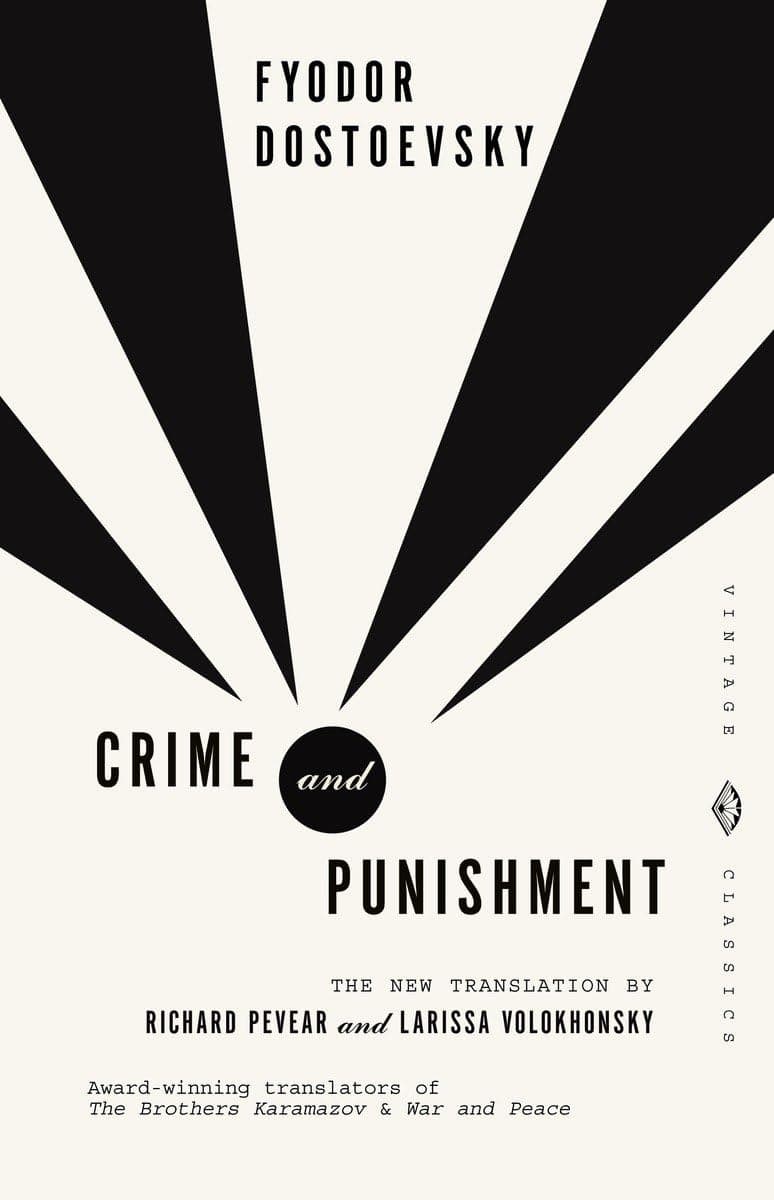
Crime and Punishment
Fyodor Dostoevsky
High•20-25 hours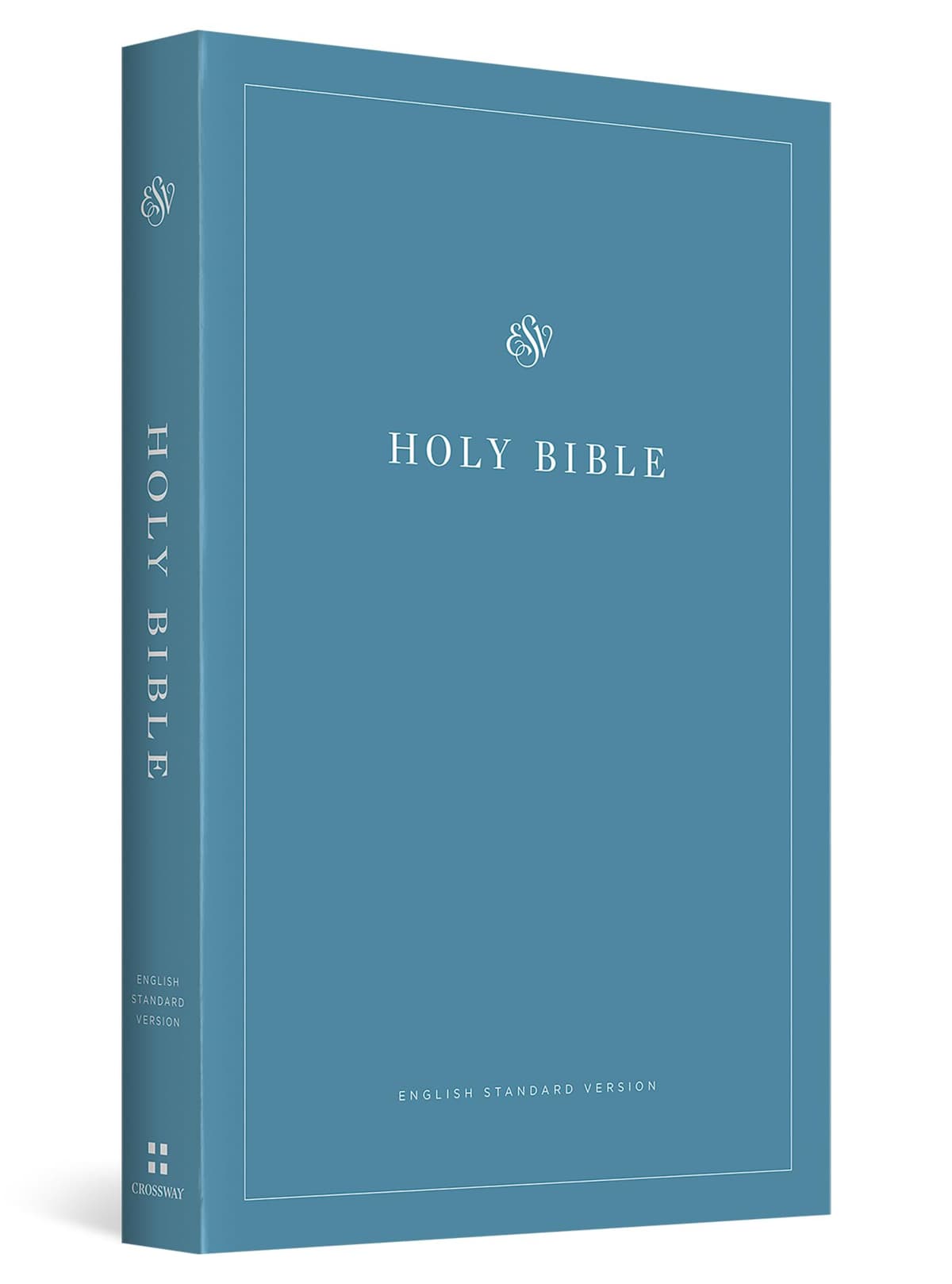 #18View Book
The Bible
Various
Variable•60-80 hours #19View Book
The Brothers Karamazov
Fyodor Dostoevsky
Very High•35-40 hours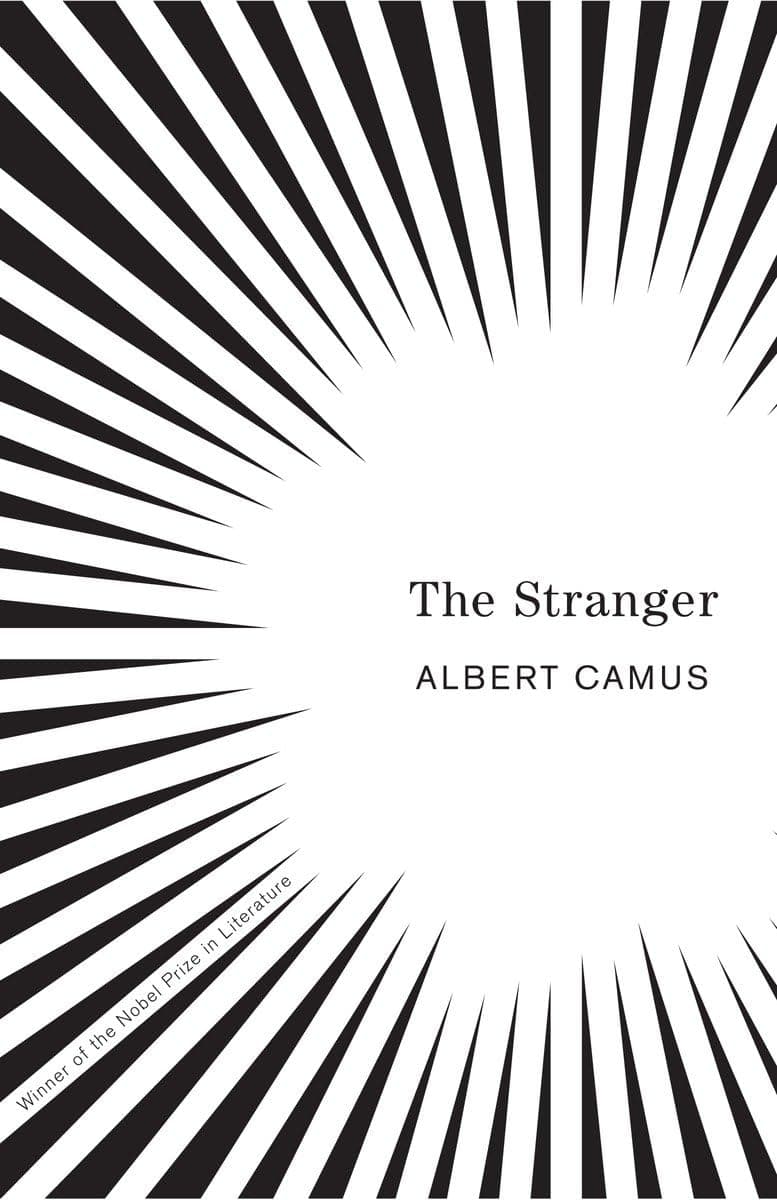 #21View Book
The Stranger
Albert Camus
Moderate•3-4 hours
Browse more collections