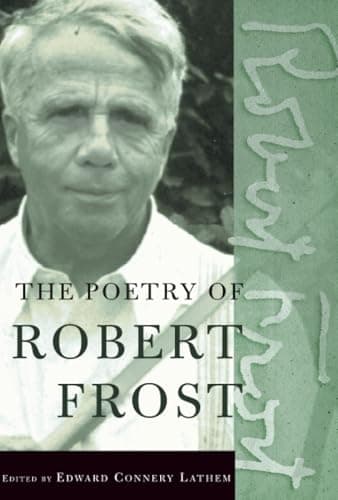
The Poems of Robert Frost
“Two roads diverged in a wood, and I -- I took the one less traveled by, and that has made all the difference.”
The Poems of Robert Frost Summary
The Poems of Robert Frost collects the work of America's most beloved poet across decades of writing that transformed the landscape of modern poetry. From the early lyrics of A Boy's Will through the mature meditations of In the Clearing, Frost maps the physical and spiritual terrain of rural New England with deceptive simplicity. His poems inhabit a world of stone walls, birch trees, snowy woods, and isolated farmsteads, yet beneath their pastoral surfaces pulse darker currents of isolation, mortality, and existential choice. Poems like "The Road Not Taken," "Stopping by Woods on a Snowy Evening," "Mending Wall," and "Birches" achieve a rare fusion of accessibility and depth, their plain-spoken language concealing intricate formal structures and layers of irony.
Frost's achievement lies in his ability to make the ordinary luminous and the familiar strange. His dramatic monologues and narrative poems -- "Home Burial," "The Death of the Hired Man," "Out, Out --" -- explore the tensions within marriages, communities, and individual consciousness with a psychological acuity that rivals any novelist. His formal mastery is extraordinary: working within traditional meters and rhyme schemes, he captures the rhythms of actual speech with an ease that makes his craft nearly invisible. Frost occupies a unique position in American letters as a poet who speaks to both general readers and literary scholars, whose work bridges the gap between nineteenth-century tradition and modernist innovation. His poems endure because they address the permanent human concerns -- choice, loss, labor, wonder -- with an honesty that neither sentimentalizes nor despairs.
Why Read The Poems of Robert Frost?
Opening a collection of Robert Frost is like stepping through a doorway into a world that feels immediately familiar yet endlessly surprising. His poems reward every level of reading: a child can love "Stopping by Woods on a Snowy Evening" for its music and imagery, while a scholar can spend years unpacking its layers of meaning. Frost's genius lies in making profound philosophical questions feel as natural as a conversation over a stone wall, and his mastery of form gives his best poems a memorability that lodges them permanently in the mind.
Beyond their beauty, Frost's poems offer a bracing corrective to easy optimism. His rural world is not a pastoral idyll but a place of hard labor, failing farms, and marriages under strain. The famous roads that diverge in yellow woods are not about triumphant individualism but about the stories we tell ourselves to make sense of arbitrary choices. Reading Frost deeply means encountering an artist who understood both the consolations and the terrors of the natural world, and who rendered them in language so precise and musical that it has become part of the American vocabulary itself.
About Robert Frost
Robert Frost (1874-1963) was an American poet who achieved a rare combination of critical acclaim and popular adoration over a career spanning more than five decades. Born in San Francisco and raised in New England after his father's death, Frost worked as a teacher, cobbler, and farmer before publishing his first collection, A Boy's Will, in England in 1913. His return to America coincided with growing fame, and he went on to win four Pulitzer Prizes for Poetry -- a record unmatched by any other poet.
Despite his grandfatherly public persona, Frost's personal life was marked by tragedy: the deaths of his wife and four of his six children, bouts of severe depression, and a temperament that could be ruthless and competitive. These darker currents inform the complexity of his verse, which literary critics increasingly recognized as far more sophisticated and unsettling than its accessible surface suggested. Frost held teaching positions at Amherst, Dartmouth, Harvard, and the University of Michigan, and his reading at John F. Kennedy's inauguration in 1961 cemented his status as America's unofficial poet laureate. His influence on subsequent American poetry is immeasurable, and his best poems remain among the most widely read and recited in the English language.
Reading Guide
Ranked #307 among the greatest books of all time, The Poems of Robert Frost by Robert Frost has earned its place in the literary canon. Originally written in English and published in 1913, this accessible read from United States continues to resonate with readers today.
This book belongs to our American Spirit and Love & Loss collections, where you can discover more books that share its spirit and themes.
If you enjoy accessible reads like this one, you might also like The Great Gatsby, The Catcher in the Rye, or Pride and Prejudice.
From the American Spirit Collection
If you enjoyed The Poems of Robert Frost, discover more masterpieces that share its spirit.
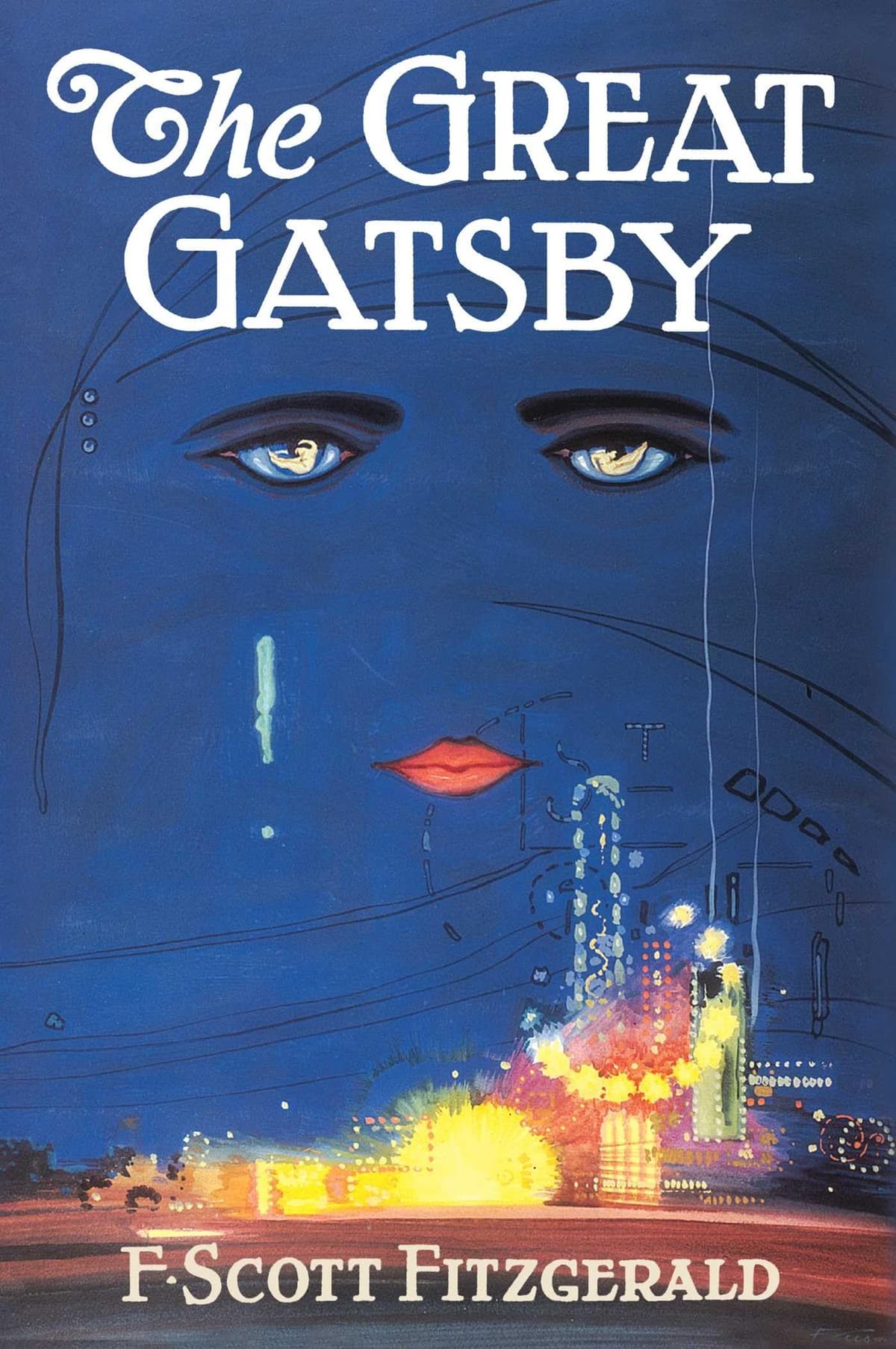 #3View Book
The Great Gatsby
F. Scott Fitzgerald
Accessible•5-6 hours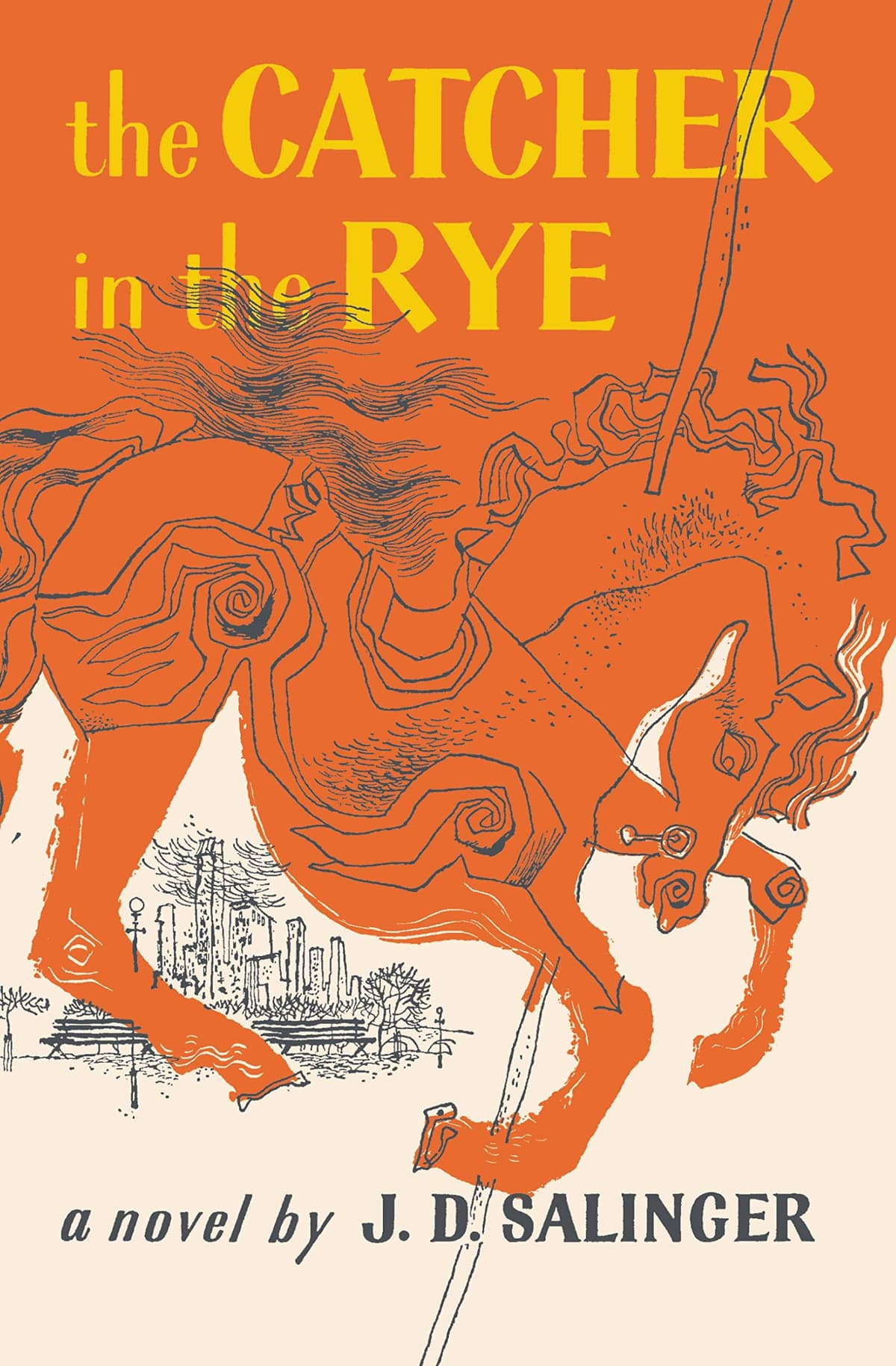 #4View Book
The Catcher in the Rye
J. D. Salinger
Accessible•6-8 hours #13View Book
Lolita
Vladimir Nabokov
Challenging•12-15 hours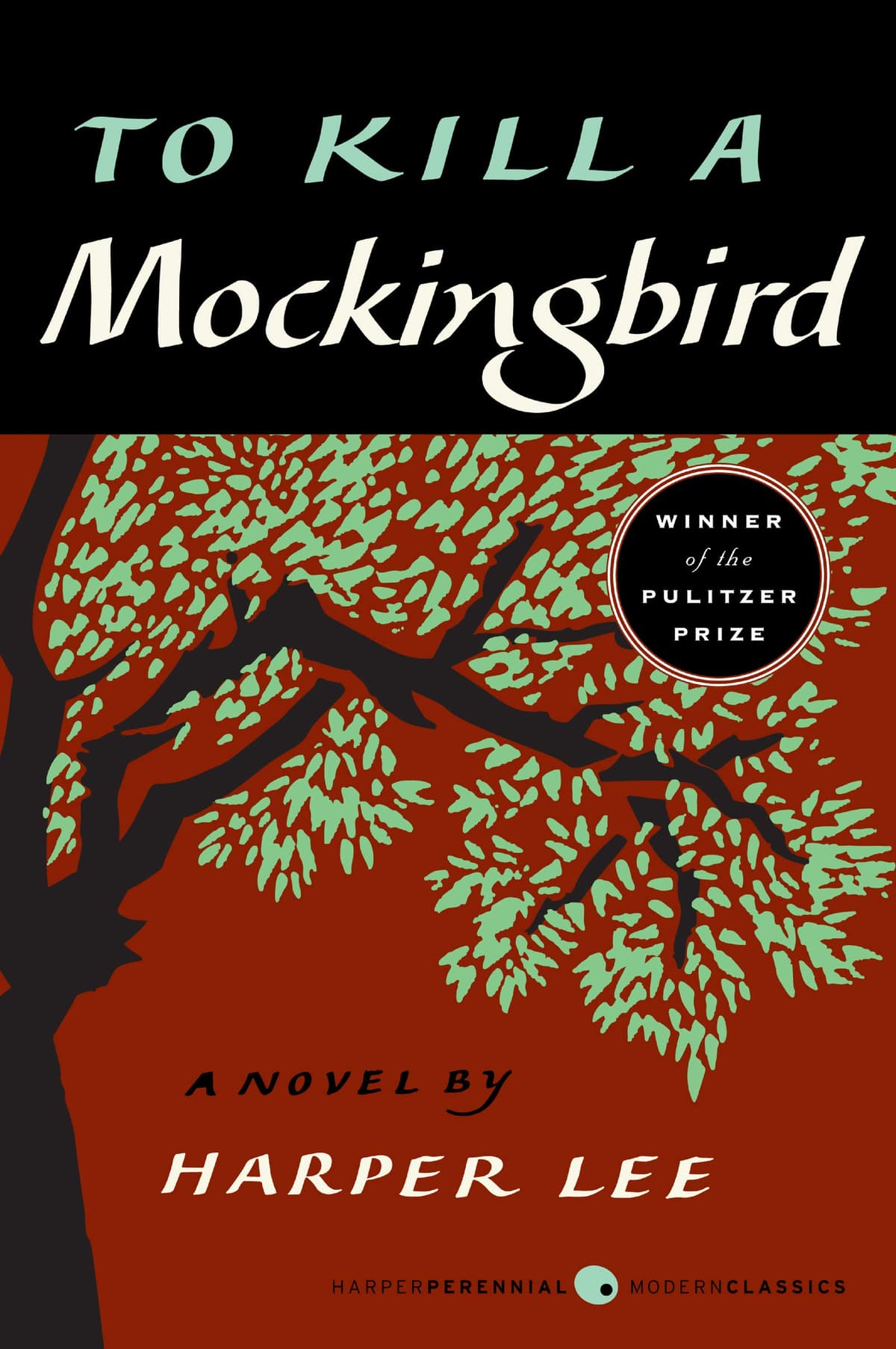 #17View Book
To Kill a Mockingbird
Harper Lee
Accessible•8-10 hours
Browse more collections