Froth on the Daydream
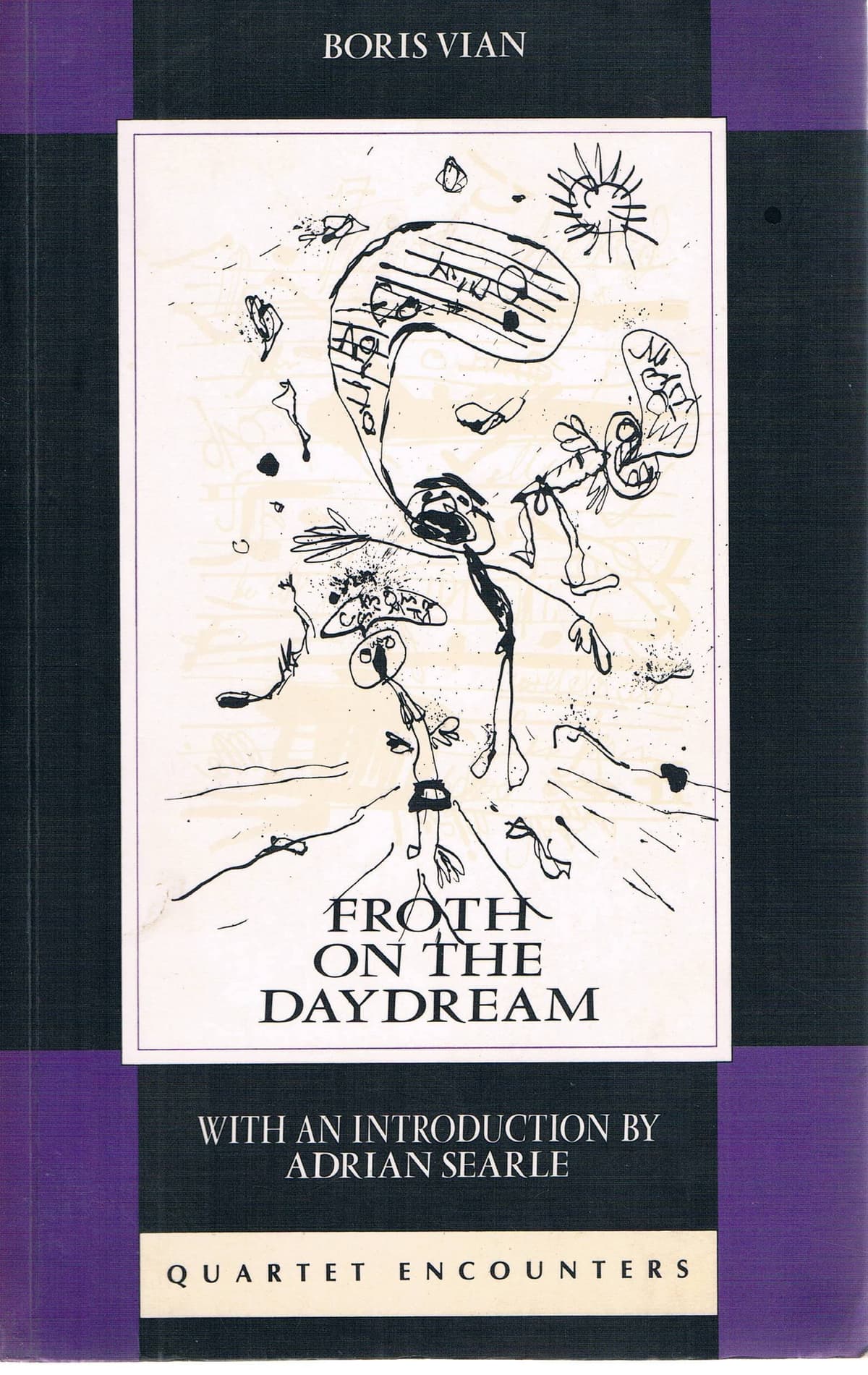
“The thing that's terrible is that you can never go where it's warm, because when you get there you find it's quite different.”
Froth on the Daydream Summary
In a luminous, fantastical Paris, the young and wealthy Colin lives in a whimsical apartment where a mouse named Seneca inhabits the walls, a pet eel named Angus lives in the water tap, and his personal chef Nicolas prepares meals of impossible invention. Colin is carefree and devoted to the music of the fictional jazz pianist Jean-Sol Partre (a playful inversion of Jean-Paul Sartre). He falls rapturously in love with Chloe, and their wedding is a joyous explosion of color and surreal beauty. But shortly after their marriage, Chloe falls ill with a terrible disease: a water lily is growing inside her lung. As Colin spends his fortune on flowers to treat her condition and the couple's resources dwindle, the world around them literally contracts and darkens. Their spacious apartment shrinks, the ceilings lower, the light dims, and the vibrant colors drain away. Colin is forced into increasingly degrading and absurd jobs, and the novel's initially playful tone gives way to crushing despair as Chloe's illness progresses.
Vian's masterpiece is a dazzling fusion of jazz-age exuberance and devastating emotional truth, written in a prose style that combines the invention of Lewis Carroll with the heartbreak of genuine tragedy. The novel's central conceit, that the physical world reshapes itself in response to emotional states, makes it one of the purest expressions of literary surrealism, yet the grief at its core is utterly real and recognizable. The water lily growing in Chloe's chest is simultaneously an absurd fantastical image and a metaphor of devastating precision for the way illness colonizes a life, transforming everything around it. Vian satirizes existentialist philosophy, consumer culture, and bourgeois convention while telling an achingly sincere love story, achieving a tonal balance that no other writer has quite replicated. The novel was largely ignored upon publication but is now recognized as one of the great French novels of the twentieth century.
Why Read Froth on the Daydream?
If you have ever wished that a novel could make you feel the way music does, simultaneously joyful and heartbroken, exhilarating and fragile, Froth on the Daydream is the book you have been waiting for. Vian's prose has a quality unlike anything else in literature: playful and inventive on the surface, devastating underneath, each page alive with wordplay, impossible imagery, and an almost physical sense of beauty being consumed by darkness. The experience of reading it is closer to listening to a jazz improvisation than to following a conventional narrative.
You should read this because it demonstrates that the most profound truths about love and loss can be expressed through fantasy and absurdity rather than realism. The novel's central metaphor, a world that physically shrinks and darkens as its inhabitants suffer, captures the subjective experience of grief more accurately than any naturalistic description could. Vian was a jazz musician, novelist, playwright, and provocateur who died at thirty-nine, and this novel contains all of his gifts in their purest form. It is short, strange, funny, and ultimately shattering, a book that reminds you why you fell in love with reading in the first place.
About Boris Vian
Boris Vian was born in 1920 in Ville-d'Avray, a suburb of Paris. Trained as an engineer at the Ecole Centrale, he became one of the most colorful figures in postwar Parisian intellectual life, working simultaneously as a novelist, poet, playwright, jazz trumpeter, singer-songwriter, translator, and actor. He was a central figure in the Saint-Germain-des-Pres jazz scene, performing regularly at clubs and befriending visiting American musicians including Miles Davis and Duke Ellington. Under the pseudonym Vernon Sullivan, he wrote a series of hard-boiled crime novels that caused scandal and led to obscenity charges. He translated Raymond Chandler and American science fiction into French, and wrote over four hundred songs, several of which became French standards.
Vian's literary reputation rests primarily on Froth on the Daydream, which was coolly received upon publication in 1947 but was rediscovered in the 1960s and became a beloved classic, particularly among young French readers. His work defies easy categorization, blending surrealism, jazz rhythms, satire, pataphysics, and genuine emotional depth in a manner entirely his own. He suffered from a congenital heart condition throughout his life and died of a cardiac arrest in 1959, reportedly while attending the screening of a film adaptation of one of his novels. He was thirty-nine years old. His posthumous fame has been immense, and he is now regarded as one of the most original and inventive French writers of the twentieth century.
Reading Guide
Ranked #481 among the greatest books of all time, Froth on the Daydream by Boris Vian has earned its place in the literary canon. Originally written in French and published in 1947, this moderate read from France continues to resonate with readers today.
This book belongs to our Magical Realism and Love & Loss collections, where you can discover more books that share its spirit and themes.
If you enjoy moderate reads like this one, you might also like One Hundred Years of Solitude, Nineteen Eighty-Four, or Wuthering Heights.
From the Magical Realism Collection
If you enjoyed Froth on the Daydream, discover more masterpieces that share its spirit.
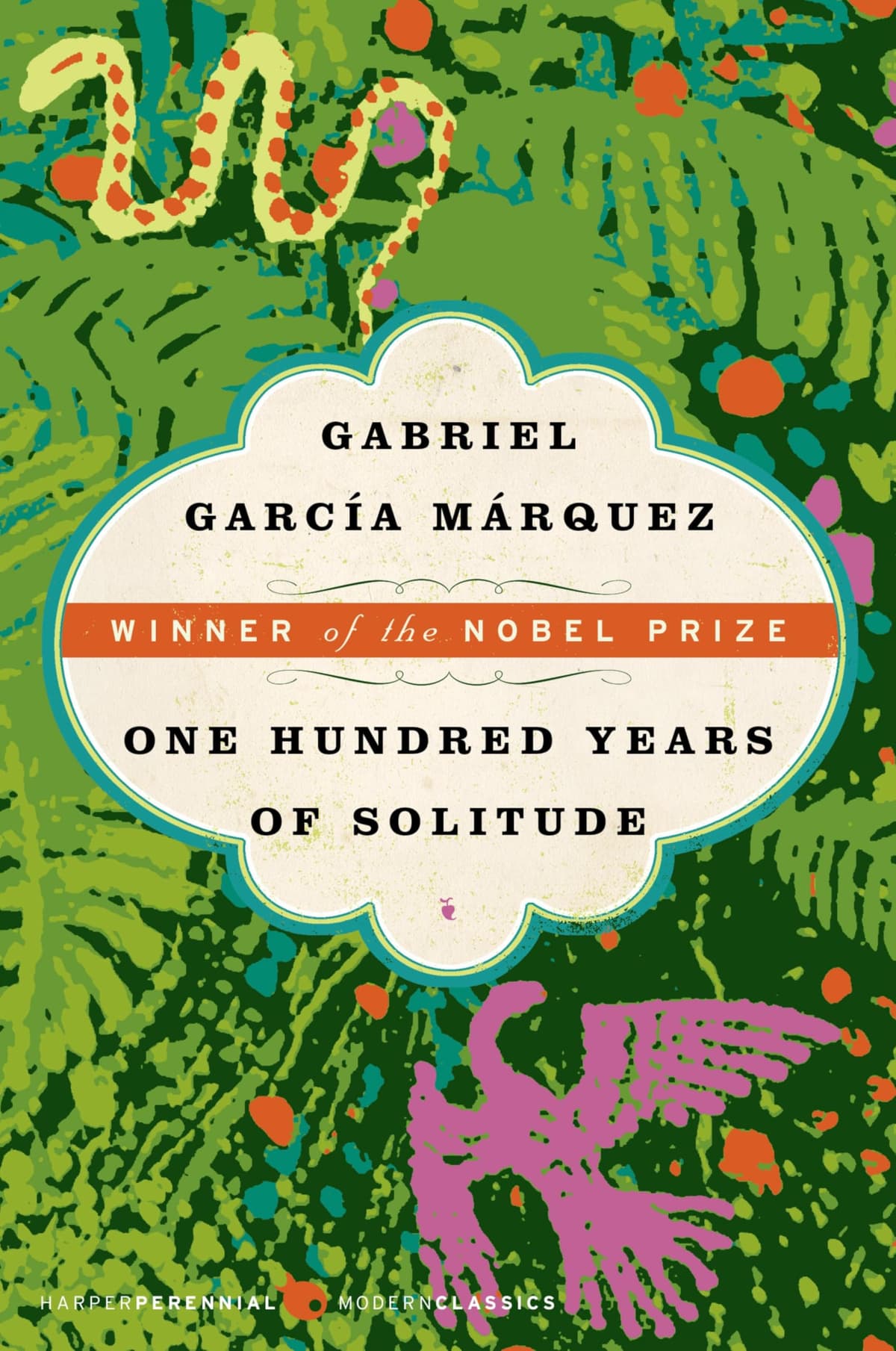 #5View Book
One Hundred Years of Solitude
Gabriel García Márquez
Moderate•15-20 hours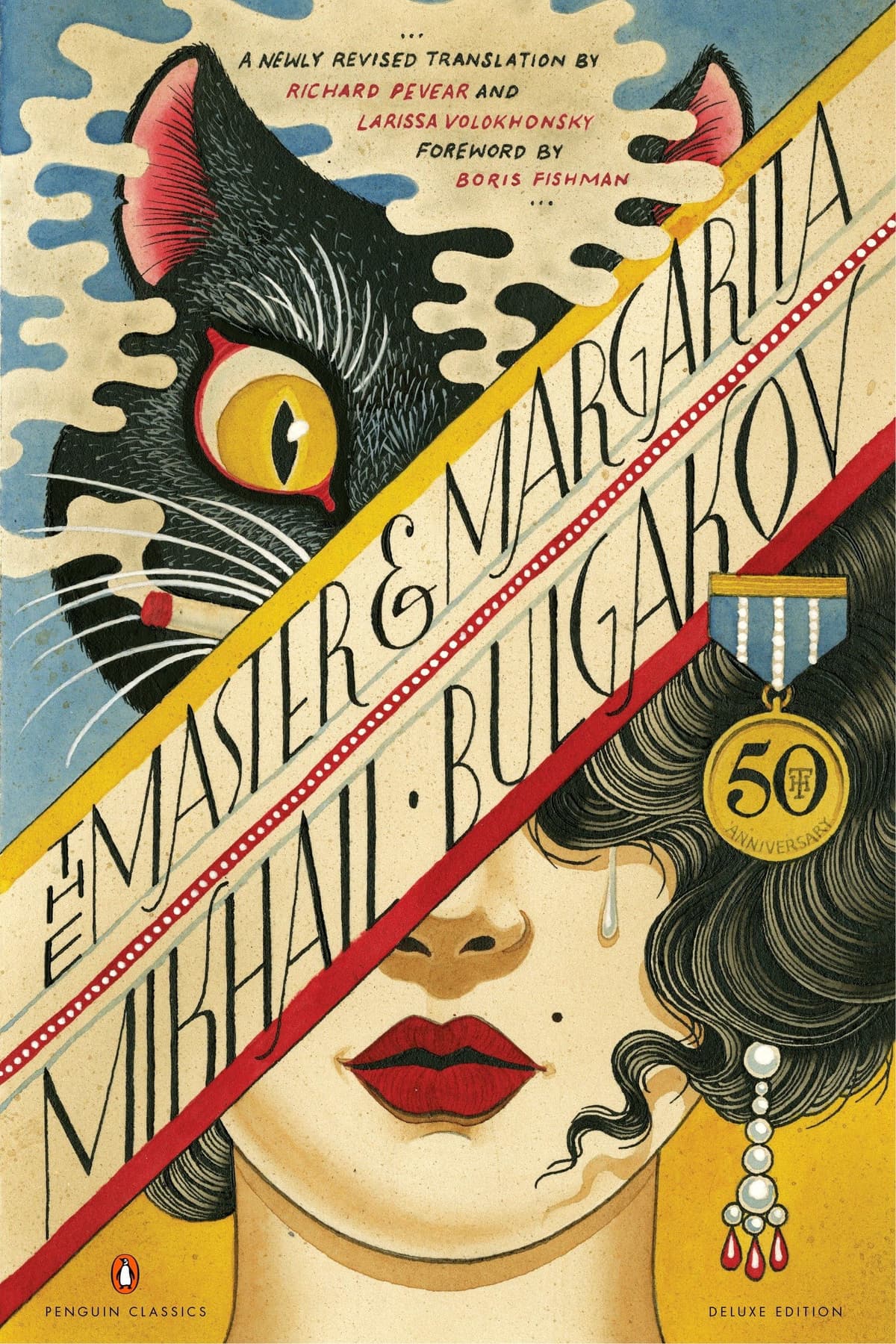 #34View Book
The Master and Margarita
Mikhail Bulgakov
Moderate•12-15 hours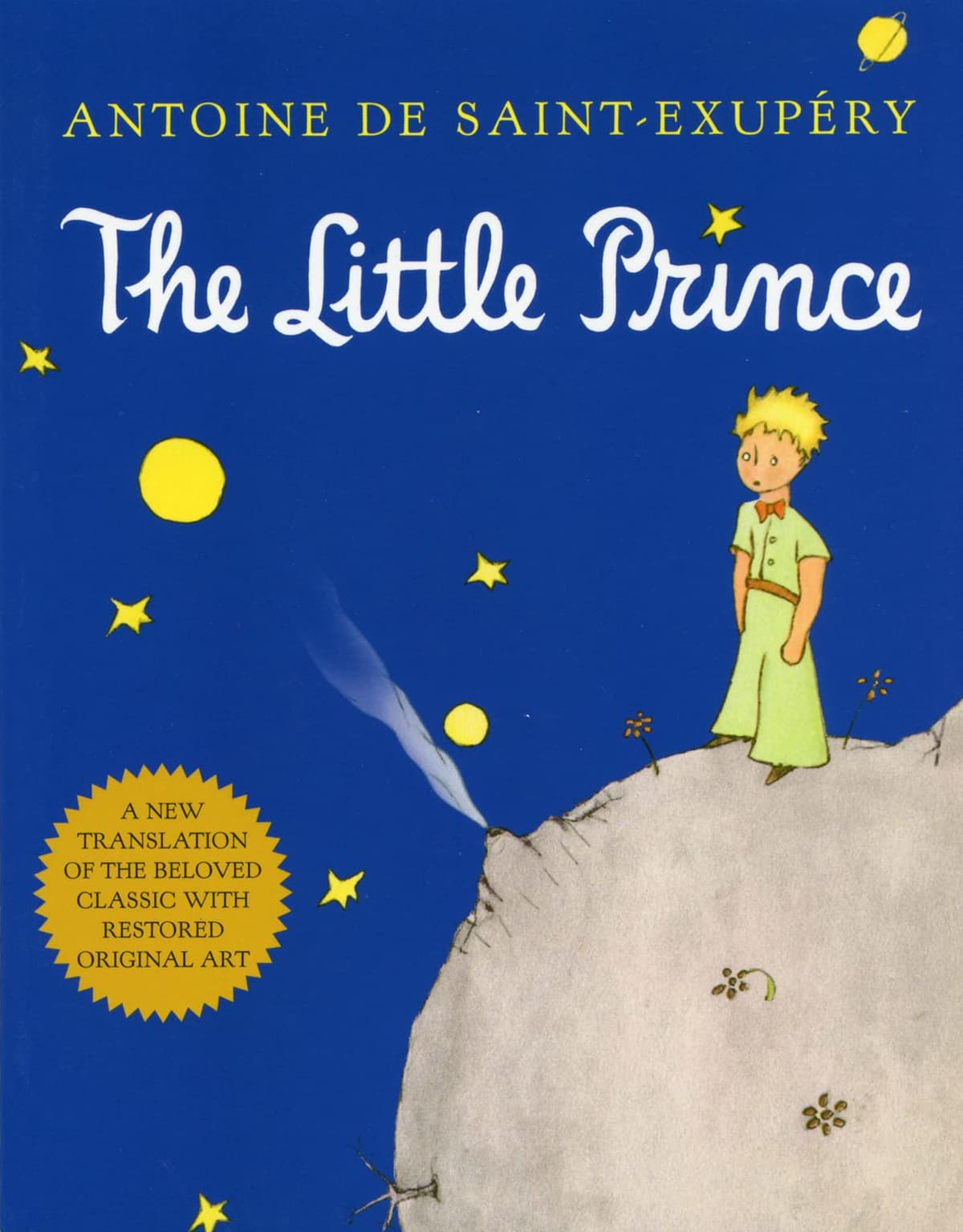 #43View Book
The Little Prince
Antoine de Saint-Exupéry
Accessible•1-2 hours #45View Book
Fictions
Jorge Luis Borges
Challenging•6-8 hours
Browse more collections